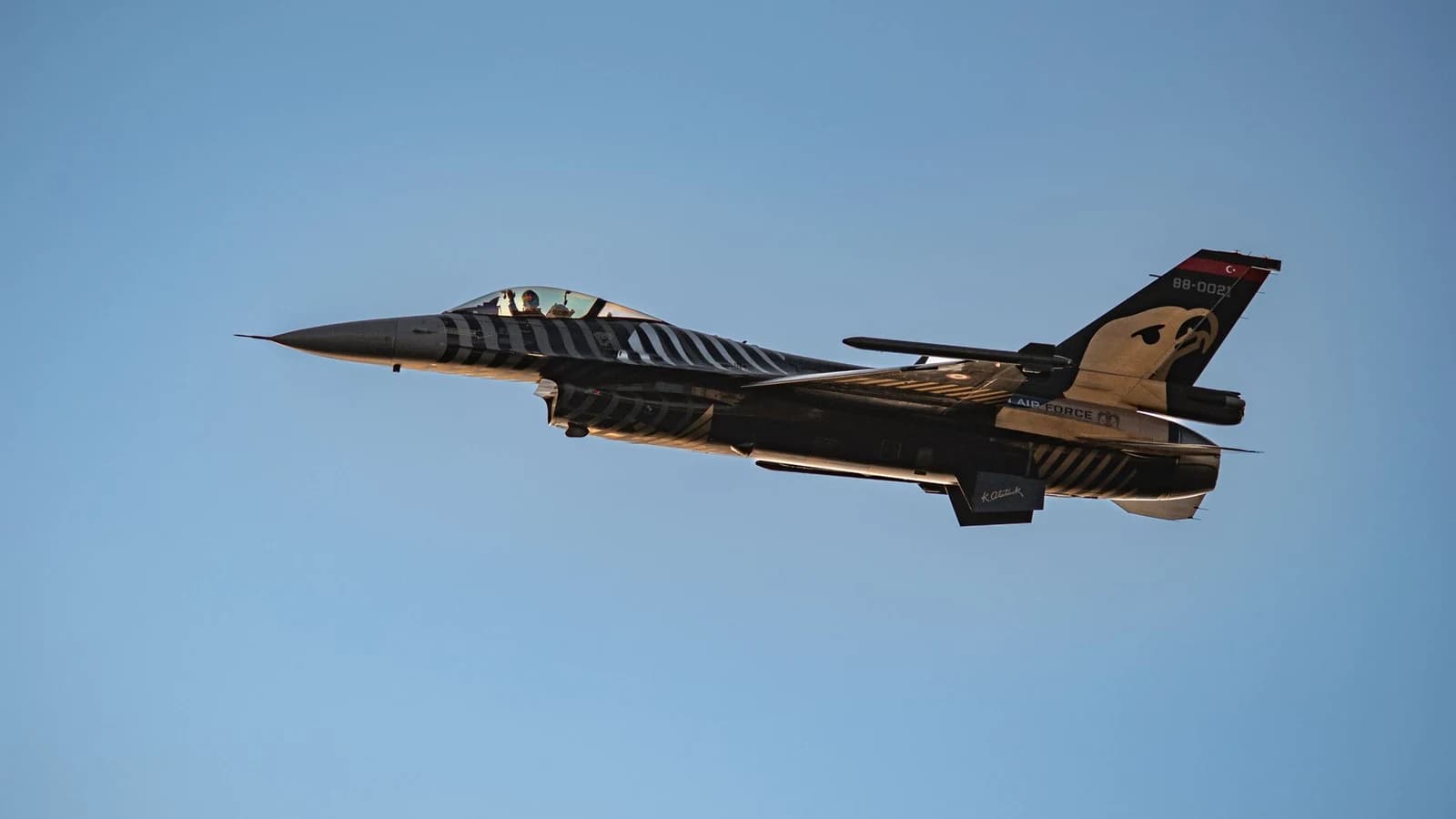
A war between Israel and Turkey is no longer treated as pure fiction inside Western planning circles. Middle East Forum analysts have argued the United States should actively war-game such a conflict; European and regional reporting through 2025–2026 has tracked a sharper strategic rivalry across Syria, the Eastern Mediterranean, and alliance politics. The question for defense analysis is not “will they fight tomorrow?” It is: if deterrence fails, which pathways light up first—and how does NATO break?
This piece maps a structured war game: starting conditions, flashpoints, force factors, escalation ladders, and the Article 5 trap that makes this scenario uniquely ugly for Washington.
Starting conditions (2025–2026)
Three structural facts frame every red-team exercise:
- Turkey is a NATO member with S-400 history and F-35 politics. Alliance membership is not decorative; it is the central legal and political constraint on US and European responses.
- Israel is not in NATO but is deeply integrated with US munitions, ISR, and diplomatic cover. A direct Israel–Turkey fight forces Washington to choose among allies, not between an ally and a peer adversary.
- The rivalry is multi-theater. Analysts at SpecialEurasia and Brookings have described competition spanning Syria basing and proxies, East Med energy and Greece/Cyprus defense ties, and political warfare over Palestine and regional order.
Recent open-source texture matters for scenario design even when individual claims remain contested: Erdoğan’s public warnings about Israeli campaigns; Turkish–Israeli rhetorical escalations; NATO Secretary General Mark Rutte’s reported non-answer on whether Article 5 would apply in an Israel–Turkey fight; and US political signals around F-35 sales to Turkey and Israel’s regional standing after successive wars.
War-game rule: treat viral “Turkey vs Israel war tomorrow” clips as noise. Use them only as indicators of political temperature, not as evidence of imminent large-scale conventional war.
Flashpoint map
1. Syria (highest kinetic probability)
Syria remains the most plausible place for accidental or deliberate fire between Turkish and Israeli operating concepts:
- Israel’s pattern of striking Iranian and proxy infrastructure.
- Turkey’s northern Syria security zone and influence competition.
- Shared airspace deconfliction that can fail under surge conditions.
Blue team (Israel) stress: long-range SAMs, UAV saturation, and political cost of striking near Turkish forces.
Red team (Turkey) stress: escalation control if Israeli strikes kill Turkish personnel or hit Turkish-backed positions.
2. Eastern Mediterranean (alliance geometry)
Greece–Cyprus–Israel defense cooperation and East Med energy infrastructure turn naval/air incidents into alliance problems fast. A frigate incident, EEZ patrol clash, or anti-access move around energy platforms is a classic ladder-rung.
3. Political warfare → limited force (gray zone)
Cyber, commercial sanctions, diaspora politics (especially in Europe), and proxy messaging can precede any formal kinetic exchange. Gray-zone campaigns are easier to start and harder to terminate cleanly.
Force factors that matter (not order-of-battle porn)
A useful war game prioritizes asymmetries, not total tank counts:
| Factor | Israel edge | Turkey edge | Why it matters |
|---|---|---|---|
| Air & ISR integration with US | Stronger historical integration | NATO air picture access, mass | Early warning and munitions tempo |
| Missile / UAV inventory | Dense layered defense + offense experience | Large UAV industrial base, mass production | Attrition over weeks |
| Geography | Small strategic depth | Strategic depth + multiple fronts | Duration and logistics |
| Alliance law | No Article 5 claim | Article 5 ambiguity as political weapon | US/EU paralysis risk |
| Domestic politics | Wartime cohesion patterns | Erdoğan coalition management | Off-ramps and duration |
Key insight: neither side needs a “total victory” path to create a strategic crisis. A short, sharp exchange that kills dozens of personnel and freezes US decision-making for 72 hours is enough to redraw regional alignment.
Escalation ladder (five rungs)
- Incident — aircraft lock-on, UAV shoot-down, naval close-pass, or strike spillover in Syria.
- Retaliation — limited strike on military targets with public framing as “deterrence restoration.”
- Horizontal expansion — East Med or cyber opens a second theater.
- Alliance activation politics — Turkey invokes or threatens Article 5 consultation; Israel presses US for munitions and diplomatic cover.
- Great-power entanglement — Russia, Iran, Gulf states, and European capitals choose sides unevenly; energy prices and Strait/Levant logistics become second-order effects.
Most professional war games spend the most time on rungs 1–3, because that is where miscalculation lives. Rung 5 is rare; rung 2 is where states usually still have off-ramps.
The NATO / Article 5 trap
This is the scenario’s core intellectual problem.
- If Turkey claims collective defense after an Israeli strike, the letter of the treaty and the political reality of US–Israel ties collide.
- If the US prioritizes Israel, NATO cohesion in Europe cracks (especially with large Turkish diasporas and energy exposure).
- If the US freezes both sides with arms-transfer pauses, both capitals may interpret restraint as abandonment and escalate to create facts.
Open reporting in 2026 that NATO leadership has dodged a clean Article 5 answer is itself a war-game input: ambiguity is already policy, whether or not anyone wrote it down.
US planners therefore do not only war-game air campaigns. They war-game:
- Congressional notification clocks and munitions transfer freezes
- European base access and overflight denial
- Information operations accusing Washington of “choosing” one Muslim-majority NATO ally against another
- Russian opportunistic moves if NATO is distracted
What a responsible US war game should test
- Deconfliction failure in Syria under simultaneous high-tempo Israeli and Turkish operations.
- 72-hour decision matrix for the White House when casualties hit both Turkish soldiers and Israeli civilians/forces.
- Munitions bipartisanship under dual pressure from pro-Israel and pro-Turkey coalitions.
- Energy and shipping shock if East Med insurance rates spike.
- Off-ramp design: third-party mediation (US, Qatar, Egypt, or a European contact group) before rung 4.
What this is not
This is not a prediction that Israel and Turkey will fight a full-scale war in 2026. Probability remains contested and path-dependent. It is a statement that:
- the rivalry is structurally real,
- the flashpoints are mapped,
- and the alliance geometry makes this a higher-order crisis than a typical Middle East bilateral fight.
For readers following The Board’s defense coverage: treat Israel–Turkey as a scenario class next to Hormuz closure, Taiwan contingency, and Iran succession—not as clickbait.
Bottom line
| Question | Analytical answer |
|---|---|
| Most likely first spark? | Syria air/UAV/strike spillover or East Med incident |
| Most dangerous unique feature? | NATO Article 5 politics vs US–Israel munitions politics |
| Best early indicator of real crisis? | Confirmed bilateral military casualties + halted deconfliction channels |
| Best policy tool before rung 3? | Explicit US-mediated deconfliction cell + pre-agreed incident communications |
War-gaming Israel–Turkey is not alarmism. It is due diligence for a rivalry that already runs through NATO’s hardest legal and political seams.
Sources
- Middle East Forum — The U.S. Must War-Game an Israel-Turkey Conflict
- SpecialEurasia — Turkey-Israel Escalating Military-Strategic Rivalry (2026)
- Brookings — Turkey’s post-American hesitation (2026)
- Times of Israel — NATO summit, F-35 politics, Turkey/Israel standing (2026)
Related Analysis
- Europe's 2026 Rearmament: Can the Factories Deliver?
- Jet-Powered Shaheds: Russia's 2026 Drone Escalation and the Interceptor Race
- Hezbollah Fires Anti-Ship Cruise Missile at Warship Off Lebanon [2026]
- US Crew Rescued After Jet Downed: Israeli Media Reports
- Iran Ground Assault: Kharg Island Target Analysis
- The Bitcoin End-Game: Regulatory Preemption Will Cap 2035
- AI and Humanity in 2100: Survival and the End Game
- AI Human End Game 2030: Survival and Coexistence Analysis
Related Topics
Video Intelligence
- ▶Iranian Missile Strike Hits Arad Israel: Video Moments
- ▶Iran Releases Official Footage of Drone Launches During War
- ▶FPV Drone Strikes US Victoria Base Near Baghdad Airport
- ▶Trump's Iran Rhetoric as Marines Deploy
Share This Analysis
Get a shareable verdict card for this article.
Get the next one first
Free briefings when we publish major outlooks and forecasts. No spam — unsubscribe anytime.
Related Analysis
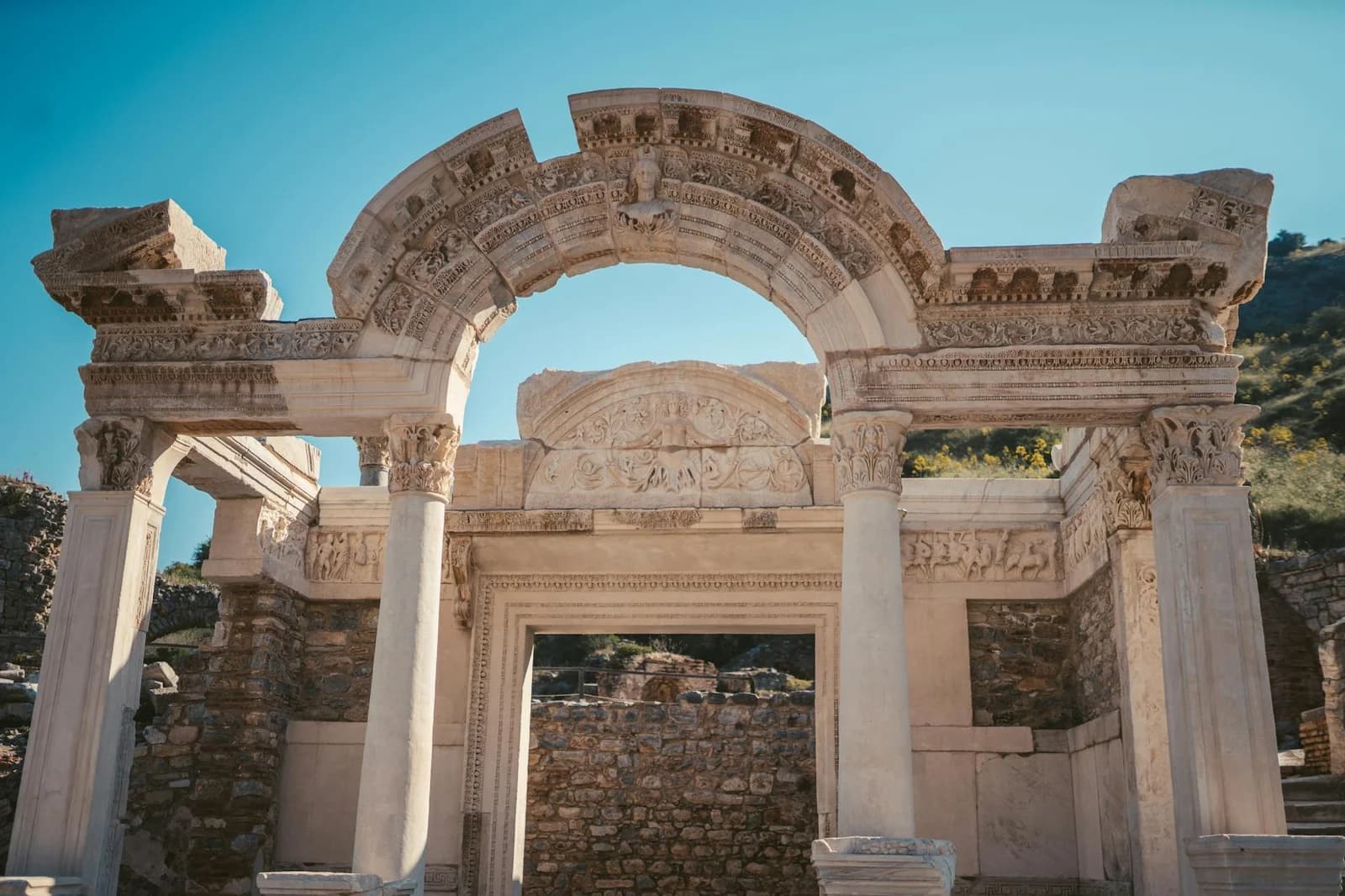
Strategic Impact of Turkey Leaving NATO in 2026
The Board · Feb 22, 2026

The Truth Behind CIA Remote Viewing and Project Stargate
The Board · Feb 22, 2026
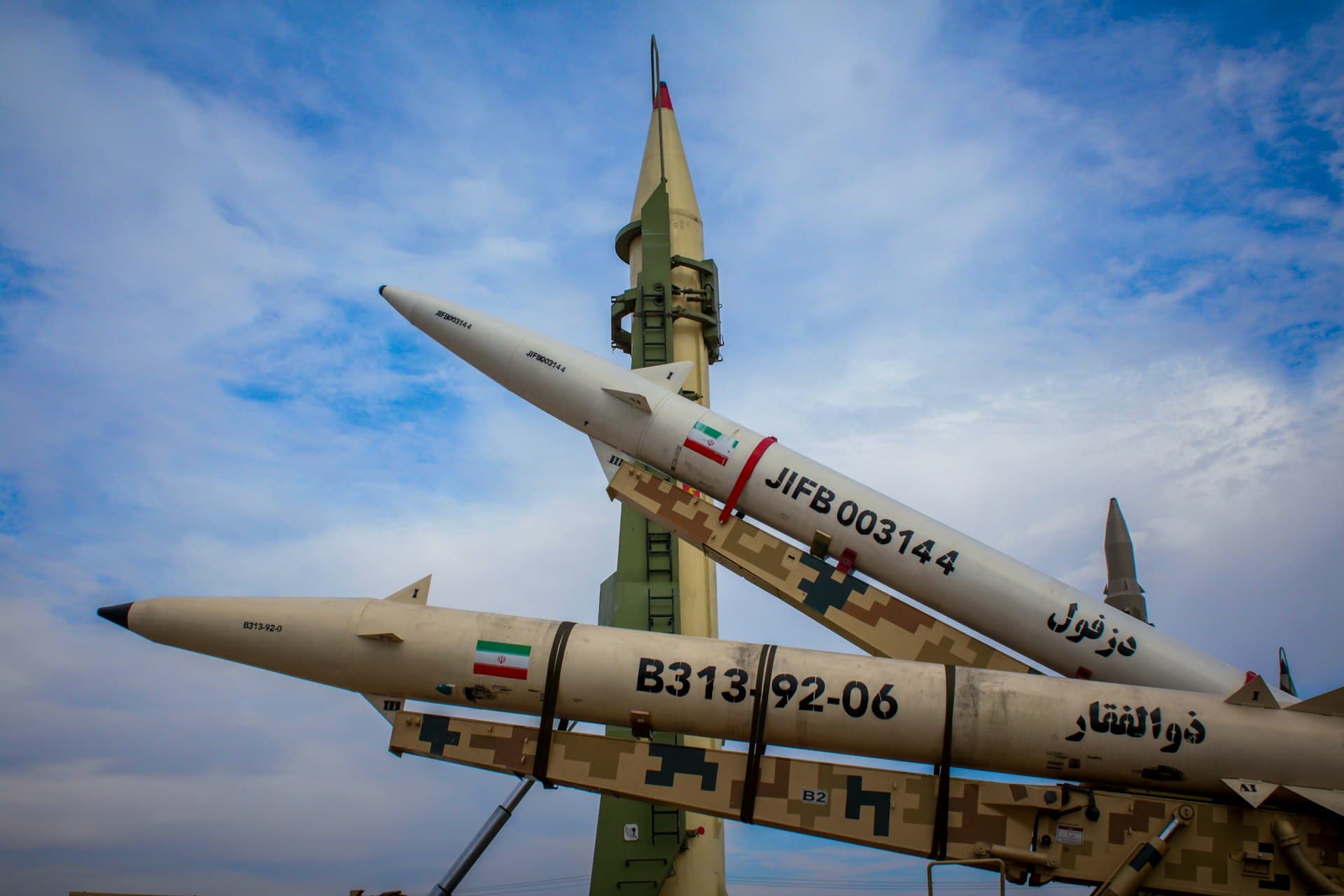
The Neurological War: How Precision Strikes Rewrote the...
The Board · Mar 27, 2026

Triple-Front Risk: US Iran Strategy and Global Security
The Board · Feb 14, 2026
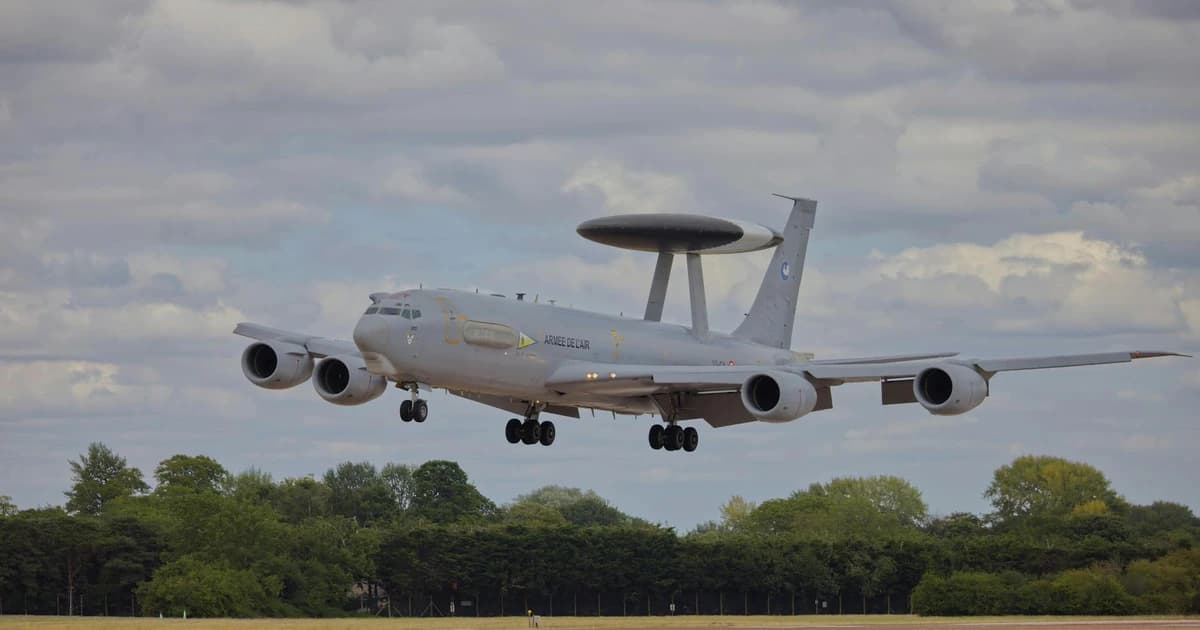
Russia Photographed the Saudi Base Three Times Before...
The Board · Mar 30, 2026
A Russian Drone Hit NATO Territory This Week
The Board · Mar 26, 2026
Trending on The Board

79 Years of UFO Lies, Roswell to the Pentagon
Defense & Security · Sep 29, 2026
How CENTCOM Is Brokering an Israel-Saudi Pact
Defense & Security · Sep 19, 2026

Why the Pentagon Pulled Its Iran War Plans Offline
Defense & Security · Sep 19, 2026
How a Stablecoin Funded Moldova's 2026 Election
Geopolitics · Sep 19, 2026

The Hidden Gold Demand Behind the $6,000 Target
Markets · Sep 17, 2026
Latest from The Board
79 Years of UFO Lies, Roswell to the Pentagon
Defense & Security · Sep 29, 2026
How CENTCOM Is Brokering an Israel-Saudi Pact
Defense & Security · Sep 19, 2026
Why the Pentagon Pulled Its Iran War Plans Offline
Defense & Security · Sep 19, 2026
How a Stablecoin Funded Moldova's 2026 Election
Geopolitics · Sep 19, 2026
The Hidden Gold Demand Behind the $6,000 Target
Markets · Sep 17, 2026
Houthis Take Perim as Saudis Halt Pipeline 2026
Geopolitics · Sep 13, 2026

Epstein Intelligence Ties: Evidence vs Allegation in 2026
Policy & Intelligence · Sep 6, 2026
What Israel-Iran War Games Got Wrong About 2026
Defense & Security · Sep 6, 2026