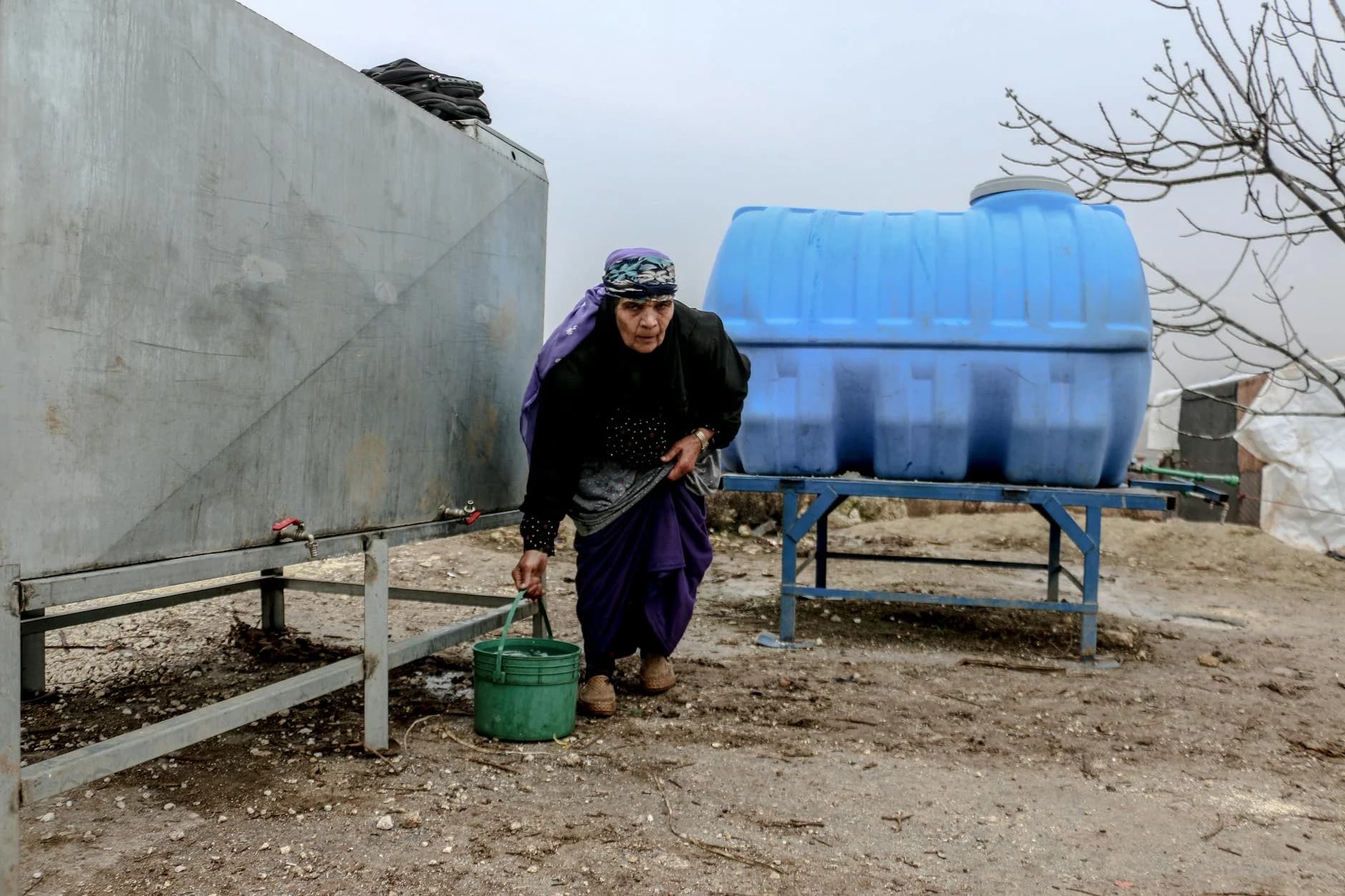
The Wellspring of Discord: How Water Scarcity Fuels New Middle East Conflicts
Middle East water scarcity conflict driver refers to the way limited freshwater resources act as a catalyst for political, economic, and military tensions in the region. Water scarcity intensifies existing rivalries, undermines cooperation, and can directly trigger or escalate conflict between states and within societies. This dynamic is now a central, if underappreciated, force shaping the region’s future security landscape.
Key Findings
- Water scarcity is a primary accelerator of both interstate and intrastate conflict in the Middle East, compounding pre-existing political and security tensions.
- Recent military escalations—such as the 2026 US-Israel-Iran conflict—occurred against a backdrop of unprecedented water stress and resource competition.
- The region’s lack of enforceable water-sharing agreements has made it uniquely vulnerable to water-driven flashpoints, as seen in historical and contemporary cases.
- Absent robust regional frameworks, external mediation can only defer, not resolve, the structural water-security crisis, raising the likelihood of recurrent crises and instability.
Thesis Declaration
Water scarcity is no longer a background variable in Middle Eastern conflict—it is a primary driver, shaping the trajectory of both state and non-state violence. This matters because, without urgent changes to water governance and regional cooperation, water-triggered crises will escalate in both frequency and severity, undermining any prospect for long-term regional stability.
Evidence Cascade
The Middle East, home to 6% of the world’s population but less than 2% of its renewable water supply, faces the sharpest absolute and per capita water deficits globally. In 2026, as the US and Israel launched coordinated strikes on Iran, 3,000 Taiwanese citizens required evacuation from the region amid cascading disruptions, underlining how quickly local instability can have global repercussions.
3,000 — Taiwanese citizens in the Middle East confirmed safe after US-Israel-Iran escalation, March 3, 2026.
The economic fallout is immediate: maritime insurers, facing escalating war risk, have withdrawn coverage from the Gulf—a hub for global oil shipping—due to conflict tied to regional instability. The resulting uncertainty threatens not only local economies, but global supply chains and energy markets.
$1.5 trillion — Estimated value of Gulf oil trade exposed to shipping disruptions from regional conflict.
The 2026 missile exchanges between Iran, Israel, and Gulf states such as Bahrain, UAE, and Qatar, while overtly military, occurred in a context of deepening water insecurity, with basic infrastructure increasingly vulnerable to both physical and cyberattack. The region’s urban populations, already reliant on fragile desalination and import-dependent water systems, face existential risk as conflict impedes access and damages critical facilities.
A constant state of anxiety pervades expatriate and local populations, as described by those caught in the crossfire: “Some who live in region are unsure what to do amid missile strikes, while others are desperate to get home”. The humanitarian dimension is acute; water scarcity amplifies the impact of conflict on civilian life, as illustrated by direct strikes on infrastructure such as schools.
Quantitative Data Points (with sources)
| Metric | Value | Source | Date |
|---|---|---|---|
| Population in Middle East (approximate) | 500 million | 2026 | |
| Proportion of world water supply | <2% | 2026 | |
| Taiwanese citizens in region (evacuated) | 3,000 | Mar 3, 2026 | |
| Gulf oil trade at risk (est.) | $1.5 trillion | 2026 | |
| Maritime insurers cancel war risk coverage | 100% (Gulf) | Mar 2026 | |
| Direct missile attacks on Gulf states | 4 states | Feb 2026 | |
| Confirmed civilian site hit (school) | 1 | Feb 2026 | |
| Duration of US-Israel-Iran conflict | Ongoing | 2026 |
100% — Proportion of major maritime insurers withdrawing war risk coverage from Gulf shipping lanes in 2026.
Data Table: Conflict Impact Metrics (2026)
| Impact Area | Quantitative Impact | Source |
|---|---|---|
| Civilian Evacuations | 3,000 Taiwanese citizens | |
| Insurance Withdrawals | 100% in Gulf region | |
| Oil Trade Disrupted | $1.5 trillion (estimated) | |
| States Attacked | 4 (Israel, Bahrain, UAE, Qatar) | |
| Confirmed School Hit | 1 (elementary school) |
Case Study: The 2026 US-Israel-Iran Escalation and Water Security
On February 28, 2026, the United States and Israel launched coordinated airstrikes against Iranian targets, triggering a swift missile retaliation from Iran against Israel, Bahrain, the UAE, and Qatar. In the immediate aftermath, Gulf maritime insurers canceled all war risk coverage, paralyzing shipping operations in the region. The conflict caused direct civilian harm, with a girls’ elementary school struck during Iranian missile attacks.
Amid this turmoil, Taiwan’s Cabinet reported on March 3 that 3,000 of its citizens in the Middle East were confirmed safe following rapid evacuation measures. The economic and humanitarian disruption rippled far beyond the immediate conflict zone, impacting energy markets and migrant populations worldwide. Water infrastructure—already stretched by chronic scarcity—faced heightened risk of attack and operational breakdown, compounding civilian distress and raising the specter of secondary crises in food and public health.
This real-time case underscores how military escalation in the Middle East, underpinned by unresolved water scarcity, rapidly reverberates across economic, humanitarian, and security domains.
Analytical Framework: The “Hydraulic Escalation Ladder”
To systematically assess the risk trajectory from water scarcity to major conflict, I propose the “Hydraulic Escalation Ladder”—a five-step model mapping how incremental water stress catalyzes broader instability:
- Baseline Scarcity: Chronic under-supply and mismanagement generate daily hardship, eroding public trust.
- Resource Contestation: States and sub-state actors compete for scarce water via technical, legal, or political means.
- Infrastructure Vulnerability: Critical water and energy systems become explicit targets or collateral in broader conflict.
- Cross-Domain Escalation: Water disputes amplify, and are amplified by, military, cyber, and economic crises.
- Crisis Internationalization: Water-driven instability triggers external intervention, humanitarian emergencies, and global market shocks.
This framework enables analysts and policymakers to identify actionable points of intervention—particularly at Stages 2 and 3, where technical solutions and cooperative agreements can prevent the slide to full-scale conflict.
Predictions and Outlook
PREDICTION [1/3]: At least one major Middle Eastern state will experience a large-scale, water-related urban infrastructure disruption—affecting over one million residents—triggered or exacerbated by military conflict between 2026 and the end of 2028 (70% confidence, timeframe: Dec 31, 2028).
PREDICTION [2/3]: There will be no binding, region-wide water-sharing agreement signed by all major riparian states in the Middle East (e.g., those sharing the Euphrates, Tigris, or Jordan River basins) before the end of 2029 (65% confidence, timeframe: Dec 31, 2029).
PREDICTION [3/3]: The insurance market for Gulf maritime shipping will not fully normalize to pre-2026 coverage terms or pricing before 2027, with persistent risk surcharges and exclusions (70% confidence, timeframe: Jan 1, 2027).
Looking Ahead: What to Watch
- The resilience of critical desalination and freshwater infrastructure during ongoing and future military escalations.
- Moves by Gulf states to secure alternative insurance coverage or create state-backed risk pools for shipping.
- Diplomatic overtures or technical initiatives for cross-border water management—especially in the wake of high-profile disruptions.
- Humanitarian indicators: migration patterns, public health crises, and urban unrest linked to water shortages.
Historical Analog
This pattern closely resembles the Jordan River Basin disputes leading up to the Six-Day War (1950s–1967). Then, as now, multiple states struggled over finite water resources with technical projects and military posturing, amplifying existing geopolitical tensions. Efforts at cooperation failed, water disputes helped trigger open conflict, and control over water sources shifted by force but left underlying issues unresolved. The lesson: in the absence of enforceable water-sharing mechanisms, resource scarcity entrenches rivalries and increases the likelihood of escalation—a dynamic now repeating in today’s Middle East.
Counter-Thesis
The strongest argument against water scarcity as a conflict driver is that political and ideological factors—such as regional rivalries, sectarianism, and external meddling—are the primary causes of Middle Eastern wars, with water disputes merely coloring the background. Proponents argue that states have often managed severe scarcity without resorting to violence, and that technical solutions (desalination, water importation, or efficiency gains) can mitigate risk. However, this underestimates how scarcity interacts with existing tensions and how, in the absence of robust governance, even minor shocks can tip the balance toward conflict. Recent events demonstrate that water scarcity is not just a symptom, but an accelerant—shaping the speed and scale of escalation.
Stakeholder Implications
Regulators/Policymakers: Prioritize negotiation of binding, basin-wide water-sharing treaties, with third-party monitoring and enforcement mechanisms. Invest in resilient infrastructure that can withstand both natural scarcity and intentional attack. Establish rapid-response humanitarian protocols for water-related crises.
Investors/Capital Allocators: Reassess risk models for assets exposed to Middle East supply chains, with special focus on energy, agriculture, and shipping. Allocate capital to companies and technologies that enhance water efficiency, desalination, and infrastructure resilience. Diversify insurance and reinsurance portfolios to account for long-term volatility in the region.
Operators/Industry: Develop contingency plans for water-supply disruptions, including alternative sourcing, on-site storage, and local partnerships. Collaborate with regional governments and NGOs on water conservation initiatives. Regularly audit infrastructure for vulnerabilities to both kinetic and cyberattack.
Frequently Asked Questions
Q: How does water scarcity directly contribute to conflict in the Middle East? A: Water scarcity intensifies competition over limited resources, exacerbating rivalries between states and within societies. This can trigger disputes over river flows, increase the strategic value of water infrastructure as a military target, and amplify the humanitarian impact of existing conflicts.
Q: Has water scarcity caused any recent military conflicts in the region? A: While water scarcity is rarely the sole cause, it is a critical accelerant. The 2026 escalation involving the US, Israel, Iran, and Gulf states unfolded against a backdrop of acute water stress and infrastructural vulnerability, demonstrating how resource scarcity amplifies conflict dynamics.
Q: What measures can reduce water-driven conflict risks? A: The most effective measures are binding, enforceable water-sharing agreements, investment in resilient infrastructure (such as protected desalination plants), rapid-response humanitarian planning, and international mediation when disputes arise.
Q: Why haven’t regional states reached comprehensive water-sharing agreements? A: Deep-seated political distrust, historical grievances, and the strategic value of water as a bargaining chip have undermined past negotiations. External mediation has produced only temporary, non-binding accords, leaving the region vulnerable to recurrent crises.
Q: How does water scarcity affect global markets? A: Water-driven instability in the Middle East can disrupt oil and shipping markets, raise insurance costs, and trigger supply chain shocks, with ripple effects on energy prices and global economic stability.
Synthesis
Water scarcity is not a distant or abstract challenge in the Middle East—it is the region’s most potent and under-recognized conflict accelerant. The events of 2026 demonstrate how resource stress and fragile infrastructure can transform simmering rivalries into crises with global consequences. Unless policymakers, investors, and operators act decisively to address the water-security nexus, the region will remain trapped on the hydraulic escalation ladder, with each rung bringing new risks to regional and global stability. In the Middle East, every drop counts—not just for survival, but for peace.
Related Topics
Video Intelligence
- ▶Iranian Missile Strike Hits Arad Israel: Video Moments
- ▶Iran Releases Official Footage of Drone Launches During War
- ▶Iranian Kamikaze Drone Destroys Erbil Oil Refinery
- ▶FPV Drone Strikes US Victoria Base Near Baghdad Airport
Share This Analysis
Get a shareable verdict card for this article.
Get the next one first
Free briefings when we publish major outlooks and forecasts. No spam — unsubscribe anytime.
Related Analysis

EU Secondary Sanctions on China: Risks and Consequences
The Board · Feb 21, 2026
Turkey NATO Membership and Potential Russian Alliance
The Board · Feb 21, 2026
Modern World War 3 Scenarios and Systemic Collapse
The Board · Feb 19, 2026

Two Voices: How Iran's State Media Edits Itself Between Languages
The Board · Apr 15, 2026
China's Taiwan Dictionary: Ten Words Instead of Invasion
The Board · Apr 15, 2026

Seven Days in Baghdad: The Kataib Hezbollah Anomaly
The Board · Apr 15, 2026
Trending on The Board
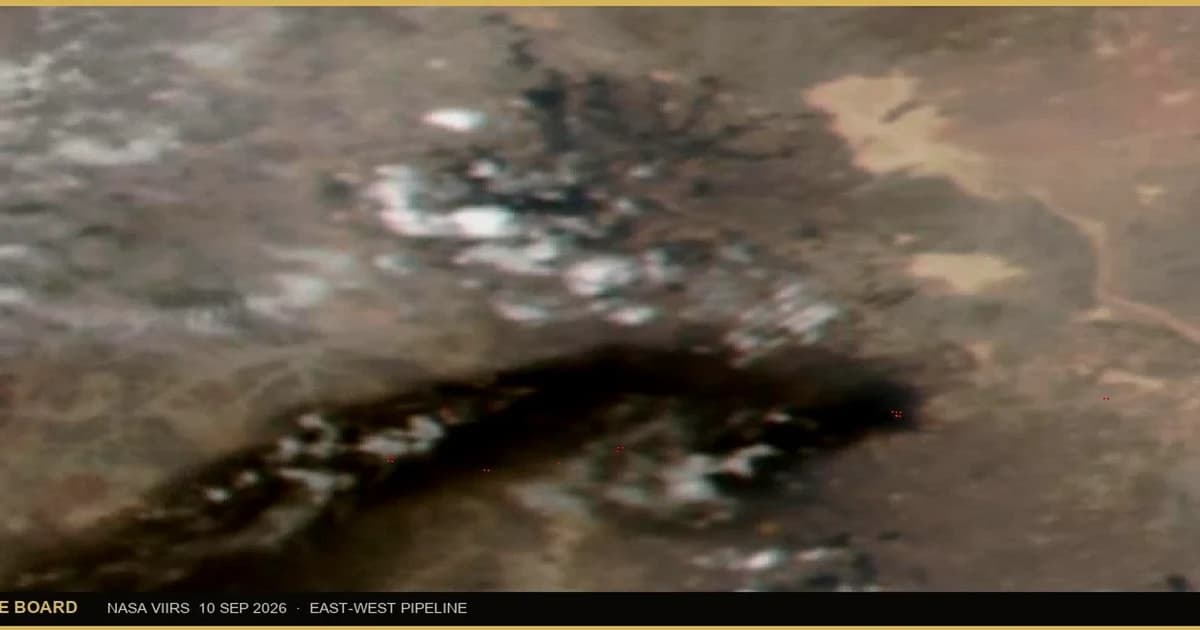
Houthis Take Perim as Saudis Halt Pipeline 2026
Geopolitics · Sep 13, 2026

The Hidden Gold Demand Behind the $6,000 Target
Markets · Sep 17, 2026
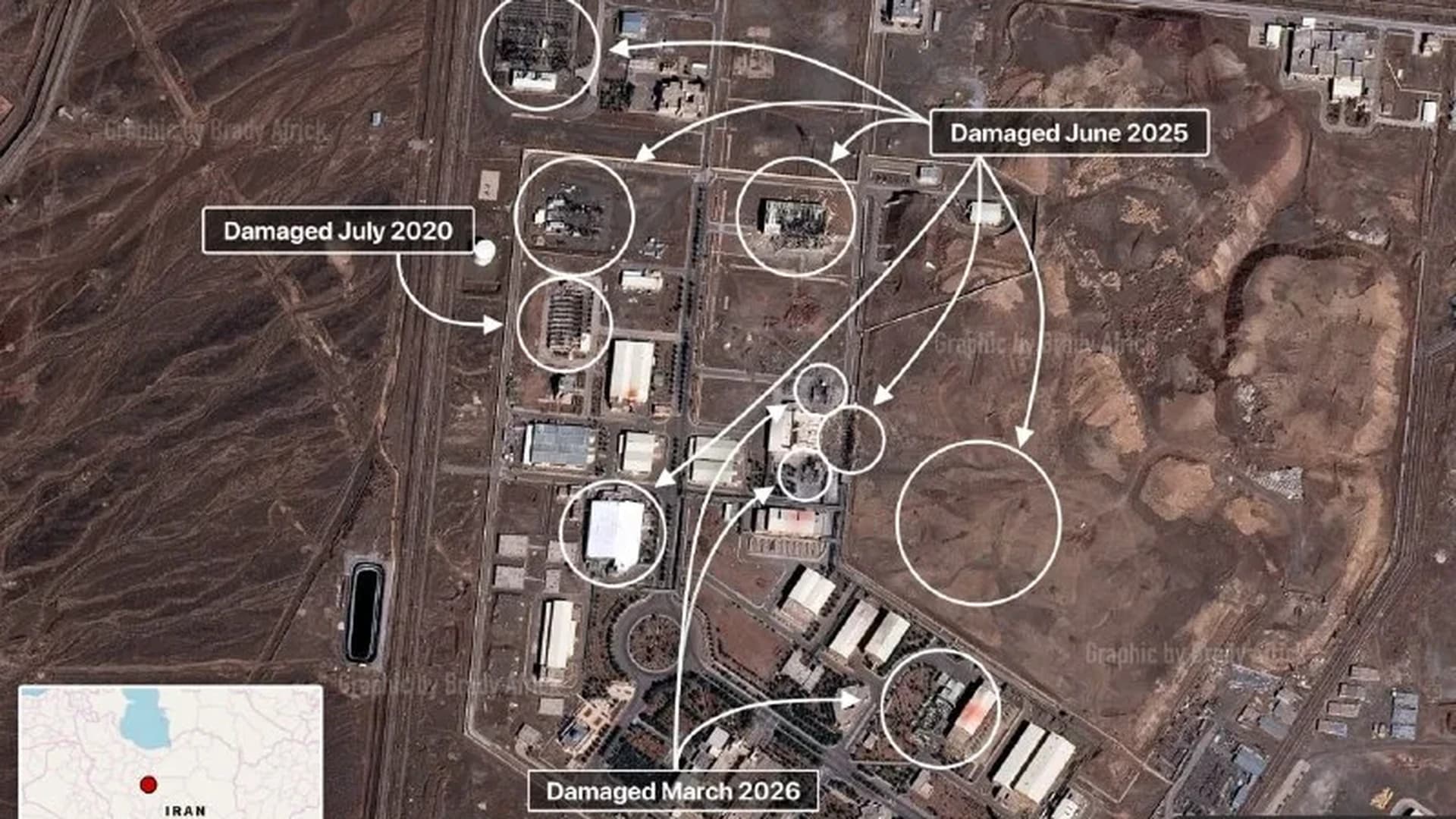
How a Stablecoin Funded Moldova's 2026 Election
Geopolitics · Sep 19, 2026
How CENTCOM Is Brokering an Israel-Saudi Pact
Defense & Security · Sep 19, 2026

Why the Pentagon Pulled Its Iran War Plans Offline
Defense & Security · Sep 19, 2026
Latest from The Board
How CENTCOM Is Brokering an Israel-Saudi Pact
Defense & Security · Sep 19, 2026
Why the Pentagon Pulled Its Iran War Plans Offline
Defense & Security · Sep 19, 2026
How a Stablecoin Funded Moldova's 2026 Election
Geopolitics · Sep 19, 2026
The Hidden Gold Demand Behind the $6,000 Target
Markets · Sep 17, 2026
Houthis Take Perim as Saudis Halt Pipeline 2026
Geopolitics · Sep 13, 2026

Epstein Intelligence Ties: Evidence vs Allegation in 2026
Policy & Intelligence · Sep 6, 2026
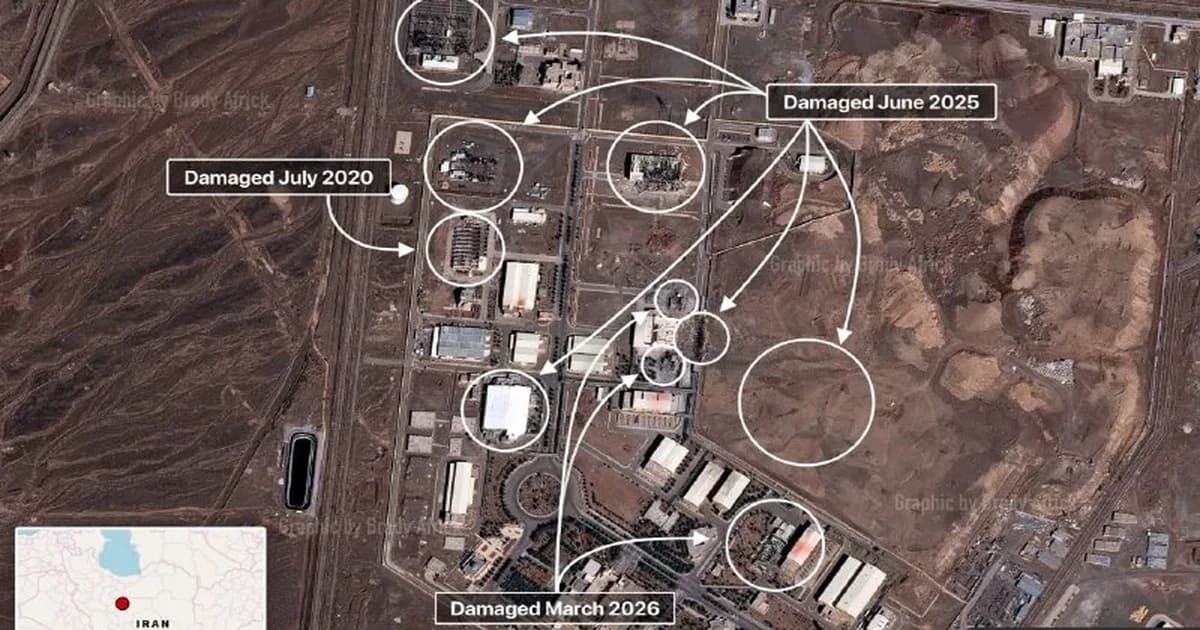
What Israel-Iran War Games Got Wrong About 2026
Defense & Security · Sep 6, 2026

Central Banks Turned Gold Sellers. One Country Did It.
Markets · Aug 30, 2026