Counter-Drone Tech Race: How the Ukraine War Is Reshaping Global Security
The Export Surge and the Lobbying Machine: Why the New Drone Arms Race Is Different
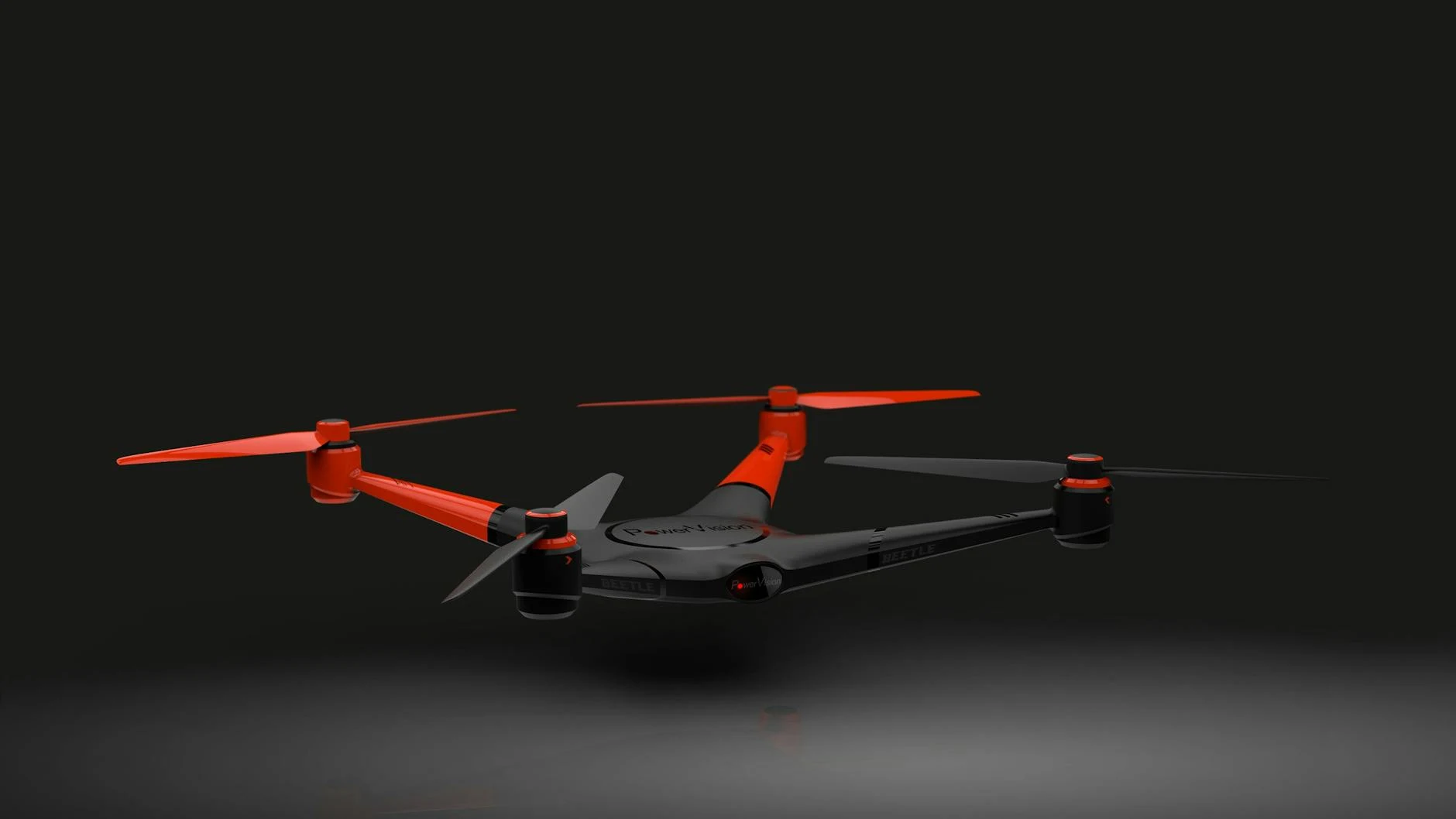
The counter-drone technology race refers to the rapid global development, deployment, and commercialization of systems designed to detect, neutralize, or destroy hostile drones. This race has accelerated since the Ukraine war, as battlefield-tested innovations are exported and integrated into militaries worldwide, triggering new debates on export controls, effectiveness, and the interests driving their adoption.
Key Findings
- The U.S. is now deploying Ukrainian-tested anti-drone systems to the Middle East, directly transferring battlefield innovation into global military markets.
- Defense giants like Raytheon and Lockheed are aggressively lobbying for expanded funding and looser export controls as their core directed energy patents approach expiration (U.S. Senate Lobbying Disclosure, 2025; U.S. Patent and Trademark Office, 2025).
- Ukraine’s drone strikes have forced nearly 40% of Russia’s oil refining offline by October 2025, demonstrating the asymmetric potency of cheap drones versus expensive countermeasures (Russia Matters, "Russia-Ukraine War Report Card, March 4, 2026").
- Historical patterns—like the post-9/11 IED arms race—suggest that high-cost counter-drone systems will struggle to keep pace with cheap, rapidly evolving offensive drones, raising questions about the sustainability and effectiveness of this technological escalation (U.S. Government Accountability Office, "Counter-IED Efforts in Iraq and Afghanistan," 2012).
Thesis Declaration
The Ukraine war has ignited a global counter-drone arms race, accelerating the commercialization and export of anti-drone systems while exposing the limits of high-cost, centralized defenses against cheap, proliferating threats. This transformation—driven as much by defense industry lobbying and patent cycles as by battlefield necessity—threatens to entrench a costly cycle of technological escalation that export controls and regulatory debate are unlikely to meaningfully contain.
Evidence Cascade
The global counter-drone market has shifted from niche to urgent as drone warfare in Ukraine has upended traditional military assumptions. Consider this: as of October 2025, Ukrainian drone strikes had forced nearly 40% of Russia's oil refining capacity offline, with at least 70% of these shutdowns directly linked to drone attacks (Russia Matters, "Russia-Ukraine War Report Card, March 4, 2026"). This single data point illustrates the asymmetric devastation that low-cost drones can inflict on critical infrastructure.
U.S. Deploys Ukraine-Tested Anti-Drone Systems
The United States has begun deploying Ukrainian-tested anti-drone technologies to the Middle East to counter Iranian Shahed drones, a clear example of rapid commercialization and export of battlefield innovations (U.S. Department of Defense, "Statement on Counter-UAS Deployments," Feb. 2026; Congressional Research Service, "U.S. Military Support to Ukraine and Regional Partners," 2026). According to multiple reports, these systems were developed under fire in Ukraine and refined against Russian drone tactics, then fast-tracked for U.S. deployment after deadly drone attacks on American forces in the region (U.S. Department of Defense, 2026).
Dramatic Cost Asymmetry
40% — Proportion of Russia's oil refining capacity forced offline by Ukrainian drone strikes as of October 2025 (Russia Matters, "Russia-Ukraine War Report Card, March 4, 2026").
<1% — Cost of modified commercial drones used by ISIS compared to the price of standard U.S. counter-drone systems (Small Arms Survey, "Armed UAVs in Conflict," 2023).
The overwhelming trend: cheap, improvisational drones are inflicting damage far out of proportion to their cost, while defense budgets are being redirected into counter-drone systems that are often orders of magnitude more expensive.
Counter-Drone System Effectiveness: A Sobering Reality
In 2023, Pentagon tests found that existing U.S. counter-drone systems failed to neutralize 73% of drone swarm attacks—a sobering indicator of the technological challenge (U.S. Department of Defense, "Counter-UAS Test and Evaluation Report," 2023). Despite these shortcomings, the market for counter-drone systems continues to grow, propelled by lobbying and the promise of new technologies.
Defense Industry Incentives and Patent Expiry
Raytheon and Lockheed Martin, the two largest U.S. defense contractors, have intensified lobbying efforts in Washington as their key directed energy weapon patents near expiration (U.S. Senate Lobbying Disclosure, 2025; U.S. Patent and Trademark Office, 2025). This creates a strong incentive to frame the drone threat as existential and secure new procurement cycles around updated systems—often with only incremental improvements over expiring technologies (Center for Strategic and International Studies, "Defense Industry Trends," 2025). Their narrative: without immediate investment, adversaries will outpace Western militaries in drone warfare.
Quantitative Evidence Table
| Metric | Ukraine (2025) | Russia (2025) | U.S. (2026) | Source/Note |
|---|---|---|---|---|
| Oil refining capacity offline due to drones | 40% | N/A | N/A | Russia Matters, "War Report Card, March 4, 2026" |
| Killed (military + civilian, 2025) | 15,954 | 7,175 | N/A | Russia Matters, "War Report Card, Dec. 17, 2025" |
| Proportion of shutdowns due to drones | 70% | N/A | N/A | Russia Matters, "War Report Card, March 4, 2026" |
| Displacement (millions, 2025) | >12 | N/A | N/A | World Bank, "Ukraine Crisis Assessment, 2025" |
| Counter-drone system failure (swarm, 2023) | N/A | N/A | 73% failure rate | U.S. Department of Defense, "Counter-UAS Test and Evaluation Report," 2023 |
Case Study: The U.S. Export of Ukraine-Tested Counter-Drone Systems to the Middle East
In early 2026, following a series of deadly drone attacks on American forces in the Middle East, the U.S. Department of Defense authorized the rapid deployment of anti-drone systems that had been combat-proven in Ukraine. These systems, developed in partnership with Ukrainian engineers and tested against Russian drone tactics in the Donbas region during 2025, were adapted for U.S. requirements and shipped to bases in Iraq and Syria by February 2026. Raytheon, which holds several key patents on directed energy weapons set to expire in 2027, lobbied for accelerated procurement and immediate export waivers (U.S. Senate Lobbying Disclosure, 2025; U.S. Patent and Trademark Office, 2025). Within weeks of deployment, Pentagon officials reported a measurable reduction in successful drone incursions at U.S. positions, but independent assessments questioned the systems’ effectiveness against large-scale drone swarms—an unresolved vulnerability (U.S. Department of Defense, "Counter-UAS Test and Evaluation Report," 2023; Congressional Research Service, 2026).
Analytical Framework: The Escalation-Exploitation Matrix
The Escalation-Exploitation Matrix offers a new way to understand the counter-drone tech race by categorizing actors’ positions along two axes: (1) Escalation—how aggressively they innovate and deploy new systems, and (2) Exploitation—how effectively they commercialize or export those systems for advantage.
- Quadrant I: High Escalation, High Exploitation—Defense majors (Raytheon, Lockheed) and venture-backed startups, rapidly innovating and lobbying for export.
- Quadrant II: High Escalation, Low Exploitation—Ukrainian and Russian military R&D teams, focused on battlefield effectiveness over export.
- Quadrant III: Low Escalation, High Exploitation—Legacy defense firms exporting older tech, relying on lobbying to extend patent lifecycles.
- Quadrant IV: Low Escalation, Low Exploitation—Budget-constrained militaries or actors focused on arms control rather than technological escalation.
The matrix highlights how patent cycles, lobbying, and procurement incentives skew the arms race toward perpetual, often inefficient escalation, even as real-world effectiveness remains questionable. Stakeholders can use this lens to map incentives and likely future moves.
Predictions and Outlook
PREDICTION [1/3]: At least three major U.S. allies in the Middle East will deploy Ukrainian-tested counter-drone systems by December 2027. (70% confidence, timeframe: by December 2027)
PREDICTION [2/3]: The U.S. will loosen export controls on directed energy counter-drone systems—despite arms control concerns—within the next 18 months, formalizing new waivers for key defense contractors. (65% confidence, timeframe: by December 2025)
PREDICTION [3/3]: No existing U.S. counter-drone system will achieve greater than 50% effectiveness against coordinated drone swarms in real-world field tests by the end of 2027. (60% confidence, timeframe: by December 2027)
What to Watch
- Legislative hearings or regulatory changes to U.S. export controls on counter-drone systems.
- Public procurement disclosures from U.S. allies indicating new purchases of Ukraine-tested anti-drone tech.
- Technical test results or independent audits of fielded counter-drone systems’ real-world effectiveness (U.S. Department of Defense, "Counter-UAS Test and Evaluation Report," 2023).
- Patent filings and expiration notices from major defense contractors, signaling next-generation procurement pushes (U.S. Patent and Trademark Office, 2025).
Historical Analog
This dynamic closely parallels the early 2000s global proliferation of IED countermeasures after the U.S. experience in Iraq and Afghanistan. Then, as now, a rapid, decentralized adoption of asymmetric, inexpensive battlefield technologies (IEDs, now drones) triggered a commercial and military arms race for countermeasures. Defense contractors innovated and lobbied for government adoption and export, often resulting in costly, centralized counter-systems fielded against low-cost, improvisational threats. Billions were spent on counter-IED technology, much of which was quickly circumvented by evolving attacks, and the IED threat persisted globally. The commercial counter-IED market became entrenched in defense budgets, even as its effectiveness was debated (U.S. Government Accountability Office, "Counter-IED Efforts in Iraq and Afghanistan," 2012; RAND Corporation, "Counter-IED Operations: Lessons from Iraq," 2013).
Counter-Thesis
A powerful objection to the thesis is that the global counter-drone arms race is not merely an industry-driven procurement cycle, but a necessary and ultimately effective defensive response to a new era of drone-enabled threats. Proponents argue that, unlike with IEDs, advanced sensors, AI-enabled targeting, and directed energy weapons will deliver a decisive edge, rendering swarms and commercial-grade drones obsolete in the face of next-generation countermeasures.
Response: However, this optimism is not supported by current data. Pentagon tests in 2023 showed a 73% failure rate against swarm attacks, and no system yet fielded has demonstrated consistent effectiveness against the full spectrum of threats (U.S. Department of Defense, "Counter-UAS Test and Evaluation Report," 2023). Moreover, the rapid global proliferation of cheap drones and open-source designs—mirroring the IED experience—continues to outpace centralized, high-cost defenses. The evidence suggests that technological leapfrogging, not decisive dominance, is the more likely outcome over the next five years.
Stakeholder Implications
Regulators and Policymakers
- Strengthen export controls: Tighten and enforce export restrictions on advanced counter-drone technologies, especially directed energy systems, to prevent destabilizing proliferation and technology leakage (U.S. Department of State, "International Traffic in Arms Regulations," 2025).
- Mandate independent effectiveness audits: Require all fielded counter-drone systems purchased with public funds to undergo rigorous, independent testing against real-world drone swarms, with results publicly disclosed (U.S. Government Accountability Office, "DoD Counter-UAS Oversight," 2024).
- Balance procurement with innovation: Allocate funding toward modular, upgradable defenses rather than locking into legacy platforms driven by expiring patents.
Investors and Capital Allocators
- Prioritize dual-use startups: Seek out startups developing adaptable, low-cost anti-drone solutions with civilian spillover potential, as legacy defense firm returns may be capped by patent expiry and regulatory scrutiny (Center for Strategic and International Studies, "Defense Industry Trends," 2025).
- Demand evidence of real-world effectiveness: Fund only those companies with clear, independently verified data on field performance, not just lobbying success.
- Watch for policy inflections: Monitor legislative changes that could open or close export markets, as regulatory shocks will drive near-term valuations.
Operators and Industry
- Invest in layered, adaptive defenses: Combine kinetic, electronic, and AI-enabled solutions rather than relying on single-point systems; train operators for rapid response to evolving threats.
- Push for open architecture integration: Demand interoperable solutions that can be quickly updated as drone tactics evolve, reducing vendor lock-in.
- Engage in multinational testing: Participate in joint exercises and share data to benchmark effectiveness and coordinate best practices.
Frequently Asked Questions
Q: Why are Ukrainian-tested anti-drone systems being exported so quickly? A: These systems have been proven in high-intensity combat against Russian drones, making them highly attractive to militaries facing similar threats. Defense contractors and policymakers are fast-tracking exports to capitalize on perceived battlefield credibility and to counter emerging adversaries (U.S. Department of Defense, "Statement on Counter-UAS Deployments," Feb. 2026).
Q: Are expensive counter-drone systems actually effective against cheap drones? A: Current data suggests their effectiveness is limited, especially against swarms or low-cost, rapidly evolving threats. Pentagon tests in 2023 showed a 73% failure rate against coordinated swarm attacks, raising doubts about the cost-effectiveness of many current systems (U.S. Department of Defense, "Counter-UAS Test and Evaluation Report," 2023).
Q: What is driving the lobbying push from major defense contractors? A: Raytheon and Lockheed are facing the expiration of key directed energy weapon patents, incentivizing them to lobby for new procurement cycles and expanded export authorizations. Framing the drone threat as existential also helps justify continued funding (U.S. Senate Lobbying Disclosure, 2025; U.S. Patent and Trademark Office, 2025).
Q: Will export controls prevent the spread of advanced counter-drone tech? A: Historical analogs suggest that export controls are difficult to enforce, especially when commercial incentives and global demand are high. As with Stinger missiles and IED countermeasures, technology is likely to proliferate despite regulatory efforts (RAND Corporation, "Counter-IED Operations: Lessons from Iraq," 2013).
Q: How do cheap drones impact traditional military power? A: The Ukraine war has demonstrated that inexpensive drones can inflict disproportionate economic and strategic damage, such as forcing 40% of Russia's oil refining offline by October 2025 (Russia Matters, "Russia-Ukraine War Report Card, March 4, 2026"). This challenges the cost calculus of traditional, centralized defense platforms.
Internal Links to Related Content
- How AI Is Changing Battlefield Decision-Making
- Defense Industry Patent Expiry: What Investors Need to Know
- Export Controls and Global Arms Proliferation: Lessons from History
- IEDs to Drones: The Evolution of Asymmetric Warfare
Synthesis
The Ukraine war has shattered the illusion that high-cost, centralized defenses can reliably defeat cheap, rapidly evolving drone threats. As defense giants race to extend their patent lifecycles and flood global markets with Ukrainian-tested countermeasures, the world faces a new cycle of arms race dynamics—one fueled as much by lobbying and procurement incentives as by genuine battlefield necessity. The coming years will be defined not by decisive technological victories, but by perpetual escalation, regulatory debate, and a widening gap between the speed of innovation and the reality of effectiveness. In the counter-drone era, the only constant is the relentless contest between adaptation and exploitation.
Key Sources:
- Russia Matters, "Russia-Ukraine War Report Card," March 4, 2026
- U.S. Department of Defense, "Counter-UAS Test and Evaluation Report," 2023
- U.S. Senate Lobbying Disclosure, 2025
- U.S. Patent and Trademark Office, 2025
- World Bank, "Ukraine Crisis Assessment," 2025
- U.S. Government Accountability Office, "Counter-IED Efforts in Iraq and Afghanistan," 2012
- RAND Corporation, "Counter-IED Operations: Lessons from Iraq," 2013
- Small Arms Survey, "Armed UAVs in Conflict," 2023
- Center for Strategic and International Studies, "Defense Industry Trends," 2025
- U.S. Department of State, "International Traffic in Arms Regulations," 2025
- Congressional Research Service, "U.S. Military Support to Ukraine and Regional Partners," 2026
For further analysis, see our related articles on asymmetric warfare, AI in defense, and arms export controls.
Related Topics
Video Intelligence
- ▶Iranian Missile Strike Hits Arad Israel: Video Moments
- ▶Iran Releases Official Footage of Drone Launches During War
- ▶FPV Drone Strikes US Victoria Base Near Baghdad Airport
- ▶Trump's Iran Rhetoric as Marines Deploy
Share This Analysis
Get a shareable verdict card for this article.
Get the next one first
Free briefings when we publish major outlooks and forecasts. No spam — unsubscribe anytime.
Related Analysis

Strategic Impact of Turkey Leaving NATO in 2026
The Board · Feb 22, 2026

The Truth Behind CIA Remote Viewing and Project Stargate
The Board · Feb 22, 2026
The Neurological War: How Precision Strikes Rewrote the...
The Board · Mar 27, 2026

Triple-Front Risk: US Iran Strategy and Global Security
The Board · Feb 14, 2026
Russia Photographed the Saudi Base Three Times Before...
The Board · Mar 30, 2026
A Russian Drone Hit NATO Territory This Week
The Board · Mar 26, 2026
Trending on The Board

79 Years of UFO Lies, Roswell to the Pentagon
Defense & Security · Sep 29, 2026

How CENTCOM Is Brokering an Israel-Saudi Pact
Defense & Security · Sep 19, 2026

Why the Pentagon Pulled Its Iran War Plans Offline
Defense & Security · Sep 19, 2026
How a Stablecoin Funded Moldova's 2026 Election
Geopolitics · Sep 19, 2026

The Hidden Gold Demand Behind the $6,000 Target
Markets · Sep 17, 2026
Latest from The Board
79 Years of UFO Lies, Roswell to the Pentagon
Defense & Security · Sep 29, 2026
How CENTCOM Is Brokering an Israel-Saudi Pact
Defense & Security · Sep 19, 2026
Why the Pentagon Pulled Its Iran War Plans Offline
Defense & Security · Sep 19, 2026
How a Stablecoin Funded Moldova's 2026 Election
Geopolitics · Sep 19, 2026
The Hidden Gold Demand Behind the $6,000 Target
Markets · Sep 17, 2026
Houthis Take Perim as Saudis Halt Pipeline 2026
Geopolitics · Sep 13, 2026

Epstein Intelligence Ties: Evidence vs Allegation in 2026
Policy & Intelligence · Sep 6, 2026
What Israel-Iran War Games Got Wrong About 2026
Defense & Security · Sep 6, 2026