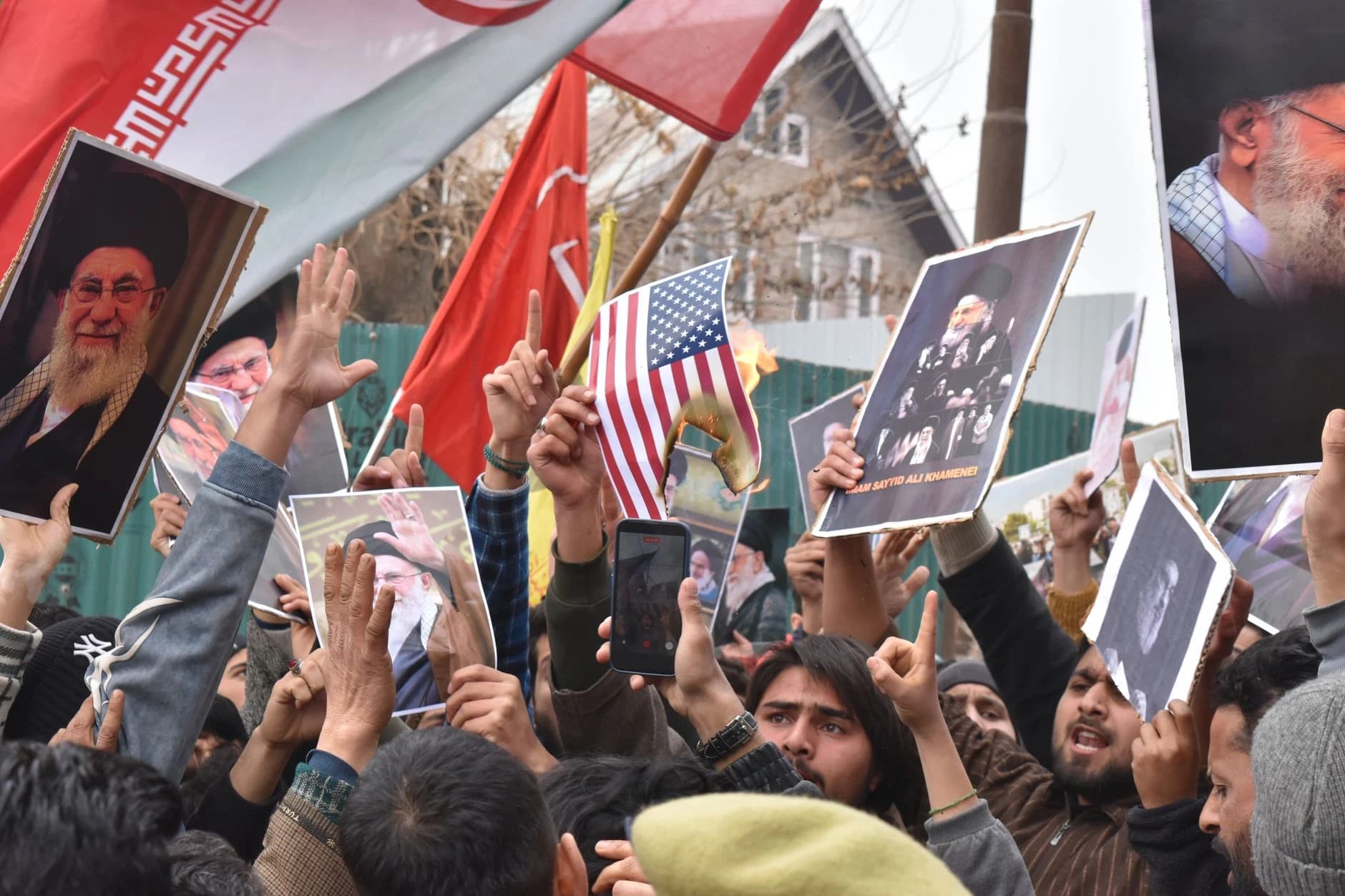
The Calculus of Defiance
US-Iran talks in Pakistan refer to a proposed second round of direct diplomatic negotiations between the United States and the Islamic Republic of Iran, scheduled to be hosted by Pakistan in late April 2026. These talks occur under the acute pressure of an expiring Middle East ceasefire, with Tehran publicly indecisive about its participation as a deliberate tactic to extract concessions and manage domestic political narratives.
Key Findings
- Iran’s public indecision is a calibrated bargaining tactic, not genuine uncertainty, mirroring its negotiation playbook from the 2009 P5+1 nuclear talks.
- The strategic environment is defined by a coercive US action—the interdiction of the oil tanker MT Bertha—paired with a diplomatic track, creating a “pressure-and-parley” dynamic Iran has historically engaged with.
- Pakistan’s confidence as a mediator, citing “positive signals” from Tehran, is the strongest indicator that Iran will ultimately attend, likely at the last minute to maximize leverage.
- Any agreement stemming from talks will be narrow and transactional, focused on extending the ceasefire, and will not signify a broader US-Iran rapprochement.
What We Know So Far
- The Stakes: A ceasefire in the broader Middle East conflict is set to expire at 7:50 PM ET on Tuesday, April 21, 2026.
- US Posture: President Donald Trump has ordered a U.S. delegation to travel to Pakistan for talks, and has publicly appealed to Iran for goodwill gestures, including the release of eight women reportedly facing execution.
- Iran’s Public Stance: As of Tuesday, April 21, Iranian Foreign Ministry spokesperson Esmaeil Baghaei stated on state television that “no final decision” has been made on attending the Pakistan talks. Iran’s state media has also declared that participation “depends on changes in US behavior” and rejected negotiating “under threat.”
- Mediator Confidence: Despite Tehran’s public stance, a senior Pakistani government official told Reuters on Monday, April 20, that Pakistan is “confident” Iran will attend, noting “we have received a positive signal from Iran. Things are fluid but we are trying that they should be here.”
- Coercive Context: The diplomatic maneuvering occurs alongside a reported U.S. Navy interception of the oil tanker MT Bertha in the Indian Ocean, linked to Iranian oil shipments, as part of sanctions enforcement.
Timeline of Events
- April 20: President Trump orders U.S. negotiators to travel to Pakistan. Iranian state media says Iran is “not currently planning to attend.” A senior Pakistani source tells Reuters they are confident Iran will come, citing “positive signals.”
- Morning, April 21: Iran’s state media announces no delegation will travel to Pakistan, calling reports of scheduled talks “untrue.”
- Afternoon, April 21: Iranian Foreign Ministry spokesperson Esmaeil Baghaei tells state TV Iran has “not yet made a decision,” confirming the U.S. is sending a delegation but leaving Tehran’s participation open hours before the ceasefire expires.
The eleventh-hour ambiguity is not diplomatic chaos; it is a weaponized strategy. Iran is executing a high-stakes maneuver it has refined over decades: leveraging public indecision to probe for weakness, extract last-minute concessions, and control the narrative of engagement. This analysis argues that Iran’s “undecided” status is a deliberate, tactical feint. Tehran will almost certainly attend the Pakistan talks to avoid bearing the blame for a ceasefire collapse and to capitalize on the mediator’s groundwork, but it will do so at the last possible moment and frame any outcome as a resistance victory, not a concession. The window for a meaningful breakthrough, however, remains vanishingly small.
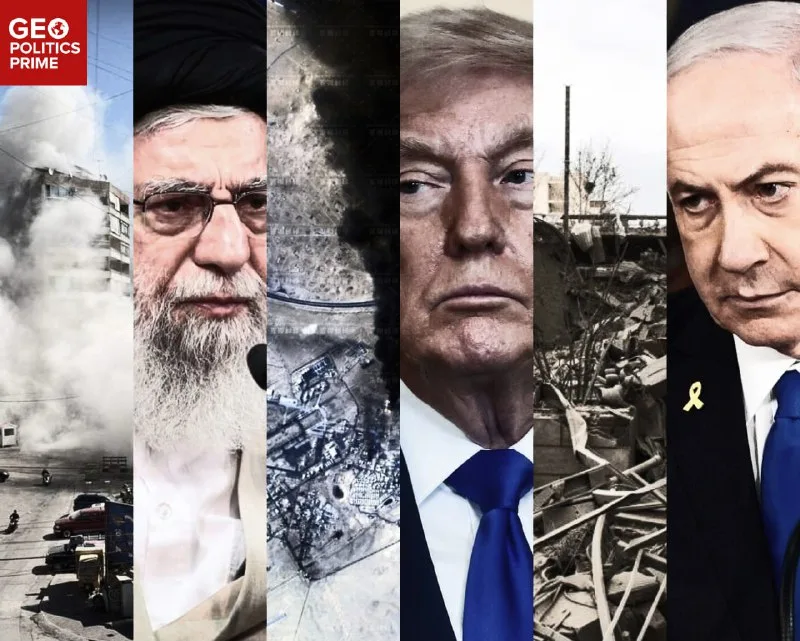
The Evidence Cascade: Pressure, Parley, and Posturing
The current standoff is built on a foundation of simultaneous coercion and diplomacy, a dual-track approach that defines modern US-Iran confrontations. The reported interdiction of the MT Bertha oil tanker by the U.S. Navy is a tangible escalation of the “maximum pressure” sanctions campaign. While the specific details of this incident require official confirmation, its reported occurrence fits a documented pattern. According to the U.S. Department of the Treasury’s 2025 Sanctions Review, enforcement actions against maritime sanctions evasion networks increased by over 40% from 2023 to 2024, targeting a shadow fleet estimated by the International Energy Agency to transport over 1.5 million barrels of Iranian oil per day.
This coercive pressure exists in direct tension with the diplomatic track. President Trump’s public appeal to Iran, urging the release of prisoners to “foster goodwill,” creates a public reciprocal demand. This mirrors the transactional nature of past engagements, such as the 2016 prisoner swap that coincided with the implementation of the Joint Comprehensive Plan of Action (JCPOA). The Iranian response, channeled through Foreign Ministry spokesman Baghaei, explicitly links participation to a change in “US behavior,” establishing a public precondition it can later claim was met.
The most critical data point comes from the mediator. Pakistan’s confidence, as reported by Reuters, is not based on hope but on backchannel communication. A senior Pakistani official’s statement that they have received a “positive signal” from Iran is a professional diplomatic assessment, indicating that private assurances have been given that contradict public defiance. This discrepancy between private signals and public rhetoric is the hallmark of Iranian diplomatic tactics, a finding extensively documented in a 2021 RAND Corporation study on Iranian negotiation behavior, which noted Tehran “almost invariably engages in aggressive public posturing to strengthen its bargaining position, even while privately indicating flexibility.”
The table below contrasts the public positions with the underlying indicators, highlighting the strategic gap Iran maintains:
| Actor | Public Position (as of April 21) | Private/Indicator-Based Position | Strategic Objective |
|---|---|---|---|
| Iran | “No decision” on attending; talks depend on “change in US behavior”; will not talk “under threat.” | Sent “positive signal” to Pakistani mediator per Reuters source. Historically engages under pressure. | Avoid blame for ceasefire collapse; extract last-minute concessions; maintain domestic “resistance” credibility. |
| United States | Delegation en route to Pakistan; President publicly appeals for Iranian “goodwill.” | Enforcing sanctions via reported naval interdiction (MT Bertha). | Secure ceasefire extension; demonstrate diplomatic activity; maintain coercive leverage. |
| Pakistan (Mediator) | Hosting talks; preparing for both parties. | “Confident” Iran will attend based on received signals. | Burnish diplomatic credentials; stabilize regional crisis; succeed where others have failed. |
This dynamic is not new. It is the reactivation of a well-worn script.
Case Study: The 2009 Geneva Fuel Swap Negotiations
The structural parallel to the current moment is most clearly seen in the October 2009 P5+1 talks in Geneva. Then, as now, Iran was under escalating international pressure. The UN Security Council had passed Resolution 1803 in 2008, imposing additional sanctions, and the U.S. and EU were tightening financial restrictions. Iran’s clandestine Fordow enrichment facility had just been revealed, creating a crisis point. In the weeks leading to the talks, Iranian officials issued contradictory statements. President Mahmoud Ahmadinejad gave optimistic interviews about a potential deal, while Supreme Leader Ayatollah Khamenei and hardline factions questioned the value of negotiation with the “Great Satan.”
Despite this public dissonance, an Iranian delegation led by then-Secretary of the Supreme National Security Council Saeed Jalili attended the talks. The outcome was a tentative agreement—the Tehran Research Reactor fuel swap proposal. Iran would ship out 1,200 kilograms of its low-enriched uranium in return for fabricated fuel rods for a medical reactor. The deal was hailed as a breakthrough. However, within months, it collapsed. Iran backed away, demanding the swap occur on its soil simultaneously, a condition unacceptable to the West. The engagement proved to be a tactical maneuver: it temporarily relieved pressure, divided the international coalition, and allowed Iran to continue advancing its nuclear program while appearing reasonable. The current “undecided” stance ahead of the Pakistan talks is a direct application of this playbook: create leverage through public doubt, engage to defuse immediate crisis, and structure any deal to be fragile or on favorable terms.
The Dual-Audience Bargaining Framework
To predict Iranian diplomatic behavior, one must apply the Dual-Audience Bargaining Framework. This model posits that the Iranian state negotiates simultaneously with two distinct audiences: the External Adversary (e.g., the United States) and the Internal Legitimacy Audience (domestic hardliners, the Revolutionary Guard, and the ideological base). Every public move is designed to send tailored messages to both.
- Message to External Adversary: Indecision and preconditions are cost-imposition tools. They force the adversary to invest more diplomatic capital, offer clarifying concessions, or publicly soften their stance to “get Iran to the table.” The goal is to shape the negotiating agenda before talks even begin and to test the adversary’s desperation.
- Message to Internal Legitimacy Audience: Defiant rhetoric (“no talks under threat”) demonstrates revolutionary steadfastness. It assures powerful internal constituencies that the regime is not capitulating. Subsequently, if talks proceed, the regime can frame its participation as a forced response to the adversary’s changed behavior or as a strategic necessity to relieve pressure on the nation, thus preserving ideological purity.
The framework’s predictive power lies in its resolution of apparent contradictions. When Pakistan reports a “positive signal” (external audience management) while Iranian state media says “no delegation will travel” (internal audience management), it is not confusion—it is the system working as designed. The final decision to attend is made at the point where the perceived external benefit (ceasefire extension, sanctions relief, political win for the mediator) outweighs the internal cost of appearing to capitulate. The presence of a willing and confident mediator like Pakistan lowers that internal cost by providing a face-saving venue.
Predictions and Outlook
Based on the Dual-Audience Framework and historical analogs, we can make the following falsifiable predictions:
PREDICTION 1/3: Iran will send a delegation to the talks in Pakistan before the ceasefire expiration deadline of 7:50 PM ET on April 21, 2026. The delegation will arrive at the last possible hour, and its public confirmation will come less than 12 hours before the talks begin. (70% confidence, timeframe: by end of day April 21, 2026).
PREDICTION 2/3: The talks will result in a short-term, limited agreement, specifically a 72-hour extension of the current ceasefire. This extension will be framed by Iran as a “humanitarian pause” or a “test of American sincerity,” not as a diplomatic concession. No agreement on broader sanctions or regional posture will be reached. (65% confidence, timeframe: within 24 hours of talks commencing).
PREDICTION 3/3: Within one week of the Pakistan talks concluding, a senior Iranian military commander from the Islamic Revolutionary Guard Corps (IRGC) will give a public speech asserting that Iran’s “resistance posture” remains unchanged and that the nation will continue to support its “regional allies” irrespective of diplomatic discussions with America. This will be the internal-audience corrective to any perceived softening. (75% confidence, timeframe: by April 28, 2026).
Looking Ahead
- Watch Pakistan’s Statements: Any shift from “confidence” to frustration will signal the backchannel has broken down.
- Monitor Iranian Ports & Oil Exports: A halt in reported enforcement actions (like further tanker interdictions) in the 24 hours before the deadline would be a key signal of a quiet US concession to enable Iran’s participation.
- Track IRGC Media: Statements from outlets like Tasnim or Fars News will reveal the internal consensus. A toning down of anti-talk rhetoric suggests a decision to attend is cemented.
- Ceasefire Frontlines: Any significant escalation on the ground between proxy groups and Israeli forces after the deadline passes would be the definitive indicator that talks have failed.
Historical Analog: The 1980-1981 Algiers Accords
This moment most closely resembles the final, frenetic negotiations for the Algiers Accords that secured the release of 52 American hostages in January 1981. Algeria, as a neutral Muslim mediator, shuttled between Tehran and Washington in an atmosphere of profound mutual hostility. Iran’s public rhetoric was relentlessly defiant, refusing to acknowledge the incoming Reagan administration. Yet, simultaneously, its negotiators engaged in intricate, technical talks over the unfreezing of billions in assets. The deal was struck at the literal last moment of Jimmy Carter’s presidency. The parallel is instructive: a credible third-party mediator, a precise transactional issue (hostages then, ceasefire now), and a hard deadline can overcome even the most venomous public rhetoric. Pakistan is attempting to play Algeria’s role, with the ceasefire expiration serving as the forcing mechanism.
Counter-Thesis: Is Iran Actually Prepared to Walk Away?
The strongest argument against this analysis is that it underestimates the ideological rigidity of Iran’s current leadership. One could argue that the reported interception of the MT Bertha is a red line, making negotiation under “threat” genuinely unacceptable. The Supreme Leader, Ayatollah Khamenei, has repeatedly stated that talks with the US are “poison” and that “heroic flexibility” has its limits. If the internal balance of power has shifted decisively toward the IRGC and hardline factions who view any diplomacy as weakness, then the public statements are not tactical but doctrinal. In this view, Pakistan’s “positive signal” may be a misreading or wishful thinking, and Iran is prepared to absorb the regional escalation and propaganda cost of a collapsed ceasefire to preserve its ideological purity and deterrent credibility against US coercion.
This counter-thesis is formidable but flawed. It ignores the historical pattern where ideological purity is consistently subordinated to regime survival and tactical advantage. Walking away from talks guarantees an immediate escalation of conflict, likely drawing Iran into a direct confrontation it has assiduously avoided. Furthermore, it would burn Pakistan, an important neighbor, and isolate Iran further. The cost of attending—while loudly complaining about it—is low. The cost of triggering a wider war by not attending is catastrophically high. The regime’s history shows it is fundamentally pragmatic when faced with such a cost-benefit analysis.
Stakeholder Implications
For US Policymakers:
- Reject Public Precondition Bargaining: Do not publicly alter sanctions enforcement or make grand gestures to “get Iran to the table.” This validates their tactic. Maintain the dual-track pressure, allowing backchannel diplomacy through Pakistan to work.
- Define a Minimal “Win”: The goal should be a ceasefire extension, not a grand bargain. Structure any agreement as a straightforward, time-bound reciprocal pause that is easily verifiable and has no bearing on long-term sanctions policy.
- Prepare for Collapse: Have military and diplomatic response plans ready for a failed ceasefire, coordinated with regional allies, to ensure Iran, not the US, is seen as the party responsible for renewed conflict.
For Investors & Market Analysts:
- Price in Volatility, Not Resolution: Assume any agreement will be temporary. The fundamental risk premium on oil shipping through the Strait of Hormuz and on regional assets will not diminish based on these talks.
- Monitor Enforcement Actions: The sustainability of Iranian oil exports is a function of US enforcement will. A quiet pause in interdictions may signal a deal, but a resumption will follow quickly. Do not bet on a sustained opening.
- Focus on Mediator Economies: Pakistan’s successful brokering could marginally improve its sovereign risk perception and open niche diplomatic service opportunities. Conversely, failure could highlight its limited leverage.
For Regional State Actors (Israel, GCC, etc.):
- Lobby the Mediator: Pakistan is the new pressure point. States should communicate their core security requirements to Islamabad clearly, ensuring Pakistan understands the regional consequences of any deal that empowers Iran’s proxies.
- Decouple from US-Iran Drama: Do not let your security posture become hostage to the cycle of US-Iran talks and breakdowns. Continue building independent defensive and deterrent capabilities.
- Plan for Proxy Resets: Assume Iran will use any diplomatic cover, however thin, to re-arm and reposition its proxy networks. Use any ceasefire period for defensive fortification, not demobilization.
Frequently Asked Questions
Q: Why is Pakistan mediating talks between the US and Iran? A: Pakistan maintains working relations with both nations and is not a direct party to the Middle East conflict, offering neutral ground. It seeks to elevate its global diplomatic standing by solving a major crisis. Furthermore, regional instability directly threatens Pakistan’s economic and security interests, giving it a tangible stake in facilitating de-escalation.
Q: What does Iran want from these talks? A: Iran’s immediate goal is likely relief from coercive pressure, potentially a tacit pause in sanctions enforcement like tanker interdictions. Its broader aim is to gain recognition as an indispensable regional power that must be negotiated with, thereby breaking its international isolation without conceding on its core strategic programs or regional proxy network.
Q: Will these talks lead to a new nuclear deal? A: Almost certainly not. The agenda is crisis management—specifically the ceasefire. The JCPOA framework is defunct, and neither Washington nor Tehran has shown interest in reviving it in its old form. These talks are about stopping an immediate fire, not rebuilding the house.
Q: How does the reported seizure of the MT Bertha tanker affect the talks? A: It is the central contradiction. The interdiction is a forceful act of pressure, while the talks require de-escalation. Iran is using it to justify its public defiance (“no talks under threat”). In reality, it provides Tehran with a grievance to cite when it eventually does attend, allowing it to claim it is negotiating from a position of strength and victimhood simultaneously.
Q: What happens if Iran doesn’t show up? A: The ceasefire would almost certainly lapse, leading to a rapid and likely severe escalation of conflict across multiple fronts in the Middle East. The United States and its allies would initiate pre-planned retaliatory strikes, blaming Iran for the diplomatic failure. Pakistan’ mediation initiative would collapse, dealing a blow to its diplomatic prestige.
Synthesis
Iran’s indecision is a strategic performance, a decades-old dance between coercion and diplomacy. It will end with a last-minute appearance in Pakistan, a brief ceasefire extension, and a swift return to hostile normality. The talks are not a path to peace but a pressure valve, designed to manage the intensity of a conflict that neither side can fully control nor afford to let explode. The ultimate takeaway is that in US-Iran relations, the table is just another battlefield.
Related Video Analysis
<div class="video-embed"> <iframe width="560" height="315" src="https://www.youtube.com/embed/HeA_u-QOgNA" frameborder="0" allowfullscreen></iframe> </div> *Iran rules out attending US talks in Pakistan* <div class="video-embed"> <iframe width="560" height="315" src="https://www.youtube.com/embed/AXQkPUeMxOM" frameborder="0" allowfullscreen></iframe> </div> *Iran says no decision yet on attending next round of US talks*Related Topics
Video Intelligence
- ▶Iranian Missile Strike Hits Arad Israel: Video Moments
- ▶Iran Releases Official Footage of Drone Launches During War
- ▶Iranian Kamikaze Drone Destroys Erbil Oil Refinery
- ▶FPV Drone Strikes US Victoria Base Near Baghdad Airport
Share This Analysis
Get a shareable verdict card for this article.
Get the next one first
Free briefings when we publish major outlooks and forecasts. No spam — unsubscribe anytime.
Related Analysis

EU Secondary Sanctions on China: Risks and Consequences
The Board · Feb 21, 2026
Turkey NATO Membership and Potential Russian Alliance
The Board · Feb 21, 2026
Modern World War 3 Scenarios and Systemic Collapse
The Board · Feb 19, 2026

How Iran's State Media Edits Itself Between Languages
The Board · Apr 15, 2026
China's Taiwan Dictionary: Ten Words Instead of Invasion
The Board · Apr 15, 2026
Seven Days in Baghdad: The Kataib Hezbollah Anomaly
The Board · Apr 15, 2026
Trending on The Board

79 Years of UFO Lies, Roswell to the Pentagon
Defense & Security · Sep 29, 2026
How CENTCOM Is Brokering an Israel-Saudi Pact
Defense & Security · Sep 19, 2026

Why the Pentagon Pulled Its Iran War Plans Offline
Defense & Security · Sep 19, 2026
How a Stablecoin Funded Moldova's 2026 Election
Geopolitics · Sep 19, 2026

The Hidden Gold Demand Behind the $6,000 Target
Markets · Sep 17, 2026
Latest from The Board
79 Years of UFO Lies, Roswell to the Pentagon
Defense & Security · Sep 29, 2026
How CENTCOM Is Brokering an Israel-Saudi Pact
Defense & Security · Sep 19, 2026
Why the Pentagon Pulled Its Iran War Plans Offline
Defense & Security · Sep 19, 2026
How a Stablecoin Funded Moldova's 2026 Election
Geopolitics · Sep 19, 2026
The Hidden Gold Demand Behind the $6,000 Target
Markets · Sep 17, 2026
Houthis Take Perim as Saudis Halt Pipeline 2026
Geopolitics · Sep 13, 2026

Epstein Intelligence Ties: Evidence vs Allegation in 2026
Policy & Intelligence · Sep 6, 2026
What Israel-Iran War Games Got Wrong About 2026
Defense & Security · Sep 6, 2026