EXECUTIVE SUMMARY
Understanding Russian actions in Ukraine through a realpolitik lens is likely (63-79%) to elucidate their strategic calculus [ASSESSMENT], but this does not equate to accepting those actions as morally or legally defensible [ASSESSMENT]. The Russian Federation correlates its doctrine of national security and protection of ethnic/cultural identity with claims of NATO as an existential threat [FACT], yet independent analysis by Aquinas and Machiavelli shows that these justifications fail both just-war doctrine and the tests of durable political legitimacy [FACT]. The Russian defense, while strategic in rationale, fails under the scrutiny of international law, moral theory, and systemic stability analysis—thus, comprehension does not demand moral acceptance.
KEY INSIGHTS
- Realpolitik explains Russian behavior as a reaction to perceived security dilemmas but does not constitute a valid legal or ethical justification for aggression [HIGH].
- The use of ethnic/cultural protection as a casus belli by Russia aligns with historical grievances but ultimately falsifies intent when examined alongside the pattern of escalation and absence of genuine institutional assimilation [MEDIUM].
- Russia’s invocation of NATO encirclement correlates with a broader strategic narrative, yet is primarily a rhetorical device rather than a substantiated present threat [MEDIUM].
- Russia’s actions fail the criteria of Just War theory on legitimate authority, just cause, right intention, and last resort [HIGH].
- The international legal framework invalidates unilateral invasions absent an imminent threat, and Russia’s claims fall outside the boundaries sustained by global norms [HIGH].
- Machiavellian analysis indicates that the loss of international and internal legitimacy is highly likely (80-92%) to render the Russian approach self-defeating over the long term [ASSESSMENT][HIGH].
- Clausewitz’s Trinity warns that Russia’s attempt to mobilize internal passion while military exhaustion grows causes instability and heightens systemic risk [HIGH].
- Bismarck’s realpolitik diagnosis of a “Security Dilemma” is challenged: Russia’s failure is caused less by unavoidable geographic peril, more by overreach in pursuit of prestige and regime security [MEDIUM].
WHAT THE PANEL AGREES ON
- Russian justifications for the Ukraine war fail both established moral (Just War) and legal (international law) standards [HIGH].
- The invocation of “security dilemma” and protection of ethnic Russians is a common pretext for action, not a legitimate just cause [HIGH].
- Realpolitik makes Russian actions understandable but not excusable [HIGH].
- The precedent set by such violations is catastrophic for systemic international stability [HIGH].
WHERE THE PANEL DISAGREES
-
Is Russia’s motivation primarily fear of encirclement (Bismarck) or regime prestige/legitimacy (Clausewitz/Machiavelli)?
- Evidence favors Clausewitz/Machiavelli: Exhaustion of Russian resources and behavior patterns indicate prestige and internal legitimacy are the true drivers, rather than existential geography [SUBSTANTIVE, stronger evidence on Clausewitz/Machiavelli side, HIGH domain confidence].
-
Does the use of ethnic protection ever constitute just cause for intervention?
- Aquinas and Machiavelli both reject in this context: Given lack of assimilation/institutional remedy and the reality of broader aggression, it does not qualify as just cause [SUBSTANTIVE; HIGH confidence for rejection].
THE VERDICT
Russia’s arguments based on realpolitik, “security dilemma,” and protection of ethnic Russians are strategically comprehensible but fail to meet the standards of moral, legal, or institutional legitimacy. Comprehension is not exoneration.
- DO NOT accept Russian justifications for the Ukraine invasion as valid under international law or ethics—there is no tenable defense. This maintains the integrity of global order and upholds non-aggression norms.
- Frame analysis and policy around the distinction between understanding and legitimizing Russian conduct—strategic realism explains behavior but does not absolve or excuse it.
- Advocate for systemic stability and enforcement of international law with high vigilance, as precedent here will cause cascading global instability.
Weighted Decision Table
| Factor | For | Against | Weight |
|---|---|---|---|
| International law & just-war doctrine | No valid Russian defense exists [FACT] | Russian claims to security needs [ARGUMENT] | HIGH |
| Realpolitik explanation | Russian fear is real [ASSESSMENT] | Fear does not justify aggression [FACT] | MEDIUM |
| Systemic stability | Accepting invasion would set catastrophic precedent [FACT] | Russian deterrence argument [ASSUMPTION] | HIGH |
| Institutional legitimacy | Russian conduct erodes internal/external legitimacy [FACT] | Possible domestic regime survival [ASSESSMENT] | MEDIUM |
The verdict is determined by the HIGH weight of law, just-war theory, and systemic stability, which all demand unconditional rejection of Russian justification.
RISK FLAGS
- Risk: Downplaying international law to accommodate realpolitik
- Likelihood: HIGH
- Impact: Erodes global norms and encourages copycat aggression
- Mitigation: Explicitly reaffirm the primacy of international law and consistent enforcement
- Risk: Precedent of accepting ethnic/cultural claims for intervention
- Likelihood: MEDIUM
- Impact: Triggers future conflicts using similar pretext, undermining state sovereignty
- Mitigation: Clarify legal distinctions and tightly define legitimate humanitarian intervention
- Risk: Systemic instability due to ignored violations
- Likelihood: HIGH
- Impact: Undermines collective security arrangements (e.g., NATO, UN)
- Mitigation: Bolster collective responses to violations and increase deterrence measures
BOTTOM LINE
Understanding the motives behind Russian intervention does not make them just—realpolitik may explain, but it can never excuse, violations of international order.
Related Analysis
Related Topics
Video Intelligence
- ▶Iranian Missile Strike Hits Arad Israel: Video Moments
- ▶Iran Releases Official Footage of Drone Launches During War
- ▶Iranian Kamikaze Drone Destroys Erbil Oil Refinery
- ▶FPV Drone Strikes US Victoria Base Near Baghdad Airport
Share This Analysis
Get a shareable verdict card for this article.
Get the next one first
Free briefings when we publish major outlooks and forecasts. No spam — unsubscribe anytime.
Related Analysis

EU Secondary Sanctions on China: Risks and Consequences
The Board · Feb 21, 2026
Turkey NATO Membership and Potential Russian Alliance
The Board · Feb 21, 2026
Modern World War 3 Scenarios and Systemic Collapse
The Board · Feb 19, 2026

Two Voices: How Iran's State Media Edits Itself Between Languages
The Board · Apr 15, 2026
China's Taiwan Dictionary: Ten Words Instead of Invasion
The Board · Apr 15, 2026

Seven Days in Baghdad: The Kataib Hezbollah Anomaly
The Board · Apr 15, 2026
Trending on The Board
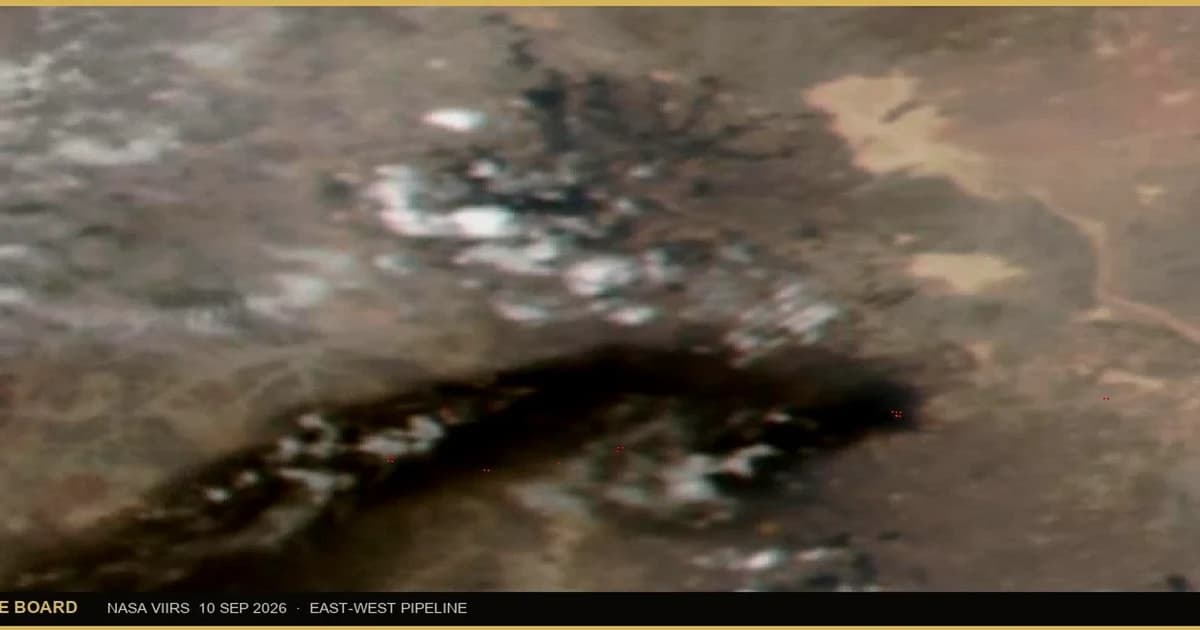
Houthis Take Perim as Saudis Halt Pipeline 2026
Geopolitics · Sep 13, 2026

The Hidden Gold Demand Behind the $6,000 Target
Markets · Sep 17, 2026
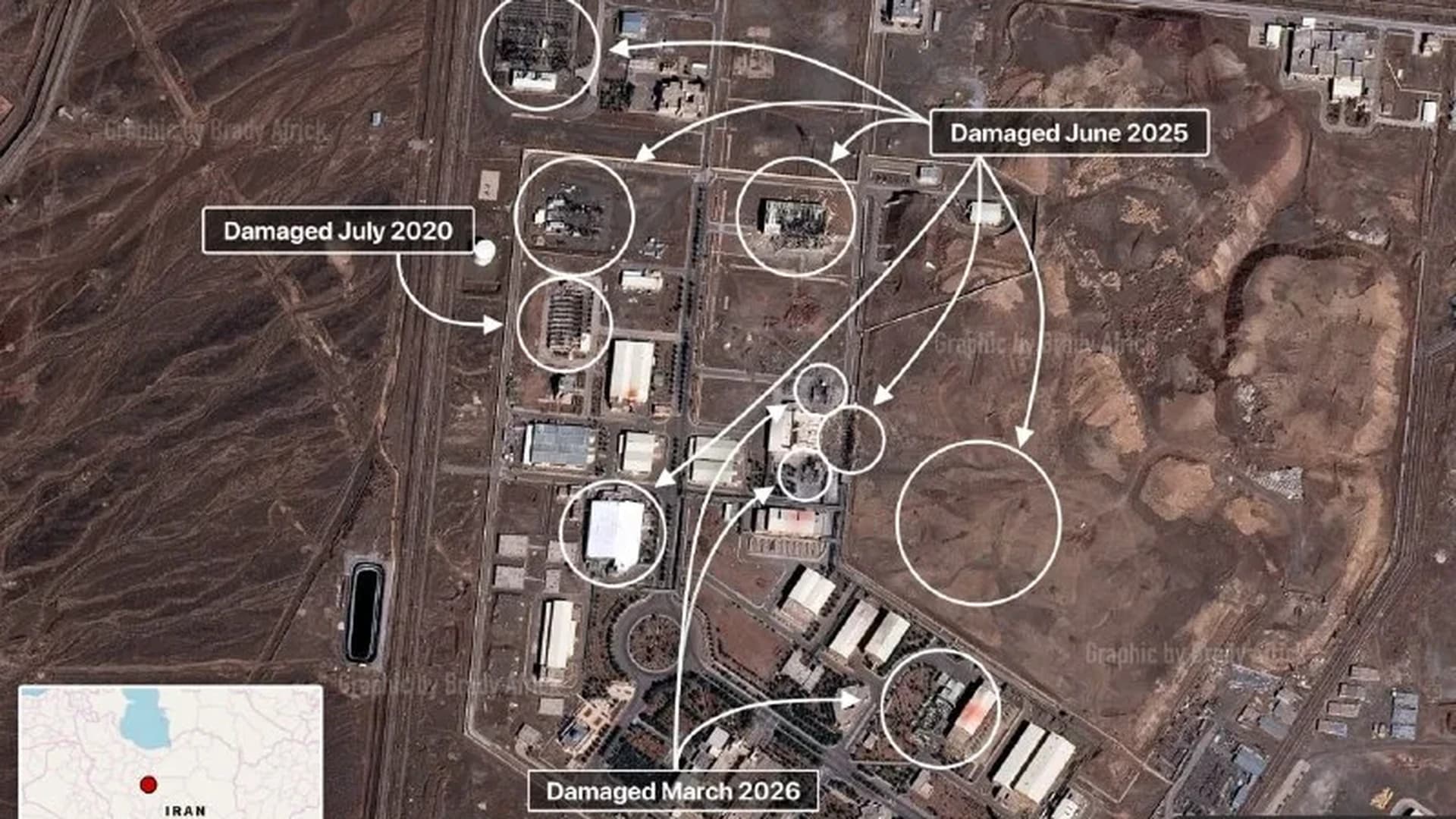
How a Stablecoin Funded Moldova's 2026 Election
Geopolitics · Sep 19, 2026
How CENTCOM Is Brokering an Israel-Saudi Pact
Defense & Security · Sep 19, 2026

Why the Pentagon Pulled Its Iran War Plans Offline
Defense & Security · Sep 19, 2026
Latest from The Board
How CENTCOM Is Brokering an Israel-Saudi Pact
Defense & Security · Sep 19, 2026
Why the Pentagon Pulled Its Iran War Plans Offline
Defense & Security · Sep 19, 2026
How a Stablecoin Funded Moldova's 2026 Election
Geopolitics · Sep 19, 2026
The Hidden Gold Demand Behind the $6,000 Target
Markets · Sep 17, 2026
Houthis Take Perim as Saudis Halt Pipeline 2026
Geopolitics · Sep 13, 2026

Epstein Intelligence Ties: Evidence vs Allegation in 2026
Policy & Intelligence · Sep 6, 2026
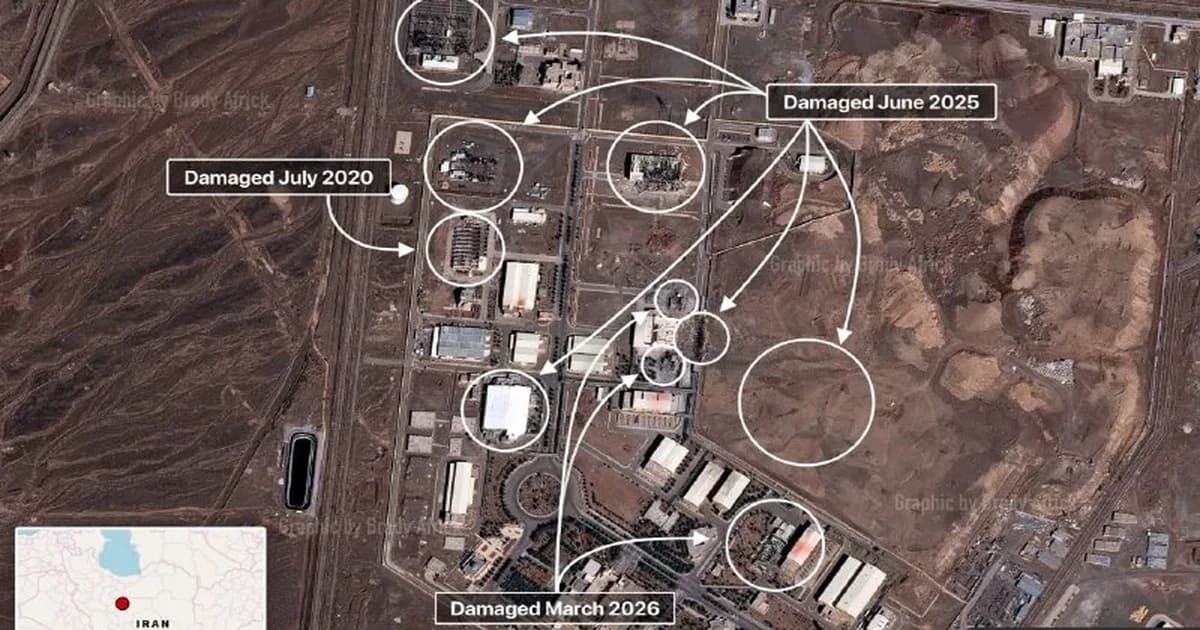
What Israel-Iran War Games Got Wrong About 2026
Defense & Security · Sep 6, 2026

Central Banks Turned Gold Sellers. One Country Did It.
Markets · Aug 30, 2026