
The Deadline That Never Bound Anyone
A "deadline" in Iran-US diplomacy is a rhetorical construct signaling political urgency to domestic and international audiences, not a legally binding mechanism with enforcement power. The 60-day US-Iran memorandum signed June 17, 2026 and expired August 17, 2026 had no international enforcement body, no automatic trigger, and no precedent of past Iran deadlines producing the escalation they promised.
Key Findings
- The June 17-August 17, 2026 US-Iran memorandum deadlocked specifically over Strait of Hormuz management and frozen funds, not over a comprehensive breakdown, and diplomacy accelerated in the days after its expiry rather than collapsing.
- Treasury's August 24 "economic asphyxiation" sanctions package (roughly 60 entities and individuals) and a Pakistani-mediated diplomatic surge in Tehran happened in the same 72-hour window, proving escalation and de-escalation tracks now run in parallel, not sequence.
- Strait of Hormuz daily transits sit near 20% of pre-war average despite a 27% weekly rebound, with more than 80% of traffic rerouted via Oman, the "control" claimed by US officials is contradicted by the shipping data itself.
- Forecasting markets are pricing a delayed, not imminent, resolution: one ceasefire contract has traded over $280 million with a recent $27 million surge, signaling traders expect months, not days.
- Iran's leadership succession, from Ali Khamenei's death to Mojtaba Khamenei's election by the Assembly of Experts, installed a hardline, IRGC-aligned figure precisely when the deadline expired, changing the domestic political calculus more than the battlefield reality.
Thesis
The 60-day deadline is not a structural constraint on this war, it is a narrative device that lets every stakeholder, from Iranian hardliners to Pentagon budget planners, claim urgency they cannot otherwise justify. The actual trajectory of the conflict is being set not by calendar dates but by three slower-moving variables: Hormuz shipping economics, Iran's internal succession politics, and a parallel-track diplomacy that keeps producing technical fixes even as sanctions escalate. Readers should discount "deadline" framing entirely and instead track the three scenarios below, weighted by evidence already on the ground as of August 27, 2026.
Evidence Cascade: What the Deadline Obscures
The framing problem starts with the memorandum itself (full running context in The Board's Iran conflict coverage). It was signed June 17, 2026, and expired August 17, 2026, a 60-day window that deadlocked over exactly two issues: Strait of Hormuz management and access to frozen Iranian funds. That is a narrower failure than "the deal is dead" coverage implies. Two issues stalling does not mean the entire diplomatic architecture collapsed, and the days immediately following the expiry prove it: Pakistan's Field Marshal Asim Munir and Interior Minister Naqvi traveled to Tehran August 24-25, with Naqvi describing "significant progress" toward reviving the so-called Islamabad MoU. Simultaneously, Oman's Foreign Minister al-Busaidi discussed a "phased framework" for the strait directly with Iranian Foreign Minister Araghchi, conversations that produced, by August 26, a concrete Iran-Oman proposal for a temporary joint transit corridor and mine-clearing plan.
That same week, Treasury Secretary Scott Bessent unveiled what his department called an "economic asphyxiation" package on August 24, sanctioning roughly 60 entities and individuals tied to Iranian oil revenue, weapons procurement, and cyber operations, while threatening secondary sanctions on any country that continues trading with Tehran. Iran's security chief responded by threatening to treat sanctions-compliant nations as committing "an act of war." Read those two paragraphs together: sanctions escalation and mediation surge occurred in the same 72-hour window, from the same set of actors, aimed at the same underlying dispute. That is not a deadline collapsing into war. That is brinkmanship and diplomacy running on parallel tracks, exactly as they did throughout the JCPOA negotiation cycle of 2013-2015, when Iran nuclear talks proceeded through multiple missed and extended deadlines while sanctions pressure and hardline rhetoric escalated alongside active diplomatic channels, ultimately producing a phased, technical agreement rather than a single dramatic breakthrough.
The military picture tells the same story of stalled momentum rather than active war-fighting. The US air campaign, 13 consecutive nights of strikes that began after the February 28, 2026 opening wave that killed Supreme Leader Ali Khamenei and roughly 40 officials, has been paused since July 25-27, 2026. Secretary of State Marco Rubio told counterparts on August 26 that the US is "not expected to launch new strikes," pivoting explicitly to economic pressure while retaining the retaliation option. That is a de-escalation signal from the US side, delivered nine days after the "deadline" supposedly expired.
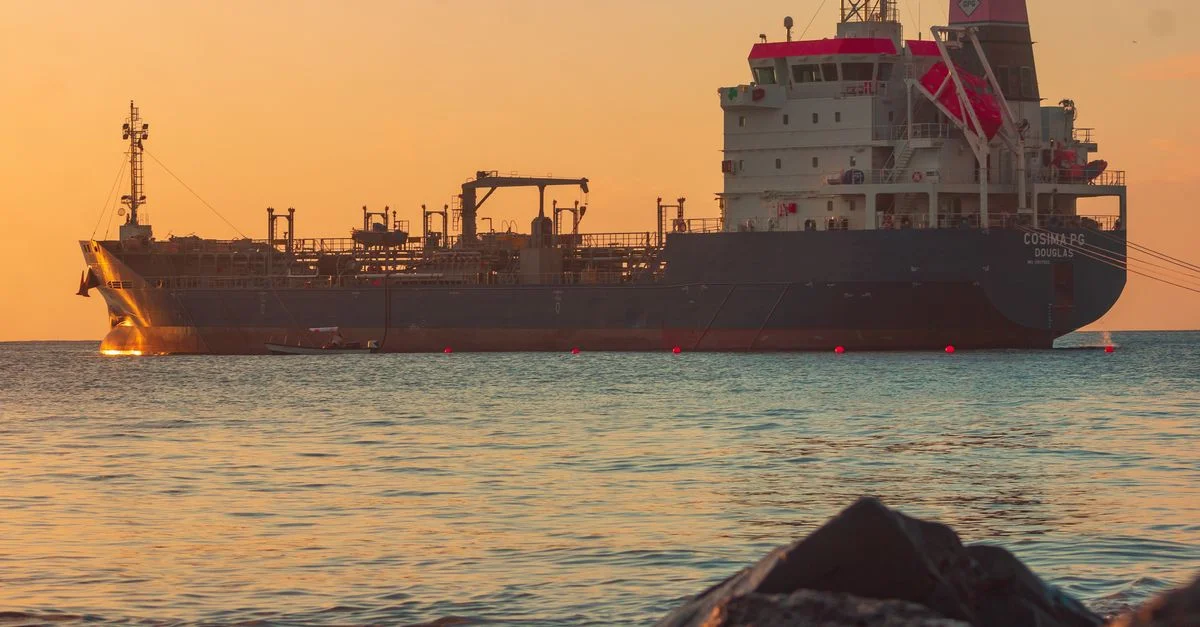
Hormuz is the clearest illustration of the gap between rhetoric and data. Defense Secretary Pete Hegseth claimed in a widely circulated video that "Iran knows we control the Strait of Hormuz and that oil is flowing through. They made a big bet on controlling it and they can't." The independent transit data says otherwise: daily transits remain near 20% of pre-war average, and more than 80% of shipping traffic has permanently rerouted via Oman. A 27% weekly rise in transits is real progress, but it is progress from a severely depressed baseline, not "control." President Trump has claimed the strait has been fully demined; Iran's own joint statement with Oman describes ongoing discussion of new navigation routes and an active demining process, an admission that mining remains a live issue, not a solved one.
The economic spillover confirms this is a live, unresolved shock rather than a contained one. The Philippine central bank, in a country importing 98% of its crude through Gulf lanes, has hiked rates twice on war-driven inflation: to 4.5% on April 23 and 4.75% on June 18, with local inflation peaking at a three-year high of 7.2% in April and another hike expected as of late August (Manila Times). A monetary authority with no direct stake in the conflict treating it as a structural risk, six months in, is evidence the shock has not resolved.
Here is the comparative picture across the three plausible trajectories, weighted against the evidence assembled above:
| Scenario | Probability | Primary Evidence Supporting | Key Falsifying Indicator |
|---|---|---|---|
| Frozen conflict / attrition | 45% | Hormuz transits stuck near 20% of pre-war baseline; sporadic tanker strikes continue (UKMTO reported a hit Aug 26); no side has incentive to escalate or fully disarm | Sustained transit recovery above 60% of baseline for 30+ consecutive days |
| Negotiated freeze (phased technical deal) | 35% | Iran-Oman transit corridor/demining proposal (Aug 26); Pakistan mediation "significant progress" (Aug 24-25); forecasting markets pricing delayed resolution with $280M+ in ceasefire-contract volume | A signed, named framework agreement covering Hormuz access and frozen funds |
| Escalation spiral | 20% | IRGC faction incentive to prolong war into US midterms (Sina Azodi, George Washington University); hardline Mojtaba Khamenei now Supreme Leader; sanctions chief threatening "act of war" framing | Resumption of US airstrikes or an Iranian strike on US military assets |
The forecasting market data deserves emphasis on its own. A high-volume ceasefire contract has traded more than $280 million in total volume, and as of August 27 the ceasefire-continuation contract is up 7.5% on the week, deal-track momentum showing up in prices before it shows up in communiques. A separate market on a US-Iran Hormuz agreement has drawn roughly $450,000 in volume, and a full nuclear deal by December 3 is priced at only about 12%. That pattern, real probability mass on eventual technical settlement, low mass on near-term grand bargains, maps precisely onto the "negotiated freeze" scenario, not the "war" framing that drives cable coverage.
Case Study: The Islamabad Talks and the Limits of Direct Contact
On April 11-12, 2026, US Vice President JD Vance and Iranian parliamentary speaker Mohammad Bagher Ghalibaf held 21 hours of direct talks in Islamabad, Pakistan, the senior-most direct contact between the two governments since the war began on February 28, 2026. No deal emerged. Nine days later, on April 21, Ghalibaf publicly rejected further talks, calling continued negotiation "surrender." That rejection held for exactly four months, until Pakistan's own military and civilian leadership, Field Marshal Asim Munir and Interior Minister Naqvi, returned to Tehran on August 24-25 and reported "significant progress" toward reviving the framework Vance and Ghalibaf had failed to close in April. The lesson: rejection language ("surrender," "act of war") is a domestic political tool deployed by both sides to manage hardline audiences, not a reliable predictor of the underlying negotiating trajectory, which resumed through the same channel four months later.
The Deadline Credibility Index: An Original Framework
Coverage of Iran deadlines fails because it treats every deadline as equally binding. It is not. Here is a reusable framework, the Deadline Credibility Index (DCI), for scoring any geopolitical deadline on a 0-100 scale before writing about it as if it matters.
The DCI is built from three components, each scored 0-33:
1. Enforcement Mechanism Score (0-33): Does a body exist that can impose an automatic, binding consequence the moment the deadline passes? A UN Security Council snapback mechanism scores high. A bilateral memorandum with no third-party enforcer, like the June 17-August 17, 2026 US-Iran memorandum, scores near zero. This deadline: 5/33.
2. Historical Base Rate Score (0-33): How many times has this same category of deadline (Iran nuclear/negotiation deadlines specifically) been followed by the predicted consequence? The track record across the 2015 JCPOA cycle and the 2022 IAEA snapback threats shows repeated serious "deadline" events, none of which produced the forecast escalation. This deadline: 4/33.
3. Market Divergence Score (0-33): Does capital, forecasting markets, insurance pricing, sovereign bond spreads, price the deadline as decisive, or does it discount it? The $280 million-plus ceasefire contract pricing a delayed rather than imminent resolution indicates markets are heavily discounting the deadline's decisiveness. This deadline: 6/33.
Total DCI for the August 17, 2026 US-Iran memorandum: 15/100. Any deadline scoring below 30 should be reported as a political signaling device, not a structural pivot point. Apply this framework to the next "Iran deadline" headline before writing the story, it will usually save you from the base-rate error this news cycle has made before, in 2015 and 2022.
Predictions and Outlook
These four forecasts are built directly from the evidence cascade above, weighted by the DCI framework and cross-checked against forecasting-market pricing.
PREDICTION [1/4]: The conflict will remain in a frozen/attrition state, sporadic tanker strikes, Hormuz transits below 60% of pre-war baseline, no formal ceasefire, as of the war's one-year anniversary (45% confidence, timeframe: February 28, 2027).
PREDICTION [2/4]: A phased technical agreement covering Hormuz transit and demining (building on the Iran-Oman framework proposed August 26, 2026) will be formally signed, without resolving the broader nuclear dispute (35% confidence, timeframe: February 28, 2027).
PREDICTION [3/4]: The US will resume direct airstrikes on Iranian territory, or Iran will strike a US military asset directly, constituting a confirmed escalation spiral (20% confidence, timeframe: February 28, 2027).
PREDICTION [4/4]: Iran will not complete a formal withdrawal from the Nuclear Non-Proliferation Treaty despite pending legislation, choosing strategic ambiguity over the diplomatic isolation full withdrawal would trigger (65% confidence, timeframe: February 28, 2027).
What to Watch
- Hormuz transit data, weekly: A sustained climb above 60% of pre-war average for 30+ consecutive days would falsify the frozen-conflict scenario and support negotiated freeze.
- China's oil purchases from Iran: Continued large-volume buying acts as a sanctions backstop; any confirmed reduction would signal Beijing is abandoning its hedge and would sharply raise escalation risk.
- Assembly of Experts and IRGC statements: Watch for signals of internal Iranian factional conflict between hardliners seeking to prolong the war into the 2026 US midterms (the dynamic George Washington University's Sina Azodi has flagged) and pragmatists favoring the Oman-brokered technical track.
- Forecasting-market contract volume: A sudden spike in ceasefire-contract trading volume beyond the current $280 million baseline would indicate traders are pricing in a near-term breakthrough, not the delayed resolution currently priced.
Historical Analog: This Looks Like the 1984-1988 Tanker War
The current Hormuz standoff mirrors the "Tanker War" phase of the Iran-Iraq War, when both nations spent four years attacking oil tankers in the Persian Gulf, prompting the US Navy's Operation Earnest Will reflagging campaign and episodic mine warfare, without either side achieving lasting control of the waterway. Then, as now, a contested chokepoint became the proxy battlefield for a war neither side could win outright, with deniable, episodic attacks substituting for decisive naval engagement. That war did not end through military victory. It ended in 1988 via UN Security Council Resolution 598 and a negotiated ceasefire, driven by mutual exhaustion and shipping-insurance economic pressure rather than a battlefield outcome. If the pattern holds, expect the current standoff to resolve the same way: not through a dramatic ceasefire announcement, but through a technical, phased arrangement, precisely the shape of the Iran-Oman transit corridor and mine-clearing proposal already on the table as of August 26, 2026.
Counter-Thesis: The Case That the Deadline Actually Matters This Time
The strongest objection to this analysis is that previous Iran deadlines occurred during peacetime brinkmanship, while this one occurs mid-war, after a leadership decapitation that killed a sitting Supreme Leader and roughly 40 officials. That changes the base rate calculation entirely. Mojtaba Khamenei's election as the third Supreme Leader by the Assembly of Experts installed a hardline, IRGC-aligned figure specifically because the previous, more pragmatic interim leadership had failed to produce a deal within the memorandum's window. Sina Azodi's warning that an IRGC faction wants to prolong the war to bleed the Trump administration through the midterms is not a marginal read, it describes an actor with both the institutional power and the incentive to reject the very technical off-ramps this article treats as probable. Chatham House's March 2026 warning that the war risks triggering a new wave of nuclear proliferation is still live in August coverage of Iran's NPT-withdrawal legislation, meaning the stakes of miscalculation now include weapons proliferation, not just shipping disruption. If Khamenei consolidates around the hardline faction rather than the Oman-track pragmatists, the historical base rate this article leans on, built from peacetime deadlines, simply does not apply to a wartime succession crisis, and the escalation scenario deserves more weight than 20%.
Stakeholder Implications
For regulators and policymakers: Treat the August 17, 2026 deadline's expiry as a negotiating checkpoint, not a policy trigger. Congressional offices drafting Iran-related legislation should demand the Deadline Credibility Index score, enforcement mechanism, historical base rate, market divergence, before authorizing new sanctions tranches tied to "deadline" framing. The Treasury's Bessent-led sanctions package should be evaluated on its actual targets (roughly 60 entities tied to oil revenue and weapons procurement), not on deadline theater.
For investors and capital allocators: The forecasting-market pricing, $280 million-plus in ceasefire-contract volume, weighted toward delayed rather than imminent resolution, is a more reliable signal than cable-news scenario framing. Energy and shipping-insurance positions should be sized for a 12-18 month frozen-conflict baseline (Hormuz transits at 20-60% of pre-war average), not a binary war/peace outcome. The Philippine central bank's 25-basis-point rate hike is an early template: expect other emerging-market central banks with energy-import exposure to follow with similar defensive moves through 2027.
For operators and the shipping/energy industry: Continue routing through Oman, currently absorbing more than 80% of diverted traffic, as the default operating assumption through at least the first quarter of 2027. Do not plan around Trump's claim of a fully demined strait; independent transit data contradicts the strongest version of that claim, and UKMTO-reported strikes (including the August 26, 2026 tanker hit) confirm the threat remains active.
Frequently Asked Questions
Q: Is the US still bombing Iran? A: No. The US air campaign, 13 consecutive nights of strikes, has been paused since July 25-27, 2026. Secretary of State Marco Rubio told counterparts on August 26, 2026 that the US is "not expected to launch new strikes," though the administration has retained the option to retaliate.
Q: Is the Strait of Hormuz open? A: Partially, and contested. Daily transits sit near 20% of pre-war average despite a 27% weekly increase, and more than 80% of shipping traffic has rerouted through Oman. President Trump's claim that the strait has been fully demined is disputed by independent analysts, and Iran and Oman were still jointly discussing an active demining process and new navigation routes as of late August 2026.
Q: Who is Iran's new Supreme Leader? A: Mojtaba Khamenei, elected by the Assembly of Experts after his father Ali Khamenei was killed in the February 28, 2026 opening strike wave and interim leader Alireza Arafi's brief tenure. Mojtaba Khamenei is hardline and IRGC-aligned, a factor analysts including Kamran Bokhari cite as central to whether the regime moves toward escalation or negotiation.
Q: Will there be a ceasefire in the Iran war? A: Forecasting markets price a delayed, not imminent, resolution, one ceasefire contract has traded more than $280 million with a recent $27 million surge in volume. Reports circulating August 25, 2026 and citing Russian state outlet RIA Novosti plus Pakistani and Iranian military sources claimed a ceasefire announcement was "days away," but this is single-sourced and should be treated skeptically rather than as confirmed fact.
Q: What is the Iran-Oman Hormuz proposal? A: A framework discussed August 26, 2026 for a temporary joint transit corridor and coordinated mine-clearing plan in the Strait of Hormuz, separate from the broader nuclear and sanctions dispute. Gaps reportedly remain in finalizing the deal, and Qatar's Prime Minister was scheduled to visit Tehran on August 27, 2026 as part of continued regional mediation.
Synthesis
The 60-day deadline died the way every Iran deadline before it has died: quietly, without triggering the consequence it promised, while sanctions and diplomacy kept running on parallel tracks. Score any future "deadline" against the Deadline Credibility Index, enforcement mechanism, historical base rate, market divergence, before treating it as a structural pivot point. The real war is being fought over Hormuz transit percentages and Assembly of Experts factional politics, not calendar dates, and the evidence as of August 27, 2026 points toward a frozen conflict resolving through the same phased, technical mechanism that ended the 1988 Tanker War, not through the dramatic breakthrough or collapse that deadline coverage keeps promising.
Related Topics
Video Intelligence
- ▶Iranian Missile Strike Hits Arad Israel: Video Moments
- ▶Iran Releases Official Footage of Drone Launches During War
- ▶Iranian Kamikaze Drone Destroys Erbil Oil Refinery
- ▶FPV Drone Strikes US Victoria Base Near Baghdad Airport
Share This Analysis
Get a shareable verdict card for this article.
Get the next one first
Free briefings when we publish major outlooks and forecasts. No spam — unsubscribe anytime.
Related Analysis

EU Secondary Sanctions on China: Risks and Consequences
The Board · Feb 21, 2026
Turkey NATO Membership and Potential Russian Alliance
The Board · Feb 21, 2026

Modern World War 3 Scenarios and Systemic Collapse
The Board · Feb 19, 2026

How Iran's State Media Edits Itself Between Languages
The Board · Apr 15, 2026
China's Taiwan Dictionary: Ten Words Instead of Invasion
The Board · Apr 15, 2026

Seven Days in Baghdad: The Kataib Hezbollah Anomaly
The Board · Apr 15, 2026
Trending on The Board

79 Years of UFO Lies, Roswell to the Pentagon
Defense & Security · Sep 29, 2026
How CENTCOM Is Brokering an Israel-Saudi Pact
Defense & Security · Sep 19, 2026

Why the Pentagon Pulled Its Iran War Plans Offline
Defense & Security · Sep 19, 2026
How a Stablecoin Funded Moldova's 2026 Election
Geopolitics · Sep 19, 2026

The Hidden Gold Demand Behind the $6,000 Target
Markets · Sep 17, 2026
Latest from The Board
79 Years of UFO Lies, Roswell to the Pentagon
Defense & Security · Sep 29, 2026
How CENTCOM Is Brokering an Israel-Saudi Pact
Defense & Security · Sep 19, 2026
Why the Pentagon Pulled Its Iran War Plans Offline
Defense & Security · Sep 19, 2026
How a Stablecoin Funded Moldova's 2026 Election
Geopolitics · Sep 19, 2026
The Hidden Gold Demand Behind the $6,000 Target
Markets · Sep 17, 2026
Houthis Take Perim as Saudis Halt Pipeline 2026
Geopolitics · Sep 13, 2026

Epstein Intelligence Ties: Evidence vs Allegation in 2026
Policy & Intelligence · Sep 6, 2026
What Israel-Iran War Games Got Wrong About 2026
Defense & Security · Sep 6, 2026