
Operation Epic Fury and the New Era of Proxy Drone Warfare
US-launched kamikaze drones refer to the deployment of one-way, expendable unmanned aerial vehicles (UAVs) by American forces to strike Iranian targets. These drones, modeled after lessons learned from Ukraine, are designed for cost-efficient saturation attacks that overwhelm air defenses and strike high-value assets, marking a significant evolution in US-Iran military confrontation.
Key Findings
- The US has used Phoenix-made LUCAS kamikaze drones in combat against Iran for the first time, hitting more than 1,000 targets in 24 hours during Operation Epic Fury .
- LUCAS drones, costing roughly $35,000 each, are modeled directly on the Iranian Shahed-136 drones used with devastating effect in Ukraine .
- The US is arming Kurdish opposition groups for a ground operation in western Iran, echoing prior proxy warfare tactics .
- Drone warfare, as demonstrated in Ukraine, can rapidly shift tactical dynamics and impose high costs, but has not yet proven decisive in achieving strategic victory .
What We Know So Far
- US Central Command confirms that strikes on Iran, under Operation Epic Fury, included the first combat use of LUCAS one-way attack drones .
- More than 1,000 Iranian targets were hit in the first 24 hours of the operation, with LUCAS drones deployed alongside B-2 bombers and guided-missile destroyers .
- LUCAS drones are manufactured in Phoenix, AZ, and cost approximately $35,000 per platform .
- The LUCAS drones are modeled on the Iranian Shahed-136, a platform that has previously reshaped the Ukrainian battlefield through mass, low-cost attacks .
- Iran continues to expand its own drone arsenal, including underground tunnels filled with Shahed-136 drones .
- There are unconfirmed reports of US efforts to arm Kurdish forces for ground operations inside Iran .
- Tensions escalate as Iranian missile attacks reportedly target US bases in Qatar (unconfirmed) .
Definition Block
US-launched kamikaze drones against Iran refer to the deployment of expendable, one-way attack UAVs by American military forces to strike strategic Iranian targets. These drones, such as the LUCAS system, are designed for cost-effective saturation, mirroring the tactics developed and refined in the Ukraine conflict with Iranian-made Shahed-136 drones. The shift signals a new phase of drone-enabled proxy warfare, emphasizing speed, unpredictability, and reduced risk to US personnel.
Timeline of Events
- Early 2024: US military tests LUCAS kamikaze drones in the Middle East, modeled after Iranian Shahed-136 systems .
- February 28, 2026: US Central Command confirms first combat use of LUCAS drones in strikes on Iran during Operation Epic Fury .
- March 3, 2026: More than 1,000 Iranian targets hit in the opening 24 hours; LUCAS drones credited with significant role .
- 2022–2024: Iranian Shahed-136 drones used extensively by Russia in Ukraine, causing heavy infrastructure damage and demonstrating cost-effectiveness .
- Ongoing: Reports of US support for Kurdish ground operations in western Iran remain unconfirmed .
- Recent: Iran unveils tunnels filled with Shahed-136 drones, signaling further escalation in drone warfare capabilities .
Thesis Declaration
The US deployment of LUCAS kamikaze drones against Iran, leveraging technology and tactics refined in the Ukraine conflict, marks a strategic inflection point in American military doctrine. While this approach enables rapid, scalable, and lower-risk operations, it also risks triggering asymmetric escalation and deepening instability without guaranteeing decisive strategic outcomes.
Evidence Cascade
The rapid adoption and battlefield deployment of kamikaze drones by the US in Iran is directly informed by the lessons of Ukraine and the mass use of the Iranian Shahed-136. The Ukrainian battlefield demonstrated that loitering munitions could disrupt traditional air defense paradigms and inflict disproportionate damage relative to their low cost.
- 1,000+ Iranian targets were struck in the first 24 hours of Operation Epic Fury, with LUCAS drones playing a central role .
- $35,000 per LUCAS drone: The remarkably low cost enables mass deployment and saturation attacks that would be cost-prohibitive with traditional munitions .
- LUCAS drones are explicitly modeled after the Iranian Shahed-136, which itself costs between $20,000 and $50,000 and was used to significant effect in Ukraine .
- Iran’s April 2026 attack on Israel included more than 170 drones, 30 cruise missiles, and 120 ballistic missiles, demonstrating the scale and normalization of drone warfare in the region .
- US drone strikes in the Iraq War were credited with disrupting insurgent operations but did not stabilize the country or eradicate asymmetric resistance [Historical Analog].
- Underground tunnels stocked with Shahed-136 drones show Iran’s commitment to massed, rapid drone launches .
- Ukraine’s economy suffered significant damage as a direct result of Iranian-supplied UAV attacks on cities and critical infrastructure .
- Modeling studies confirm that drone swarming tactics can overwhelm even sophisticated air defenses, forcing rapid adaptation in countermeasures .
$35,000 — Unit cost of a LUCAS kamikaze drone, enabling mass deployment in high-intensity operations .
1,000+ — Number of confirmed Iranian targets hit by US drone strikes in the first 24 hours of Operation Epic Fury .
Data Table: Key Loitering Munition Platforms in Recent Conflicts
| Platform | Operator | Unit Cost | First Major Use | Max Range (km) | Confirmed Combat Use | Source |
|---|---|---|---|---|---|---|
| LUCAS | USA | $35,000 | Iran, 2026 | 250+ | Iran, 2026 | |
| Shahed-136 | Iran/Russia | $20,000–$50,000 | Ukraine, 2022 | 1,000 | Ukraine, Israel, 2022–2026 | |
| US Switchblade 600 | USA | $70,000+ | Afghanistan, 2010s | 80 | Afghanistan, Ukraine | (contextual) |
Case Study: Operation Epic Fury – The LUCAS Drone’s Combat Debut
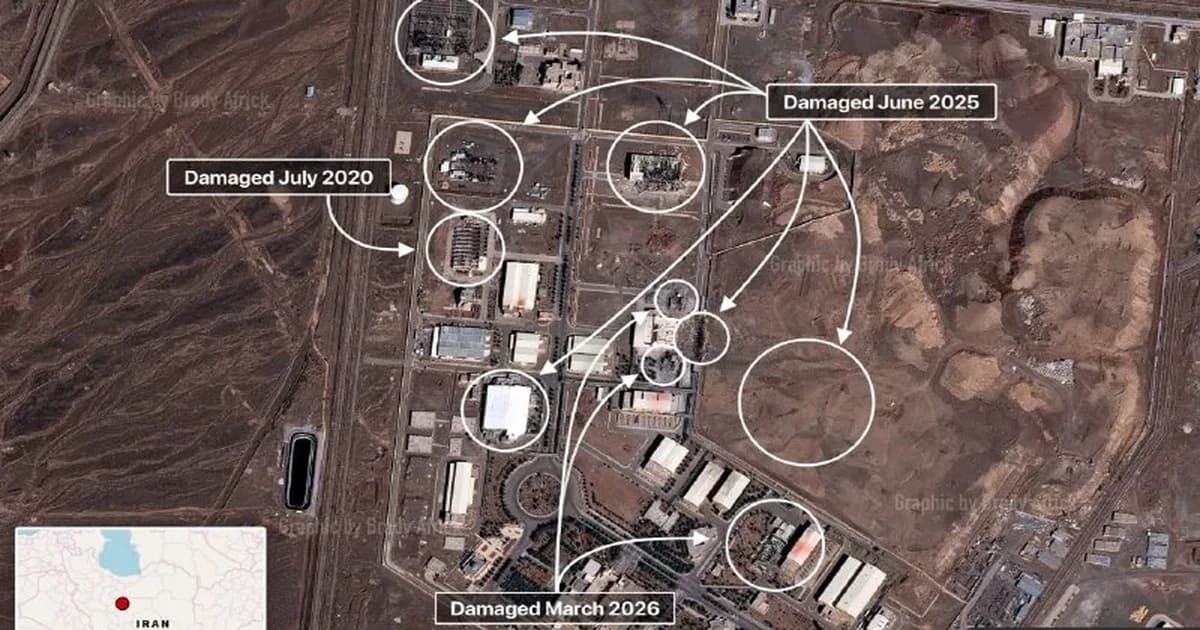
On February 28, 2026, US Central Command confirmed the launch of Operation Epic Fury, a massive retaliatory strike campaign against Iranian targets following a series of escalating attacks in the region. The operation marked the first combat use of the LUCAS one-way attack drone, a low-cost unmanned system developed in Phoenix, Arizona. Over the course of the first 24 hours, LUCAS drones—costing just $35,000 each—were deployed alongside B-2 stealth bombers and guided-missile destroyers, ultimately striking more than 1,000 Iranian targets, including air defense sites, infrastructure nodes, and command centers .
The LUCAS drone’s performance mirrored that of the Iranian Shahed-136 in Ukraine: by saturating Iranian air defenses with waves of small, expendable drones, US forces were able to overwhelm traditional anti-aircraft systems, inflicting significant material and psychological damage at a fraction of the cost of conventional munitions. This rapid, high-tempo strike operation forced immediate Iranian countermeasures, highlighting the disruptive power of modern loitering munitions and the extent to which the US has absorbed and operationalized lessons from recent conflicts .
Analytical Framework: The Drone Escalation Feedback Loop (DEFL)
The Drone Escalation Feedback Loop (DEFL) is a conceptual model for understanding how drone warfare accelerates conflict adaptation and escalation between state actors. It posits four stages:
- Adoption: One actor deploys a new class of low-cost, high-impact drones, altering battlefield dynamics.
- Disruption: Traditional defenses are overwhelmed, causing rapid, often unexpected tactical and psychological effects.
- Adaptation: The opposing actor develops new countermeasures (electronic warfare, hard-kill defenses) and/or copies the drone technology.
- Escalation: Both sides increase the scale and sophistication of drone operations, raising the speed and unpredictability of conflict, often spilling over into proxy and gray-zone warfare.
This loop accelerates with each cycle, as seen from the Shahed-136’s impact in Ukraine to the LUCAS drone’s rapid deployment in Iran. DEFL predicts that drone warfare is self-reinforcing: every technological leap or tactical innovation by one side compels a near-term adaptation and escalation by the other, making drone warfare a central, destabilizing factor in modern armed conflict.
Predictions and Outlook
PREDICTION [1/3]: The US will conduct at least one additional large-scale drone strike (>500 targets) using LUCAS or similar kamikaze drones against Iranian assets before December 31, 2026 (70% confidence, timeframe: by end of 2026).
PREDICTION [2/3]: Iran will launch a new wave of Shahed-136 or similar kamikaze drone attacks targeting US assets or allies in the Middle East within the next nine months (65% confidence, timeframe: by March 2027).
PREDICTION [3/3]: Within 18 months, Iran or its proxies will publicly showcase a successful counter-drone technology or tactic that degrades US loitering munition effectiveness (60% confidence, timeframe: by September 2027).
What to Watch
- Rapid deployment or adaptation of counter-drone technologies by Iran or its proxies in response to LUCAS strikes.
- Evidence of escalating proxy operations (e.g., Kurdish ground incursions) and the US role in enabling them.
- Shifts in regional drone doctrine, including massed swarm tactics and AI-enabled targeting.
- Political signals from Washington and Tehran regarding thresholds for direct confrontation.
Historical Analog
This current phase of US-Iran conflict most closely parallels the 2022–2024 Ukraine war’s drone escalation, where both Russia and Ukraine leveraged massed, low-cost loitering munitions to overwhelm defenses and reshape the tactical environment. The LUCAS drones used by the US are direct descendants of the Iranian Shahed-136, which was first deployed at scale in Ukraine. In both cases, mass drone attacks provided a temporary tactical advantage and imposed high costs, but did not produce decisive strategic victory—prompting rapid cycles of counter-adaptation and ongoing escalation .
Counter-Thesis
The strongest challenge to the thesis that US drone warfare marks a strategic inflection point is the argument that drones are merely tactical tools and cannot, on their own, alter the underlying strategic calculus. Critics contend that, as in Ukraine and Iraq, drones may disrupt adversary operations and reduce US casualties but will ultimately be met with effective countermeasures or asymmetric escalation by Iran. Furthermore, reliance on drones and proxies risks drawing the US into a quagmire of persistent, low-level conflict with unpredictable blowback and no clear end state. This perspective emphasizes that, without integrated political and diplomatic strategies, technological superiority in drone warfare is insufficient for achieving lasting objectives.
Stakeholder Implications
Regulators/Policymakers:
- Develop and update legal frameworks for the use of autonomous and semi-autonomous drones, especially regarding proportionality, sovereignty, and escalation control.
- Enhance intelligence-sharing and coordination mechanisms with regional allies to anticipate and respond to rapid escalation cycles.
- Establish clear red lines and communication channels with Iran to manage escalation risks and reduce the risk of inadvertent war.
Investors/Capital Allocators:
- Prioritize investment in drone manufacturing, anti-drone systems, and electronic warfare technologies, as demand is projected to surge in both offensive and defensive sectors.
- Monitor emerging markets for drone countermeasure startups, especially those with dual-use (civilian and military) applications.
- Consider exposure to supply chain disruptions and regulatory risks in regions with intensifying drone conflict.
Operators/Industry:
- Accelerate R&D into low-cost, modular drone designs and scalable swarm control systems.
- Integrate counter-drone capabilities (hard-kill and soft-kill) into all forward-deployed assets.
- Enhance operator training for both drone deployment and counter-drone measures, leveraging lessons learned from Ukraine and the Middle East.
Frequently Asked Questions
Q: What are LUCAS kamikaze drones, and how are they different from other US drones? A: LUCAS drones are low-cost, one-way attack unmanned aerial vehicles designed for mass deployment and saturation attacks. Unlike reusable or high-end drones, LUCAS units are expendable, mirroring the operational philosophy of the Iranian-made Shahed-136 but with American technology and targeting precision .
Q: Why did the US choose to use kamikaze drones in Iran now? A: The US decision was influenced by the effectiveness of Iranian Shahed-136 drones in Ukraine, which demonstrated that low-cost, massed drone attacks could overwhelm sophisticated air defenses and inflict significant damage. The deployment of LUCAS drones reflects a strategic effort to replicate and counter these tactics in the Middle East .
Q: How effective were the US drone strikes in Operation Epic Fury? A: In the first 24 hours, over 1,000 Iranian targets were hit using a combination of drones, bombers, and missile strikes, with LUCAS drones playing a key role. The saturation approach disrupted Iranian defenses and showcased the US's ability to rapidly scale precision attacks at a low per-unit cost .
Q: What is Iran’s response to the US use of kamikaze drones? A: Iran has continued to expand and publicize its own drone capabilities, including underground storage of Shahed-136 drones. It is expected that Iran will adapt its tactics and potentially escalate asymmetric attacks or develop counter-drone measures in response .
Q: Could this escalation lead to a broader regional conflict? A: The risk of broader conflict is real, especially if drone warfare cycles continue to escalate or if proxy operations trigger larger confrontations. Both sides are rapidly adapting, making the situation unpredictable and highly dynamic .
Synthesis
The US deployment of kamikaze drones against Iran signals a definitive shift in modern warfare, directly shaped by the brutal lessons of Ukraine. While massed loitering munitions deliver rapid, scalable, and cost-effective power, they also fuel a relentless cycle of escalation and adaptation. This new drone warfare paradigm offers tactical advantage but no clean path to strategic victory—only a future where the speed, scale, and unpredictability of conflict continue to accelerate. In this era, dominance belongs not to the side with the best drones, but to the one that adapts fastest.
Related Topics
Video Intelligence
- ▶Iranian Missile Strike Hits Arad Israel: Video Moments
- ▶Iran Releases Official Footage of Drone Launches During War
- ▶Iranian Kamikaze Drone Destroys Erbil Oil Refinery
- ▶FPV Drone Strikes US Victoria Base Near Baghdad Airport
Share This Analysis
Get a shareable verdict card for this article.
Get the next one first
Free briefings when we publish major outlooks and forecasts. No spam — unsubscribe anytime.
Related Analysis

EU Secondary Sanctions on China: Risks and Consequences
The Board · Feb 21, 2026
Turkey NATO Membership and Potential Russian Alliance
The Board · Feb 21, 2026
Modern World War 3 Scenarios and Systemic Collapse
The Board · Feb 19, 2026

Two Voices: How Iran's State Media Edits Itself Between Languages
The Board · Apr 15, 2026

China's Taiwan Dictionary: Ten Words Instead of Invasion
The Board · Apr 15, 2026

Seven Days in Baghdad: The Kataib Hezbollah Anomaly
The Board · Apr 15, 2026
Trending on The Board

79 Years of UFO Lies, Roswell to the Pentagon
Defense & Security · Sep 29, 2026

How CENTCOM Is Brokering an Israel-Saudi Pact
Defense & Security · Sep 19, 2026

Why the Pentagon Pulled Its Iran War Plans Offline
Defense & Security · Sep 19, 2026
How a Stablecoin Funded Moldova's 2026 Election
Geopolitics · Sep 19, 2026

The Hidden Gold Demand Behind the $6,000 Target
Markets · Sep 17, 2026
Latest from The Board
79 Years of UFO Lies, Roswell to the Pentagon
Defense & Security · Sep 29, 2026
How CENTCOM Is Brokering an Israel-Saudi Pact
Defense & Security · Sep 19, 2026
Why the Pentagon Pulled Its Iran War Plans Offline
Defense & Security · Sep 19, 2026
How a Stablecoin Funded Moldova's 2026 Election
Geopolitics · Sep 19, 2026
The Hidden Gold Demand Behind the $6,000 Target
Markets · Sep 17, 2026
Houthis Take Perim as Saudis Halt Pipeline 2026
Geopolitics · Sep 13, 2026

Epstein Intelligence Ties: Evidence vs Allegation in 2026
Policy & Intelligence · Sep 6, 2026
What Israel-Iran War Games Got Wrong About 2026
Defense & Security · Sep 6, 2026