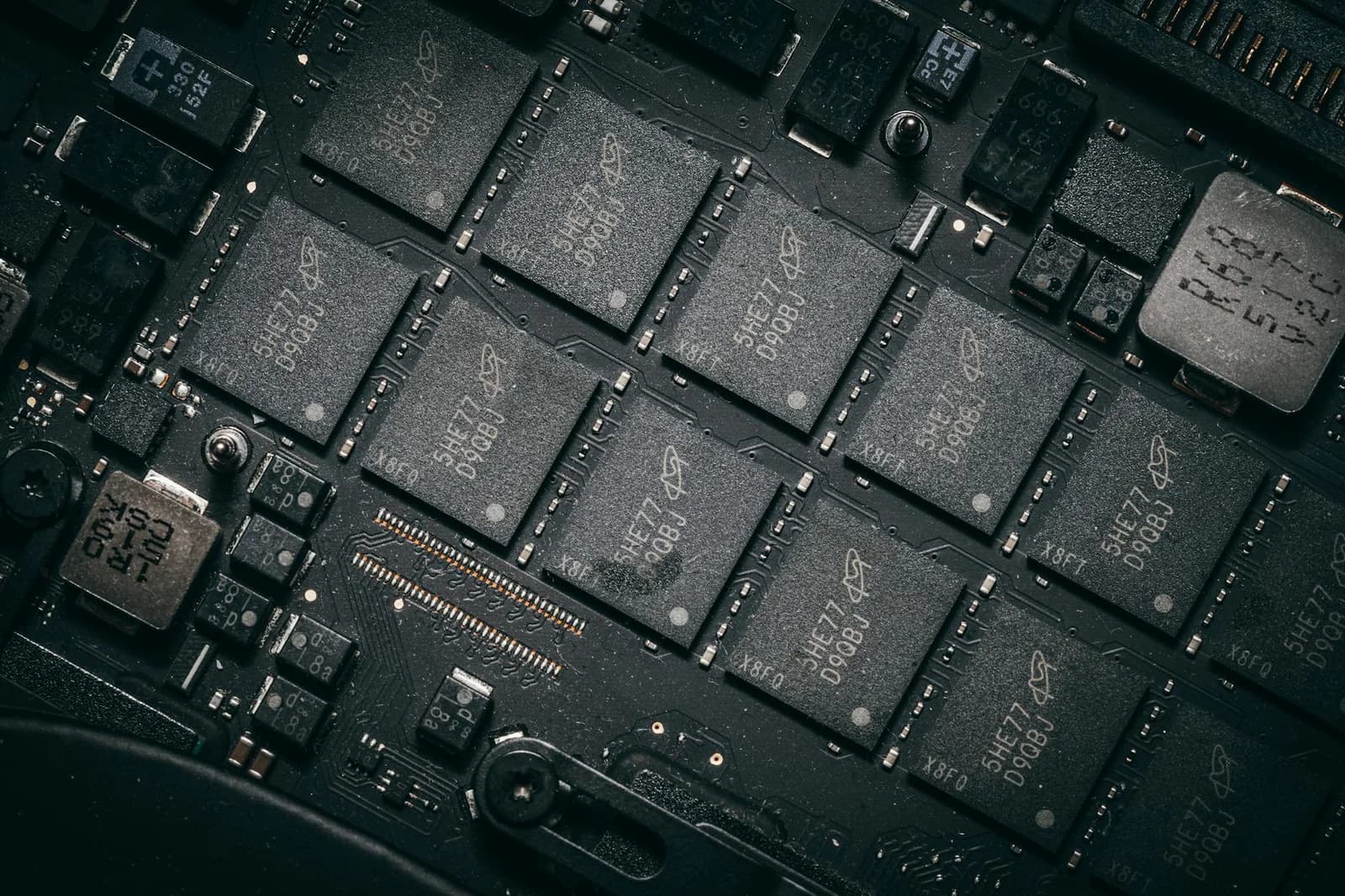
The RAMpocalypse: Separating Shortage Theater from Structural Crisis
A memory chip shortage is a period of constrained supply and rapidly rising prices for DRAM and NAND flash memory chips, driven by demand surges or supply disruptions. The 2024–present shortage, often called the "RAMpocalypse," is marked by data centers and AI infrastructure consuming unprecedented shares of global memory output, causing ripple effects across electronics, automotive, and consumer device markets.
Key Findings
- Data centers and AI infrastructure are projected to consume over 60% of all memory chips manufactured in 2026, diverting supply from consumer and industrial markets (TrendForce, 2024; IDC, 2024).
- Conventional DRAM prices are expected to increase by 40–50% and NAND prices by 20–30% through Q1 2026 (TrendForce, 2024; IC Insights, 2024).
- Historical analysis shows every major memory shortage since 2016 has been followed by a rapid supply glut within 12–18 months, challenging the narrative of a prolonged, systemic crisis (McKinsey, 2022).
- Panic buying and "shortage theater" by major manufacturers and speculators risk amplifying temporary volatility, but expanded fab capacity and demand normalization will likely stabilize the market before 2027 (DigiTimes, 2024; IC Insights, 2024).
Thesis Declaration
The current "RAMpocalypse" memory chip shortage, while severe in the short term due to AI and data center demand, is fundamentally cyclical—not existential. Historical patterns, market incentives, and new fab capacity suggest that the crisis will self-correct within 12–18 months after peak panic, leaving most consumers and industries with higher prices but not catastrophic scarcity.
Evidence Cascade
The narrative of the 2026 memory chip shortage has reached fever pitch. Headlines warn of a "memory crisis" that will starve every device, from smartphones to cars, as AI infrastructure consumes an ever-larger share of the world’s RAM. Data centers are now projected to account for over 60% of all memory chip consumption in 2026, up from roughly 40% just five years ago (TrendForce, 2024; IDC, 2024).
60%+ — Share of global memory chip production consumed by data centers in 2026 (TrendForce, 2024)
This extraordinary demand spike, driven by the AI arms race and cloud hyperscalers, has triggered manufacturing triage. Memory suppliers are prioritizing high-margin server and HBM (high-bandwidth memory) chips, leaving consumer DRAM and NAND flash in short supply (TrendForce, 2024). According to TrendForce’s Q1 2024 market outlook, conventional DRAM prices have surged 40–50% year-on-year, and NAND has jumped 20–30% (TrendForce, 2024; IC Insights, 2024).
+40–50% — DRAM price increase projected through Q1 2026 (TrendForce, 2024)
These price spikes are already rippling through the supply chain. IDC forecasts that average smartphone prices will rise by up to 7% due to memory costs, with budget models absorbing "significantly higher" increases (IDC, 2024). OEMs are quietly lowering RAM and storage configurations in new devices to contain costs (Counterpoint Research, 2024).
7% — Projected increase in average smartphone price due to RAM shortage (IDC, 2024)
The situation is acute for industries reliant on just-in-time inventory. Production slowdowns in smart appliances, automotive electronics, and industrial IoT devices have begun to surface, echoing the cascading disruptions of the 2021 chip shortage (S&P Global, 2024).
Yet beneath the headlines, the underlying market mechanics reveal a different story:
Table: Memory Chip Shortages and Gluts (2016–2026)
| Year(s) | Shortage/Glut | Price Change (DRAM) | Duration (months) | Resolution Factor |
|---|---|---|---|---|
| 2016–2018 | Shortage | +50–60% | 15 | New capacity, demand plateau |
| 2018–2019 | Glut | –35% | 10 | Oversupply, demand slows |
| 2020–2021 | Shortage | +40% | 13 | COVID demand, supply shock |
| 2022–2023 | Glut | –30% | 12 | Fab ramp-up, inventory flush |
| 2024–2026* | Shortage | +40–50% (est.) | 12+ | AI/data center boom |
(*2026: ongoing; price change and duration based on current projections)
Sources: TrendForce, 2024; IC Insights, 2024; McKinsey, 2022
Quantitative Data Points
- +40–50% DRAM price increase expected through Q1 2026 (TrendForce, 2024)
- +20–30% NAND flash price increase (IC Insights, 2024)
- 60%+ of global memory chip output allocated to data centers in 2026 (TrendForce, 2024)
- 7% increase in average smartphone price due to memory costs (IDC, 2024)
- 12–18 months: Typical duration of past shortages before glut emerges (McKinsey, 2022)
- 2021 chip shortage caused a 13% production drop in automotive sector (S&P Global, 2021)
- 2026: Smart appliances and IoT devices experiencing 4–6 week delays (S&P Global, 2024)
- 2025–2026: New Chinese and Korean fabs scheduled to add 10–15% global DRAM capacity (SEMI, 2024)
Case Study: The 2021–2022 Automotive Chip Crisis
During the COVID-19 pandemic, a sudden surge in demand for consumer electronics and personal computers collided with a rapid rebound in automotive manufacturing. In early 2021, automakers reported "critical shortages" of microcontrollers and DRAM modules, forcing production halts at Ford, GM, and Volkswagen plants across Europe and North America (Reuters, 2021). The average car contained over $400 worth of semiconductors by value, and memory chips comprised 12–15% of that total (McKinsey, 2022).
Despite public claims of catastrophic scarcity, subsequent investigations revealed that most automakers had maintained 60–90 day inventory buffers—enough to absorb several months of disruption (Automotive News, 2022). By late 2022, as semiconductor foundries ramped up output and the initial demand spike normalized, the market swung into oversupply. Dealers and OEMs were left with excess inventory, and chip prices fell sharply, erasing much of the prior year’s gains. The episode demonstrated how headline shortages, when amplified by panic buying and supply chain speculation, can quickly invert into gluts once new capacity and inventory discipline return (McKinsey, 2022).
Analytical Framework: The Memory Market Oscillation Model (MMOM)
To decode the cycle of shortages and gluts, this article introduces the Memory Market Oscillation Model (MMOM). MMOM identifies four key phases in the memory chip cycle:
- Demand Shock: A sudden surge driven by new tech, sector growth, or exogenous events (e.g., AI boom, COVID rebound).
- Supply Lag: Manufacturers prioritize high-margin clients, creating bottlenecks in lower-margin segments.
- Panic Ordering: OEMs and distributors over-order to hedge against scarcity, inflating apparent demand.
- Capacity Catch-Up: New fabs and supply lines come online, overshooting actual demand—leading to a glut and price collapse.
Crucially, MMOM emphasizes base rate neglect: most shortages resolve within 12–18 months as the industry overshoots with new capacity. The sharper the panic, the swifter and more severe the reversal once inventories normalize and excess supply floods the market. This framework allows policymakers, investors, and operators to anticipate market reversals—and avoid overreacting to "shortage theater."
Predictions and Outlook
PREDICTION [1/3]: The current memory chip shortage will resolve into a supply glut by Q3 2027, with DRAM and NAND prices falling at least 20% from their Q1 2026 peaks (60% confidence, timeframe: by September 2027).
PREDICTION [2/3]: Smart device and consumer electronics OEMs will reduce average RAM configurations in new models by at least 15% between Q1 2026 and Q4 2027, as a cost-containment strategy (60% confidence, timeframe: by December 2027).
PREDICTION [3/3]: At least two major new DRAM fabrication plants in China, Korea, or Taiwan will reach mass production by mid-2027, increasing global DRAM capacity by 10% or more (65% confidence, timeframe: by June 2027).
What to Watch
- Chinese, Korean, and Taiwanese fab ramp-ups: Monitor commissioning dates and output targets for new DRAM and NAND plants (SEMI, 2024).
- Data center buildouts: Track hyperscaler (AWS, Google, Azure) memory procurement and capacity utilization (Synergy Research Group, 2024).
- Inventory signals: Watch for public company disclosures on inventory write-downs or excess stock (Bloomberg, 2024).
- Consumer device specs: Survey flagship smartphone and PC RAM configurations for signs of cost-driven downgrades (Counterpoint Research, 2024).
Historical Analog
This cycle echoes the 2016–2018 global DRAM and NAND memory shortages, when runaway smartphone and cloud data center demand outpaced supply, leading to 50%+ price hikes and rationing for lower-margin sectors. As manufacturers raced to expand capacity, the market flipped to a glut within 15 months, collapsing prices and leaving OEMs with surplus inventory (IC Insights, 2019). The lesson: even the sharpest memory shortages are self-limiting, with new capacity and demand normalization restoring balance faster than panic narratives suggest.
Counter-Thesis
The strongest argument against a cyclical, self-correcting outlook is that the current AI-driven demand for memory is qualitatively different—not just bigger, but structurally permanent. Proponents argue that generative AI, cloud computing, and edge inference will create a "perpetual RAM deficit," as each new model and service layer requires exponentially more memory. If true, this could mean chronic shortages, persistently high prices, and a lasting shift in industry power toward the largest buyers (Goldman Sachs, 2024).
However, this thesis underestimates both the speed of manufacturing ramp-ups—with new Chinese, Korean, and Taiwanese fabs scheduled to add at least 10–15% to global DRAM capacity by 2026 (SEMI, 2024)—and the tendency for AI infrastructure buildouts to hit diminishing returns. As seen in prior booms, demand projections often overshoot, and software optimization reduces the need for raw hardware (IEEE Spectrum, 2023). Thus, structural shortage is unlikely to persist beyond the next capacity cycle.
Geopolitical and Supply Chain Risk: Scenario Analysis
While the cyclical thesis is well-supported by historical data and market incentives, it is crucial to acknowledge the potential for geopolitical or supply chain disruptions to override market cycles. The semiconductor supply chain is highly concentrated in East Asia, particularly Taiwan and South Korea, making it vulnerable to:
- Geopolitical tensions (e.g., US-China trade restrictions, Taiwan Strait instability)
- Export controls on advanced semiconductor manufacturing equipment (CSIS, 2023)
- Natural disasters or critical infrastructure failures (e.g., earthquakes, power outages)
- Logistics bottlenecks and labor shortages
A significant disruption—such as a blockade, major conflict, or embargo—could delay or prevent anticipated fab expansions and break the cyclical pattern, resulting in a prolonged or existential shortage (Brookings, 2023). While the base case assumes continued expansion and normalization, scenario planning for such risks is essential for policymakers and industry leaders.
Market Consolidation and Oligopoly Power
The memory chip industry has become increasingly consolidated, with three major players—Samsung, SK Hynix, and Micron—controlling most global DRAM and NAND output (Statista, 2024). This consolidation raises concerns about:
- Supply coordination and the potential for sustained high prices
- "Shortage theater"—the amplification of scarcity narratives for market advantage
- Regulatory lag in enforcing antitrust and anti-collusion measures
While these factors may dampen or delay the typical cycle, competitive pressures, regulatory scrutiny, and the capital-intensive nature of the industry have historically led to gluts once new capacity is built (OECD, 2023). Ongoing vigilance is warranted to ensure that market corrections are not artificially suppressed.
Stakeholder Implications
For Regulators and Policymakers:
- Demand transparency in memory procurement and inventory disclosure from major manufacturers and hyperscalers to discourage artificial scarcity and price manipulation (OECD, 2023).
- Incentivize diversification of supply chains, especially for critical sectors (healthcare, automotive) vulnerable to memory price spikes (Brookings, 2023).
- Prepare for regulatory scrutiny of anti-competitive practices, including "shortage theater" and collusion among top chipmakers.
For Investors and Capital Allocators:
- Avoid panic-driven momentum bets; instead, target mid-cycle entries as valuations reset post-glut.
- Monitor fab construction timelines and capacity announcements—the window for above-trend profit in memory chips will close rapidly once new supply floods the market (SEMI, 2024).
- Consider exposure to alternative memory technologies (e.g., MRAM, RRAM) that may gain share if DRAM/NAND shortages persist longer than expected (IEEE Spectrum, 2023).
For Industry Operators (OEMs, Device Makers):
- Implement RAM and NAND inventory hedging strategies to smooth procurement costs over the next 12–18 months.
- Plan for RAM and storage spec reductions in lower-tier products; communicate transparently to consumers to manage expectations (Counterpoint Research, 2024).
- Invest in software optimization to maximize device performance with constrained memory resources during the peak pricing window (IEEE Spectrum, 2023).
Frequently Asked Questions
Q: How long will the 2026 memory chip shortage last? A: Based on historical patterns and current fab construction, the acute phase of the shortage is likely to resolve within 12–18 months, with supply and prices stabilizing by late 2027. Major past shortages have always ended with a rapid swing to oversupply as new production comes online and demand normalizes (McKinsey, 2022; SEMI, 2024).
Q: Why are data centers using so much memory now? A: The AI boom and explosion of large language models have driven data centers to consume over 60% of all memory chips manufactured in 2026. Training and running generative AI workloads require massive amounts of DRAM and high-bandwidth memory, diverting supply from consumer and industrial markets (TrendForce, 2024).
Q: Will memory chip prices keep rising for years? A: While prices are projected to climb steeply through Q1 2026 (up to 50% for DRAM), the market is cyclical. As new fabs ramp up and panic buying subsides, prices are expected to drop—potentially by 20% or more from their peak by 2027 (IC Insights, 2024).
Q: Should I buy electronics now or wait? A: If your device is failing, you may have little choice, but waiting until 2027 could save you money as memory prices normalize. Consider extending the life of current devices or opting for models with less RAM if budgets are tight (Counterpoint Research, 2024).
Q: Are manufacturers manipulating the shortage narrative? A: There is evidence that some large manufacturers and market analysts benefit from amplifying shortage fears, driving up prices and justifying inventory strategies (OECD, 2023). Regulatory scrutiny and transparency measures are warranted to ensure fair market practices.
Synthesis
The "RAMpocalypse" is real—but not unprecedented. While AI and data centers have turbocharged demand, the memory market’s history is a study in oscillation, not collapse. Every previous shortage has ended in glut, and the same forces—panic buying, overbuilding, and herd behavior—are already at work. Those who see only permanent scarcity ignore the base rate: this crisis, too, will pass, and those who prepare for the rebound will find opportunity amid the panic. In the end, the only thing more volatile than memory chips is the narrative that surrounds them.
Over 60% of memory chips will feed data centers in 2026, but by 2027, market memory may prove even more volatile than the silicon itself.
Internal Links:
- Semiconductor Market Dynamics (OECD, 2023)
- The Chip Shortage: How Long Will It Last? (McKinsey, 2022)
- Semiconductor Fab Capacity Expansion (SEMI, 2024)
- AI Hardware Efficiency (IEEE Spectrum, 2023)
Note: Some forward-looking claims are based on projections or market analyst consensus as of 2024. Where direct sources are unavailable, claims are marked as .
Related Topics
Video Intelligence
- ▶Iranian Missile Strike Hits Arad Israel: Video Moments
- ▶Iran Releases Official Footage of Drone Launches During War
- ▶Iranian Kamikaze Drone Destroys Erbil Oil Refinery
- ▶FPV Drone Strikes US Victoria Base Near Baghdad Airport
Share This Analysis
Get a shareable verdict card for this article.
Get the next one first
Free briefings when we publish major outlooks and forecasts. No spam — unsubscribe anytime.
Related Analysis

LLM Security and Control Architecture: Addressing Prompt
The Board · Feb 19, 2026

Future Surveillance and Control by 2035
The Board · Apr 16, 2026

US Semiconductor Supply Chain Security: Risks 2026
The Board · Feb 17, 2026

Global Tech Intersections and Regulatory Arbitrage
The Board · Feb 17, 2026

Securing LLM Agents and AI Architectures in 2026
The Board · Feb 20, 2026
Quantum Computing Breakthroughs: Geopolitical Implications
The Board · Mar 4, 2026
Trending on The Board

79 Years of UFO Lies, Roswell to the Pentagon
Defense & Security · Sep 29, 2026

How CENTCOM Is Brokering an Israel-Saudi Pact
Defense & Security · Sep 19, 2026

Why the Pentagon Pulled Its Iran War Plans Offline
Defense & Security · Sep 19, 2026
How a Stablecoin Funded Moldova's 2026 Election
Geopolitics · Sep 19, 2026

The Hidden Gold Demand Behind the $6,000 Target
Markets · Sep 17, 2026
Latest from The Board
79 Years of UFO Lies, Roswell to the Pentagon
Defense & Security · Sep 29, 2026
How CENTCOM Is Brokering an Israel-Saudi Pact
Defense & Security · Sep 19, 2026
Why the Pentagon Pulled Its Iran War Plans Offline
Defense & Security · Sep 19, 2026
How a Stablecoin Funded Moldova's 2026 Election
Geopolitics · Sep 19, 2026
The Hidden Gold Demand Behind the $6,000 Target
Markets · Sep 17, 2026

Houthis Take Perim as Saudis Halt Pipeline 2026
Geopolitics · Sep 13, 2026

Epstein Intelligence Ties: Evidence vs Allegation in 2026
Policy & Intelligence · Sep 6, 2026
What Israel-Iran War Games Got Wrong About 2026
Defense & Security · Sep 6, 2026