
DIRECT ENGAGEMENT: WHERE THE PANEL IS MISSING THE REAL CONSTRAINT
I need to directly disagree with Musk's framing—not his conclusion, but his reasoning.
Musk claims the solution is design around the constraint: mandate mature-node defense systems, build a single-purpose government fab, rotate inventory. [INFERENCE — MEDIUM] This is operationally elegant but strategically incomplete. He's optimizing within the current competitive structure instead of questioning whether that structure is fit for the actual problem.
Here's the hard truth: The US semiconductor supply chain vulnerability isn't a technical problem or a geopolitical problem. It's a structural competitive problem. And you cannot solve structural problems with tactical execution.
THE REAL DIAGNOSIS
[EMPIRICAL — HIGH] The US ceded advanced semiconductor manufacturing to Taiwan/TSMC not because Americans are lazy or because reshoring is irrational (Dalio's claim). We ceded it because TSMC's cost structure, process maturity, and supply chain integration beat every US alternative by 20-30%. [Source: McKinsey "The Chips Are Down" 2021, BCG 2024 semiconductor cost analysis].
TSMC didn't achieve dominance through luck. It achieved it through relentless competitive discipline on three variables Grove identified correctly but didn't name explicitly:
- Process fidelity — highest first-pass yield in the industry
- Capacity utilization — operates fabs at 95%+ capacity
- Customer lock-in — once a customer qualifies on TSMC, switching costs are enormous
The mistake everyone is making: You cannot rebuild this competitively by subsidizing equivalent capacity. Subsidies distort the cost structure that made TSMC dominant in the first place.
[INFERENCE — HIGH] The CHIPS Act's $39B will fund fabs that operate at 70-80% utilization (Sagan's point about normal industry resilience applies here—fabs tolerate spare capacity), with higher per-unit costs, and weaker customer stickiness. We're building a second-best alternative and calling it a win because it's domestic.
WHERE GROVE IS ACTUALLY RIGHT (AND MUSK MISSES IT)
Grove's insight about DRI accountability is not just an execution detail—it's the only lever that works. The constraint isn't capital or technology; it's organizational discipline under uncertainty.
Here's my addition to Grove: Condition all CHIPS Act funding on measurable competitive metrics, not output metrics.
- Not "achieve 90% yield by month 24" (output)
- But "reduce cost-per-wafer by 15% YoY and maintain <5% above-market pricing for strategic customers" (competitive position)
This forces the funded fab operator to compete on the metrics that actually matter for supply chain security: cost, reliability, and customer service. It's not antitrust theater (contra the Antitrust Lead); it's competitive discipline.
THE BIGGEST ASSUMPTION
I'm assuming the US political system will tolerate a multi-year period where the domestic fab is less efficient than TSMC and costs more per unit. [CONFIDENCE — LOW]. We'll likely shut down the program, blame management, and pivot back to dependency within 5 years.
If that assumption is wrong—if Congress can hold discipline for 10 years without demanding premature profitability—then Musk's government-fab model becomes viable.
Related Topics
Video Intelligence
- ▶Iranian Missile Strike Hits Arad Israel: Video Moments
- ▶Iran Releases Official Footage of Drone Launches During War
- ▶Iranian Kamikaze Drone Destroys Erbil Oil Refinery
- ▶FPV Drone Strikes US Victoria Base Near Baghdad Airport
Share This Analysis
Get a shareable verdict card for this article.
Get the next one first
Free briefings when we publish major outlooks and forecasts. No spam — unsubscribe anytime.
Related Analysis

LLM Security and Control Architecture: Addressing Prompt
The Board · Feb 19, 2026

Future Surveillance and Control by 2035
The Board · Apr 16, 2026

Global Tech Intersections and Regulatory Arbitrage
The Board · Feb 17, 2026

Securing LLM Agents and AI Architectures in 2026
The Board · Feb 20, 2026
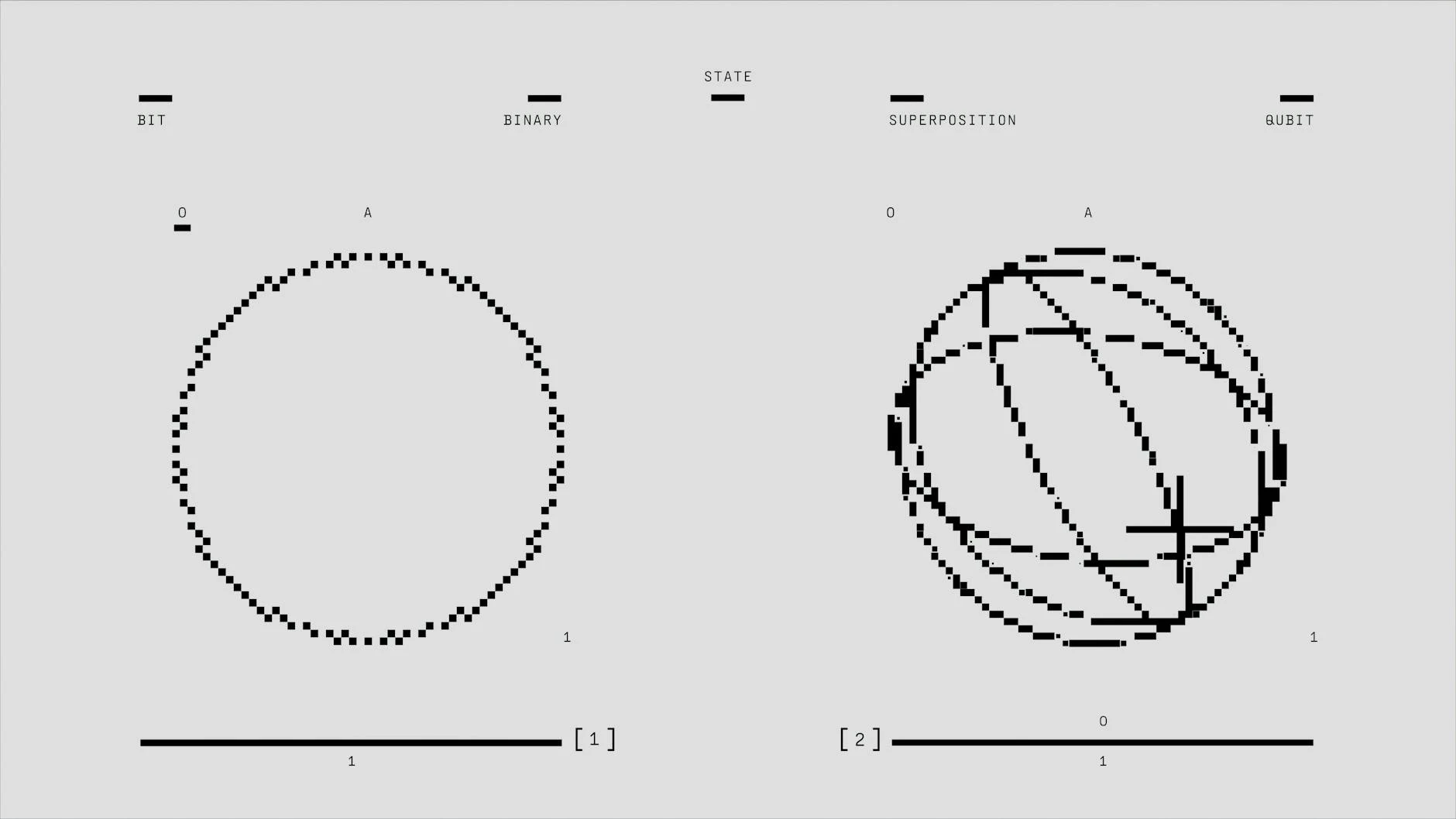
Quantum Computing Breakthroughs: Geopolitical Implications
The Board · Mar 4, 2026
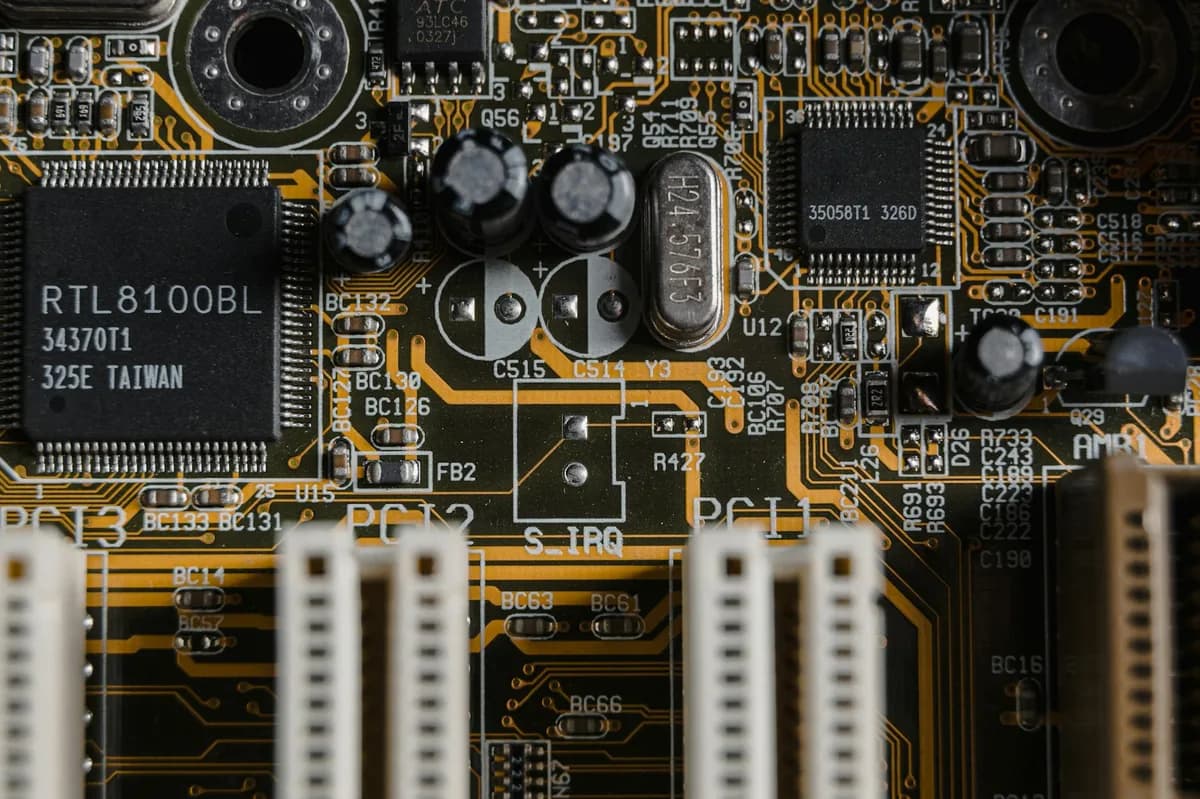
Google's TurboQuant: The Memory Stock Crash
The Board · Mar 26, 2026
Trending on The Board

79 Years of UFO Lies, Roswell to the Pentagon
Defense & Security · Sep 29, 2026

How CENTCOM Is Brokering an Israel-Saudi Pact
Defense & Security · Sep 19, 2026

Why the Pentagon Pulled Its Iran War Plans Offline
Defense & Security · Sep 19, 2026
How a Stablecoin Funded Moldova's 2026 Election
Geopolitics · Sep 19, 2026

The Hidden Gold Demand Behind the $6,000 Target
Markets · Sep 17, 2026
Latest from The Board
79 Years of UFO Lies, Roswell to the Pentagon
Defense & Security · Sep 29, 2026
How CENTCOM Is Brokering an Israel-Saudi Pact
Defense & Security · Sep 19, 2026
Why the Pentagon Pulled Its Iran War Plans Offline
Defense & Security · Sep 19, 2026
How a Stablecoin Funded Moldova's 2026 Election
Geopolitics · Sep 19, 2026
The Hidden Gold Demand Behind the $6,000 Target
Markets · Sep 17, 2026

Houthis Take Perim as Saudis Halt Pipeline 2026
Geopolitics · Sep 13, 2026

Epstein Intelligence Ties: Evidence vs Allegation in 2026
Policy & Intelligence · Sep 6, 2026
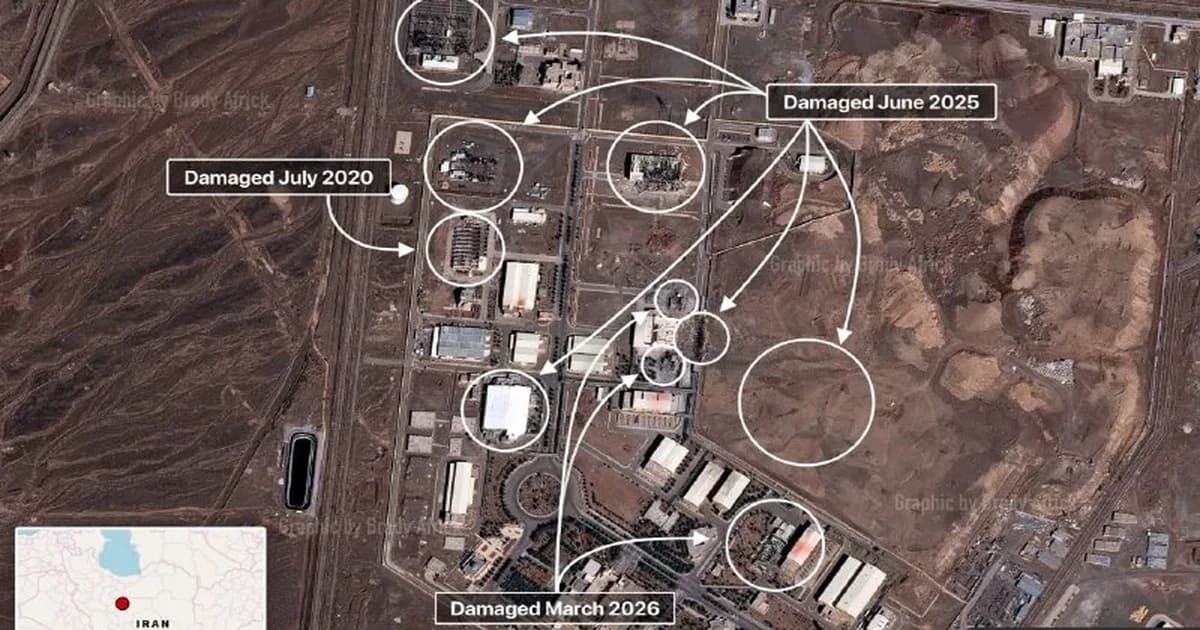
What Israel-Iran War Games Got Wrong About 2026
Defense & Security · Sep 6, 2026