EXECUTIVE SUMMARY
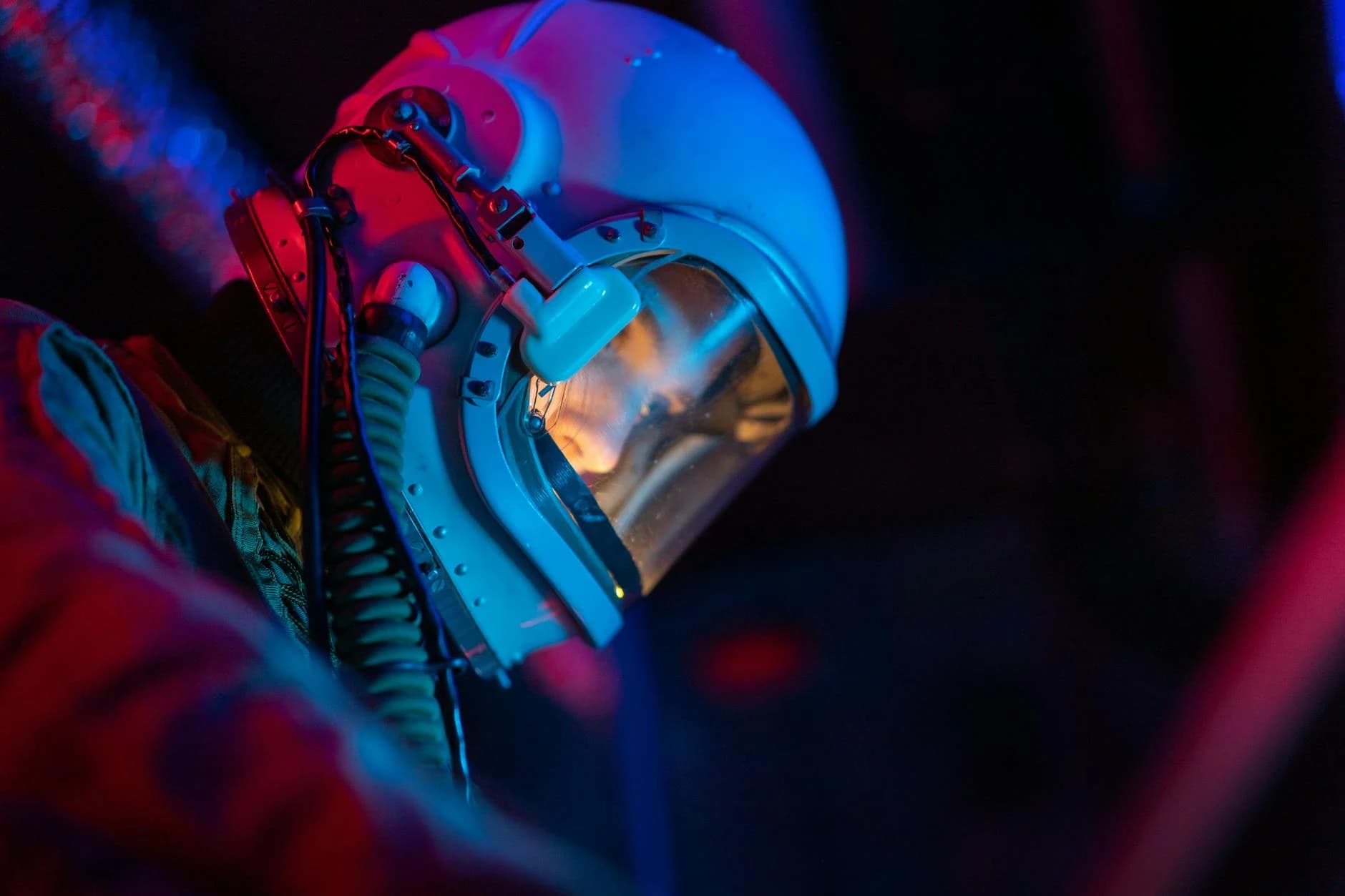
The future of space exploration is a transition from a state-led scientific frontier to a fragmented, industrial-military orbital complex. While launch costs will plummet, the "space economy" will bifurcate between high-margin sovereign defense infrastructure and low-margin commercial commodities, facing a 30% probability of total domain loss due to orbital debris by 2055. The primary driver of value will not be "exploration," but the hardening of orbital data and sovereign "high ground" dominance.
KEY INSIGHTS
- Launch is becoming a "race to the bottom" commodity with zero long-term moat for investors.
- True orbital value resides in "switching costs" of proprietary lab and data architectures like Vast.
- Strategic autonomy will force nations to build redundant, expensive, and non-interoperable launch systems.
- Kinetic debris (Kessler Syndrome) represents a non-linear, existential threat to all LEO assets.
- Human biology remains the "unpatched bug" in deep-space logistics, favoring robotic-first industrialization.
- Nuclear thermal propulsion is the only bottleneck-breaker for Mars-scale sovereignty.
WHAT THE PANEL AGREES ON
- The Launch Monopoly is Ending: SpaceX’s cost-curve dominance is forcing a global pivot toward "Starship-class" heavy-lift capabilities.
- The Pivot to Private: NASA is successfully offloading the maintenance of Low Earth Orbit (LEO) to private entities (Axiom, Vast) to focus on deep space.
- The Data Goldmine: The immediate, bankable utility of space remains Earth-observation, telecommunications, and orbital edge-computing.
WHERE THE PANEL DISAGREES
- Commercial vs. Sovereign: Musk/Bezos see a borderless market; De Gaulle sees space as the ultimate "Force de Frappe." Evidence favors De Gaulle, as geopolitical friction currently limits cross-border space trade.
- Human vs. Robotic: Optimists bet on lunar colonies; skeptics (Buffett/Cartographer) see humans as a "biological tax." Evidence favors the skeptics, as medical costs for human life support dwarf robotic ROI.
THE VERDICT
Invest in orbital infrastructure and "hardened" data, not the rockets themselves.
- Prioritize Robotic Servicing & Debris Mitigation — The "Orbital Common" is getting crowded; the first company to effectively "clean" or "protect" assets owns the sky.
- Harden Critical Infrastructure — Move away from "COTS" (Commercial Off-The-Shelf) electronics to radiation-hardened or liquid-cooled modular units to survive HEMP or solar events.
- Nationalize "Strategic" Access — Governments must fund independent launch (like Ariane 6/7) even if more expensive, to ensure sovereignty isn't outsourced to a private monopoly.
RISK FLAGS
-
Risk: Kessler Syndrome (Debris Cascade)
-
Likelihood: HIGH (within 30 years)
-
Impact: Total loss of LEO domain access for centuries.
-
Mitigation: Immediate international mandate for "active debris removal" (ADR) on every launch.
-
Risk: Biological Degradation
-
Likelihood: MEDIUM
-
Impact: Human "settlement" of Mars becomes a suicide mission, collapsing public support.
-
Mitigation: Pivot "settlement" goals to 100% telerobotic operations with humans in orbital "safe zones."
-
Risk: Sovereign Seizure/War
-
Likelihood: MEDIUM
-
Impact: Private assets (SpaceX/Blue Origin) are "conscripted" or targeted by rival nations.
-
Mitigation: Diversify launch sites and ground stations across neutral or multiple sovereign jurisdictions.
BOTTOM LINE
Space is no longer about the "giant leap for mankind"; it's about who owns the "high-speed server in the sky."
Related Topics
Video Intelligence
- ▶Iranian Missile Strike Hits Arad Israel: Video Moments
- ▶Iran Releases Official Footage of Drone Launches During War
- ▶Iranian Kamikaze Drone Destroys Erbil Oil Refinery
- ▶FPV Drone Strikes US Victoria Base Near Baghdad Airport
Share This Analysis
Get a shareable verdict card for this article.
Get the next one first
Free briefings when we publish major outlooks and forecasts. No spam — unsubscribe anytime.
Related Analysis

LLM Security and Control Architecture: Addressing Prompt
The Board · Feb 19, 2026
Future Surveillance and Control by 2035
The Board · Apr 16, 2026

US Semiconductor Supply Chain Security: Geopolitical Risks 2026
The Board · Feb 17, 2026

Global Tech Intersections and Regulatory Arbitrage
The Board · Feb 17, 2026

Securing LLM Agents and AI Architectures in 2026
The Board · Feb 20, 2026
Quantum Computing Breakthroughs: Geopolitical Implications
The Board · Mar 4, 2026
Trending on The Board

79 Years of UFO Lies, Roswell to the Pentagon
Defense & Security · Sep 29, 2026

How CENTCOM Is Brokering an Israel-Saudi Pact
Defense & Security · Sep 19, 2026

Why the Pentagon Pulled Its Iran War Plans Offline
Defense & Security · Sep 19, 2026
How a Stablecoin Funded Moldova's 2026 Election
Geopolitics · Sep 19, 2026

The Hidden Gold Demand Behind the $6,000 Target
Markets · Sep 17, 2026
Latest from The Board
79 Years of UFO Lies, Roswell to the Pentagon
Defense & Security · Sep 29, 2026
How CENTCOM Is Brokering an Israel-Saudi Pact
Defense & Security · Sep 19, 2026
Why the Pentagon Pulled Its Iran War Plans Offline
Defense & Security · Sep 19, 2026
How a Stablecoin Funded Moldova's 2026 Election
Geopolitics · Sep 19, 2026
The Hidden Gold Demand Behind the $6,000 Target
Markets · Sep 17, 2026
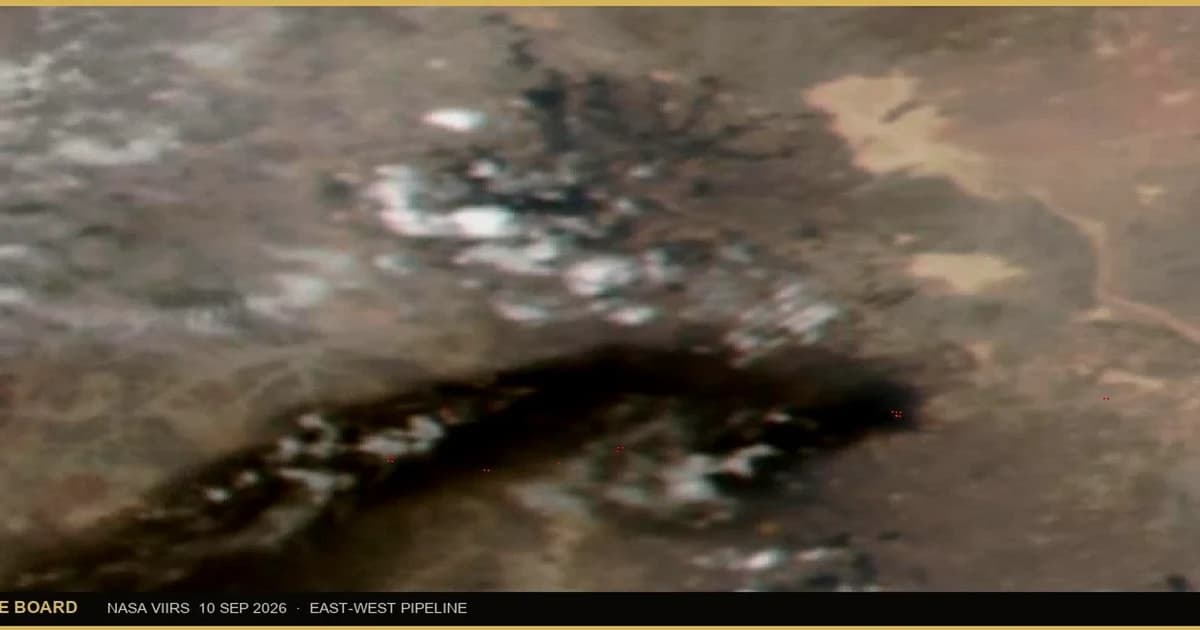
Houthis Take Perim as Saudis Halt Pipeline 2026
Geopolitics · Sep 13, 2026

Epstein Intelligence Ties: Evidence vs Allegation in 2026
Policy & Intelligence · Sep 6, 2026
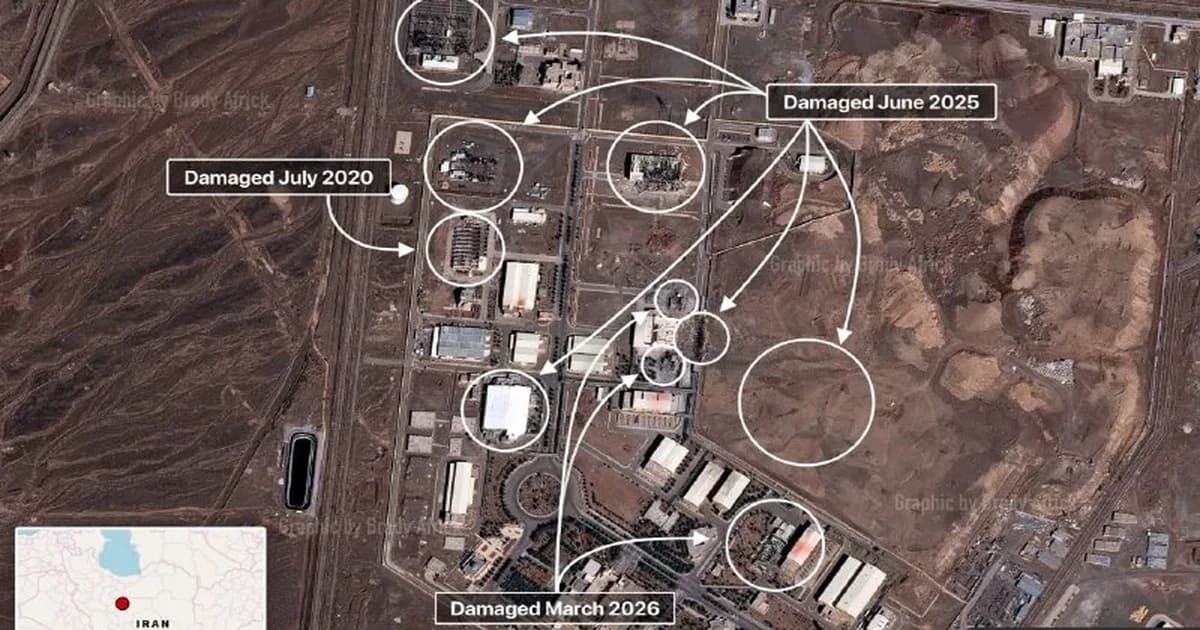
What Israel-Iran War Games Got Wrong About 2026
Defense & Security · Sep 6, 2026