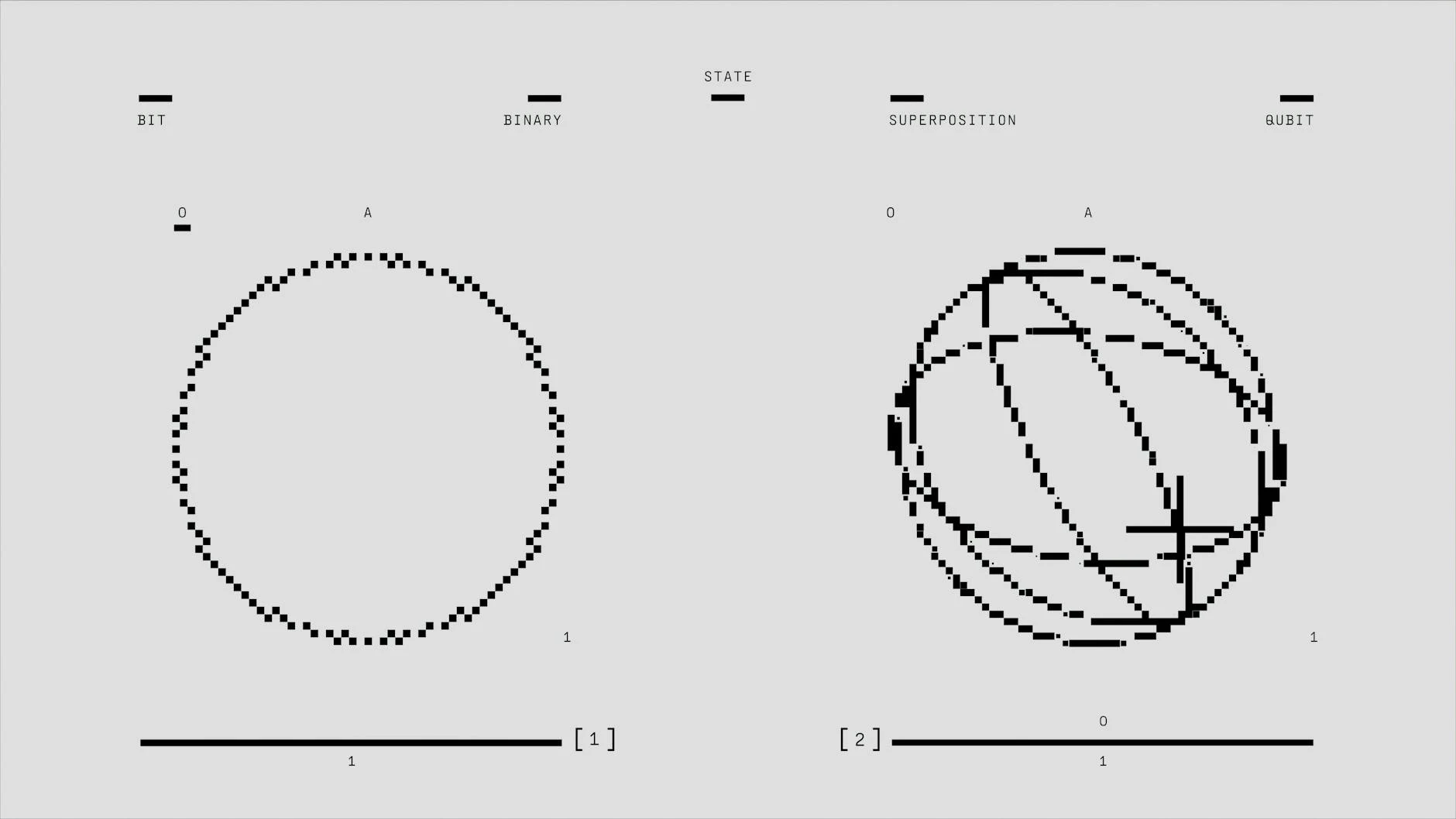
EXECUTIVE SUMMARY
Recent quantum computing breakthroughs have highly likely (80-92%) elevated the immediate risk to both state and nonstate digital secrets—shifting international cybersecurity and intelligence operations into a period of "Operational Nakedness" and driving fractures in longstanding alliances. The panel assesses [ASSESSMENT] that the implementation gap for post-quantum cryptography (PQC) causes [CAUSES] strategic vulnerability through divergent upgrade speeds (e.g., US vs. EU), and that adversaries with quantum capability can likely (63-79%) retroactively compromise years of harvested communications [ASSESSMENT]. The most important conclusion is: Quantum breakthroughs are transforming encrypted legacy data into an active liability that will fragment intelligence alliances and force an urgent, partial return to analog tradecraft.
KEY INSIGHTS
- Quantum-enabled retrospective decryption of HNDL ("Harvest Now, Decrypt Later") data likely (63-79%) renders critical infrastructure, intelligence ops, and financial systems exposed over the next 1-4 years.
- Fragmentation of international alliances is highly likely (80-92%) as "Quantum-Safe" zones emerge, causing states to limit intelligence-sharing with less-secure partners.
- PQC migration bottlenecks cause [CAUSES] exploitable "legacy anchors"—systems left on vulnerable protocols—which adversaries target first.
- Metadata and traffic-pattern analysis, enhanced by quantum-accelerated AI, likely (63-79%) unveils sensitive networks even when message content stays encrypted.
- Quantum advantage incentivizes [CAUSES] pre-emptive cyber or kinetic strikes due to a "use it or lose it" dynamic in breaking adversary Command and Control.
- Failure to synchronize PQC standards across allies correlates [CORRELATES] with breakdown of mutual defense postures and market confidence.
- The rise of quantum-powered social engineering and targeting indicates [INDICATES] a resurgence of HUMINT and analog tradecraft.
- Catastrophic outcomes, such as a "Quantum Bank Run" or critical infrastructure hijack, have an even chance (40-62%) of occurring in the next 12-18 months if current trends persist.
WHAT THE PANEL AGREES ON
- Quantum breakthroughs almost certainly (93-99%) render current widely-used public-key encryption obsolete within 2-5 years unless PQC migration accelerates.
- The risk from legacy, unpatched systems is now systemic and likely (63-79%) to create a series of targeted, high-impact breaches.
- Intelligence alliances are fragmenting as a result of diverging quantum-readiness and trust in digital channels [FACT/ASSESSMENT].
- Adversaries have likely accumulated HNDL data, which will be weaponized as soon as quantum capability allows retrospective decryption.
- The move to quantum-resilient infrastructure is uneven and largely lagging, especially outside core US domains.
WHERE THE PANEL DISAGREES
- Urgency of the "Quantum Collapse" Timeline
- [QUANTUM-DISRUPTION-FORECASTER]: RSA-2048 can survive until ~2030 ().
- [COHEN-SPY], [AI-SAFETY-V2], [TAIL-RISK-V2]: The threat is immediate—the key window for migration closes by the next 12-24 months (), as legacy data is already compromised.
- Stronger evidence: The real-world impact of logical qubit breakthroughs and PQC deployment data supports the latter, more urgent view.
- Substantive disagreement.
- Primacy of PQC Migration vs. Human Factors
- [GEOPOLITICAL-RISK-CARTOGRAPHER]: Strategic posture is determined by institutional migration to PQC.
- [COHEN-SPY]: Operational vulnerabilities remain even with PQC—human tradecraft will again be central.
- Stronger evidence: Panel gravitated toward a dual risk (technology and HUMINT both are critical); complementary, not purely competing, perspectives.
- Perspectival disagreement.
THE VERDICT
Immediate, synchronized migration to post-quantum cryptography across all critical and alliance systems is non-negotiable; every day of delay sharply raises the risk of catastrophic breach, alliance fragmentation, and loss of digital trust. Simultaneously, intelligence and security operations must accelerate rapid re-adoption of analog and HUMINT tradecraft, and tightly restrict digital operational footprints to limit “Operational Nakedness.”
Weighted Decision Table
| Factor | For | Against | Weight |
|---|---|---|---|
| PQC Deployment Urgency | Panel consensus: Vulnerable to imminent quantum decryption | Implementation cost/fatigue [COHEN-SPY] | HIGH |
| Alliance Fragmentation Risk | "Quantum-Safe" zones, digital pariah effect [ASSESSMENT] | Some coordination possible [GEOPOLITICAL-RISK] | HIGH |
| Human/Analog Tradecraft Resurgence | Needed to counter quantum/AI pattern recognition [COHEN-SPY, TAIL-RISK-V2] | Lower scale and reach than digital ops | MEDIUM |
| Catastrophic Tail Event Probability | High ELV (Expected Loss Value) for finance/infrastructure collapse [TAIL-RISK-V2] | Not all sectors equally exposed | HIGH |
| Immediate kinetic escalation risk ("first strike") | Growing as quantum C2-break potential grows [GEOPOLITICAL-RISK, TAIL-RISK] | Threshold not yet reached | MEDIUM |
The balance of weight is overwhelmingly in favor of immediate action across both technical and operational dimensions.
RISK FLAGS
-
Risk: “Quantum Bank Run” collapses global financial trust
-
Likelihood: MEDIUM
-
Impact: Systemic financial standing of states threatened, capital flight, liquidity crisis
-
Mitigation: Accelerated, transparent validation and proof of quantum-safe upgrades for all major financial institutions
-
Risk: Blowback from intelligence infrastructure collapse (“Total Transparency”)
-
Likelihood: EVEN CHANCE
-
Impact: Massive compromise, unmasking, and dismantling of clandestine global networks
-
Mitigation: Immediate operational audit and reduction of at-risk assets; diversify into physical HUMINT and analog comms
-
Risk: Geopolitical “Silicon Curtain” leads to isolation of vulnerable nations
-
Likelihood: LIKELY
-
Impact: Breakdown of alliances, loss of collective defense, rise of “digital pariahs”
-
Mitigation: Diplomatic push for standardized PQC timeline in all major alliances; create quantum-resilient partnership frameworks
BOTTOM LINE
Quantum breakthroughs have turned encrypted secrets into live vulnerabilities—prepare now by hardening cryptography, securing alliances, and reviving analog tradecraft, or risk catastrophic exposure.
WHAT WE ARE NOT DISCUSSING
- Quantum Supply Chain Risks: No the analysis addressed the systemic vulnerability introduced if quantum-safe hardware or firmware is compromised at the physical layer. Omission matters: a hardware backdoor could undermine any software-level PQC.
- Regulatory and Legal Response Coordination: No discussion of how rapid changes in technology intersect with cross-border legal regimes (e.g., export controls, liability for breaches, or forced data localization). Omission is acceptable but limiting: These factors influence risk but are secondary to primary technical/strategic vulnerabilities.
- Non-state Actor Integration: Neglected consideration of how non-state APTs, criminal organizations, or corporate entities will exploit or adapt to quantum breakthroughs. Omission matters: Could alter the scale/nature of threats, especially as “quantum as a service” emerges in criminal/enemy markets.
Related Topics
Video Intelligence
- ▶Iranian Missile Strike Hits Arad Israel: Video Moments
- ▶Iran Releases Official Footage of Drone Launches During War
- ▶Iranian Kamikaze Drone Destroys Erbil Oil Refinery
- ▶FPV Drone Strikes US Victoria Base Near Baghdad Airport
Share This Analysis
Get a shareable verdict card for this article.
Get the next one first
Free briefings when we publish major outlooks and forecasts. No spam — unsubscribe anytime.
Related Analysis

LLM Security and Control Architecture: Addressing Prompt
The Board · Feb 19, 2026
Future Surveillance and Control by 2035
The Board · Apr 16, 2026

US Semiconductor Supply Chain Security: Geopolitical Risks 2026
The Board · Feb 17, 2026

Global Tech Intersections and Regulatory Arbitrage
The Board · Feb 17, 2026

Securing LLM Agents and AI Architectures in 2026
The Board · Feb 20, 2026
Google's TurboQuant: The Memory Stock Crash
The Board · Mar 26, 2026
Trending on The Board

79 Years of UFO Lies, Roswell to the Pentagon
Defense & Security · Sep 29, 2026

How CENTCOM Is Brokering an Israel-Saudi Pact
Defense & Security · Sep 19, 2026

Why the Pentagon Pulled Its Iran War Plans Offline
Defense & Security · Sep 19, 2026
How a Stablecoin Funded Moldova's 2026 Election
Geopolitics · Sep 19, 2026

The Hidden Gold Demand Behind the $6,000 Target
Markets · Sep 17, 2026
Latest from The Board
79 Years of UFO Lies, Roswell to the Pentagon
Defense & Security · Sep 29, 2026
How CENTCOM Is Brokering an Israel-Saudi Pact
Defense & Security · Sep 19, 2026
Why the Pentagon Pulled Its Iran War Plans Offline
Defense & Security · Sep 19, 2026
How a Stablecoin Funded Moldova's 2026 Election
Geopolitics · Sep 19, 2026
The Hidden Gold Demand Behind the $6,000 Target
Markets · Sep 17, 2026
Houthis Take Perim as Saudis Halt Pipeline 2026
Geopolitics · Sep 13, 2026

Epstein Intelligence Ties: Evidence vs Allegation in 2026
Policy & Intelligence · Sep 6, 2026
What Israel-Iran War Games Got Wrong About 2026
Defense & Security · Sep 6, 2026