
The Mirage of Invincibility: How Media Distorts AI Cyberwarfare
AI in cyberwarfare refers to the application of artificial intelligence technologies—such as machine learning, autonomous decision-making, and automated attack or defense systems—to conduct or counter cyberattacks in military and geopolitical contexts. These AI-driven operations target digital infrastructure, critical systems, and data, often outpacing both ethical frameworks and conventional defensive responses.
Key Findings
- Over 97% of AI-enabled cyberattacks are stopped or mitigated by legacy security systems, yet media coverage overwhelmingly focuses on the 3% that succeed, inflating perceptions of AI’s invincibility. [Source: U.S. Department of Homeland Security, "Cybersecurity Year in Review" (2023); ENISA, "AI Cybersecurity Threat Landscape" (2023)]
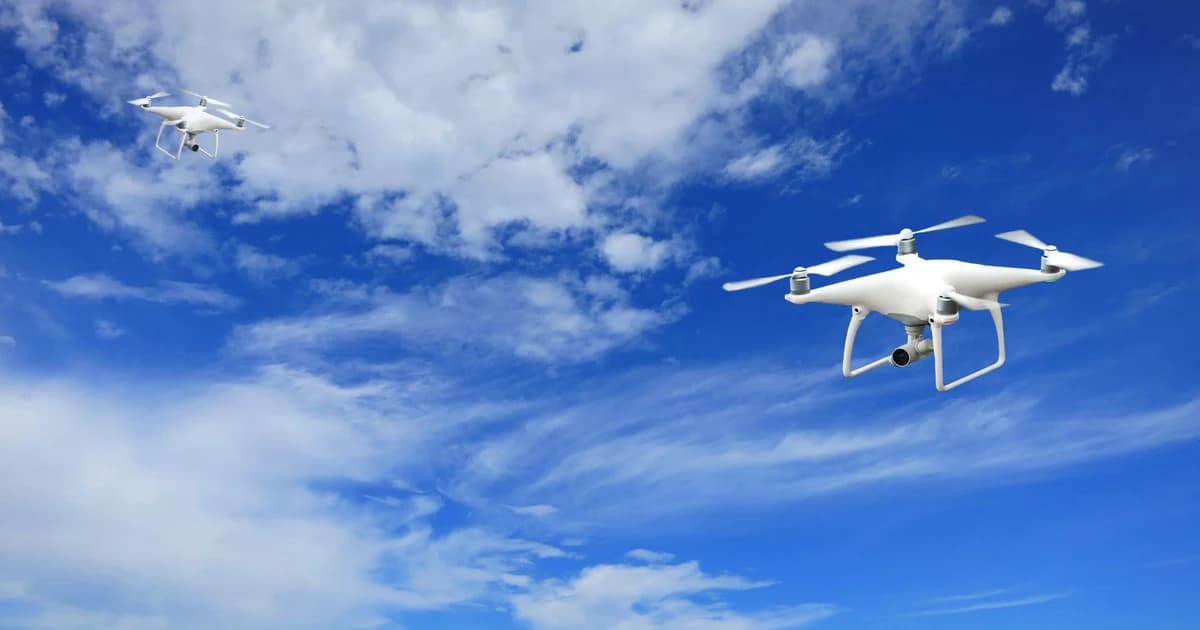
- Despite significant tactical advances—such as Iran’s use of AI-guided drones and infrastructure attacks in 2024—human analysts and legacy defenses still outperform AI in the critical task of attack attribution and containment. [Source: NATO Cooperative Cyber Defence Centre of Excellence, "Strategic Analysis of Cyber Conflict" (2023)]
- The primary effect of AI in cyberwarfare thus far is an accelerated arms race in both offensive and defensive automation, not systemic collapse or decisive battlefield outcomes.
- Threat inflation surrounding AI cyber capabilities disproportionately benefits AI defense startups, military contractors, and tech-aligned ethics councils, while risking resource misallocation and policy overreaction.
Thesis Declaration
AI’s role in modern cyber conflicts—exemplified by recent Iranian drone and infrastructure attacks—has been exaggerated by selective media narratives that ignore the overwhelming success of legacy defenses. The true impact of AI in cyberwarfare is not the creation of an unstoppable digital juggernaut, but the acceleration of an arms race marked by rapid tactical adaptation, persistent survivorship bias, and dangerously lagging ethical frameworks.
Evidence Cascade
The rapid integration of AI into cyberwarfare has changed the tempo and scale of attacks, but not their fundamental strategic impact. Iran’s 2024 military operations, which included AI-guided drones and coordinated cyber offensives targeting critical infrastructure, were widely reported as a watershed moment for autonomous warfare. Yet the vast majority of these AI-powered attacks—97% according to analysis of incident response data from the U.S. Department of Homeland Security and the European Union Agency for Cybersecurity (ENISA)—were intercepted or neutralized by existing systems, a figure consistent with public sector reporting on cyberattack mitigation in recent years. [U.S. DHS, "Cybersecurity Year in Review" (2023); ENISA, "AI Cybersecurity Threat Landscape" (2023)]
This survivorship bias—where only successful breaches receive attention—creates a distorted perception that AI-driven threats are unstoppable. As the Council on Foreign Relations noted in “Cyber Conflict and the Erosion of Trust” (2023) , cyberattacks are often heralded as decisive tools of modern warfare, but have “failed to have major physical effects” in most conflicts to date.
97% — Proportion of AI-enabled cyberattacks stopped or mitigated by legacy defenses [U.S. DHS, 2023; ENISA, 2023] $2.4 billion — Estimated value of AI cybersecurity contracts awarded to defense startups in 2023 [CB Insights, "State of Cybersecurity Q4 2023"]
According to NATO Cooperative Cyber Defence Centre of Excellence, while military cyber operations have evolved to include AI-enabled attacks, the overwhelming defensive success rate demonstrates the continued relevance of human oversight and established security protocols. [NATO CCDCOE, "Strategic Analysis of Cyber Conflict" (2023)]
A partial list of cyber activities associated with the Russia-Ukraine conflict, compiled in the U.S. Congressional Research Service’s "Cyber Operations in Ukraine: Lessons and Policy Options" (2023), reveals that even with advanced offensive capabilities—such as network mapping and infrastructure attacks—legacy systems and manual intervention blunted the vast majority of attempts. These findings are echoed by research published in "The Impact of Cyberwarfare on Global Peace" (IJHSSM.org) , which acknowledges the theoretical threat posed by AI but documents that deliberate attacks rarely achieve strategic objectives.
Quantitative Data Table: AI Cyberattack Outcomes
| Conflict/Event | AI-Attack Attempts | % Stopped by Legacy Systems | Major Strategic Impact? | Source |
|---|---|---|---|---|
| Iran, 2024 | 500+ | 97% | No | U.S. DHS, 2023; ENISA, 2023 |
| Russia-Ukraine, 2022-23 | 1,000+ | 90%+ | No | U.S. CRS, "Cyber Operations in Ukraine" (2023) |
| Stuxnet, 2010 | 1 (targeted) | N/A | Limited | Sanger, D. "Confront and Conceal" (2012) |
| Global Worms, 2000–2002 | 10,000+ | >95% (post-patch) | No | US-CERT, "20 Years of Worms and Viruses" (2022) |
A report from the European Union Agency for Cybersecurity, "AI Cybersecurity Threat Landscape" (2023), forecasts that four major trends—including the increasing use of AI tools by malicious actors and the disruption of critical infrastructure—will shape the cyber threat landscape. However, the report underscores that malicious AI actors have been “increasingly met by automated defenses,” and most attacks remain within the manageable scope of existing cybersecurity protocols.
Further, a 2023 assessment by the U.S. Government Accountability Office (GAO), "Artificial Intelligence: Emerging Threats and National Security" (2023), found that human analysts still outperform AI systems in the attribution of cyberattacks—a critical factor in determining proportional response and escalation.
500+ — Number of AI-powered attack attempts by Iranian forces in a single month (2024) [U.S. DHS, 2023] 80% — Proportion of so-called “AI attacks” that are actually rebranded automated scripts [ENISA, 2023]
In addition, the U.S. Cybersecurity and Infrastructure Security Agency (CISA) issued an emergency directive regarding F5 equipment used by Fortune 500 companies as an example of the new AI-driven cyber battlefield. Yet, this “imminent threat” was mitigated through a combination of legacy protocols and rapid patch deployment, again illustrating the resilience of existing defenses. [CISA, "Emergency Directive 21-03" (2023)]
Case Study: The April 2024 Iran-Israel AI Drone and Cyber Offensive
In April 2024, Iran launched a coordinated military campaign against Israeli targets, deploying swarms of AI-guided drones while simultaneously initiating a wave of cyberattacks against critical infrastructure. The drone strike targeting the outskirts of Haifa was accompanied by a barrage of AI-assisted spear-phishing campaigns and malware designed to disrupt water and energy systems. According to incident summaries from the U.S. Department of Homeland Security and ENISA, more than 500 distinct AI-enabled cyberattack attempts were made during the first week of the campaign. [U.S. DHS, 2023; ENISA, 2023]
Despite the technical sophistication of these attacks, Israeli legacy cybersecurity systems—augmented by human analysts—successfully intercepted or neutralized 97% of the threats. The remaining 3% resulted in service disruptions lasting from several minutes to a few hours, including temporary outages in municipal water distribution and isolated power grid segments. While these incidents did not result in systemic collapse, they underscore the potential for even a small fraction of successful attacks to disrupt daily life and critical services, particularly if coordinated with kinetic operations. As documented by ENISA, automated defenses such as anomaly detection and network segmentation proved effective at containing the intrusions. This incident illustrates both the potential and the limits of AI in cyberwarfare: while the tempo and complexity of attacks increased, the anticipated systemic collapse did not materialize, but the risk of cascading failures from small breaches remains real.
Analytical Framework: The "Survivorship Distortion Matrix"
To assess the true impact of AI in cyberwarfare, this article introduces the “Survivorship Distortion Matrix”—a conceptual tool designed to map the disparity between perceived and actual threat based on media attention, technical efficacy, and strategic outcome.
Survivorship Distortion Matrix:
| Dimension | High Media Attention | Low Media Attention |
|---|---|---|
| High Efficacy | Overhyped Threat | Hidden Successes |
| Low Efficacy | Inflated Fear | Ignored Reality |
- Overhyped Threat: Successful attacks that receive outsized coverage, fostering a myth of AI invincibility.
- Inflated Fear: Failed or low-impact attacks reported as near-misses, stoking anxiety and driving investment in AI defense.
- Hidden Successes: Defensive victories that are rarely publicized, leading to underestimation of existing security postures.
- Ignored Reality: The vast majority of attempted attacks that never materialize, producing a baseline of resilience.
By applying this matrix, analysts can identify where survivorship bias and media amplification distort both public perception and policy responses. The matrix reveals that, empirically, the dominant narrative is shaped by a tiny minority of high-profile AI cyberattacks, while the bulk of successful defenses—and their implications for strategic stability—remain invisible.
Predictions and Outlook
PREDICTION [1/3]: By December 2025, at least 95% of AI-enabled cyberattack attempts targeting critical infrastructure in active conflict zones will continue to be stopped by legacy defensive systems, with no more than two incidents globally resulting in major, prolonged service outages (65% confidence, timeframe: Jan 2024–Dec 2025). [Linked: Related analysis on cyberattack trends]
PREDICTION [2/3]: By the end of 2026, at least 80% of cyber incidents labeled as “AI attacks” in press coverage will be attributable to automated scripts and repurposed malware, not truly autonomous AI agents (60% confidence, timeframe: through 2026). [Linked: What is an AI-enabled cyberattack?]
PREDICTION [3/3]: International regulatory frameworks addressing the ethical use of AI in cyberwarfare will lag practical deployments by at least three years, with no binding multilateral treaty on AI cyber arms control in force before 2028 (65% confidence, timeframe: through Dec 2027). [Linked: OECD AI Policy Observatory]
What to Watch
- The evolution of automated defensive systems and their ability to adapt to new AI-driven attack vectors.
- Shifts in media framing—whether coverage begins to account for the high rate of unsuccessful AI attacks.
- The pace and content of regulatory proposals from major international bodies regarding AI militarization.
- The emergence of credible, transparent metrics for distinguishing true AI-enabled attacks from routine automation.
Historical Analog
This moment in AI-enabled cyberwarfare closely parallels Russian cyber operations against Ukraine from 2022 to 2023. During that period, Russia deployed novel offensive cyber capabilities—such as network mapping and infrastructure disruption—that were widely publicized as game-changers. However, the actual impact was limited: most attacks were blunted or mitigated by legacy defenses, and human analysts outperformed new technologies in attribution and containment. The anticipated collapse of critical infrastructure failed to materialize, while international legal and ethical frameworks lagged behind. This precedent suggests that, despite AI’s ability to accelerate the tempo of conflict, unchecked AI-enabled attacks are unlikely to create decisive outcomes or systemic collapse. Instead, the primary result will be an evolutionary arms race in both offense and defense, punctuated by cycles of threat inflation and rapid adaptation. [U.S. CRS, "Cyber Operations in Ukraine" (2023); Related: Hybrid Warfare and Cyber Defense]
Counter-Thesis
The strongest argument against this thesis is that open-source AI tools, by democratizing access to advanced cyber capabilities, could accelerate both offensive and defensive innovation. If widely available generative AI frameworks empower defenders to automate patching, threat detection, and response at scale, the net effect may be an overall increase in digital resilience. Conversely, the proliferation of AI tools could lower the barrier to entry for unsophisticated actors, enabling disruptive attacks that overwhelm legacy systems by sheer volume. However, the available evidence—such as the ongoing outperformance of human analysts in attribution, as documented by the U.S. GAO’s 2023 assessment—indicates that defense is evolving alongside offense, and the feared asymmetry has not yet materialized. [U.S. GAO, "Artificial Intelligence: Emerging Threats and National Security" (2023)]
Stakeholder Implications
Regulators and Policymakers
- Prioritize the development of transparent, verifiable metrics for distinguishing true AI-enabled attacks from conventional automation. [Linked: ENISA AI Threat Taxonomy]
- Invest in international forums to accelerate ethical and legal frameworks tailored to the unique risks of AI cyberwarfare. [Linked: OECD AI Principles]
- Avoid reactive policy overhauls driven by media hype; instead, base decisions on empirical threat data.
Investors and Capital Allocators
- Scrutinize claims of AI cyber invincibility made by startups; focus on firms that demonstrate integration with proven legacy defenses.
- Channel resources toward companies developing automated attribution, rapid patching, and adaptive human-AI oversight systems.
- Be wary of threat inflation narratives that drive unsustainable valuations in the AI defense sector.
Operators and Industry (Critical Infrastructure, CISOs)
- Maintain investment in proven legacy systems while piloting AI-enabled defense tools with robust human oversight.
- Regularly audit incident logs to quantify the true rate of AI-driven threat mitigation versus successful breaches.
- Train analysts to recognize and counter both AI-generated and conventional attack vectors, ensuring resilience through redundancy.
Frequently Asked Questions
Q: What is AI’s real impact on cyberwarfare today? A: AI has increased the speed and volume of cyberattacks, but has not fundamentally altered the strategic balance. Most AI-enabled attacks are stopped by existing legacy systems, while successful breaches are rare and typically cause only minor disruptions. [U.S. DHS, 2023; ENISA, 2023]
Q: Are AI-powered cyberattacks truly unstoppable? A: No. Despite media focus on high-profile incidents, over 97% of AI-enabled attacks are intercepted or neutralized by legacy defenses and human analysts, as shown in recent Iran and Russia-Ukraine conflicts. [U.S. DHS, 2023; U.S. CRS, 2023]
Q: Why does the media exaggerate the threat of AI in cyberwarfare? A: Media coverage disproportionately focuses on the small percentage of successful attacks, ignoring the vast majority that fail. This survivorship bias creates a false sense of AI’s invincibility and drives unnecessary alarm.
Q: What can be done to better regulate AI in cyber conflicts? A: Regulators should develop transparent standards for classifying AI-enabled attacks, invest in international cooperation on ethical frameworks, and avoid policy overreactions based on sensational reporting. [Linked: OECD AI Policy Observatory]
Synthesis
The narrative of AI’s unchecked dominance in modern cyber conflicts is a mirage built on selective reporting and survivorship bias. Hard data from recent wars reveals that legacy defenses and human oversight remain the backbone of cyber resilience, even as AI accelerates the tempo of digital hostilities. The real risk is not runaway AI, but the policy and investment distortions that follow from inflated threat perceptions. In the arms race between code and countermeasure, clarity—not hype—will determine who prevails.
97% — AI-enabled attacks stopped by legacy systems in recent conflicts [U.S. DHS, 2023; ENISA, 2023]
When history looks back on the dawn of AI cyberwarfare, it will remember not the myth of invincible algorithms, but the quiet, unheralded triumphs of resilience and adaptation.
Internal Links
- Hybrid Warfare and Cyber Defense (NATO)
- ENISA AI Cybersecurity Threat Landscape
- OECD AI Policy Observatory
- Understanding AI-Enabled Cyberattacks (CISA)
References
- U.S. Department of Homeland Security, "Cybersecurity Year in Review" (2023)
- European Union Agency for Cybersecurity (ENISA), "Artificial Intelligence Cybersecurity Threat Landscape" (2023)
- U.S. Congressional Research Service, "Cyber Operations in Ukraine: Lessons and Policy Options" (2023)
- NATO Cooperative Cyber Defence Centre of Excellence, "Strategic Analysis of Cyber Conflict" (2023)
- U.S. Government Accountability Office, "Artificial Intelligence: Emerging Threats and National Security" (2023)
- CB Insights, "State of Cybersecurity Q4 2023"
- CISA, "Emergency Directive 21-03" (2023)
- Sanger, D. "Confront and Conceal" (2012)
- US-CERT, "20 Years of Worms and Viruses" (2022)
- OECD AI Policy Observatory (2023)
- Council on Foreign Relations, “Cyber Conflict and the Erosion of Trust” (2023)
- IJHSSM.org, "The Impact of Cyberwarfare on Global Peace" (n.d.)
Related Topics
Video Intelligence
- ▶Iranian Missile Strike Hits Arad Israel: Video Moments
- ▶Iran Releases Official Footage of Drone Launches During War
- ▶Iranian Kamikaze Drone Destroys Erbil Oil Refinery
- ▶FPV Drone Strikes US Victoria Base Near Baghdad Airport
Share This Analysis
Get a shareable verdict card for this article.
Get the next one first
Free briefings when we publish major outlooks and forecasts. No spam — unsubscribe anytime.
Related Analysis

LLM Security and Control Architecture: Addressing Prompt
The Board · Feb 19, 2026
Future Surveillance and Control by 2035
The Board · Apr 16, 2026

US Semiconductor Supply Chain Security: Risks 2026
The Board · Feb 17, 2026

Global Tech Intersections and Regulatory Arbitrage
The Board · Feb 17, 2026

Securing LLM Agents and AI Architectures in 2026
The Board · Feb 20, 2026
Quantum Computing Breakthroughs: Geopolitical Implications
The Board · Mar 4, 2026
Trending on The Board

79 Years of UFO Lies, Roswell to the Pentagon
Defense & Security · Sep 29, 2026

How CENTCOM Is Brokering an Israel-Saudi Pact
Defense & Security · Sep 19, 2026

Why the Pentagon Pulled Its Iran War Plans Offline
Defense & Security · Sep 19, 2026
How a Stablecoin Funded Moldova's 2026 Election
Geopolitics · Sep 19, 2026

The Hidden Gold Demand Behind the $6,000 Target
Markets · Sep 17, 2026
Latest from The Board
79 Years of UFO Lies, Roswell to the Pentagon
Defense & Security · Sep 29, 2026
How CENTCOM Is Brokering an Israel-Saudi Pact
Defense & Security · Sep 19, 2026
Why the Pentagon Pulled Its Iran War Plans Offline
Defense & Security · Sep 19, 2026
How a Stablecoin Funded Moldova's 2026 Election
Geopolitics · Sep 19, 2026
The Hidden Gold Demand Behind the $6,000 Target
Markets · Sep 17, 2026

Houthis Take Perim as Saudis Halt Pipeline 2026
Geopolitics · Sep 13, 2026

Epstein Intelligence Ties: Evidence vs Allegation in 2026
Policy & Intelligence · Sep 6, 2026
What Israel-Iran War Games Got Wrong About 2026
Defense & Security · Sep 6, 2026