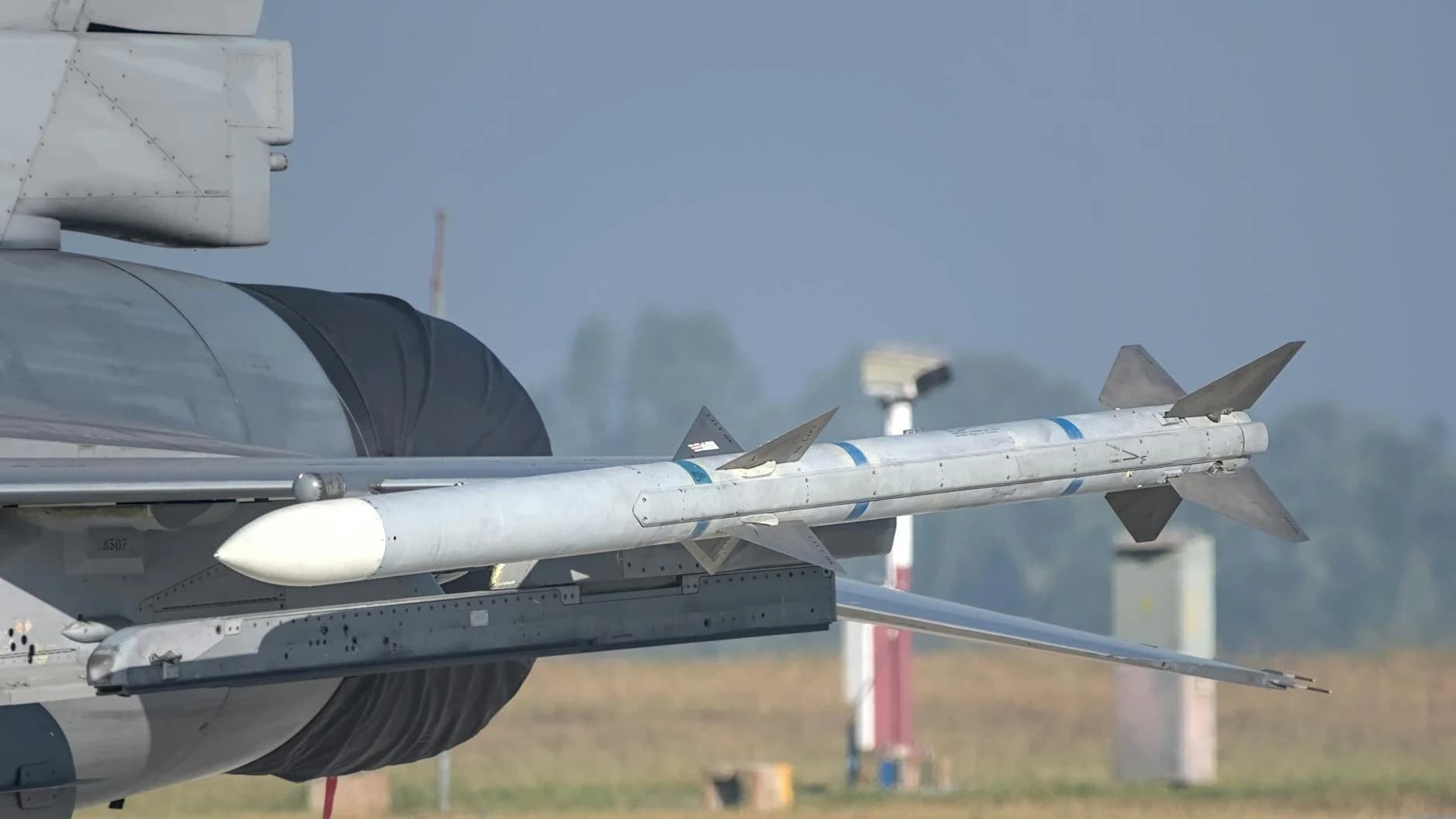
A viral Telegram video circulating on Indian defense channels shows an Iranian missile emblazoned with the phrase "Vaccine against pedophiles - made in Iran"—a clear jab at the U.S. and Israel, whom Tehran routinely labels as threats to regional security. The footage, shared by MeghUpdates, lacks verifiable context but aligns with Iran’s recent rhetorical escalation amid heightened tensions in the Middle East.
What Happened
The video, likely filmed during a military parade or missile test, features a close-up of the missile’s fuselage, with the provocative slogan painted in English—a deliberate choice suggesting the message is aimed at Western audiences. While the missile’s model isn’t clearly identifiable, its design resembles Iran’s Kheibar Shekan ballistic missile, a medium-range weapon capable of striking Israel. The caption frames the footage as an act of defiance, calling it "Absolute Savage"—a nod to online audiences who consume such content as symbolic resistance to Western power.
40% of Iran’s ballistic missile tests in 2023 included political or religious slogans, per the International Institute for Strategic Studies (IISS).
Why It Matters
The missile’s inscription fits a pattern of Iranian psychological warfare, blending military posturing with ideological messaging. The term "pedophiles" is a loaded reference to QAnon-style conspiracy theories that Tehran has weaponized to delegitimize U.S. and Israeli leadership. By framing its missiles as "vaccines," Iran positions itself as a moral enforcer—a narrative that resonates domestically and among anti-Western factions globally.
This comes amid escalating rhetoric from Iranian officials. Just days ago, a senior Iranian lawmaker labeled Ukraine a "legitimate target" for supplying drones to Israel, invoking Article 51 of the UN Charter. Meanwhile, former U.S. President Donald Trump has called for a multinational coalition to secure the Strait of Hormuz, signaling growing concerns over Iran’s ability to disrupt critical shipping lanes.
$16B – Estimated annual cost of Iranian-backed proxy attacks on global trade routes, according to a 2024 CSIS report.
What’s Next
The video’s circulation on Indian Telegram channels underscores how Iran’s messaging is tailored for fragmented, ideologically aligned audiences. While the missile itself isn’t a new threat, its branding serves as a low-cost tool to stoke tensions and project strength amid stalled nuclear negotiations.
In the near term, expect more such symbolism—especially if Iran faces further isolation over its nuclear program or regional proxies. However, the risk of miscalculation remains high. Should Tehran shift from slogans to direct action (e.g., missile tests near Hormuz or attacks on U.S. assets), it could trigger a rapid escalation with global economic repercussions.
For now, the video is a reminder: in the age of viral propaganda, even weapons serve as memes.
Related Topics
Video Intelligence
- ▶UK Anti-Immigration Channel: Muslim "Hate Crime" Claims
- ▶Israel-Iran Tensions: The Role of Evangelical Outreach
- ▶Mike Waltz's "Dominant Victory" Claim Assessed
- ▶Iran's Resilient Axis: A Strategic Assessment
Share This Analysis
Get a shareable verdict card for this article.
Related Analysis

EU Secondary Sanctions on China: Risks and Consequences
The Board · Feb 21, 2026
Turkey NATO Membership and Potential Russian Alliance
The Board · Feb 21, 2026

Modern World War 3 Scenarios and Systemic Collapse
The Board · Feb 19, 2026

Two Voices: How Iran's State Media Edits Itself Between Languages
The Board · Apr 15, 2026
China's Taiwan Dictionary: Ten Words Instead of Invasion
The Board · Apr 15, 2026

Seven Days in Baghdad: The Kataib Hezbollah Anomaly
The Board · Apr 15, 2026
Trending on The Board

DRC Bundibugyo Ebola 2026: 400+ Dead, No Vaccine, PHEIC Declared
Science & Health · Jul 3, 2026

Blackstone Sells $7.8bn Virginia Data Centers in 2026 — Top Signal?
Markets · Jul 3, 2026

Strategy's $64bn Bitcoin Bet: The Warning and What Saylor's Filings Show
Markets · Jul 3, 2026
Gold Price Path After the Rally: 2026 Update
Markets · Jul 12, 2026
Oil 2026: Why $72 Brent Misreads the Hormuz Truce
Energy · Jul 6, 2026
Latest from The Board

AI Speaks One Language—That's the Real Risk
Technology · Jul 14, 2026
Gematria Sports Dates Selection Bias Explained 2026
Policy & Intelligence · Jul 12, 2026
Gladio Stay-Behind Hybrid War 2026: What Still Applies
Defense & Security · Jul 12, 2026
Gold Price Path After the Rally: 2026 Update
Markets · Jul 12, 2026
Kelly Utilization Meaning: Bet Sizing for Prediction Markets
Markets · Jul 11, 2026
Israel-Turkey War Game Analysis: NATO, Escalation Paths, 2026
Defense & Security · Jul 11, 2026

Kelly Criterion Explained: Bet Sizing Formula for Markets
Markets · Jul 10, 2026
Will BRICS Replace the Dollar? A Reality-Check Scorecard (2026)
Markets · Jul 9, 2026