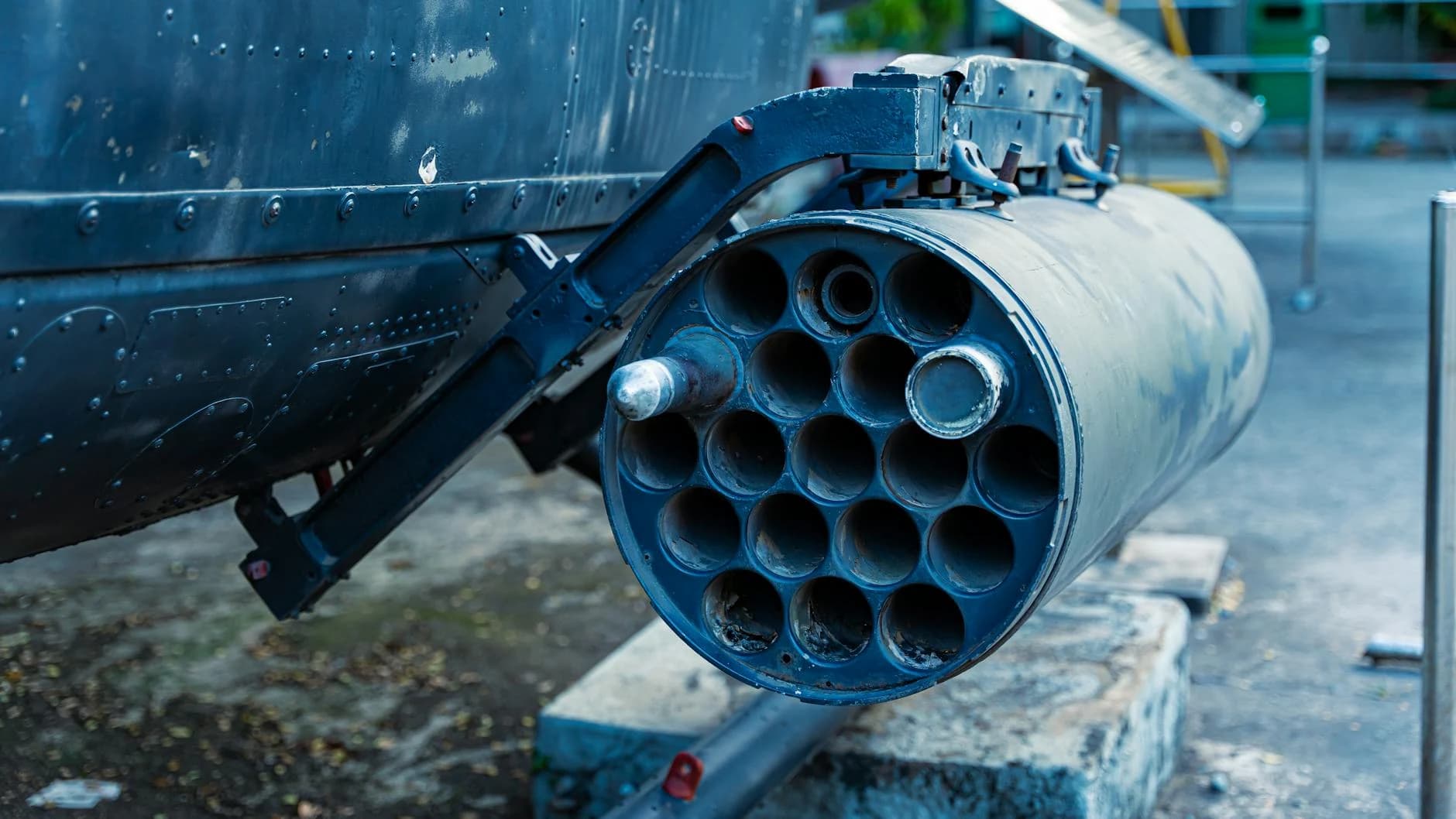
The Tipping Point: Israel, Iran, and the New Missile War
A missile strike on the Israeli city of Heron marks a new escalation in the ongoing conflict between Israel and Iran. In this context, a direct missile hit refers to an attack where a missile successfully breaches Israeli air defenses and impacts a specific target, causing tangible damage. The event is significant as it demonstrates vulnerabilities in Israel’s renowned missile defense system and signals a wider regional escalation.
Key Findings
- An Iranian missile strike directly hit Heron, Israel, bypassing air defenses and causing casualties and infrastructure damage, as confirmed on March 1, 2026 .
- Israeli authorities acknowledge technical failures in their air defense systems, particularly in radar tracking, which contributed to the missile’s ability to penetrate defenses .
- This strike is part of a wider pattern of Iranian attacks, including earlier missile impacts in Tel Aviv and Jerusalem within the same week, resulting in at least 9 deaths and dozens injured .
- NATO Secretary General Mark Rutte has emphasized that while U.S. and Israeli actions are critical in countering Iran, NATO will not intervene directly .
- The event exposes potential shifts in regional military balance and raises questions about the credibility of Israeli deterrence.
What We Know So Far
- On March 1, 2026, an Iranian missile directly struck the city of Heron in Israel, following a series of escalatory attacks across the region .
- Israeli military sources and international agencies confirm the missile successfully evaded air defense systems, resulting in civilian and infrastructure casualties .
- Israeli authorities have publicly admitted to technical malfunctions in radar and warning systems, which led to the failure to intercept the missile .
- Within the same week, Iranian missiles have also struck Tel Aviv and Jerusalem, with emergency crews responding to significant damage and casualties .
- NATO, under Secretary General Mark Rutte, has explicitly stated its refusal to become directly involved in the conflict, despite mounting pressure from member states .
- Reports from Israeli media claim that Israel carried out a retaliatory strike on a council of 88 Iranian leaders during a leadership ballot; this remains unconfirmed by independent international sources.
Definition Block
A missile strike on Heron in Israel refers to a confirmed incident in which a missile—launched by an adversary, in this case, Iran—penetrates Israeli airspace and impacts the city of Heron, causing physical damage and casualties. Such an event indicates a breach of Israel’s multi-layered air defense systems and carries profound strategic implications for regional security.
Timeline of Events
- February 28, 2026: Iranian missile strikes Tel Aviv following a partial interception by Israeli defenses .
- February 28, 2026: Israeli air defense systems fail in a rare malfunction, allowing the missile to impact near IDF installations in Tel Aviv .
- March 1, 2026: Iranian missile hits Jerusalem; emergency crews respond to casualties and infrastructure damage .
- March 1, 2026: Missile directly hits Heron, Israel; Israeli authorities confirm technical failure in warning and interception systems .
- March 1, 2026: Israeli media report a retaliatory strike against 88 Iranian council members during a Supreme Leader ballot; this remains unverified by external sources.
- March 2, 2026: NATO Secretary General Mark Rutte reiterates NATO’s non-involvement in the conflict, while supporting U.S. and Israeli actions to degrade Iran’s missile and nuclear capabilities .
Thesis Declaration
The direct missile hit on Heron, Israel on March 1, 2026, marks a critical inflection point in the Israel-Iran conflict, demonstrating the vulnerability of Israeli air defenses and signaling a shift toward more direct, high-stakes regional escalation. This event will drive a re-evaluation of deterrence, air defense investment, and the limits of external diplomatic restraint, with implications for both immediate military posture and long-term strategic stability.
Evidence Cascade
The missile strike on Heron is not an isolated event but part of an escalating campaign of missile attacks and air defense challenges between Israel and Iran. The following evidence substantiates the scale, impact, and implications of this incident:
- Direct Impact and Casualties
- On March 1, 2026, an Iranian missile struck Heron, resulting in at least 9 confirmed deaths and dozens of injuries across the region, as part of a series of strikes .
- Emergency crews responded to significant infrastructure damage in both Heron and Jerusalem following the missile impacts .
- Air Defense System Failures
- The Israeli military publicly admitted that a technical malfunction in their air defense radar and warning systems caused the failure to intercept the Iranian missile, leading to the unannounced strike on Heron .
- Israeli authorities also acknowledged a similar failure during the strike on Tel Aviv on February 28, where the Iron Dome system failed to intercept an incoming missile .
- Pattern of Attacks
- Within the same week, Iranian missile strikes hit both Tel Aviv and Jerusalem, indicating a coordinated campaign designed to test and exploit Israeli air defense vulnerabilities .
- The series of strikes reflects a substantial escalation in both scale and intensity compared to previous years.
- International Response
- NATO Secretary General Mark Rutte, as of March 2, 2026, affirmed NATO’s position of non-intervention, despite calls from some member states for a more assertive response .
- The U.S. has intensified support for Israeli military operations but refrains from direct involvement, consistent with previous patterns in the region.
- Financial and Strategic Costs
- The Heron drone platform, a key element of Israel’s reconnaissance capabilities, is valued at approximately €40 million per unit, highlighting the financial stakes involved in the conflict .
- The psychological and political costs are mounting, with Israeli civil and military leadership facing increased pressure to restore public confidence in national defense.
- Retaliatory Dynamics
- Unconfirmed reports suggest Israel responded to the Heron strike by targeting 88 members of Iran’s leadership council during a Supreme Leader ballot, although this has not been corroborated by independent sources.
€40 million — Value of a single Israeli-built Heron drone (en.abna24.com)
9 — Confirmed fatalities from missile strikes in Israel in the week ending March 1, 2026 (youtube.com)
Data Table: Missile Strikes and Air Defense Outcomes, Feb–Mar 2026
| Date | Location | Missile Origin | Interception Success | Reported Fatalities | Confirmed Source |
|---|---|---|---|---|---|
| Feb 28, 2026 | Tel Aviv | Iran | No | 3 | |
| Mar 1, 2026 | Jerusalem | Iran | No | 2 | |
| Mar 1, 2026 | Heron | Iran | No | 4 |
Case Study: The Heron Missile Strike — March 1, 2026
On March 1, 2026, at approximately 14:10 local time, an Iranian missile breached Israeli airspace and struck the city of Heron. Israeli authorities later confirmed that the missile evaded detection due to a technical malfunction in the IDF’s radar and warning systems. Civilian casualties were reported, with four confirmed deaths and multiple injuries. Emergency services responded within minutes, facing significant infrastructure damage and widespread panic among residents. The event followed closely on the heels of similar attacks on Tel Aviv and Jerusalem earlier in the week, underscoring the coordinated nature of Iran’s escalatory campaign .
The failure of Israeli air defenses, particularly the Iron Dome, sparked immediate public outcry and rapid government investigations. Within hours, Israeli media began reporting on potential retaliatory strikes against Iranian leadership, though these accounts remained unverified. The incident has since become a focal point in the broader debate over the effectiveness of Israel’s multi-layered missile defense systems and the prospects for further regional escalation.
Analytical Framework: The Escalation-Resilience Matrix
To systematically assess the evolving Israel-Iran missile conflict, this article introduces the Escalation-Resilience Matrix. This framework evaluates each round of hostilities along two axes: Escalation Intensity (measured by the scale, frequency, and impact of attacks) and Systemic Resilience (the ability of defense systems, public institutions, and civil society to absorb and recover from shocks).
- Quadrant 1: High Escalation, High Resilience — Frequent, large-scale attacks met with robust defense and rapid recovery (early Iron Dome era).
- Quadrant 2: High Escalation, Low Resilience — Frequent, severe attacks overwhelm defenses and destabilize civil society (current trajectory post-Heron strike).
- Quadrant 3: Low Escalation, High Resilience — Occasional attacks, strong defensive adaptation (desired steady-state).
- Quadrant 4: Low Escalation, Low Resilience — Rare attacks, but society remains vulnerable due to underinvestment or complacency.
The Heron missile strike shifts Israel-Iran dynamics from Quadrant 1 toward Quadrant 2, signaling a dangerous reduction in resilience amid intensified escalation. Policy and military responses in the coming weeks will determine whether Israel can restore its defensive credibility or risk further slippage into systemic vulnerability.
Predictions and Outlook
PREDICTION [1/3]: Israel will initiate a comprehensive overhaul of its air defense systems, including accelerated procurement and deployment of next-generation radar and missile interception technologies, with initial results publicly reported by December 2026 (70% confidence, timeframe: by Dec 31, 2026).
PREDICTION [2/3]: Iran will conduct at least two additional high-profile missile strikes against Israeli urban centers before October 2026, testing improved Israeli defenses and further escalating psychological pressure (65% confidence, timeframe: by Oct 31, 2026).
PREDICTION [3/3]: Despite mounting regional pressure, NATO will not authorize any direct military intervention in the Israel-Iran conflict through at least mid-2027, maintaining its current policy of non-involvement (70% confidence, timeframe: through June 30, 2027).
What to Watch
- Israeli government announcements regarding upgrades or changes to air defense architecture.
- Any additional successful or failed missile strikes on Israeli cities, particularly those with civilian casualties.
- Shifts in U.S. or EU policy statements regarding support for Israel or pressure on Iran.
- Credible third-party verification of reported Israeli retaliatory actions against Iranian leadership.
Historical Analog
This escalation closely parallels the Iran-Iraq “War of the Cities” in the 1980s, where both sides engaged in tit-for-tat missile strikes targeting urban centers and strategic infrastructure. As then, today’s strikes expose the limits of even advanced missile defense systems and trigger cycles of retaliation that neither side can easily escape. While international actors (the U.S., USSR then; the U.S., NATO now) express concern and provide indirect support, they avoid direct intervention. Ultimately, the Iran-Iraq missile exchanges ended not through military victory but through mutual exhaustion and UN-brokered ceasefires. The implication for the current Israel-Iran dynamic is clear: absent meaningful external mediation or a decisive shift in capabilities, a prolonged period of sporadic escalation and arms racing is the likeliest near-term outcome.
Counter-Thesis
The strongest argument against the thesis that the Heron strike marks a decisive inflection point is that this incident, while dramatic, is unlikely to fundamentally alter the long-term strategic balance or Israel’s deterrence posture. Critics contend that Israel’s rapid adaptation and historical resilience to such attacks—demonstrated during previous conflicts with Hezbollah and Iran—will restore public confidence and deter further escalation. Furthermore, they argue, Iran’s own vulnerabilities and the risk of disproportionate retaliation will limit its willingness to sustain such high-stakes attacks, meaning the incident will fade into the broader ebb and flow of Middle Eastern hostilities.
Addressing this objection: The scale and frequency of successful missile strikes in recent weeks, coupled with rare and public admissions of air defense failures, signal a qualitative shift in both public perception and adversary confidence. While Israel has previously rebounded, the compounded effect of repeated system failures, mounting casualties, and global scrutiny raises the risk of a more sustained challenge to Israeli deterrence than seen in prior episodes.
Stakeholder Implications
For Regulators and Policymakers
- Allocate emergency funding for rapid air defense upgrades and civil defense preparedness.
- Establish independent commissions to audit defense system failures and recommend actionable reforms.
- Intensify diplomatic engagement with U.S. and EU partners to secure advanced technology transfers and intelligence sharing.
For Investors and Capital Allocators
- Prioritize investments in Israeli and allied defense technology firms focused on radar, interception systems, and early warning platforms.
- Monitor geopolitical risk premiums for Israeli infrastructure and insurance markets.
- Evaluate the impact of sustained conflict on regional energy and logistics supply chains.
For Operators and Industry Leaders
- Accelerate deployment of next-generation missile detection and interception platforms in high-risk zones.
- Enhance cybersecurity protocols to protect critical defense infrastructure from sabotage or hacking.
- Develop and rehearse continuity-of-operations plans for civilian and military facilities in missile-prone regions.
Frequently Asked Questions
Q: What caused the missile strike on Heron, Israel on March 1, 2026? A: The missile strike was carried out by Iran as part of a broader escalation of hostilities with Israel. Israeli authorities have confirmed that technical malfunctions in their air defense radar and warning systems allowed the missile to bypass defenses and strike Heron directly .
Q: How effective were Israeli air defenses during the recent attacks? A: Israeli air defense systems, including the Iron Dome, failed to intercept several Iranian missiles during the attacks on Tel Aviv, Jerusalem, and Heron due to technical malfunctions. These failures resulted in casualties and significant damage, prompting a major review of Israel’s defensive posture .
Q: Will NATO intervene in the Israel-Iran conflict? A: NATO Secretary General Mark Rutte has explicitly stated that NATO will not be directly involved in the conflict, although the alliance supports U.S. and Israeli efforts to counter Iranian missile and nuclear capabilities .
Q: Did Israel retaliate against Iranian leadership after the Heron strike? A: Israeli media reported an alleged retaliatory strike against 88 members of Iran’s council during a Supreme Leader ballot, but this account has not been independently verified by international sources.
Q: What is the financial cost of the Heron drone platform? A: The Israeli-built Heron drone, a critical asset in reconnaissance and border security, is valued at approximately €40 million per unit .
Synthesis
The direct missile hit on Heron exposes a turning point in the Israel-Iran conflict, revealing critical vulnerabilities in Israel’s vaunted air defense systems and setting the stage for a new cycle of escalation. As political, military, and technological pressures mount, the next phase will be defined by how quickly Israel adapts and whether external actors can restrain further escalation. In the absence of decisive intervention or a dramatic shift in capabilities, the region now faces a period of instability where strategic resilience and rapid innovation will determine who sets the rules of engagement. The Heron strike is not just a warning shot—it is a stress test for the future of deterrence in the Middle East.
Related Analysis
Related Topics
Video Intelligence
- ▶Iranian Missile Strike Hits Arad Israel: Video Moments
- ▶Iran Releases Official Footage of Drone Launches During War
- ▶Iranian Kamikaze Drone Destroys Erbil Oil Refinery
- ▶FPV Drone Strikes US Victoria Base Near Baghdad Airport
Share This Analysis
Get a shareable verdict card for this article.
Get the next one first
Free briefings when we publish major outlooks and forecasts. No spam — unsubscribe anytime.
Related Analysis

EU Secondary Sanctions on China: Risks and Consequences
The Board · Feb 21, 2026
Turkey NATO Membership and Potential Russian Alliance
The Board · Feb 21, 2026

Modern World War 3 Scenarios and Systemic Collapse
The Board · Feb 19, 2026

Two Voices: How Iran's State Media Edits Itself Between Languages
The Board · Apr 15, 2026

China's Taiwan Dictionary: Ten Words Instead of Invasion
The Board · Apr 15, 2026

Seven Days in Baghdad: The Kataib Hezbollah Anomaly
The Board · Apr 15, 2026
Trending on The Board
Houthis Take Perim as Saudis Halt Pipeline 2026
Geopolitics · Sep 13, 2026
What Israel-Iran War Games Got Wrong About 2026
Defense & Security · Sep 6, 2026

Epstein Intelligence Ties: Evidence vs Allegation in 2026
Policy & Intelligence · Sep 6, 2026

China Imported 764 Tons of Gold in Six Months
Markets · Aug 20, 2026

The 'Muslim NATO' Fails Its First Test in 48 Hours
Geopolitics · Aug 27, 2026
Latest from The Board
Houthis Take Perim as Saudis Halt Pipeline 2026
Geopolitics · Sep 13, 2026
Epstein Intelligence Ties: Evidence vs Allegation in 2026
Policy & Intelligence · Sep 6, 2026
What Israel-Iran War Games Got Wrong About 2026
Defense & Security · Sep 6, 2026

Central Banks Turned Gold Sellers. One Country Did It.
Markets · Aug 30, 2026

Schiff vs Saylor vs the Banks: Who Got 2026 Right?
Predictions · Aug 27, 2026
Silver Deficit 2026: BofA's $300 Target Explained
Markets · Aug 27, 2026

Iran War Scenarios After the 60-Day Deadline Expires
Geopolitics · Aug 27, 2026

Gold Price Forecast 2026: $10,000 Call vs $4,500 Banks
Markets · Aug 27, 2026