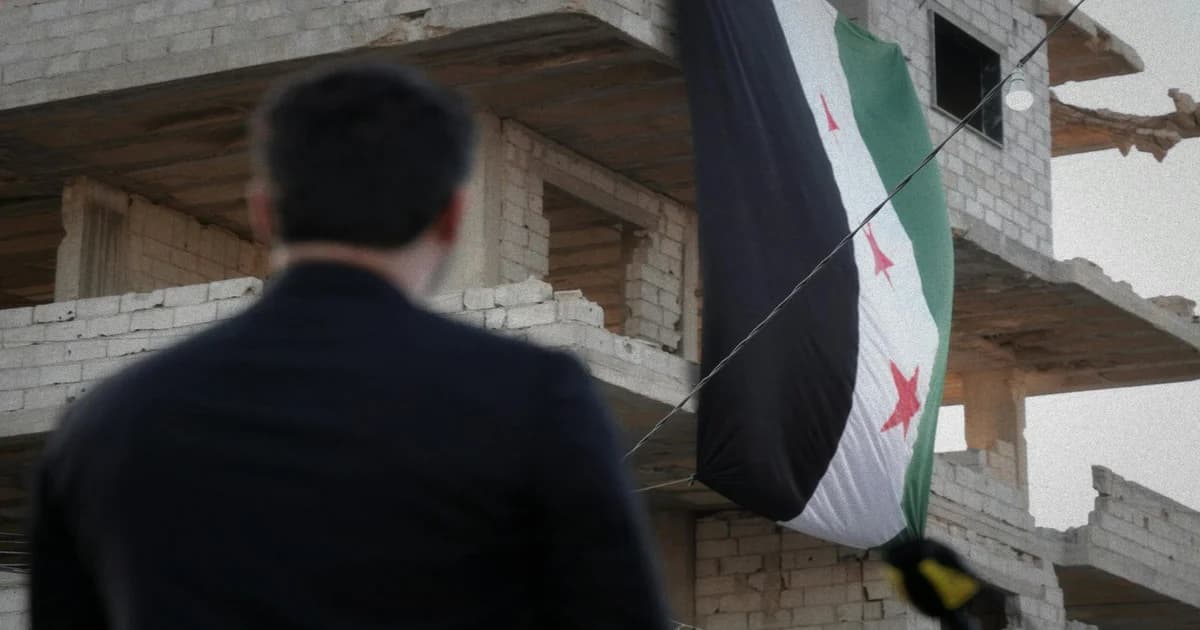
The opening phase of the 2026 Iran war began with US and Israeli strikes on February 28 and developed into a regional security and energy crisis. This chronology covers selected events documented in primary UN and International Energy Agency records through March 15. It is not a complete day-by-day account or a description of conditions today. Dates without an entry are gaps in this account, not evidence that nothing happened.
Correction note — September 27, 2026: The previous version presented precise military incidents, attributed quotations, daily market prices and a complete chronology without adequate linked evidence. This replacement withdraws those unsupported details. It also corrects the emergency oil-stock announcement: the IEA records an agreement on March 11 for 400 million barrels, not the previous version's March 8 account of 60 million barrels. The retained URL preserves access to this correction; its older “complete-day-by-day” wording no longer describes the article's scope.
February 28: US and Israeli strikes; regional escalation
In his Security Council briefing that day, the UN Secretary-General condemned US and Israeli strikes against Iran and subsequent Iranian attacks affecting countries across the region. He emphasized that reports were still unconfirmed and warned of wider conflict. This entry records his contemporaneous briefing; it does not turn every preliminary casualty or leadership report mentioned in it into a verified fact. UN Secretary-General, February 28 briefing.
March 11: IEA governments agree emergency oil action
The IEA's 32 member countries agreed to make 400 million barrels from emergency reserves available. Its announcement also reported oil-export flows through Hormuz at less than one-tenth of pre-conflict levels. This was an agency assessment at that date, not a measurement of traffic throughout the war. The release decision did not mean the entire volume entered the market that day. IEA announcement, March 11.
March 12: IEA documents the wider supply disruption
The March Oil Market Report described tanker movements near a halt and estimated nearly 20 million barrels per day of crude and product exports were disrupted. It described production cutbacks as storage filled and warned that shipping disruption, infrastructure damage and duration would determine the consequences. These are the IEA's contemporaneous estimates, not final realized losses. IEA March Oil Market Report, published March 12.
March 15: Implementation schedules distinguish promises from deliveries
The IEA's implementation update said Asia Oceania members would make stocks available immediately, with the Americas and Europe beginning at the end of March. This was a schedule reported on March 15, not confirmation of subsequent delivery. The update again identified restoration of regular Hormuz transit as central to stabilizing flows. IEA implementation update, March 15.
What this sequence explains
Our interpretation is that three separate timelines matter: military operations, commercial transport and policy implementation. They should not be collapsed into a single narrative of escalation followed by recovery. A decision to release reserves establishes a policy response. It does not, by itself, establish safe passage for a tanker or a ceasefire.
For readers following the economic consequences, distinguish a stock from a flow. A reserve commitment is a quantity of oil; a supply interruption is usually measured per day. Dividing one by the other can illustrate scale, but it does not reveal how quickly usable oil reaches each refinery. Delivery dates, product types and transport constraints still matter. This distinction is why the March 15 implementation update is a separate event in this chronology.
What remains outside this account
This page does not establish a comprehensive casualty total, a verified list of individual ship attacks, exact strike times, or a subsequent ceasefire status. It does not retain the old daily oil/equity/gold table: those observations need identifiable price series, instruments and timestamps before republication. We have not reconstructed events after March 15 here.
To extend the chronology, each entry needs an event date, a source publication date, a direct document link and a clear distinction between an official claim and independently established facts. A source that reports a planned action is not evidence that it occurred.
Questions about escalation are addressed separately in our WW3 probability explainer. For a dated correction to this chronology, send the event and supporting primary document to hello@theboard.world.
Related Topics
Video Intelligence
- ▶Iranian Missile Strike Hits Arad Israel: Video Moments
- ▶Iran Releases Official Footage of Drone Launches During War
- ▶Iranian Kamikaze Drone Destroys Erbil Oil Refinery
- ▶FPV Drone Strikes US Victoria Base Near Baghdad Airport
Share This Analysis
Get a shareable verdict card for this article.
Get the next one first
Free briefings when we publish major outlooks and forecasts. No spam — unsubscribe anytime.
Related Analysis

EU Secondary Sanctions on China: Risks and Consequences
The Board · Feb 21, 2026
Turkey NATO Membership and Potential Russian Alliance
The Board · Feb 21, 2026
Modern World War 3 Scenarios and Systemic Collapse
The Board · Feb 19, 2026

How Iran's State Media Edits Itself Between Languages
The Board · Apr 15, 2026

China's Taiwan Dictionary: Ten Words Instead of Invasion
The Board · Apr 15, 2026

Seven Days in Baghdad: The Kataib Hezbollah Anomaly
The Board · Apr 15, 2026
Latest from The Board

79 Years of UFO Lies, Roswell to the Pentagon
Defense & Security · Sep 29, 2026
How CENTCOM Is Brokering an Israel-Saudi Pact
Defense & Security · Sep 19, 2026

Why the Pentagon Pulled Its Iran War Plans Offline
Defense & Security · Sep 19, 2026
How a Stablecoin Funded Moldova's 2026 Election
Geopolitics · Sep 19, 2026

The Hidden Gold Demand Behind the $6,000 Target
Markets · Sep 17, 2026
Houthis Take Perim as Saudis Halt Pipeline 2026
Geopolitics · Sep 13, 2026

Epstein Intelligence Ties: Evidence vs Allegation in 2026
Policy & Intelligence · Sep 6, 2026
What Israel-Iran War Games Got Wrong About 2026
Defense & Security · Sep 6, 2026