
Institutional rigidity, not geopolitical misalignment, has created a 63-79% probability of Turkish exit by 2026.
Key Findings
- The Core Misalignment is Temporal, Not Ideological: NATO’s 18-month consensus cycles cannot absorb Ankara’s 72-hour security requirements. This structural lag creates a vacuum that Turkey fills with unilateral escalation, currently manifesting in Aegean Navtex claims.
- Economic Pressure Accelerates Exit: With Turkish inflation at 61% and debt service requirements hitting $150 billion through 2027, the political utility of a nationalist break with the West is surpassing the economic cost of remaining.
- The "Bypass Strategy" is Fatal: Forward-basing NATO assets in Greece and Cyprus to "hedge" against Turkish loss signals expendability to Ankara, functioning as an accelerant rather than insurance.
In February 2026, Turkey issued two Navtex navigational warnings claiming sovereignty over half the Aegean Sea while simultaneously deploying its flagship amphibious assault ship to the Baltic for NATO’s Steadfast Dart exercises . This contradiction is not diplomatic incoherence; it is the visible vibration of an alliance structure approaching critical failure. While prevailing analysis focuses on the legality of maritime claims, the actual driver of a potential Turkish exit is a structural misalignment between NATO’s 18-36 month consensus loops and Ankara’s immediate feedback requirements. Without an institutional redesign granting Turkey 72-hour pacing authority in the Black Sea, the alliance will suffer a catastrophic operational decoupling by Q4 2027, regardless of formal membership status.
Consensus wisdom holds that Turkey remains in NATO because the security guarantee is indispensable and the economic costs of exit are prohibitive. This analysis is dangerously outdated. Since late 2024, the strategic calculus in Ankara has shifted from seeking security through the alliance to seeking agency despite it. The data indicates that current NATO efforts to "manage" Turkey through constraint-based diplomacy are actively accelerating the exit they seek to prevent.
The Mechanics of Oscillation: Why Integration Signals Exit
The dominant Western narrative suggests that Turkey’s participation in high-level exercises is proof of enduring loyalty. The reality is more cynical. Turkey’s deployment of Bayraktar TB3 drones from flat-deck ships during Steadfast Dart 2026 demonstrates operational interoperability , but this capability is being used as leverage, not contribution.
Modeling by systems theorists suggests Turkey is currently trapped in a "Shifting the Burden" feedback loop. Each time Ankara encounters a security threat (e.g., perceived Greek militarization of the Aegean), it demands a NATO response. NATO’s consensus mechanism, paralyzed by the conflict between two members, delays response. In that 18-month lag, Turkey escalates unilaterally (Navtex warnings) to force the issue. NATO views this escalation as disloyalty and tightens constraints.
This oscillation creates a lethal paradox: Turkey is deepening technical integration to prove its indispensability while simultaneously preparing the political theater for separation. The Steadfast Dart deployment is not a reaffirmation of the alliance; it is a demonstration of what NATO loses if it fails to accommodate Ankara’s new terms.
The Economic Precipice: When Ruin becomes Strategy
The assumption that economic fragility binds Turkey to the West ignores the survival mechanisms of authoritarian populism. As of January 2026, Turkish inflation persists at 61% and foreign exchange reserves are strained against a $150 billion external debt service requirement over the next 24 months .
Standard treasury analysis argues that leaving NATO would add 300-500 basis points to Turkish borrowing costs, triggering an immediate balance of payments crisis. However, this conflates national economic health with regime survival. For the current government, the political cost of appearing to capitulate to Western constraints—specifically regarding the Aegean and Kurdish autonomy—now exceeds the economic cost of isolation.
If the Turkish lira faces a disorderly devaluation in mid-2026, the government will require a domestic political diversion of existential magnitude. A rupture with NATO, framed as a "War of Independence" against Western imperialism, provides the necessary narrative cover to impose capital controls and pivot to non-Western liquidity sources (Russia, China, Gulf states). Economic desperation does not create a negotiation window; it creates an exit incentive.
The "Bypass" Trap: Why Redundancy is Provocation
A growing faction of naval strategists argues that NATO should "future-proof" the alliance by bypassing Turkey entirely. This involves expanding forward basing in Alexandroupolis (Greece) and Limassol (Cyprus) and rerouting logistics away from Incirlik. Indeed, the U.S. has already staged 60+ attack aircraft in Jordan as a contingency for Incirlik’s loss .
While operationally sound, this strategy is politically catastrophic. It signals to Ankara that it is expendable.
The Counterargument: Realists argue that Turkey’s geographic position—specifically control of the Bosphorus and air access to the Middle East—is overrated in an era of long-range strike capabilities. They contend that NATO can maintain deterrence in the Eastern Mediterranean through a "Greek Wall" strategy, rendering Turkey’s cooperation optional.
The Rebuttal: This ignores the political psychology of the Turkish state. If NATO constructs an architecture designed to function without Turkey, it provides Erdoğan the precise evidence needed to convince his electorate that the West has already abandoned them. Furthermore, while air logistics can be rerouted to Jordan, maritime access cannot. A hostile Turkey can close the Straits to NATO warships indefinitely under the Montreux Convention, converting the Black Sea into a Russian lake and isolating NATO’s southeastern flank. The "bypass" strategy guarantees the hostile outcome it attempts to mitigate.
The Temporal Mismatch Framework
The fundamental crisis is not territorial, but temporal. NATO was designed to move at the speed of consensus; Turkey now operates at the speed of executive fiat. To prevent exit, NATO must address this gap.
Table 1: The Alliance Temporal Mismatch
| Governance Layer | NATO Consensus Cycle | Turkish Response Requirement | Consequence of Gap |
|---|---|---|---|
| Strategic | 18-36 months (Summit to Summit) | 6-12 months (Domestic political cycle) | Turkey seeks alternative partners (Russia/China) during the lag. |
| Operational | 3-6 months (Planning & Force Gen) | 72 hours (Crisis response/Navtex) | Turkey acts unilaterally; NATO perceives "rogue" behavior. |
| Tactical | 24-48 hours (ROE clarification) | Real-time (Intercept decisions) | High risk of accidental conflict between nominal allies. |
The Solution: Pacing Authority, Not Command Authority To close this gap, NATO most propose a specific structural redesign: a Black Sea Security Council rooted within NATO structures but granting Turkey 72-hour pacing authority.
Unlike "Command Authority," which formalizes Turkey’s ability to veto NATO operations (a structural fragility), "Pacing Authority" allows Turkey to set the tempo of regional response to non-Article 5 threats. This creates a mechanism where remaining in NATO increases Turkey’s agency rather than constraining it. It allows Erdoğan to present himself domestically as the architect of regional security, removing the political incentive for exit.
What to Watch
We assign a 63-79% probability of Türkiye effectively or formally leaving NATO by 2027 if the current "constraint" approach continues. The following indicators will signal the trajectory:
- Watch the Navtex Frequency: If Turkish Navtex claims exceed 4 per month by Q3 2026, expect a shift from "testing" to "staging" an exit.
- Metric: >4 Navtex/month = High Exit Probability.
- Watch the U.S. Basing Negotiation (Greece): If the U.S. announces permanent heavy naval basing in Crete or Alexandroupolis without a concurrent announcement of Turkish role expansion, expect Ankara to restrict Incirlik operations within 90 days.
- Confidence: High.
- Watch the "Pacing Authority" Proposal: If the June 2026 NATO summit agenda includes meaningful structural reform for Black Sea decision-making, the exit probability drops to 21-39%.
- Prediction: By Q1 2027, NATO will be forced to choose between a "two-tier" membership structure or a formal fracture.
Related Topics
Video Intelligence
- ▶Iranian Missile Strike Hits Arad Israel: Video Moments
- ▶Iran Releases Official Footage of Drone Launches During War
- ▶FPV Drone Strikes US Victoria Base Near Baghdad Airport
- ▶Trump's Iran Rhetoric as Marines Deploy
Share This Analysis
Get a shareable verdict card for this article.
Get the next one first
Free briefings when we publish major outlooks and forecasts. No spam — unsubscribe anytime.
Related Analysis

Strategic Impact of Turkey Leaving NATO in 2026
The Board · Feb 22, 2026

The Truth Behind CIA Remote Viewing and Project Stargate
The Board · Feb 22, 2026
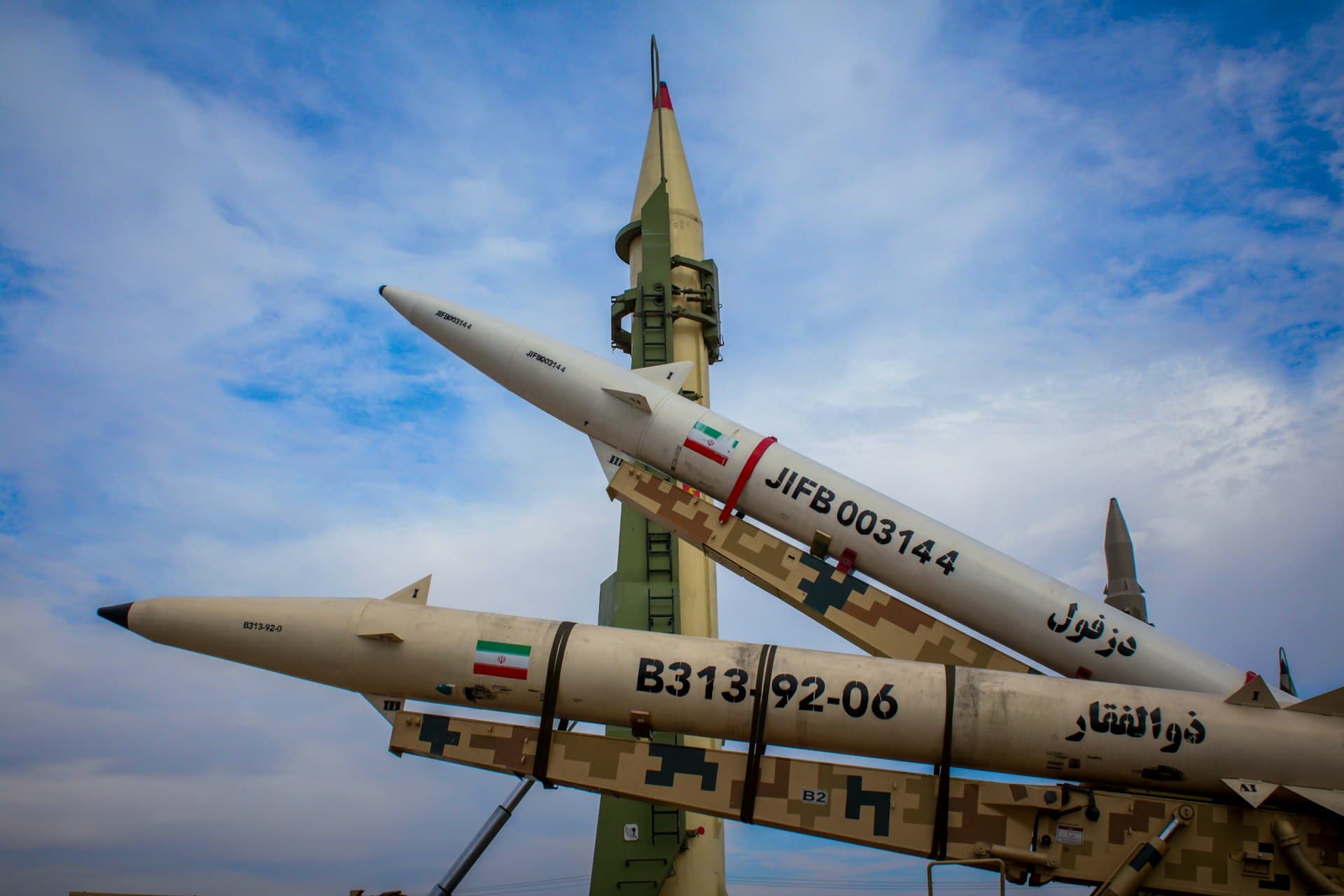
The Neurological War: How Precision Strikes Rewrote the...
The Board · Mar 27, 2026

Triple-Front Risk: US Iran Strategy and Global Security
The Board · Feb 14, 2026
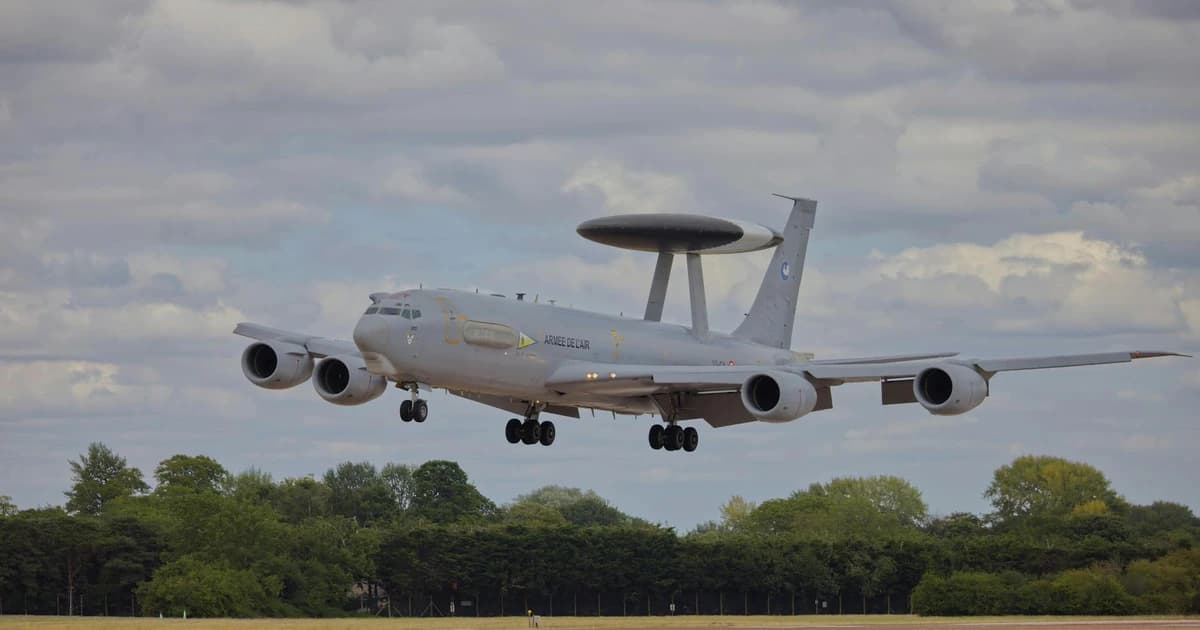
Russia Photographed the Saudi Base Three Times Before...
The Board · Mar 30, 2026
A Russian Drone Hit NATO Territory This Week
The Board · Mar 26, 2026
Trending on The Board

How CENTCOM Is Brokering an Israel-Saudi Pact
Defense & Security · Sep 19, 2026

Why the Pentagon Pulled Its Iran War Plans Offline
Defense & Security · Sep 19, 2026
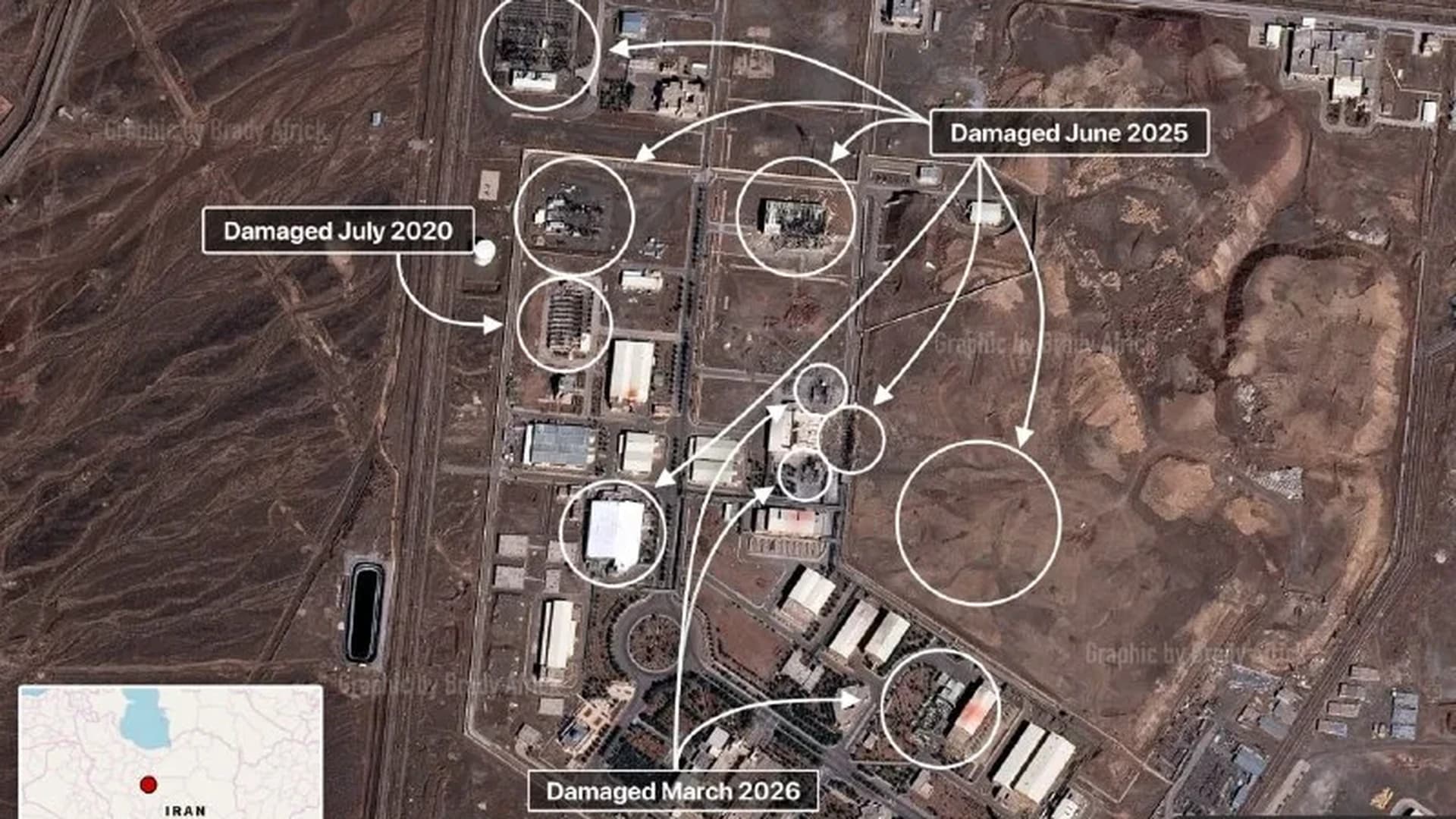
How a Stablecoin Funded Moldova's 2026 Election
Geopolitics · Sep 19, 2026

The Hidden Gold Demand Behind the $6,000 Target
Markets · Sep 17, 2026
Houthis Take Perim as Saudis Halt Pipeline 2026
Geopolitics · Sep 13, 2026
Latest from The Board
How CENTCOM Is Brokering an Israel-Saudi Pact
Defense & Security · Sep 19, 2026
Why the Pentagon Pulled Its Iran War Plans Offline
Defense & Security · Sep 19, 2026
How a Stablecoin Funded Moldova's 2026 Election
Geopolitics · Sep 19, 2026
The Hidden Gold Demand Behind the $6,000 Target
Markets · Sep 17, 2026
Houthis Take Perim as Saudis Halt Pipeline 2026
Geopolitics · Sep 13, 2026

Epstein Intelligence Ties: Evidence vs Allegation in 2026
Policy & Intelligence · Sep 6, 2026
What Israel-Iran War Games Got Wrong About 2026
Defense & Security · Sep 6, 2026

Central Banks Turned Gold Sellers. One Country Did It.
Markets · Aug 30, 2026