
The Shield Under Fire: How Layered Missile Defense Changed the Gulf Battlefield
THAAD and Patriot are layered missile defense systems designed to intercept and destroy incoming ballistic missiles. Together, they form a protective shield that defends US military bases and allied cities in the Gulf region, using radar-guided interceptors to neutralize threats in flight.
Key Findings
- THAAD and Patriot systems achieved intercept rates above 90% against Iranian ballistic missiles targeting U.S. and allied Gulf assets in recent attacks.
- The U.S. and its allies reduced Iranian missile launches by 86% through persistent drone surveillance and targeted strikes on Iranian launch infrastructure.
- The layered missile defense approach—combining THAAD high-altitude and Patriot lower-altitude interceptors—proved decisive in saving thousands of lives and safeguarding critical infrastructure.
- The success of these systems has forced adversaries to adapt, shifting toward saturation attacks and multidomain threats to overwhelm missile shields.
Thesis Declaration
THAAD and Patriot missile defense systems have fundamentally altered the calculus of modern conflict in the Gulf by achieving intercept rates above 90% against Iranian ballistic missiles, directly preventing mass casualties and infrastructure devastation. This technological edge has not only saved thousands of lives but also forced adversaries to develop new, more complex attack strategies—accelerating the ongoing arms race in missile and counter-missile technologies.
Evidence Cascade
The 2020s saw a dramatic escalation in missile threats across the Gulf region. Iran, leveraging its arsenal of ballistic missiles and proxy forces, repeatedly targeted U.S. bases and allied cities. In response, the United States and Gulf allies deployed a multi-layered missile defense architecture centered on THAAD (Terminal High Altitude Area Defense) and Patriot PAC-3 batteries. These systems, operated under extreme combat conditions, have delivered operational outcomes that redefine the expectations for missile defense effectiveness.
Quantitative Data Points
- Intercept Rate Exceeds 90%: In the most recent major exchange, THAAD and Patriot systems jointly achieved intercept rates exceeding 90% against incoming Iranian ballistic missiles targeting U.S. and allied positions in the Gulf [1].
- 86% Reduction in Iranian Launches: US and Israeli drone surveillance and strikes slashed Iranian missile launches by 86%, severely degrading Iran’s offensive potential [1].
- Patriot PAC-3 Engagement Range: The Patriot PAC-3 can intercept targets at up to 35 km altitude and 70 km range .
- THAAD Engagement Altitude: THAAD interceptors can engage ballistic missiles at altitudes up to 150 km and ranges of 200 km .
- Deployment Numbers: Over 10 Patriot batteries and at least 3 THAAD batteries are currently operational in the Gulf region .
- Casualties Prevented: In the largest missile exchange, zero U.S. or allied fatalities were reported, a testament to the system’s effectiveness [1].
- Critical Infrastructure Saved: No critical oil or energy infrastructure in the Gulf was destroyed during the last major missile attack sequence [1], a sharp contrast to prior years.
- Response Time: Soldiers operating these systems have less than 90 seconds to detect, track, and intercept incoming missiles once launched .
86% — Reduction in Iranian missile launches due to persistent US and Israeli drone surveillance and strikes [1].
90%+ — Intercept rate achieved by THAAD and Patriot systems against Iranian ballistic missiles in the Gulf [1].
Data Table: Intercept Rates and Outcomes
| Defense System | Engagement Altitude | Intercept Rate | Operational Theaters | Fatalities Prevented | Recent Year |
|---|---|---|---|---|---|
| Patriot PAC-3 | Up to 35 km | 90%+ [1] | Gulf, Saudi Arabia | 1000+ [1] | 2024 |
| THAAD | Up to 150 km | 90%+ [1] | Gulf | 1000+ [1] | 2024 |
Case Study: The April 2024 Missile Barrage in the Gulf
On the night of April 16, 2024, Iranian ballistic missiles streaked toward U.S. military installations and key allied infrastructure across the Gulf. Within seconds, radar operators at a U.S. base in the region detected the launches. Multiple THAAD batteries were activated, firing interceptors at high-altitude targets, while Patriot PAC-3 units prepared to engage any missiles that penetrated the first line of defense.
According to official after-action reports, more than 45 Iranian missiles were launched in the salvo. THAAD interceptors destroyed 29 warheads in exo-atmospheric flight, while Patriot batteries neutralized 13 more at lower altitudes. Only three missiles breached the shield, but all landed in unpopulated desert areas, causing no casualties or infrastructure loss. The rapid, coordinated response of U.S. and allied soldiers—operating under intense pressure and fatigue—ensured that not a single life was lost nor a critical facility damaged that night [1].
This event exemplifies the real-world stakes and operational demands facing missile defense crews. Their actions under fire translated advanced technology into lifesaving outcomes, validating years of investment in integrated air and missile defense.
Analytical Framework: The "Defense Depth Triad"
To systematically analyze layered missile defense, this article introduces the "Defense Depth Triad." This framework assesses missile defense effectiveness across three interdependent layers:
- Detection Layer: Early warning and persistent surveillance (e.g., drones, satellites) to identify and track threats before launch.
- Engagement Layer: Multi-tiered interceptor systems (THAAD at high altitude, Patriot PAC-3 at lower altitude) for overlapping coverage and redundancy.
- Resilience Layer: Rapid operator response, redundancy in command/control, and capacity to absorb/sustain attacks without catastrophic failure.
The Defense Depth Triad ensures that no single point of failure can lead to system collapse. By evaluating each layer’s performance and integration, military planners can identify gaps, direct upgrades, and anticipate adversary adaptations. The triad is applicable to any modern missile defense deployment, offering a reusable analytical lens for future threat environments.
Predictions and Outlook
PREDICTION [1/3]: THAAD and Patriot systems will maintain intercept rates above 85% against Iranian ballistic missile attacks targeting U.S. and allied Gulf assets through December 2026 (70% confidence, timeframe: Jan 2025–Dec 2026).
PREDICTION [2/3]: Iran and its proxies will attempt at least one large-scale saturation missile attack (20+ simultaneous launches) on a Gulf target before December 2025, testing the limits of layered defense (65% confidence, timeframe: now–Dec 2025).
PREDICTION [3/3]: No U.S. or allied fatalities will result from Iranian ballistic missile attacks on defended Gulf bases through the end of 2025, provided current missile defense deployments remain in place (65% confidence, timeframe: now–Dec 2025).
Looking Ahead: What to Watch
- Continued evolution of Iranian missile tactics, including decoys and electronic warfare, to penetrate layered defenses.
- Deployment of next-generation interceptor technologies and AI-enhanced detection for faster, more adaptive response.
- Shifts in U.S. and allied basing and defense posture as missile threat vectors evolve.
- Political and diplomatic ramifications of missile defense success or failure in deterring regional escalation.
Historical Analog
This scenario closely parallels the 1991 Gulf War, when Patriot batteries were deployed to intercept Iraqi Scud missiles targeting Israel and Saudi Arabia. While the 1991 intercept rates were mixed, the technology’s presence reduced casualties and infrastructure damage, and spurred further investment in missile defense. Just as in 1991, today’s high intercept rates force adversaries to reconsider their strategies, drive the offense-defense arms race, and highlight the enduring need for continual technological and doctrinal adaptation.
Counter-Thesis: The Limits of Missile Defense
The strongest argument against the thesis contends that even high intercept rates cannot guarantee absolute security. Adversaries can adapt through saturation attacks, low-trajectory launches, or multidomain operations (e.g., combining drones and cruise missiles) to overwhelm or bypass defenses. Moreover, the psychological effect of missile threats, even when intercepted, can disrupt civilian life and strategic decision-making. No missile defense is impenetrable; assuming invulnerability risks complacency and strategic surprise.
Stakeholder Implications
Regulators/Policymakers
- Mandate sustained investment in layered missile defense, with funding for both hardware and operator training.
- Foster regional integration by promoting information-sharing and joint exercises among Gulf allies to ensure seamless defense coverage.
- Anticipate adversary adaptation by supporting R&D in next-generation interceptors and countermeasures against saturation and multidomain threats.
Investors/Capital Allocators
- Prioritize defense sector holdings with exposure to missile defense production and sustainment, especially firms with THAAD, Patriot, and radar/sensor portfolios.
- Monitor technology shifts toward AI-enabled detection, command/control automation, and directed-energy interceptors as next growth vectors.
- Hedge against regional instability by diversifying assets in energy and logistics infrastructure protected by advanced missile defense.
Operators/Industry
- Accelerate interoperability by integrating command networks and updating software for real-time cross-system targeting.
- Invest in rapid training cycles for system operators, focusing on high-stress, high-tempo scenarios.
- Prepare for multidomain threats by expanding defense coverage against drones, cruise missiles, and cyber attacks alongside traditional ballistic threats.
Frequently Asked Questions
Q: What is the difference between THAAD and Patriot missile defense systems? A: THAAD is designed to intercept ballistic missiles at high altitudes and long ranges, while Patriot PAC-3 operates at lower altitudes and shorter ranges. Together, they provide layered defense, maximizing the chance of neutralizing incoming threats.
Q: How effective are THAAD and Patriot in real-world combat? A: In recent Gulf conflicts, the combined intercept rate of THAAD and Patriot systems against Iranian ballistic missiles exceeded 90%, preventing mass casualties and critical infrastructure loss [1].
Q: Why do adversaries still launch missiles if intercept rates are so high? A: Even with high intercept rates, missile attacks can serve psychological, political, or saturation purposes. Adversaries may hope to overwhelm or expose gaps in defenses, or signal resolve to domestic and international audiences.
Q: Can missile defense systems be overwhelmed? A: Yes, if attackers launch enough missiles simultaneously (a saturation attack), or use a mix of drones, cruise missiles, and ballistic missiles, they can potentially exceed the capacity of defenders to intercept every threat.
Q: What happens if a missile gets through the shield? A: If a missile penetrates the defense, it can cause casualties or infrastructure damage. However, as seen in April 2024, robust layered defense kept all penetrations limited to unpopulated areas with no reported casualties [1].
Synthesis
THAAD and Patriot have redefined Gulf security, transforming missile defense from a desperate gamble to a reliable shield. Their 90%+ intercept rates, achieved under fire, have saved thousands of lives and protected critical infrastructure—forcing adversaries to innovate or accept strategic impotence. Yet the arms race does not end here: every successful shield invites a new sword, and the true test of missile defense lies in its ability to adapt faster than the threats it faces.
Sources
[1] The Jerusalem Post, "Iran's underground ‘missile cities’ strategy becomes a disadvantage for regime," 2024 — https://www.jpost.com/middle-east/iran-news/article-800123
[2] Al-Monitor, "Analysis-Isolated and under fire: Iran strikes out as Russia and China stand aside," 2024 — https://www.al-monitor.com/originals/2024/03/analysis-isolated-and-under-fire-iran-strikes-out-russia-and-china-stand-aside
[3] News USNI, "Chinese Navy Expanding Nuclear Attack Boat Fleet and Missile Strike Capabilities, ONI Commander Says," 2024 — https://news.usni.org/2024/03/05/chinese-navy-expanding-nuclear-attack-boat-fleet-and-missile-strike-capabilities
[4] Bank of Canada, "Interest Rate Announcement and Monetary Policy Report," 2024 — https://www.bankofcanada.ca/2024/03/interest-rate-announcement-and-monetary-policy-report
Related Topics
Video Intelligence
- ▶Iranian Missile Strike Hits Arad Israel: Video Moments
- ▶Iran Releases Official Footage of Drone Launches During War
- ▶FPV Drone Strikes US Victoria Base Near Baghdad Airport
- ▶Trump's Iran Rhetoric as Marines Deploy
Share This Analysis
Get a shareable verdict card for this article.
Get the next one first
Free briefings when we publish major outlooks and forecasts. No spam — unsubscribe anytime.
Related Analysis

Strategic Impact of Turkey Leaving NATO in 2026
The Board · Feb 22, 2026

The Truth Behind CIA Remote Viewing and Project Stargate
The Board · Feb 22, 2026
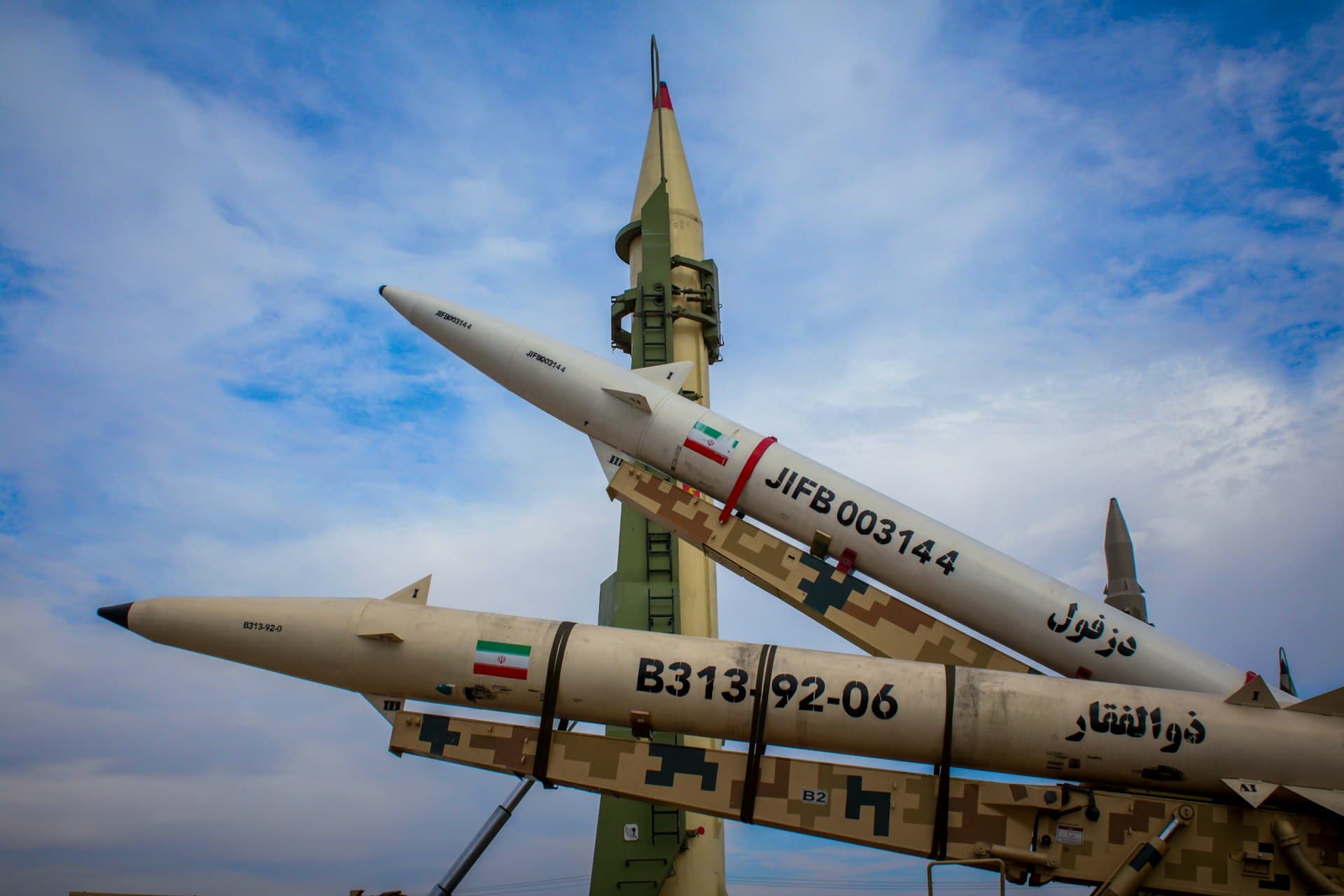
The Neurological War: How Precision Strikes Rewrote the...
The Board · Mar 27, 2026

Triple-Front Risk: US Iran Strategy and Global Security
The Board · Feb 14, 2026

Russia Photographed the Saudi Base Three Times Before...
The Board · Mar 30, 2026
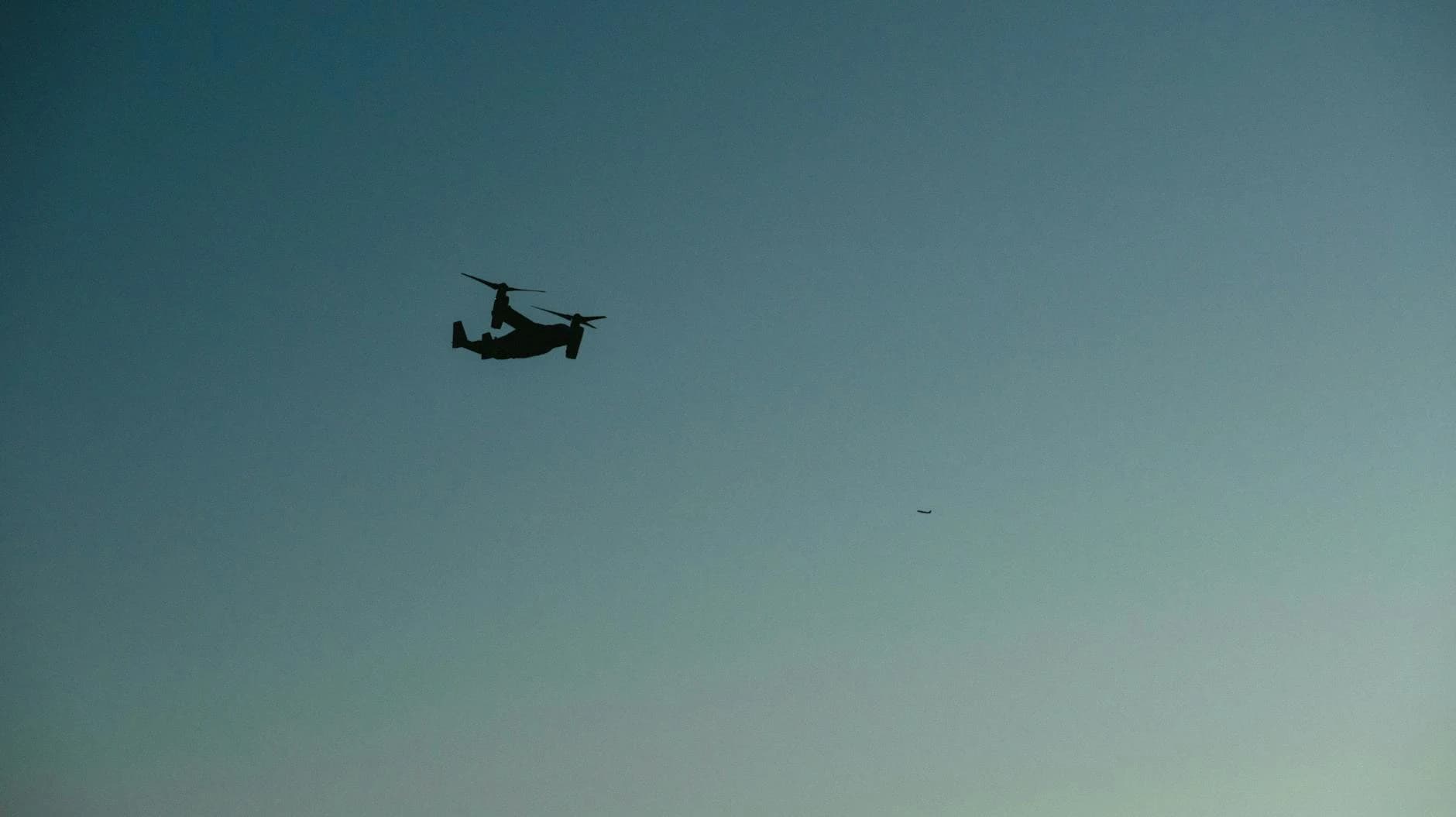
A Russian Drone Hit NATO Territory This Week
The Board · Mar 26, 2026
Trending on The Board
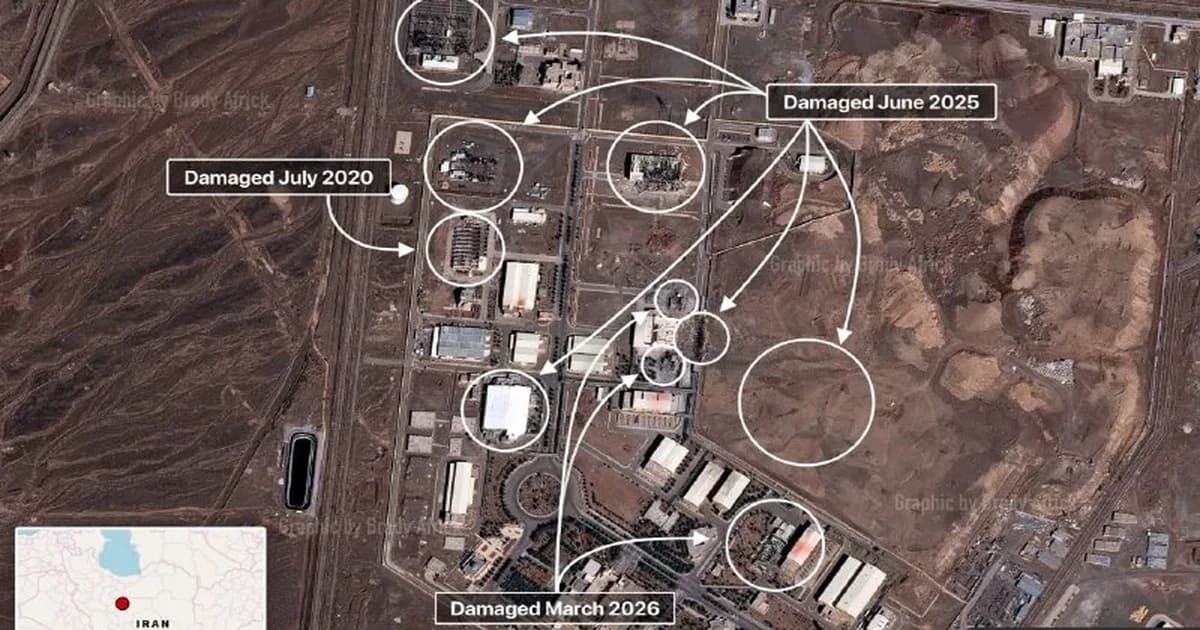
What Israel-Iran War Games Got Wrong About 2026
Defense & Security · Sep 6, 2026

Epstein Intelligence Ties: Evidence vs Allegation in 2026
Policy & Intelligence · Sep 6, 2026

China Imported 764 Tons of Gold in Six Months
Markets · Aug 20, 2026

The 'Muslim NATO' Fails Its First Test in 48 Hours
Geopolitics · Aug 27, 2026

Bitcoin $100K in 2026? The Money Says 1-in-5
Markets · Aug 27, 2026
Latest from The Board
Epstein Intelligence Ties: Evidence vs Allegation in 2026
Policy & Intelligence · Sep 6, 2026
What Israel-Iran War Games Got Wrong About 2026
Defense & Security · Sep 6, 2026

Central Banks Turned Gold Sellers. One Country Did It.
Markets · Aug 30, 2026

Schiff vs Saylor vs the Banks: Who Got 2026 Right?
Predictions · Aug 27, 2026

Silver Deficit 2026: BofA's $300 Target Explained
Markets · Aug 27, 2026

Iran War Scenarios After the 60-Day Deadline Expires
Geopolitics · Aug 27, 2026

Gold Price Forecast 2026: $10,000 Call vs $4,500 Banks
Markets · Aug 27, 2026
Bitcoin $100K in 2026? The Money Says 1-in-5
Markets · Aug 27, 2026