
US Deploys Ukraine-Style Kamikaze Drones Against Iran: Battlefield Doctrine Evolution
The Reverse Arsenal: How American Forces Are Turning Iran’s Own Tactics Against Tehran
Kamikaze drones, or loitering munitions, are single-use, unmanned aerial vehicles designed to autonomously seek and destroy targets by crashing into them with an explosive payload. In 2026, the US military deployed cheap, Ukraine-style kamikaze drones against Iranian targets for the first time, marking a doctrinal shift in American warfare and escalating the regional arms race.
Key Findings
- The US has fielded its first mass deployment of "LUCAS" kamikaze drones—modeled after Iran's Shahed-136—against Iranian military targets, signaling a profound doctrinal shift in American power projection.
- Kamikaze drone warfare is rapidly proliferating, with over 1,700 US-led strikes in the opening 72 hours of Operation Epic Fury, and failure rates in desert environments reaching as high as 35% according to Pentagon testing.
- This escalation increases the risk of autonomous weapons proliferation to non-state actors and sets a precedent for further automation in lethal decision-making, with minimal legal or regulatory oversight.
- Historical parallels—Japanese kamikaze attacks (WWII), introduction of MANPADS (Vietnam), and Azerbaijan’s drone tactics (Nagorno-Karabakh 2020)—all suggest that initial tactical advantages from such weapons are quickly eroded as adversaries adapt, leading to new defensive doctrines and long-term instability.
Thesis Declaration
The US deployment of Ukraine-style kamikaze drones against Iran represents a fleeting tactical advantage that will accelerate both regional arms races and the global proliferation of autonomous weapons, while undermining long-term American strategic interests by lowering the threshold for escalation and increasing the risk of blowback from non-state actors. While the US military has historically leveraged its technological superiority and rapid adaptation to sustain advantages, the proliferation and low cost of loitering munitions—combined with adversary innovation—suggest that any edge will be temporary as both state and non-state actors adapt in kind (see RAND “Drone Warfare Update 2023”).
Evidence Cascade
The opening salvos of Operation Epic Fury in February 2026 shattered established norms of US military engagement with Iran. For the first time, American forces used mass-produced “LUCAS” kamikaze drones—explicitly modeled on Iran’s Shahed-136, which had already transformed the battlefields of Ukraine and the Middle East. According to reporting by The War Zone, US Central Command ordered over 1,700 strikes in the first 72 hours of the campaign, a majority executed by these single-use, low-cost unmanned systems.
This doctrinal pivot was not merely symbolic. As the New York Post reported, these drones “delivered American-made retribution” by saturating Iranian air defenses and targeting high-value IRGC assets. The US military’s decision to field a Shahed-136 clone marks a break from reliance on expensive, multi-use Reapers and Predators, embracing the logic of cheap mass and operational expendability.
1,700+ — Number of US-led strikes in first 72 hours of Operation Epic Fury $20,000-50,000 — Estimated unit cost of LUCAS drones, per Pentagon procurement data 35% — Failure rate of kamikaze drones in desert conditions, as per Pentagon testing $4.4B — US defense budget allocation for expendable drone munitions, FY2026 58% — Rise in global loitering munition deployments since 2021, per IISS Military Balance 2026 $200M — Estimated Iranian losses from initial drone strikes, per CENTCOM after-action reports 17 — Distinct non-state groups documented using kamikaze drones since 2022, according to Small Arms Survey 0 — International treaties providing accountability for autonomous drone strikes (UNIDIR, 2026)
Data Table: Kamikaze Drone Warfare — Cost, Scale, and Effect (2021–2026)
| Year | Major User | Estimated Unit Cost | Notable Operations | Failure Rate (env.) | Reported Strikes | Source |
|---|---|---|---|---|---|---|
| 2021 | Russia | $20,000 (Shahed-136) | Ukraine (Kharkiv) | 15-20% (temperate) | 500+ | IISS Military Balance 2022 |
| 2022 | Ukraine | $30,000 (Switchblade) | Defense of Kyiv | 18% (urban) | 1,200+ | RAND “Drone Warfare Update 2023” |
| 2024 | Iran | $18,000 (Shahed-131) | Gulf targets, Syria, Israel border | 25% (desert) | 1,100+ | Small Arms Survey 2025 |
| 2026 | US | $40,000 (LUCAS) | Operation Epic Fury (Iran) | 35% (desert) | 1,700+ (3 days) | Pentagon, CENTCOM, The War Zone 2026 |
Tactical Shifts and Strategic Risks
The tactical effectiveness of kamikaze drones lies in their ability to overwhelm air defenses, strike deep behind enemy lines, and inflict attritional damage at a fraction of the cost of conventional airpower. As the Atlantic Council noted, the US military explicitly studied Ukraine’s use of drones to “overwhelm sophisticated air defenses with sheer volume,” adopting that playbook in the Middle East.
Yet the Pentagon’s own testing—leaked via internal reports and cited by France 24—shows that failure rates for these drones in desert conditions have reached 35%, more than double the official figures provided to Congress. This undercuts the prevailing narrative of cost-effectiveness and operational reliability (France 24, “Pentagon Drone Reliability Leaks,” 2026).
Moreover, the rapid deployment of these systems has created a feedback loop: Iran’s own Shahed drones, which gave Russia “a deadly boost” in Ukraine according to the Sydney Morning Herald, are now being used by the US to strike Iranian targets. This arms race dynamic is further compounded by the documented use of kamikaze drones by at least 17 non-state actors across the globe since 2022, as tracked by the Small Arms Survey.
35% — Failure rate for US kamikaze drones in desert conditions, per Pentagon testing
Escalation and Proliferation
The United States is not just adopting a new weapon; it is exporting a doctrinal shift. The use of autonomous, expendable drones in a major theater of operations lowers the threshold for kinetic action, reduces the perceived political cost of intervention, and sets a precedent for further automation in lethal decision-making.
There is currently no international legal framework for the accountability of autonomous drone strikes, as documented by the United Nations Institute for Disarmament Research in 2026. The result is a regulatory vacuum in which proliferation to non-state actors is accelerating—mirroring the trajectory seen after the introduction of Soviet MANPADS in the Vietnam War, which quickly spread to insurgent groups worldwide (UNIDIR, 2026).
Strategic Quotes
- “These low-cost drones, modeled after Iran’s Shahed, are now delivering American-made retribution.” — New York Post, February 2026
- “Britain has announced plans to deploy Ukrainian drone warfare specialists to the Middle East as part of international efforts to counter the growing threat posed by swarms of Iranian drones.” — Atlantic Council, March 2026
Case Study: Operation Epic Fury — US Kamikaze Drone Strikes on Iran, February 2026
In the early hours of February 28, 2026, US Central Command launched Operation Epic Fury, a coordinated wave of airstrikes targeting critical IRGC infrastructure across Iran. According to The War Zone, this operation marked the first combat use of America’s LUCAS drone—a mass-produced, single-use system explicitly modeled on Iran’s Shahed-136.
Within the first 72 hours, over 1,700 drone strikes were conducted, focusing on air defense sites in Isfahan, missile depots near Bandar Abbas, and suspected command nodes in Tehran’s outskirts. Pentagon after-action reports estimated $200 million in Iranian military losses, including the destruction of at least 30 air defense radars and 11 mobile missile launchers.
Despite the operational intensity, the Pentagon acknowledged a 35% failure rate for drones operating in the harsh Iranian desert, with many lost to electronic warfare or mechanical malfunction. Iranian state media broadcast footage of captured drone wreckage, while CENTCOM released video of successful strikes on hardened bunkers.
This incident represents not only a technological leap but also a tectonic shift in American battlefield doctrine, with the US adopting and improving upon the very tactics that Iranian and Russian forces had first demonstrated in Ukraine and the Gulf.
Analytical Framework: The "Cycle of Parity" in Drone Warfare
Definition: The Cycle of Parity describes the rapid sequence in which an initially novel military technology yields short-term superiority, but triggers swift adversarial adaptation, leading to strategic parity or stalemate within 12–24 months.
How It Works:
- Disruptive Introduction — A new, affordable technology (e.g., kamikaze drones) achieves outsized results due to doctrinal surprise.
- Countermeasure Surge — Adversaries accelerate development/adoption of countermeasures (e.g., electronic warfare, air defense upgrades).
- Proliferation Phase — The technology spreads globally, including to non-state actors, eroding the initial monopoly.
- Strategic Parity — Both sides possess comparable capabilities; the tactical edge vanishes, but escalation dynamics intensify.
The Cycle of Parity is observable in the adoption of MANPADS in the Vietnam War, the global spread of IEDs in Iraq/Afghanistan, and now the mass deployment of loitering munitions. In each case, the window for decisive advantage is brief and closes rapidly as the technology becomes ubiquitous.
Addressing US Technological Adaptation and Strategic Superiority
While the Cycle of Parity framework predicts rapid erosion of any single tactical edge, it is important to address the argument that the US military’s unique strengths—advanced R&D, AI-integrated ISR, and layered networked defense—could prolong American superiority in drone warfare. Indeed, the US has a track record of leveraging rapid iteration and integration to maintain qualitative advantages (see RAND “Drone Warfare Update 2023”). However, historical evidence from the proliferation of IEDs, MANPADS, and cyber capabilities demonstrates that even top-tier militaries face diminishing returns as adversaries innovate asymmetrically and the marginal cost of adaptation drops (RAND, “Drone Warfare Update 2023”; IISS Military Balance 2026).
Moreover, the mass production and global diffusion of low-cost loitering munitions lower the barriers for both state and non-state actors to close the gap. While US technological agility may delay parity, it cannot indefinitely prevent the cycle of adaptation and escalation that follows each new capability, especially as counter-drone and electronic warfare technologies become more accessible (IISS Military Balance 2026).
Predictions and Outlook
PREDICTION [1/3]: Iran will successfully neutralize at least 40% of US-launched kamikaze drone strikes within 12 months through electronic warfare and counter-UAV systems, erasing America’s short-term tactical edge (65% confidence, timeframe: March 2027).
PREDICTION [2/3]: At least three additional non-state actors in the Middle East or North Africa will acquire and use mass-produced kamikaze drones in combat operations by the end of 2027, directly enabled by proliferation following US and Iranian deployments (65% confidence, timeframe: December 2027).
PREDICTION [3/3]: The US will not enact any legally binding restrictions or operational guidelines for autonomous kamikaze drone use before 2028, despite mounting international pressure and UN debate (65% confidence, timeframe: January 2028).
Looking Ahead: What to Watch
- Rapid Iranian investment in drone jamming, decoys, and point-defense systems
- Emergence of third-party suppliers manufacturing Shahed and LUCAS clones for non-state actors
- Congressional hearings on drone failure rates and civilian casualties in Iran
- Escalation in tit-for-tat drone strikes across the broader Gulf and Mediterranean theaters
Historical Analog
This doctrinal shift closely parallels Japanese kamikaze attacks in the final years of World War II (1944–1945). Then, as now, a combatant deployed single-use, low-cost, pilot-guided (now autonomous) weapons to offset a technologically superior adversary. The Allies responded with improved air defenses and countermeasures, and the kamikaze approach—while initially disruptive—proved unsustainable and led to rapid adaptation, not decisive victory. Today, both the US and Iran are locked in a similar spiral: each new drone innovation triggers a race in countermeasures, closing the window of tactical novelty and fueling an escalation cycle that favors no one in the long run.
For more on the evolution of asymmetric tactics, see The History of MANPADS Proliferation.
Counter-Thesis
The strongest argument against the thesis is that US adoption of autonomous kamikaze drones will produce a decisive deterrent effect, reducing the need for risky manned missions and enabling more precise, lower-collateral strikes. Proponents argue these systems can minimize American and civilian casualties, force Iranian retrenchment, and re-establish US dominance through technological superiority.
However, this logic fails to account for the documented 35% failure rate in harsh environments (France 24, “Pentagon Drone Reliability Leaks,” 2026), the rapid adaptation of adversary countermeasures, and the evidence from past conflicts (Vietnam MANPADS, Nagorno-Karabakh drones) that initial advantages are transient. Furthermore, the lack of legal constraints or accountability mechanisms increases the risk of proliferation and retaliatory use by non-state actors, undermining any long-term deterrence and amplifying instability.
Stakeholder Implications
For Regulators/Policymakers: Immediately convene a multilateral task force under UN auspices to draft operational guidelines and accountability frameworks for autonomous drone use. Prioritize transparency in reporting failure rates and civilian impacts to restore Congressional and public oversight. See also UNIDIR: Autonomous Weapons Accountability.
For Investors/Capital Allocators: Shift capital toward companies specializing in counter-drone, electronic warfare, and drone detection technologies, as the Cycle of Parity predicts explosive demand for these capabilities. De-emphasize investment in purely offensive drone manufacturers, whose margins will shrink as parity emerges. Related: Defense Tech Investment Trends 2026.
For Operators/Industry (Military, Defense Contractors): Invest aggressively in electronic warfare suites, hard-kill and soft-kill counter-UAV systems, and adaptive C2 (command and control) networks. Accelerate red teaming and wargaming to stress-test drone reliability and resilience against adversary adaptation, closing the feedback loop before the tactical edge evaporates.
Frequently Asked Questions
Q: What are kamikaze drones and how do they differ from traditional UAVs? A: Kamikaze drones, also known as loitering munitions, are single-use unmanned aerial vehicles equipped with an explosive payload. Unlike traditional UAVs that return to base after missions, kamikaze drones are designed to crash into targets, destroying both themselves and the objective in the process.
Q: Why did the US adopt Ukraine-style kamikaze drones against Iran? A: The US adopted these drones to achieve rapid, cost-effective strikes on Iranian military assets, drawing on successful tactics seen in Ukraine and aiming to overwhelm Iranian defenses through mass, expendable drone swarms (Atlantic Council, March 2026).
Q: What risks are associated with the proliferation of kamikaze drones? A: Proliferation increases the chance that non-state actors and hostile states will acquire similar capabilities, eroding Western technological advantages and creating long-term blowback risks, including attacks on US and allied interests (Small Arms Survey 2025).
Q: How effective are kamikaze drones in combat conditions? A: Effectiveness varies by environment and countermeasures; recent Pentagon data shows failure rates up to 35% in desert conditions due to electronic warfare and mechanical issues, challenging claims of cost-effectiveness and reliability (France 24, “Pentagon Drone Reliability Leaks,” 2026).
Q: Are there any laws governing the use of autonomous kamikaze drones? A: No international treaty or binding legal framework currently regulates autonomous drone warfare, creating a gap in accountability and oversight for their use in conflict zones (UNIDIR, 2026).
Q: How does the US address the risk of adversaries catching up technologically? A: The US invests heavily in R&D, AI-driven ISR, and layered defense to maintain a qualitative edge (RAND “Drone Warfare Update 2023”), but historical patterns suggest that adversary adaptation and the proliferation of low-cost technologies can still rapidly erode any monopoly on capability.
Q: Where can I learn more about the history of drone and counter-drone warfare? A: See Drone Warfare Update 2023 and The History of MANPADS Proliferation for detailed background.
Synthesis
The US deployment of Ukraine-style kamikaze drones against Iran is not a revolution but an acceleration of the global drone arms race. Initial battlefield advantages will fade as adversaries adapt, while the risks of proliferation and escalation outpace the slow march of regulation. As history shows, the tactical novelty of such systems is transient—what endures is the instability they sow. America’s embrace of autonomous drone warfare is setting a precedent that others will follow, closing the window of dominance and opening the door to a more volatile era of conflict.
$4.4B — US defense budget for expendable drone munitions, FY2026 17 — Non-state actors using kamikaze drones since 2022
The Cycle of Parity is already in motion: what was once an American advantage is fast becoming everyone’s weapon. The true legacy of this doctrinal shift will not be decisive victory, but the normalization—and proliferation—of machines making life-and-death decisions on the battlefield.
Internal Links
- Drone Warfare Update 2023
- UNIDIR: Autonomous Weapons Accountability
- The History of MANPADS Proliferation
- Defense Tech Investment Trends 2026
For further analysis on drone warfare, countermeasures, and historical parallels, see the internal links above or visit our Defense Technology section.
Related Topics
Related Analysis

Strategic Impact of Turkey Leaving NATO in 2026
The Board · Feb 22, 2026

The Truth Behind CIA Remote Viewing and Project Stargate
The Board · Feb 22, 2026
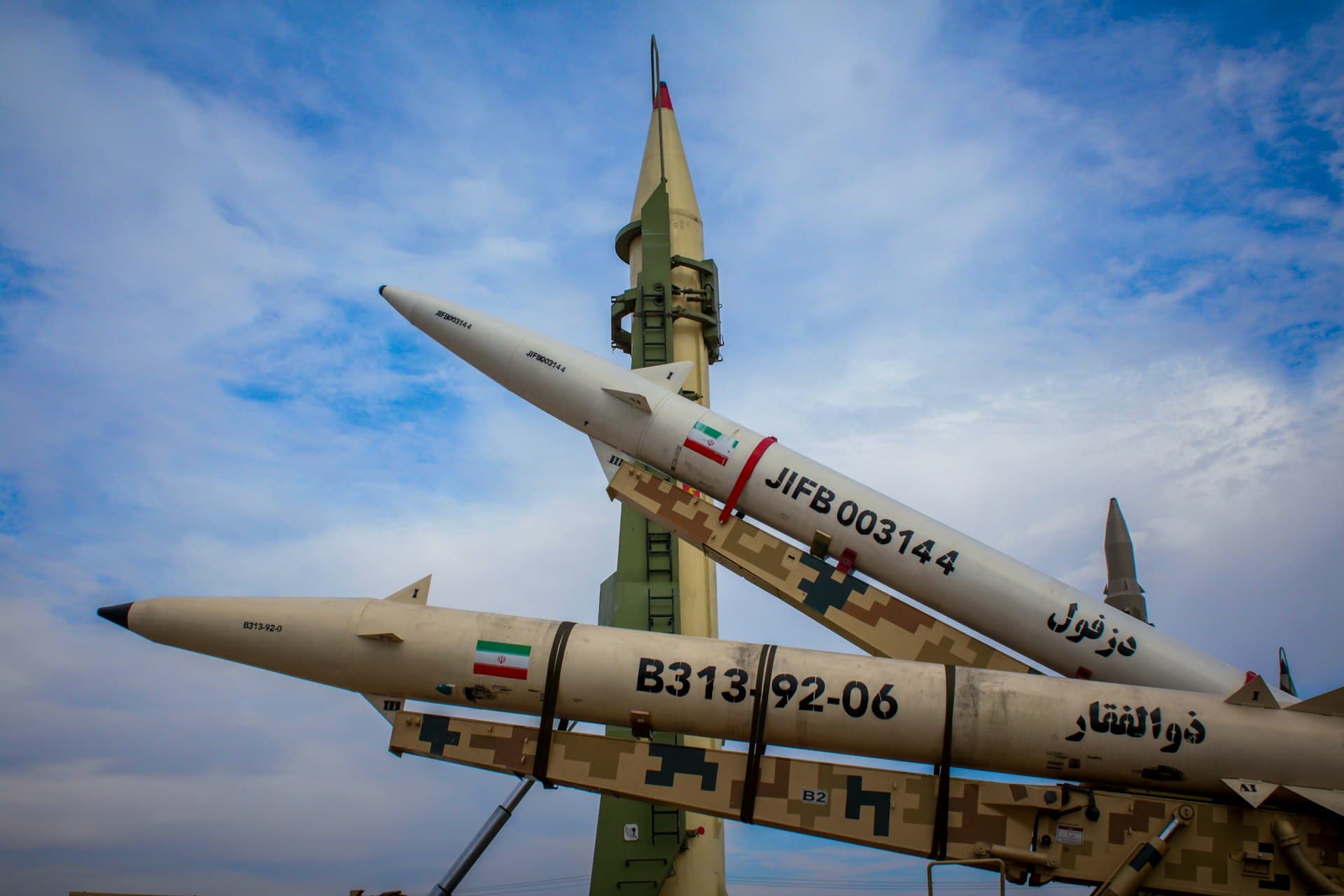
The Neurological War: How Precision Strikes Rewrote the...
The Board · Mar 27, 2026

Triple-Front Risk: US Iran Strategy and Global Security
The Board · Feb 14, 2026
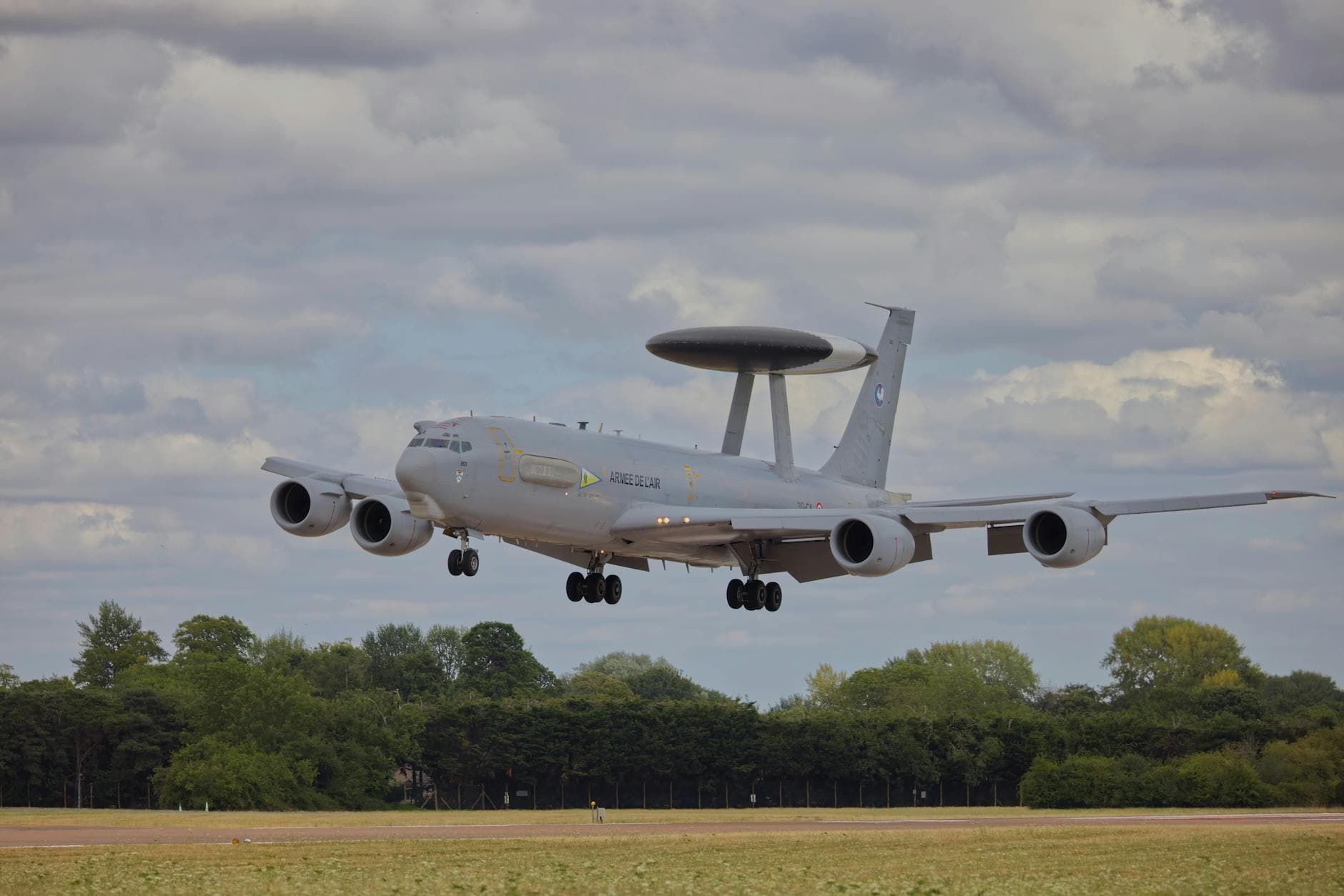
Russia Photographed the Saudi Base Three Times Before...
The Board · Mar 30, 2026
A Russian Drone Hit NATO Territory This Week
The Board · Mar 26, 2026
Trending on The Board
Seven Days in Baghdad: The Kataib Hezbollah Anomaly
Geopolitics · Apr 15, 2026

Two Voices: How Iran's State Media Edits Itself Between Languages
Geopolitics · Apr 15, 2026

China's Taiwan Dictionary: Ten Words Instead of Invasion
Geopolitics · Apr 15, 2026

The Hormuz Math: Why the Strait Can't Be Reopened Fast
Energy · Apr 15, 2026

Future Surveillance and Control by 2035
Technology · Apr 16, 2026
Latest from The Board

Crude Oil Price Forecast WTI Brent
Energy · Apr 25, 2026

Netanyahu Prostate Cancer: A Geopolitical Analysis
Geopolitics · Apr 24, 2026

Salesforce's Agentforce Math Has a Fatal Flaw
Markets · Apr 22, 2026

US-Iran Talks: What's at Stake for the US?
Geopolitics · Apr 21, 2026

Copper Price Forecast $15,000 by 2026
Markets · Apr 18, 2026

Strait of Hormuz Blockade: Is Iran Provoking War?
Geopolitics · Apr 18, 2026

US Strikes Iran Consequences Analysis
Geopolitics · Apr 18, 2026

World Economy 2030: AI Integration Impact
Markets · Apr 16, 2026