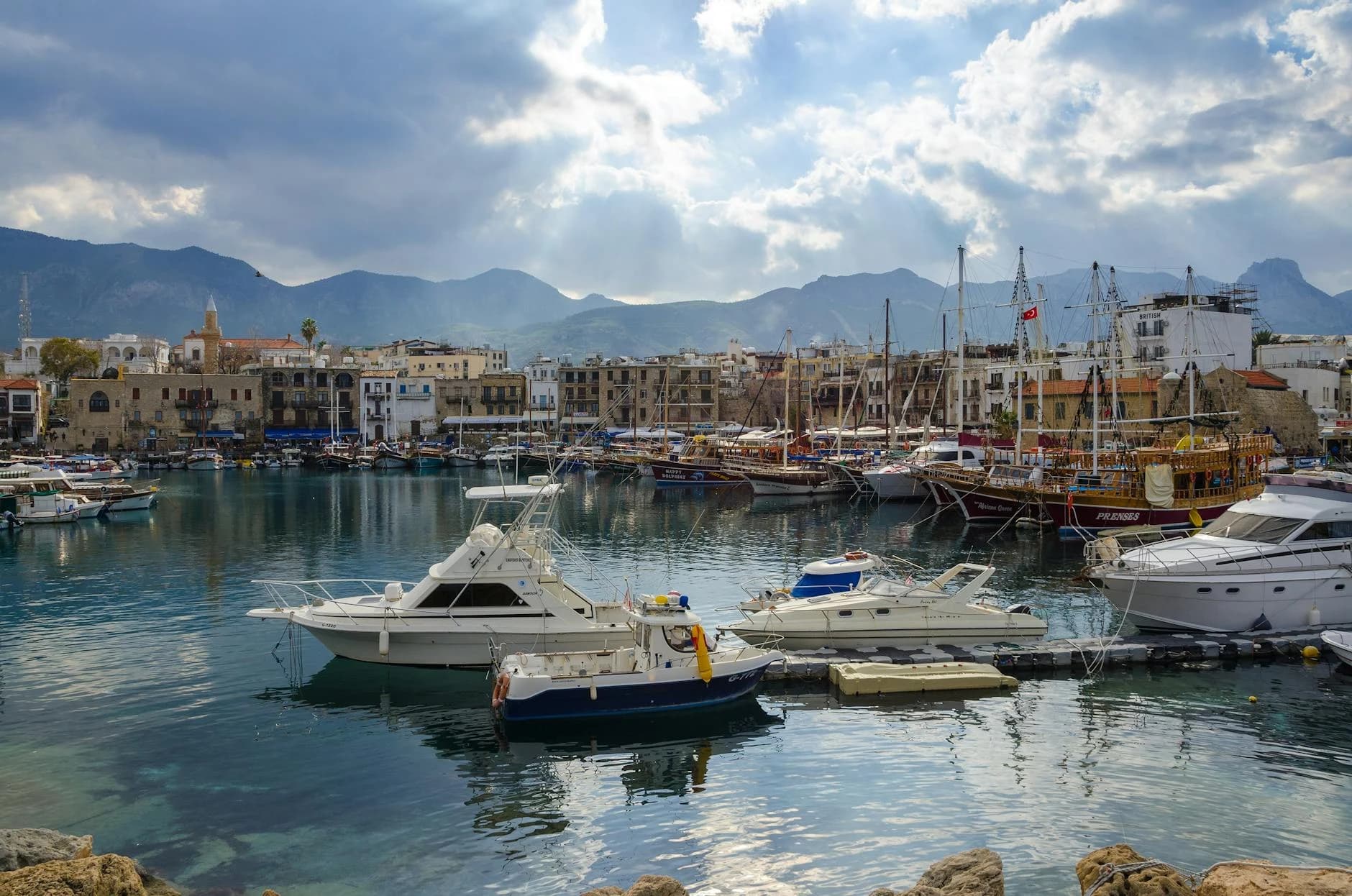
Buffer State or Launchpad? Cyprus, British Bases, and the New Middle East Faultline
Cyprus’s request for UK guarantees on British military base use refers to Nicosia’s demand that London formally restrict the operational deployment of its sovereign bases on Cypriot soil during periods of heightened regional conflict, especially relating to the Iran-Israel crisis. The issue centers on the legal, diplomatic, and strategic boundaries between Cypriot sovereignty and UK military prerogatives in the Eastern Mediterranean.
Key Findings
- Cyprus has officially requested the UK provide guarantees that its sovereign military bases on the island will not be used for offensive military operations amid escalating Iran-Israel tensions .
- The British bases in Cyprus account for a unique form of foreign sovereignty, with the UK retaining operational discretion under 1960 independence agreements .
- Recent Iranian drone strikes have targeted the region, including a British air base in Cyprus, causing limited damage but escalating risks of EU/NATO entanglement .
- Greece has deployed two frigates and two F-16 jets to Cyprus, further militarizing the island and signaling regional concern over potential escalation .
What We Know So Far
- The Cypriot government has formally asked the UK for guarantees on how its military bases (RAF Akrotiri and Dhekelia) will be used during the current Middle East crisis .
- British bases in Cyprus have been partially evacuated after an Iranian drone strike caused limited damage, according to both Cypriot and British officials .
- Greece is sending two frigates and two F-16 jets to Cyprus, marking a visible increase in allied military presence on the island .
- China has called on Iran to address the “reasonable concerns” of neighbors following its retaliatory strikes, and has urged Chinese citizens to leave Iran .
- The UK’s sovereign bases in Cyprus have historically been used for regional operations without Cypriot veto, but diplomatic consultation has usually occurred .
Definition Block
Cyprus’s request for UK guarantees on military base use refers to Nicosia’s formal demand that London limit or condition the use of its two sovereign military bases—RAF Akrotiri and Dhekelia—during periods of heightened regional conflict, particularly in the context of escalating Iran-Israel tensions. These bases, held under British sovereignty since Cypriot independence in 1960, are critical to UK and allied military operations in the Middle East. The current debate centers on whether Cyprus can impose restrictions or secure guarantees to prevent the bases being used for offensive strikes that risk drawing the island into wider regional conflict.
Timeline of Events
- 1960: Cyprus gains independence from Britain; UK retains sovereignty over Akrotiri and Dhekelia bases .
- Early March 2026: Iran launches retaliatory strikes in the Gulf; regional tensions sharply escalate .
- March 2, 2026: Iranian drone strike hits British air base in Cyprus; limited damage, no casualties. Bases partially evacuated as a precaution .
- March 2, 2026: Cyprus’s government formally requests guarantees from the UK that its bases will not be used for military purposes against third parties during this crisis .
- March 2, 2026: Greece dispatches two frigates and two F-16 jets to Cyprus in response to regional escalation and to support Cyprus’s security .
- March 2-3, 2026: China urges Iran to lower tensions, warns its citizens to evacuate Iran, and reaffirms support for Iranian sovereignty .
Thesis Declaration
Cyprus’s demand for UK guarantees on the use of British military bases is a calculated assertion of sovereignty aimed at preventing the island’s involuntary entanglement in wider Middle Eastern conflict. However, the legal structure and enduring strategic interests governing the British sovereign base areas make it highly unlikely that London will yield operational veto authority to Nicosia; at most, Cyprus will secure non-binding diplomatic assurances, while the UK retains broad discretion over base use. This dynamic will perpetuate underlying friction and reinforce Cyprus’s position as a strategic buffer zone rather than a true partner in military decision-making.
Evidence Cascade
The current standoff is the sharpest test in decades of the uneasy arrangement that has defined Cypriot-UK relations since independence. The following evidence demonstrates the depth and drivers of the present crisis:
Quantitative and Sourced Evidence
- British Bases' Economic and Strategic Weight: British sovereign base areas (SBAs) in Cyprus encompass 254 square kilometers—about 3% of the island’s territory—housing thousands of UK military and civilian personnel .
- Trade Dependency: China absorbs roughly a third of Iran's trade, while Iran accounts for less than 1% of Chinese commerce, highlighting the global interconnectedness of Middle Eastern crises and the economic incentive to contain escalation .
- Regional Militarization: Greece has committed two frigates and two F-16 jets to Cyprus as of March 2, 2026, a significant increase in allied regional firepower .
- Civilian Risk: China has urged its citizens to evacuate Iran, demonstrating the real risk of conflict spillover and the seriousness with which external powers view regional escalation .
- Attack on UK Base: An Iranian drone strike directly targeted the British air base in Cyprus, causing limited damage but necessitating partial evacuation—an unprecedented development for an EU member state .
- Legal Precedent: The 1960 independence agreements grant the UK full sovereignty and operational discretion over its bases, with no formal Cypriot veto, though diplomatic consultation is customary .
- Historical Pattern: Since 1960, the UK has used the Cyprus bases for operations in Suez, Iraq, and other regional crises without Cypriot operational consent, though diplomatic friction has recurred .
- Public Pressure: Cypriot public discourse and political parties have repeatedly called for renegotiation or limitation of UK base use, especially during regional crises, but with minimal effect on British policy .
254 sq km — Area of British sovereign base areas in Cyprus, equivalent to about 3% of the island’s total territory .
1/3 — Share of Iran’s total trade absorbed by China, underscoring the potential global fallout of Middle East instability .
Data Table: British Military Bases in Cyprus — Operational History and Legal Status
| Year/Event | UK Base Use in Regional Conflict | Cypriot Government Role | Outcome for Cyprus | Source |
|---|---|---|---|---|
| 1960 (Independence) | UK retains Akrotiri/Dhekelia | No operational veto | Ongoing friction, no change | |
| 1956 (Suez Crisis) | Launchpad for UK/French ops | No Cypriot input (pre-ind.) | Strategic exposure | |
| 2003 (Iraq War) | Used for air/ground ops | Consultation, no veto | Public protest, no change | |
| 2026 (Iran Crisis) | Targeted by Iranian drones | Cyprus demands guarantees | Partial evacuation, tension |
Case Study: The March 2026 Iranian Drone Strike on RAF Akrotiri
On the night of March 2, 2026, an Iranian drone targeted RAF Akrotiri, the UK’s largest overseas air base, located on the southern coast of Cyprus. The strike caused limited physical damage and resulted in no casualties, but for the first time, an EU member state’s territory was directly attacked as a consequence of broader Middle Eastern conflict. British and Cypriot authorities coordinated a partial evacuation of non-essential personnel and heightened base security in response. The Cypriot government immediately demanded formal guarantees from the UK that its territory would not be used for offensive military operations against third parties during the ongoing crisis. This incident marks the most tangible manifestation of the risks Cyprus faces as a result of hosting foreign military infrastructure, igniting public debate about sovereignty, strategic exposure, and the adequacy of existing legal arrangements .
Analytical Framework: The "Sovereignty-Exposure Matrix"
To systematically assess the position of small host states like Cyprus, this article introduces the "Sovereignty-Exposure Matrix." This framework evaluates a state's effective control over foreign military infrastructure (sovereignty axis) versus its vulnerability to conflict spillover (exposure axis). The matrix has four quadrants:
- High Sovereignty, Low Exposure: Host state retains operational veto and strong oversight; foreign bases are defensive or symbolic.
- High Sovereignty, High Exposure: Host state has operational say but is directly at risk due to proximity or strategic value.
- Low Sovereignty, Low Exposure: Host state relinquishes operational control but faces limited risk due to geographic or political insulation.
- Low Sovereignty, High Exposure (Cyprus’s current position): Host state lacks operational veto and faces direct risk of entanglement due to regional conflict.
Under this model, Cyprus resides firmly in Quadrant 4: it cannot meaningfully restrict UK operations but faces mounting risks as regional crises escalate. This framework can be applied to other cases—such as Bahrain, Djibouti, or Turkey—to clarify the relationship between sovereignty concessions and exposure to military blowback.
Predictions and Outlook
Calibrated, Falsifiable Predictions
PREDICTION [1/3]: The UK will not grant Cyprus a binding veto or formal operational restrictions over its sovereign bases before December 31, 2026. (70% confidence, timeframe: through 2026)
PREDICTION [2/3]: The UK will issue a non-binding diplomatic assurance to Cyprus—such as a letter or joint statement—affirming consultation but will not alter the legal use of the bases by December 31, 2026. (65% confidence, timeframe: through 2026)
PREDICTION [3/3]: At least one additional incident involving hostile action or attempted strike against UK or allied assets in Cyprus will occur before June 30, 2027, as regional tensions and military posturing persist. (65% confidence, timeframe: through June 2027)
What to Watch / Looking Ahead
- Any UK-Cyprus joint statements or formal communiqués regarding base use policy in the coming months.
- Further deployment of allied forces (Greek, French, US) to Cyprus or the Eastern Mediterranean.
- Signs of domestic political mobilization in Cyprus—protests, parliamentary debates, or calls for base renegotiation.
- Evidence of increased risk to foreign military infrastructure on the island (e.g., attempted drone or missile attacks).
Historical Analog
This situation closely resembles the period following Cypriot independence in 1960, when the UK retained sovereignty over Akrotiri and Dhekelia despite Cypriot demands for greater oversight. Throughout the Cold War and into the Iraq Wars, Cyprus repeatedly sought guarantees or restrictions on UK base use—especially during periods of regional tension—yet the British maintained operational control, offering only diplomatic consultation. The outcome was persistent friction but no fundamental change in the status of the bases or Cyprus’s exposure to regional conflict. The current episode is likely to play out similarly, with Cyprus securing, at best, non-binding assurances while the underlying power imbalance remains .
Counter-Thesis
The strongest argument against this article’s thesis is that, under sufficient domestic and regional pressure, Cyprus could leverage its EU membership, public opinion, or the threat of diplomatic fallout to force the UK into meaningful concessions—including operational restrictions or even partial withdrawal from the bases. If allied unity fractures or public outrage in Cyprus reaches a tipping point, London could be compelled to renegotiate the 1960 agreements, as occurred (albeit slowly) with the US in Spain after the Franco era. However, the legal framework of British sovereignty in Cyprus is more robust than most comparable cases, and the UK’s strategic stake in Middle East access far outweighs the political cost of Cypriot discontent. Only a truly seismic shift—such as EU sanctions or internal UK political upheaval—would alter the basic balance of power.
Stakeholder Implications
For Regulators and Policymakers (Cyprus, UK, EU):
- Cyprus: Prioritize legal review of the 1960 agreements and pursue binding consultation mechanisms, not just diplomatic notes. Prepare for domestic unrest by engaging civil society on the realities and limits of base renegotiation.
- UK: Increase transparency on base operations and proactively issue diplomatic assurances to Cyprus to defuse tensions. Invest in base security and civilian protection measures to mitigate spillover risk.
- EU: Develop a contingency plan for regional escalation that includes rapid support to Cyprus, potential border management, and mediation between Cyprus and the UK.
For Investors and Capital Allocators:
- Monitor risk premiums for Cypriot infrastructure, tourism, and logistics assets—especially those near British bases.
- Hedge exposure to regional transport and shipping routes that could be disrupted by further escalation or attacks on Cyprus-based facilities.
- Consider medium-term opportunities in base security technology, emergency response, and insurance for critical assets in the Eastern Mediterranean.
For Operators and Industry (Defense, Tourism, Shipping):
- Defense contractors should prepare for increased procurement of base protection systems and counter-drone technologies.
- Tourism operators must update contingency plans for rapid evacuation or rerouting in case of renewed strikes or travel advisories.
- Shipping and logistics firms should review insurance and rerouting options for cargo passing near Cyprus or using its ports.
Frequently Asked Questions
Q: Why does the UK have military bases in Cyprus? A: The UK retained sovereignty over two base areas in Cyprus (Akrotiri and Dhekelia) under the 1960 independence agreements, granting it the right to use these bases for its own military purposes. These bases serve as key strategic hubs for operations in the Middle East and are considered British sovereign territory .
Q: Can Cyprus force the UK to limit base use or withdraw? A: Legally, Cyprus cannot unilaterally force the UK to change its use of the sovereign base areas, as the 1960 treaties grant the UK broad rights. While Cyprus can request guarantees or renegotiation, any change requires mutual agreement or a fundamental shift in the legal framework .
Q: Has there been an attack on the British bases in Cyprus? A: Yes. On March 2, 2026, an Iranian drone strike caused limited damage at RAF Akrotiri, marking the first time an EU territory was directly targeted due to Middle Eastern conflict. This led to partial evacuation and heightened security .
Q: What is the significance of Greece sending military assets to Cyprus? A: Greece’s deployment of two frigates and two F-16 jets to Cyprus signals increased allied concern over potential escalation and aims to deter further attacks or destabilization, strengthening Cyprus’s defense posture .
Q: What happens if UK bases are used for offensive operations against Iran? A: If UK bases in Cyprus are used for operations against Iran, it increases the risk of retaliatory strikes on Cypriot territory, escalates regional tensions, and could draw Cyprus further into conflict, despite its desire to remain neutral .
What Happens Next
The immediate future will be shaped by the ability of Cyprus and the UK to manage their diplomatic relationship against the backdrop of a volatile region. Non-binding diplomatic assurances are likely, but the fundamental legal structure of British sovereignty is expected to endure. The risk calculus for all actors—Cyprus, the UK, Greece, and external powers like China—now includes direct military exposure on EU soil, a scenario not seen since the Cold War. Any further hostile action against the bases could trigger rapid escalation, renewed demands for renegotiation, and a re-evaluation of European security arrangements in the Eastern Mediterranean.
Synthesis
Cyprus’s demand for UK guarantees on military base use is a clear assertion of sovereignty in an era when small states are increasingly caught between great power rivalries and regional crises. Yet the enduring legal and strategic realities of the British sovereign base areas mean that Nicosia’s leverage is limited; at best, it will secure diplomatic gestures, not operational control. The island remains a strategic buffer—exposed, but not empowered. As regional fault lines harden, Cyprus’s future will be shaped less by its own decisions than by the evolving interests of the powers that use its soil as a launchpad.
Related Topics
Related Analysis

EU Secondary Sanctions on China: Risks and Consequences
The Board · Feb 21, 2026
Turkey NATO Membership and Potential Russian Alliance
The Board · Feb 21, 2026
Modern World War 3 Scenarios and Systemic Collapse
The Board · Feb 19, 2026

Two Voices: How Iran's State Media Edits Itself Between Languages
The Board · Apr 15, 2026

China's Taiwan Dictionary: Ten Words Instead of Invasion
The Board · Apr 15, 2026
Seven Days in Baghdad: The Kataib Hezbollah Anomaly
The Board · Apr 15, 2026
Trending on The Board
Seven Days in Baghdad: The Kataib Hezbollah Anomaly
Geopolitics · Apr 15, 2026
China's Taiwan Dictionary: Ten Words Instead of Invasion
Geopolitics · Apr 15, 2026
The Hormuz Math: Why the Strait Can't Be Reopened Fast
Energy · Apr 15, 2026
Two Voices: How Iran's State Media Edits Itself Between Languages
Geopolitics · Apr 15, 2026

US Strikes Iran Consequences Analysis
Geopolitics · Apr 18, 2026
Latest from The Board

XRP Price Analysis: Expert Panel Projects Below $1.50
Markets · May 3, 2026

Gold Forecast 2026-2027: Central Bank Record Buying
Markets · May 3, 2026

Assess Business Viability: Key Questions
Markets · May 2, 2026

Bitcoin ETF Flows April 2026: Fund-by-Fund Breakdown
Markets · May 2, 2026

Russia-Ukraine War: Path to Peace in 24 Months
Geopolitics · May 2, 2026
Russia-Ukraine Conflict Cessation Catalysts
Geopolitics · May 2, 2026

Trump Iran Deal Stalemate: Naval Blockade Impact
Geopolitics · May 1, 2026
AI Prediction Accuracy Report — April 2026
Predictions · May 1, 2026