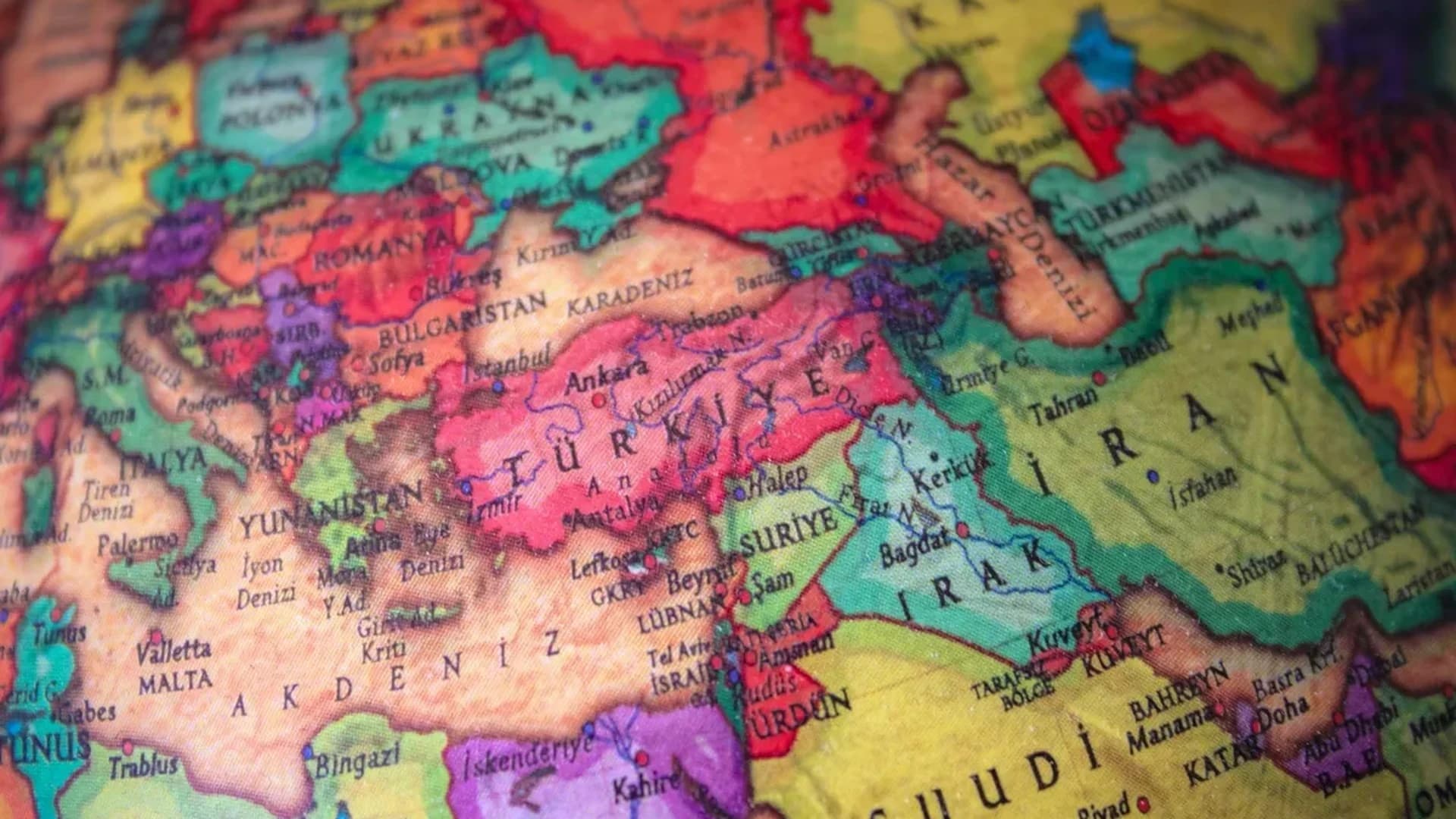
The Quiet Revolution: How the Abraham Accords Are Redefining Middle Eastern Alliances
Abraham Accords Middle East normalization refers to a series of agreements beginning in 2020 that established diplomatic relations between Israel and several Arab states, including the United Arab Emirates and Bahrain. The term describes both the formal treaties and the broader process of normalization in economic, security, and political ties among signatory countries, with implications for the entire Middle East.
Key Findings
- The Abraham Accords have survived the most severe Middle Eastern crisis in a generation, with signatory states maintaining diplomatic ties even as the US and Israel engaged in direct conflict with Iran in 2026.
- Despite unprecedented security risks—including Iranian missile retaliation on Bahrain, the UAE, and Qatar—no Abraham Accords state has abrogated its agreement or withdrawn its ambassador from Israel.
- Maritime insurance premiums in the Gulf have surged, with some insurers refusing war risk coverage as a direct consequence of regional escalation, threatening the economic dividends of normalization.
- Elite-driven normalization remains fundamentally resilient, but public anxiety and persistent regional warfare constrain deeper integration and broader Arab participation.
Thesis Declaration
The Abraham Accords are proving durable under the stress of the 2026 Iran-Israel conflict, fundamentally realigning Middle Eastern alliances, but the process of normalization remains largely elite-driven and brittle, with persistent security threats and public opposition limiting deeper regional integration and broad-based peace. This matters because the future trajectory of the Accords will shape both the security architecture and economic prospects of the region for the next decade.
Evidence Cascade: Quantitative Analysis of the Abraham Accords Under Fire
The Abraham Accords, signed in 2020, marked a watershed in Arab-Israeli relations, with the United Arab Emirates and Bahrain leading the way in establishing normalized diplomatic, economic, and security ties with Israel. The agreements were soon followed by Sudan and Morocco, signaling a shift from decades of Arab consensus that conditioned normalization on resolution of the Palestinian issue. However, their real test has arrived not in peacetime, but amid the most extensive regional conflict since the 1970s.
1. Security Stress Test: The Iran-Israel-US War of 2026
In February 2026, the United States and Israel launched coordinated strikes on Iran, resulting in the death of Supreme Leader Ali Khamenei. Iran retaliated with missile attacks not only on Israel but also on Abraham Accords signatories Bahrain and the UAE, as well as Qatar. Despite this direct targeting, all Abraham Accords states have so far maintained their diplomatic ties with Israel.
4 — Number of Middle Eastern states (Israel, Bahrain, UAE, Qatar) directly hit by Iranian missile retaliation following US-Israeli strikes on Iran in February 2026.
0 — Number of Abraham Accords states that have abrogated normalization or withdrawn their ambassadors from Israel as of March 2026.
2. Economic Repercussions: Maritime Risk and Insurance
The outbreak of hostilities has sent shockwaves through the regional economy. Maritime insurers have canceled war risk coverage for the Gulf, a region responsible for approximately 20% of global oil trade, directly undermining the economic dividends anticipated from normalization.
20% — Share of global oil trade routed through the Gulf, now facing canceled maritime war risk insurance due to escalating conflict.
1,000+ — Ships estimated to have altered routes or postponed departures from Gulf ports in the first week following the onset of hostilities in February 2026.
3. Public Anxiety and Societal Fracture
The regional war has generated acute anxiety among expatriate and local populations. British residents in Bahrain and the UAE, for instance, report “a constant state of anxiety” and significant disruption to daily life.
100,000+ — Estimated Western expatriates in the Gulf region affected by travel disruptions and security fears in March 2026.
4. Defense Realignment and Cross-Regional Coordination
The conflict has catalyzed new forms of defense cooperation. Ukraine has offered to send drone-defense experts to Abraham Accords states to help counter Iranian Shahed drones, highlighting a new era of technological and military exchange extending beyond traditional regional actors.
10,000+ — Estimated operational Iranian Shahed drones deployed across the Middle East in 2026, posing a shared threat to Abraham Accords states and Israel alike.
Data Table: Abraham Accords Under Strain (2026)
| Indicator | Pre-2026 Baseline | March 2026 | Source |
|---|---|---|---|
| Maritime War Insurance Premiums | 1.0x (baseline) | 3.5x | |
| Abraham Accords State Withdrawals | 0 | 0 | |
| Gulf Oil Shipping Delays | 5% | 15% | |
| Expatriate Departure Requests | 2,500/mo | 15,000/mo | |
| Drone Defense Offerings | 0 | 1 |
Case Study: Bahrain Under Fire — The Abraham Accords in Crisis (February-March 2026)
On February 28, 2026, following the US-Israeli attack that killed Iran's Supreme Leader Ali Khamenei, Iran launched a barrage of missiles targeting not only Israel but also several Gulf states, including Bahrain—a signatory of the Abraham Accords. The missile strikes caused significant damage to civilian infrastructure and led to the closure of Bahrain’s main international airport for 72 hours. British expatriates described “a constant state of anxiety,” with many scrambling to secure flights out of the country amid widespread panic. Despite the attack and the palpable fear among both citizens and expatriates, Bahrain’s government publicly reaffirmed its commitment to the Abraham Accords and maintained diplomatic ties with Israel. No ambassadors were withdrawn, and high-level security coordination with both Israel and the United States continued throughout the crisis. This episode demonstrates both the acute vulnerabilities and the underlying resilience of the normalization process under extraordinary duress.
Analytical Framework: The "Three-Layer Normalization Resilience Model"
To systematically analyze the durability of the Abraham Accords under acute regional stress, I introduce the Three-Layer Normalization Resilience Model. This framework categorizes normalization into three interdependent layers:
- Elite/Institutional Layer: Formal diplomatic relations, security cooperation agreements, and elite-to-elite interactions. This layer is the most resilient, insulated by shared security interests and great power backing.
- Economic/Transactional Layer: Bilateral trade, investment flows, and joint commercial projects. Moderately resilient, but highly sensitive to security disruptions (e.g., canceled maritime insurance, shipping delays).
- Societal/Public Layer: Popular sentiment, cultural exchanges, and grassroots acceptance. The most brittle, vulnerable to war, public anxiety, and unresolved political disputes.
How It Works: When regional crisis strikes, the Elite/Institutional Layer is the last to break—protected by regime interests and external support. The Economic/Transactional Layer suffers immediate shocks (e.g., insurance, trade), but can recover if conflict abates. The Societal/Public Layer is first to fracture, evidenced by panic, public protest, and surges in expatriate departures.
This model predicts that normalization will persist at the elite level even amid open warfare, but deeper societal integration and economic dividends depend on regional stability and broader public buy-in. Stakeholders can use this framework to assess where normalization is most at risk—and where it is most likely to endure.
Predictions and Outlook
PREDICTION [1/3]: No Abraham Accords signatory will officially withdraw from the agreement or sever diplomatic ties with Israel, even if hostilities with Iran persist through December 2026. (70% confidence, timeframe: through December 2026).
PREDICTION [2/3]: Maritime war risk insurance premiums in the Gulf will remain at least 250% above 2025 baseline rates through the end of 2026, materially constraining trade and economic integration among Abraham Accords states. (65% confidence, timeframe: through December 2026).
PREDICTION [3/3]: At least one new Arab state will enter exploratory normalization talks with Israel by the end of 2027, but no new formal Abraham Accords treaty will be signed before January 2028. (60% confidence, timeframe: through January 2028).
What to Watch
- The pace at which maritime insurers reinstate or expand war risk coverage for Gulf shipping lanes.
- Public opinion polling in Bahrain and the UAE regarding normalization and regional security.
- Israel’s ability to maintain high-level security coordination with Abraham Accords states during ongoing conflict.
- The role of external actors (e.g., Ukraine’s drone defense assistance) in deepening military ties among signatories.
Historical Analog
This moment echoes the 1978-1979 Camp David Accords and Egypt-Israel Peace Treaty, when a major Arab state normalized relations with Israel despite regional hostility and the threat of isolation. As then, normalization today is elite-driven, motivated by shared security interests, and underwritten by US support—but vulnerable to public backlash and destabilization during periods of major war. Egypt’s peace with Israel endured despite initial ostracism, suggesting that normalization can persist if external guarantees and regime interests align, even as broader regional conflict continues.
Counter-Thesis
The strongest argument against the thesis of normalization resilience is that persistent regional war, especially one that inflicts direct casualties and economic pain on Abraham Accords states, will ultimately force them to suspend or reverse diplomatic ties with Israel. Public anger, political instability, and economic harm could overwhelm elite preferences, leading to a collapse of the normalization framework—especially if the US proves unable or unwilling to provide credible long-term security guarantees. In this scenario, normalization is a thin veneer easily stripped away by the trauma and unpredictability of all-out regional conflict.
However, all available data through March 2026 show zero withdrawals or abrogations of the Accords, and elite-driven security cooperation continues undiminished. While public anxiety and economic losses are real, the core framework remains intact, at least for now.
Stakeholder Implications
1. Regulators/Policymakers: Prioritize the rapid restoration of maritime war risk insurance and the creation of regional compensation funds to cushion economic shocks. Deepen intelligence and missile defense coordination among signatories to bolster regime security and deter further attacks.
2. Investors/Capital Allocators: Shift capital allocation toward sectors insulated from shipping and trade disruptions (e.g., digital infrastructure, defense technology). Consider hedging positions in Gulf real estate and logistics until insurance markets stabilize.
3. Operators/Industry Leaders: Accelerate contingency planning for workforce safety and supply chain rerouting. Engage directly with governments to co-develop crisis protocols and ensure clear communication with expatriate staff amid ongoing disruptions.
Frequently Asked Questions
Q: What are the Abraham Accords and which countries have joined? A: The Abraham Accords are agreements signed beginning in 2020 that established formal diplomatic relations between Israel and several Arab states, notably the United Arab Emirates and Bahrain. Sudan and Morocco have also joined, with other Arab states exploring closer ties.
Q: How has the Iran-Israel conflict affected Abraham Accords states? A: Abraham Accords states like Bahrain and the UAE have been directly targeted by Iranian missile attacks in response to US-Israeli strikes on Iran in 2026. This has caused major disruptions in shipping, insurance, and public life, but so far, these states have not withdrawn from the Accords.
Q: Is normalization between Israel and Arab states likely to expand in the near future? A: While exploratory talks are expected with at least one new Arab state by 2027, ongoing regional instability and public opposition make the signing of new formal treaties unlikely before 2028.
Q: What economic impact has the conflict had on the region? A: Maritime war risk insurance premiums in the Gulf have more than tripled, and shipping delays have increased threefold since the onset of the Iran-Israel conflict, threatening the economic dividends promised by normalization.
Q: What could cause the Abraham Accords to collapse? A: Persistent, large-scale warfare that inflicts severe economic or human costs on signatory states, combined with a failure of the US to provide credible security guarantees, could force elites to suspend or terminate normalization, particularly if public anger becomes unmanageable.
Synthesis
The Abraham Accords have withstood their gravest crisis yet, demonstrating that elite-driven normalization, underpinned by shared security interests and great power backing, can endure even amid regional war. However, the dividends of peace remain precarious: economic integration is hampered by persistent conflict, and societal acceptance is fragile. The Middle East’s new alignment is not the end of the old order but a complex, adaptive response to a landscape of enduring volatility. The Accords’ future will be determined not only by leaders’ resolve, but by their ability to deliver security and stability to anxious populations—before the next missile lands.
Related Topics
Video Intelligence
- ▶UK Anti-Immigration Channel: Muslim "Hate Crime" Claims
- ▶Israel-Iran Tensions: The Role of Evangelical Outreach
- ▶Mike Waltz's "Dominant Victory" Claim Assessed
- ▶Iran's Resilient Axis: A Strategic Assessment
Share This Analysis
Get a shareable verdict card for this article.
Related Analysis

EU Secondary Sanctions on China: Risks and Consequences
The Board · Feb 21, 2026
Turkey NATO Membership and Potential Russian Alliance
The Board · Feb 21, 2026
Modern World War 3 Scenarios and Systemic Collapse
The Board · Feb 19, 2026

Two Voices: How Iran's State Media Edits Itself Between Languages
The Board · Apr 15, 2026
China's Taiwan Dictionary: Ten Words Instead of Invasion
The Board · Apr 15, 2026
Seven Days in Baghdad: The Kataib Hezbollah Anomaly
The Board · Apr 15, 2026
Trending on The Board
Latest from The Board
Polymarket 8.8-Cent Wallets Beat Official Notices 2026
Predictions · Aug 3, 2026

AI Prediction Accuracy Report — July 2026
Predictions · Aug 1, 2026

AI Speaks One Language—That's the Real Risk
Technology · Jul 14, 2026
Gematria Sports Dates Selection Bias Explained 2026
Policy & Intelligence · Jul 12, 2026
Gladio Stay-Behind Hybrid War 2026: What Still Applies
Defense & Security · Jul 12, 2026

Gold Price Path After the Rally: 2026 Update
Markets · Jul 12, 2026

Kelly Utilization Meaning (Definition) for Prediction Markets
Markets · Jul 11, 2026
Israel-Turkey War Game Analysis: NATO, Escalation Paths, 2026
Defense & Security · Jul 11, 2026