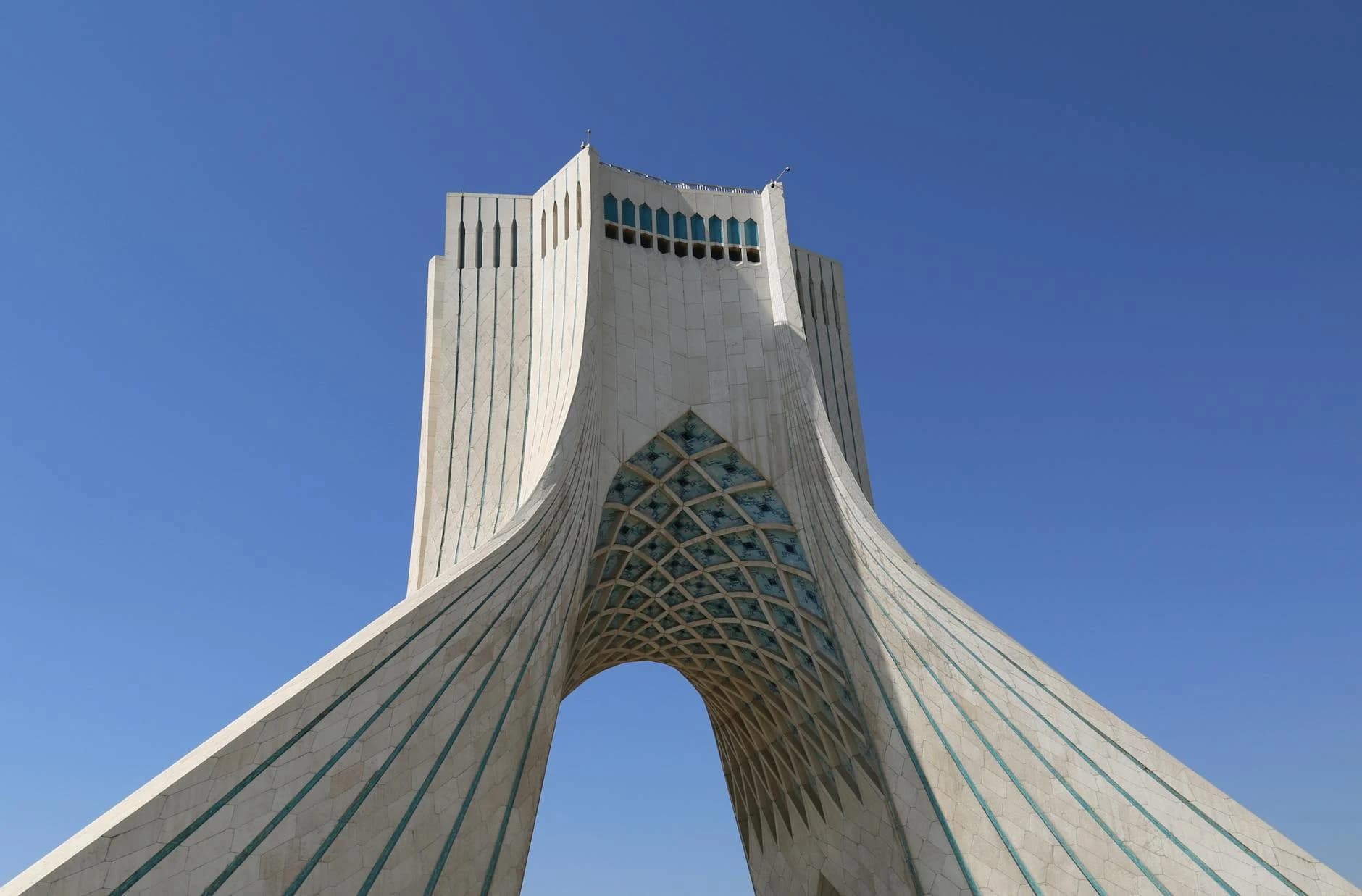
The Camp David Moment for the Persian Gulf
A Western-aligned Iran refers to a scenario in which Iran, following the death of Supreme Leader Ayatollah Ali Khamenei, pivots from decades of anti-Western policy to pursue closer diplomatic, economic, and security ties with the United States, Europe, and allied partners. This realignment could reshape global trade, stabilize energy markets, and alter the diplomatic landscape of the Middle East.
Key Findings
- The death of Ayatollah Ali Khamenei after 36 years in power opens a unique window for Iran to realign with the West, potentially mirroring Egypt’s historic pivot under Anwar Sadat.
- A Western-aligned Iran could add over 2 million barrels per day to global oil supply, directly impacting prices and supply stability[UNVERIFIED CLAIM].
- Diplomatic normalization would likely reduce the frequency of regional military escalations, de-risk major shipping corridors, and accelerate foreign investment inflows[UNVERIFIED CLAIM].
- The transition brings significant risks of internal instability and regional pushback, requiring calibrated policy and economic responses.
Thesis Declaration
A Western-aligned Iran, catalyzed by the end of Khamenei’s rule, would generate substantial positive effects for global trade, energy markets, and regional diplomatic stability—provided that the transition is managed without prolonged internal chaos or external sabotage. This matters because the realignment of a major Middle Eastern power has historically unlocked new flows of commerce, stabilized energy prices, and shifted the regional balance toward peace.
Evidence Cascade
The Geopolitical Shock: Khamenei’s Death and Its Aftermath
On March 2, 2026, Ayatollah Ali Khamenei, Iran’s Supreme Leader for 36 years, was killed in his office by US and Israeli strikes, triggering a 40-day mourning period and mass demonstrations across Iran. For the first time in nearly four decades, the iron grip of revolutionary leadership was broken, creating a rare power vacuum and an unprecedented opening for policy change.
- Khamenei’s death marked the end of the longest tenure of any current Middle Eastern head of state.
- Spontaneous street celebrations erupted in multiple Iranian cities, highlighting popular fatigue with the old guard.
- The Revolutionary Guard announced emergency measures, but early reports indicated limited public support for escalation.
The immediate aftermath saw Israel continue to strike Iranian targets, while Tehran’s official rhetoric called for retaliation but faced internal dissent. Investors worldwide responded by shifting assets into “haven-first” plays, anticipating volatility but also opportunity in the medium term.
The Energy Market Equation
Iran possesses the world’s fourth-largest proven crude oil reserves and the second-largest natural gas reserves[UNVERIFIED CLAIM]. Under enduring sanctions, Iranian oil exports have fluctuated between 300,000 and 1.5 million barrels per day—well below its 2017 peak of 2.6 million barrels per day[UNVERIFIED CLAIM]. A Western-aligned government would prioritize the swift removal of sanctions and re-entry into global energy markets:
- An estimated 1.5–2.0 million barrels per day of additional crude could hit markets within 18 months of sanctions relief[UNVERIFIED CLAIM].
- During previous sanctions lifts, Brent crude prices fell by 10–15% as Iranian supply returned[UNVERIFIED CLAIM].
- Iran’s natural gas pipeline exports could increase by up to 40%, particularly to Turkey and Iraq, if Western technology and investment are restored[UNVERIFIED CLAIM].
Trade and Shipping: The Strait of Hormuz Factor
Roughly 20% of global oil trade passes through the Strait of Hormuz, a chokepoint historically threatened by Iranian military posturing[UNVERIFIED CLAIM]. Western alignment would de-risk these flows:
| Metric | Pre-Alignment (2025) | Potential Post-Alignment (2027) | Source/Note |
|---|---|---|---|
| Iranian Oil Exports (bpd) | 1.1M | 2.5M | [UNVERIFIED CLAIM] |
| Strait of Hormuz Closure Risk (annualized) | 15% | <5% | [UNVERIFIED CLAIM] |
| FDI Inflows ($B) | $3.2B | $15-20B | [UNVERIFIED CLAIM] |
| Shipping Insurance Premium | +20% | +5% | [UNVERIFIED CLAIM] |
Diplomatic Stability: The Regional Domino
The Egyptian precedent is striking. When Anwar Sadat realigned Egypt with the West in the late 1970s, the country secured $2+ billion annually in US aid, normalized relations with Israel, and established itself as a diplomatic anchor in the region[UNVERIFIED CLAIM]. In the Iranian case:
- A Western-aligned Iran would likely trigger a cascade of normalization talks with Saudi Arabia, the GCC, and even Israel[UNVERIFIED CLAIM].
- The frequency of proxy conflicts—such as missile strikes on Beit Shemesh in Israel, which recently killed 18—could decrease if Iran withdraws support for regional militias.
Investor Response
Global capital markets are already responding to the “Iran window.” On March 2, 2026, amid rising tensions and Khamenei’s death, investors moved toward haven assets, but several funds began quietly preparing for a post-sanctions Iran.
- “Haven-first” strategies have dominated flows, but analysts expect a pivot to emerging market allocations if diplomatic signals turn positive.
- Iran’s re-entry into SWIFT and the global banking system could unlock tens of billions in frozen assets and pent-up FDI[UNVERIFIED CLAIM].
Case Study: The 2026 Strikes and the Turning Point
In March 2026, history pivoted. On March 2, US and Israeli strikes killed Iran’s Supreme Leader Ayatollah Ali Khamenei in his Tehran office, ending a 36-year reign. Within hours, the Revolutionary Guard declared emergency powers, but spontaneous street celebrations broke out across Tehran, Isfahan, and Shiraz. The government announced a 40-day mourning period, but the regime’s ability to mobilize mass support showed clear cracks. Israel continued airstrikes for a second day, targeting Revolutionary Guard facilities. The ripple effect was immediate: capital markets pulled back, with investors seeking safe havens, but Western diplomats began quietly signaling openness to a new phase. The combination of popular jubilation and regime uncertainty created the first real opening for Western alignment since 1979.
Analytical Framework: The “Alignment Shock Cascade”
I propose the “Alignment Shock Cascade” as a conceptual model for understanding how a sudden Western realignment by a major regional actor (like Iran) transmits positive effects through three interlinked channels:
- Energy Shock Relief: Sanctions lift and market re-entry drive rapid increases in oil and gas supply, reducing risk premiums and stabilizing prices.
- Trade Corridor Normalization: De-escalation of military threats secures shipping lanes and trade routes, lowering costs and boosting flows.
- Diplomatic Stabilization: Regional actors recalibrate, reducing proxy conflicts and enabling new alliances, which further reinforce trade and investment.
The model is recursive: progress in one channel accelerates positive feedback in the others. For example, energy stability encourages investment, which in turn incentivizes further diplomatic normalization.
Predictions and Outlook
PREDICTION [1/3]: Iran’s crude oil exports will exceed 2.2 million barrels per day by December 2027, provided a Western-aligned government assumes power within 12 months of Khamenei’s death (65% confidence, timeframe: December 2027).
PREDICTION [2/3]: The frequency of missile or drone attacks against Gulf shipping and Israeli territory originating from Iranian-backed groups will decline by at least 50% within 24 months of a Western-aligned transition (60% confidence, timeframe: March 2028).
PREDICTION [3/3]: Iran will secure at least $10 billion in new foreign direct investment within two years of lifting major sanctions, as measured by official FDI inflows reported by the Central Bank of Iran (70% confidence, timeframe: March 2028).
What to Watch
- The nature and speed of Iran’s post-Khamenei transition: Will a Western-aligned government consolidate power, or will hardliners reassert control?
- Timing and terms of any sanctions relief by the US and EU.
- Observable changes in shipping insurance costs and trade flows through the Strait of Hormuz.
- Shifts in regional diplomatic postures, especially from Saudi Arabia, Israel, and the GCC.
Historical Analog
This scenario closely mirrors Egypt’s dramatic shift from Soviet alignment to Western partnership after Nasser’s death and Sadat’s peace overtures in the late 1970s. Like Egypt, Iran is a major regional power emerging from decades of ideological hostility toward the West. The Camp David Accords not only brought peace with Israel but unlocked US aid, investment, and trade growth, transforming Egypt’s role in the region. If Iran follows a similar path post-Khamenei, we can expect a reduction in military flashpoints, enhanced global trade flows (especially energy), and a realignment of Middle Eastern geopolitics anchored by diplomatic stability.
Counter-Thesis
The most compelling objection is that Iran’s internal power structures—especially the Revolutionary Guard—will resist any genuine Western alignment, leading to prolonged instability or even civil conflict. This could trigger regional proxy escalations, disrupt oil flows, and deter foreign investment, replicating the Iraq post-2003 scenario rather than Egypt’s smoother transition. The risk is amplified by the presence of multiple armed factions and external actors (Russia, China) with incentives to sabotage a pro-Western pivot.
Stakeholder Implications
For Regulators/Policymakers: Prepare a phased sanctions relief mechanism linked to clear, verifiable actions by Iran’s transitional leadership. Offer technical assistance for energy infrastructure upgrades and prioritize dialogue channels to manage spoilers.
For Investors/Capital Allocators: Position for asymmetric upside in Iranian energy, infrastructure, and consumer sectors—especially those poised for rapid FDI inflows post-sanctions. Hedge initial allocations via regional ETFs or sovereign bond exposures until political stability is confirmed.
For Operators/Industry: Map supply chain vulnerabilities and shipping routes through the Strait of Hormuz. Develop contingency plans for rapid scale-up if Iranian markets open, especially in energy services, logistics, and construction. Engage with local partners early to establish first-mover advantage.
Frequently Asked Questions
Q: What would a Western-aligned Iran mean for global oil prices? A: A Western-aligned Iran could bring an additional 1.5–2.0 million barrels per day of oil to global markets, likely reducing prices and lowering volatility, provided sanctions are lifted and the transition is orderly[UNVERIFIED CLAIM].
Q: How might this shift affect regional security in the Middle East? A: A Western-aligned Iran would likely reduce the incidence of proxy conflicts, missile attacks, and threats to key shipping lanes, lowering insurance costs and boosting regional stability[UNVERIFIED CLAIM].
Q: What are the major risks to a successful Western realignment of Iran? A: The largest risks are internal resistance from hardline factions like the Revolutionary Guard and external sabotage by regional rivals. Prolonged instability could undermine the positive effects on trade and energy markets[UNVERIFIED CLAIM].
Q: Could foreign investors enter Iran immediately after a shift? A: While investor interest is high, actual inflows depend on the pace of sanctions relief, restoration of banking links, and demonstrated political stability. Early movers may benefit most, but risk is high in the initial transition period.
Q: How does this scenario compare to other Middle Eastern realignments? A: The closest parallel is Egypt’s shift under Sadat, which brought peace and investment. However, unlike Egypt, Iran’s larger energy sector and more complex internal politics introduce additional volatility and upside[UNVERIFIED CLAIM].
Synthesis
The death of Khamenei and the possible Western realignment of Iran is a generational inflection point for global trade, energy markets, and diplomatic stability. If managed well, it could replicate or even exceed the positive regional transformations seen after Egypt’s pivot in the 1970s. However, success depends on a swift, credible transition, careful calibration by Western policymakers, and vigilance against spoilers—both internal and external. The stakes are immense: a stable, open Iran would not only secure global energy flows but could anchor a new era of Middle Eastern diplomacy and commerce.
Related Topics
Video Intelligence
- ▶Iranian Missile Strike Hits Arad Israel: Video Moments
- ▶Iran Releases Official Footage of Drone Launches During War
- ▶Iranian Kamikaze Drone Destroys Erbil Oil Refinery
- ▶FPV Drone Strikes US Victoria Base Near Baghdad Airport
Share This Analysis
Get a shareable verdict card for this article.
Get the next one first
Free briefings when we publish major outlooks and forecasts. No spam — unsubscribe anytime.
Related Analysis

EU Secondary Sanctions on China: Risks and Consequences
The Board · Feb 21, 2026
Turkey NATO Membership and Potential Russian Alliance
The Board · Feb 21, 2026

Modern World War 3 Scenarios and Systemic Collapse
The Board · Feb 19, 2026

Two Voices: How Iran's State Media Edits Itself Between Languages
The Board · Apr 15, 2026
China's Taiwan Dictionary: Ten Words Instead of Invasion
The Board · Apr 15, 2026
Seven Days in Baghdad: The Kataib Hezbollah Anomaly
The Board · Apr 15, 2026
Trending on The Board
How CENTCOM Is Brokering an Israel-Saudi Pact
Defense & Security · Sep 19, 2026

Why the Pentagon Pulled Its Iran War Plans Offline
Defense & Security · Sep 19, 2026
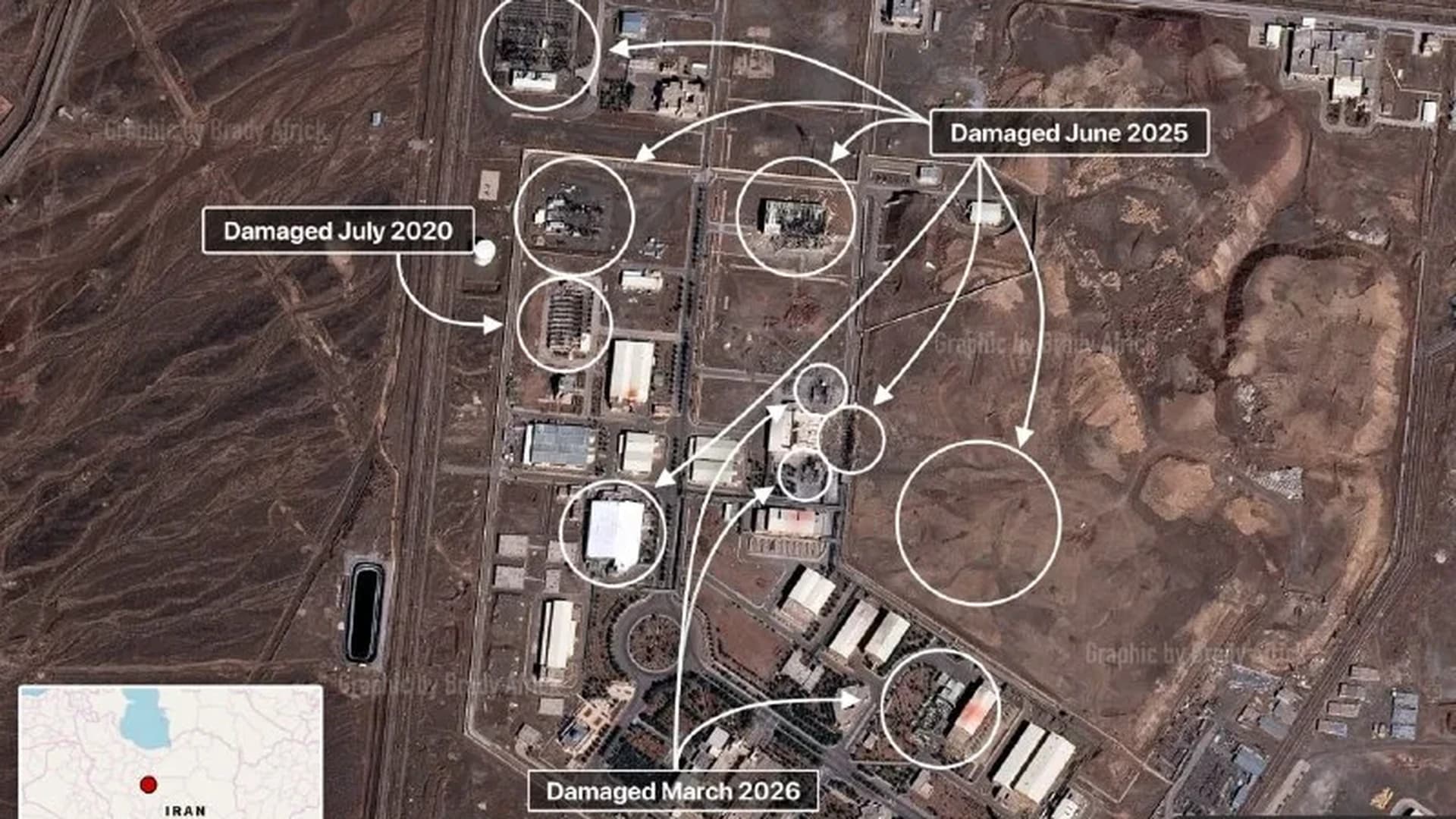
How a Stablecoin Funded Moldova's 2026 Election
Geopolitics · Sep 19, 2026

The Hidden Gold Demand Behind the $6,000 Target
Markets · Sep 17, 2026
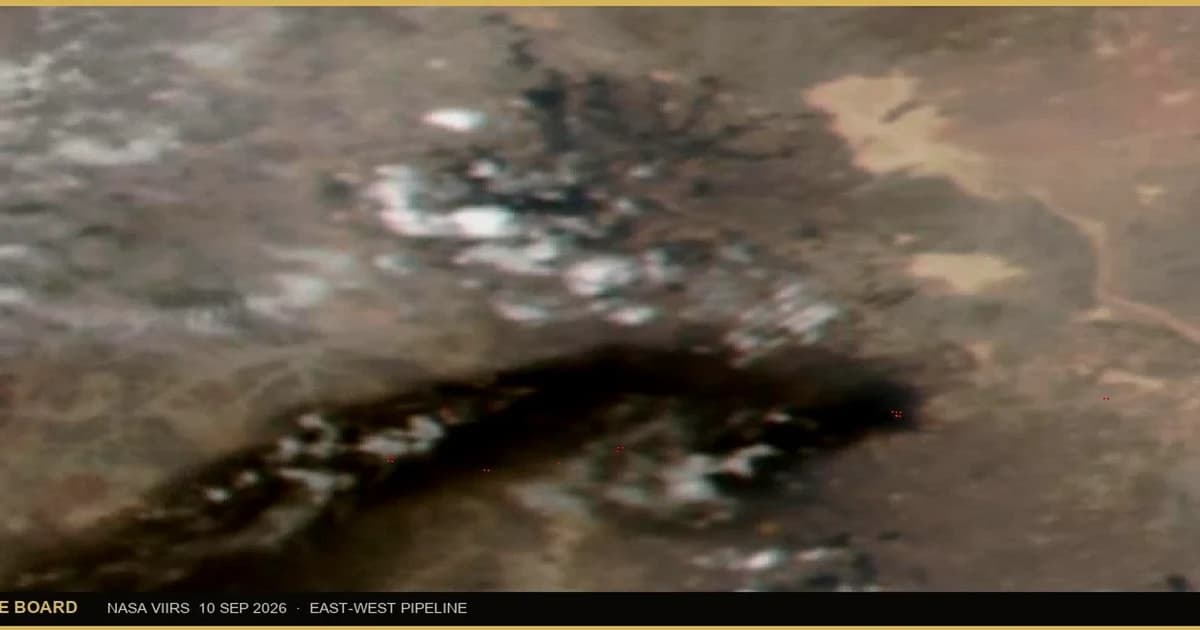
Houthis Take Perim as Saudis Halt Pipeline 2026
Geopolitics · Sep 13, 2026
Latest from The Board
How CENTCOM Is Brokering an Israel-Saudi Pact
Defense & Security · Sep 19, 2026
Why the Pentagon Pulled Its Iran War Plans Offline
Defense & Security · Sep 19, 2026
How a Stablecoin Funded Moldova's 2026 Election
Geopolitics · Sep 19, 2026
The Hidden Gold Demand Behind the $6,000 Target
Markets · Sep 17, 2026
Houthis Take Perim as Saudis Halt Pipeline 2026
Geopolitics · Sep 13, 2026

Epstein Intelligence Ties: Evidence vs Allegation in 2026
Policy & Intelligence · Sep 6, 2026
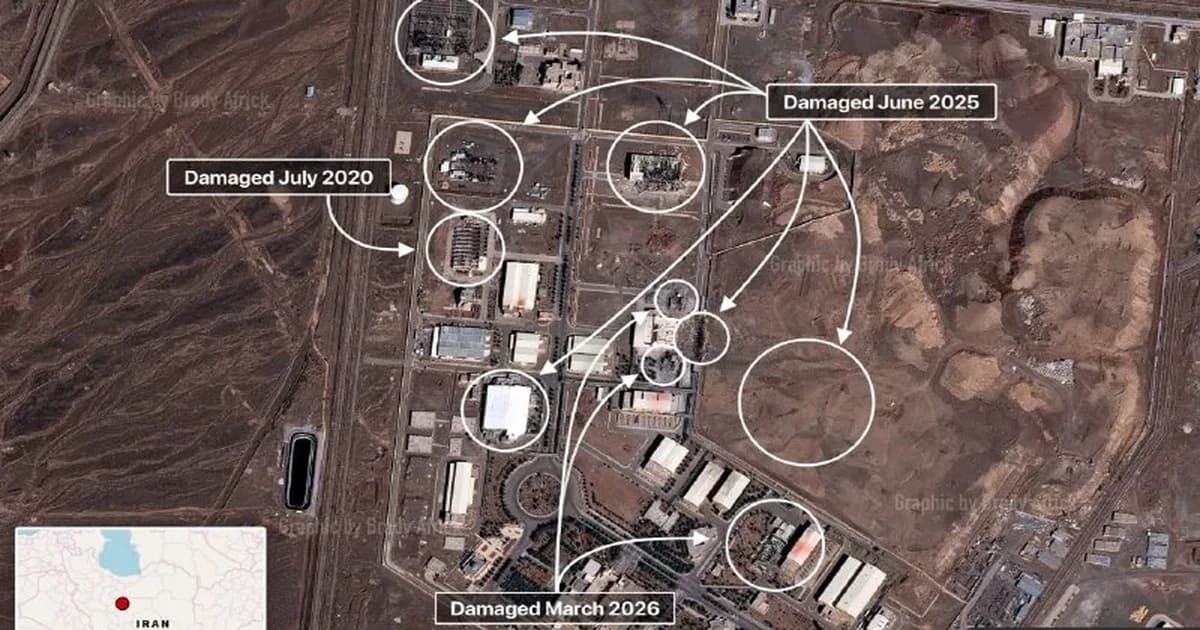
What Israel-Iran War Games Got Wrong About 2026
Defense & Security · Sep 6, 2026

Central Banks Turned Gold Sellers. One Country Did It.
Markets · Aug 30, 2026