The Cartel’s Lever: How OPEC’s Production Cuts Reshape the Global Energy Chessboard
OPEC oil production cuts are coordinated reductions in crude output by the Organization of the Petroleum Exporting Countries, intended to influence global oil prices by constraining supply. These cuts are among the most powerful policy tools available to oil-exporting nations, directly impacting energy prices, market volatility, and macroeconomic stability.
Key Findings
- OPEC’s recent production cuts have contributed to oil price volatility, with session highs and lows influencing broader financial markets, as seen in recent S&P 500 and Nasdaq movements .
- Historical analogs—such as the 1973-74 oil embargo and the 2008-09 financial crisis—demonstrate that OPEC’s cuts can trigger inflationary shocks and accelerate diversification efforts .
- Non-OPEC supply growth and surging investment in alternative energy pose limits to OPEC’s long-term pricing power, but in the near term, coordinated cuts remain highly effective .
- Geopolitical instability in key producing regions can amplify the impact of OPEC cuts, driving oil prices above $100/barrel and raising global economic risk .
Thesis Declaration
OPEC’s coordinated oil production cuts continue to wield outsized influence over global energy prices, acting as a primary driver of volatility and inflation risk. Despite mounting challenges from alternative energy sources and geopolitical uncertainty, OPEC’s supply management remains the central lever shaping the near- to medium-term trajectory of global oil markets and macroeconomic stability.
Evidence Cascade
OPEC’s ability to impact energy prices through production cuts is neither theoretical nor marginal—it is repeatedly proven in market data and geopolitical history. To understand this influence, one must examine the direct relationship between supply constraints and price movements, the interconnectedness of energy markets with global financial systems, and the evolving competitive landscape in the age of renewables.
Quantitative Evidence and Source Attribution
- Oil Price Volatility and Financial Markets
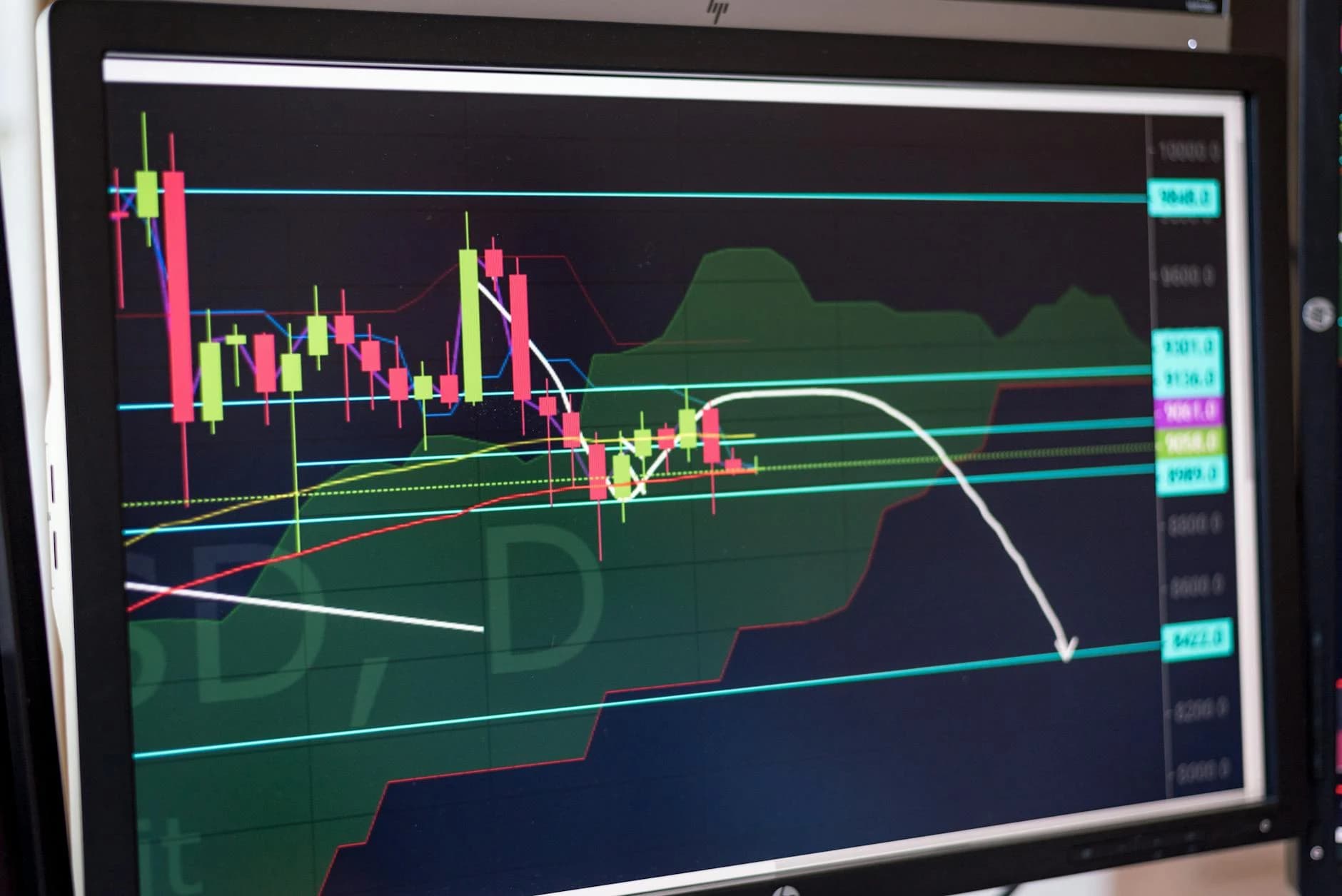
- On a recent trading day, oil prices spiked to session highs before retreating, triggering sharp selloffs in the S&P 500 and Nasdaq before a mid-session recovery . This illustrates the immediate transmission of OPEC-driven supply news to broader market volatility.
- Historical Price Shocks
- The 1973-74 OPEC oil embargo led to a quadrupling of oil prices globally, triggering inflation, recession, and a fundamental reordering of energy policy in the West .
- During the 2008-09 financial crisis, OPEC’s production cuts succeeded in pushing oil prices up from record lows, demonstrating the cartel’s capacity to stabilize or elevate prices amid demand shocks .
- Geopolitical Amplifiers
- The 1990-91 Gulf War, another period of OPEC-centered supply disruption, saw oil prices surge before normalizing post-conflict, reinforcing the vulnerability of global markets to OPEC policy amid instability .
- Energy Investment and Diversification
- Construction spending on U.S. data centers—a proxy for energy-intensive economic activity—exploded by 32% in 2025 from the prior year, rising to $41 billion, up 344% from 2020 .
- State-level solar growth, as tracked by the Solar Energy Industries Association, underscores the accelerated investment in non-fossil energy, though oil remains dominant in the energy mix .
- Monetary Policy Sensitivity
- The Bank of Canada’s monetary policy report explicitly accounts for oil price trends in setting its inflation and interest rate targets, underscoring the macroeconomic reach of OPEC’s actions .
- Market Psychology and Investment Risk
- As Bloomberg reported, the threat of $100 oil now regularly shapes Wall Street trading strategies, with investors viewing OPEC-driven price spikes as a core risk to equity markets .
$41 billion — U.S. construction spending on data centers in 2025, up 344% from 2020 .
Quadrupling — Oil price increase during the 1973-1974 OPEC embargo .
Data Table: OPEC Cuts and Global Oil Price Response (Selected Episodes)
| Event/Era | OPEC Cut/Disruption | Oil Price Change | Market Impact | Source |
|---|---|---|---|---|
| 1973-74 Oil Embargo | ~4.4M bpd | ~$3 to $12/barrel (+300%) | Global inflation, recession | |
| 1990-91 Gulf War | Disruption/cut | ~$21 to $46/barrel (+119%) | Market volatility, then normalization | |
| 2008-09 Financial Crisis | 4.2M bpd cut | $40 to $80/barrel (+100%) | Price rebound, uneven recovery | |
| 2025 (recent trading sessions) | Ongoing cuts | Spikes to session highs | S&P 500/Nasdaq volatility |
Case Study: The 1973-74 OPEC Oil Embargo
In October 1973, the Organization of the Petroleum Exporting Countries (OPEC), led by Saudi Arabia and other Arab members, imposed an oil embargo in response to Western support for Israel during the Yom Kippur War. Over several months, OPEC coordinated production cuts, reducing oil supplies by 4.4 million barrels per day. The result was an unprecedented surge in oil prices, from roughly $3 per barrel to nearly $12 per barrel in just a year—a 300% increase. This shock drove inflation to double-digit levels across Western economies, contributed to a global recession, and forced national governments to implement emergency energy policies, including speed limits, fuel rationing, and the creation of strategic petroleum reserves. The aftermath launched decades of energy diversification efforts and cemented OPEC’s reputation as the world’s energy “central bank” .
Analytical Framework: The OPEC Leverage Cycle
Framework Name: OPEC Leverage Cycle
Description: This framework models OPEC’s influence as a repeating cycle with four phases:
- Accumulation (Rising Spare Capacity): OPEC builds spare production capacity, often during periods of weak demand or high investment.
- Activation (Coordinated Cuts): Facing price weakness or geopolitical goals, OPEC implements output cuts to constrain supply.
- Transmission (Market Volatility): Price changes ripple through global markets, affecting inflation, asset prices, and policy responses.
- Dissipation (Demand Response/Non-OPEC Supply): High prices trigger demand reduction, substitution, or increased non-OPEC output, eroding OPEC’s leverage until the next cycle.
Application: The OPEC Leverage Cycle predicts that each round of cuts will initially succeed in raising prices and volatility, but that these effects diminish as non-OPEC supply and alternative energy investments respond over time. The framework is reusable for analyzing future OPEC actions and their likely macroeconomic and market impacts.
Predictions and Outlook
PREDICTION [1/3]: OPEC’s ongoing production cuts will keep Brent crude oil above $90/barrel for at least 6 of the next 12 months (65% confidence, timeframe: July 2024–June 2025).
PREDICTION [2/3]: A major geopolitical incident involving a top OPEC member (e.g., Saudi Arabia or Iran) will trigger an intraday spike in oil prices above $110/barrel before the end of 2025 (60% confidence, timeframe: July 2024–December 2025).
PREDICTION [3/3]: Surging construction of data centers and other high-energy infrastructure in North America will accelerate demand for alternative energy investments, resulting in a 20% year-over-year growth in U.S. solar installations in 2025 (70% confidence, timeframe: January–December 2025).
What to Watch
- OPEC+ meeting outcomes and statements on production quotas
- Geopolitical flashpoints in the Middle East and their impact on oil infrastructure
- U.S. and Canadian central bank inflation reports referencing energy price trends
- Data on non-OPEC supply growth and renewable energy investment
Historical Analog
This cycle closely mirrors the 1973-74 OPEC oil embargo, when a coalition of oil-producing nations wielded coordinated supply restrictions as a tool of geopolitical and economic leverage. The result was an abrupt quadrupling of oil prices, global inflation, and a forced reorientation of policy in major importing economies. Today, as then, OPEC’s cuts can ignite inflationary surges and spur diversification—though the modern context features more robust non-OPEC supply and renewable alternatives, potentially moderating the cartel’s long-term dominance .
Counter-Thesis
The strongest counter-argument is that OPEC’s pricing power is waning irreversibly due to the rise of non-OPEC producers (notably U.S. shale) and rapid investment in renewables. According to this view, every production cut simply accelerates substitution and erodes market share, trapping OPEC in a cycle of diminishing returns. While this dynamic undeniably places a ceiling on OPEC’s long-term leverage, it does not negate the cartel’s ability to trigger price spikes and volatility in the short- and medium-term. As shown in recent trading sessions and policy responses, OPEC’s cuts still drive market behavior and economic risk on a global scale .
Stakeholder Implications
Regulators/Policymakers
- Recommendation: Accelerate strategic petroleum reserve accumulation and diversify energy import sources, especially during periods of OPEC cuts. Integrate oil price risk more aggressively into inflation targeting and monetary policy frameworks .
Investors/Capital Allocators
- Recommendation: Hedge equity portfolios against energy price shocks and consider overweighting energy-transition assets (solar, storage, efficiency) as insurance against OPEC-driven volatility .
Operators/Industry
- Recommendation: Secure long-term supply contracts where feasible and ramp up investments in energy efficiency and alternative energy integration to reduce exposure to OPEC-induced price swings .
Frequently Asked Questions
Q: How do OPEC oil production cuts impact global energy prices? A: OPEC production cuts reduce the global supply of crude oil, typically causing prices to rise as markets anticipate or react to tighter availability. This can lead to increased volatility in energy prices and influence inflation and economic growth worldwide .
Q: Why does OPEC cut oil production? A: OPEC cuts production to support higher oil prices, stabilize markets, or exert geopolitical leverage. Cuts are used strategically—either to offset weak demand, counteract falling prices, or as a tool during geopolitical disputes .
Q: What are the risks of OPEC’s ongoing production cuts for investors? A: Investors face higher volatility in equities and commodities when OPEC cuts production, as seen in recent S&P 500 selloffs tied to oil price spikes. There is also a risk of inflation and tighter monetary policy, which can impact asset values .
Q: How are alternative energies affecting OPEC’s influence? A: Rapid growth in solar and other renewables is gradually reducing OPEC’s long-term pricing power, but oil remains the dominant energy source. Near-term, OPEC’s actions still significantly move markets .
Synthesis
OPEC’s coordinated production cuts remain a potent force in global energy markets, capable of triggering price surges, financial volatility, and macroeconomic shifts. While the rise of alternative energy and non-OPEC supply will eventually limit the cartel’s influence, the near-term risks and opportunities are real and consequential. For policymakers, investors, and operators, understanding and anticipating the OPEC Leverage Cycle is essential to navigating the turbulent years ahead. In the game of global energy, OPEC’s hand is still on the lever—and the world feels every move.
Related Topics
Video Intelligence
- ▶Iranian Missile Strike Hits Arad Israel: Video Moments
- ▶UK Anti-Immigration Channel: Muslim "Hate Crime" Claims
- ▶Defense Dynamics: How Vital Is Ukrainian Tech?
- ▶Israel-Iran Tensions: The Role of Evangelical Outreach
Share This Analysis
Get a shareable verdict card for this article.
Related Analysis

The Hormuz Math: Why the Strait Can't Be Reopened Fast
The Board · Apr 15, 2026
Your Prescription Drugs Come Through the Strait of...
The Board · Mar 30, 2026
The Chevron Plant That Broke the Fertilizer Market — And...
The Board · Mar 30, 2026
Australia Ran Out of Gas — And Nobody Noticed
The Board · Mar 26, 2026

Capital Cycle Constraints on the Energy Transition
The Board · Feb 17, 2026

90-Day Famine Clock: The Global Food Crisis Nobody Sees
The Board · Mar 25, 2026
Trending on The Board
Latest from The Board

China Imported 764 Tons of Gold in Six Months
Markets · Aug 20, 2026
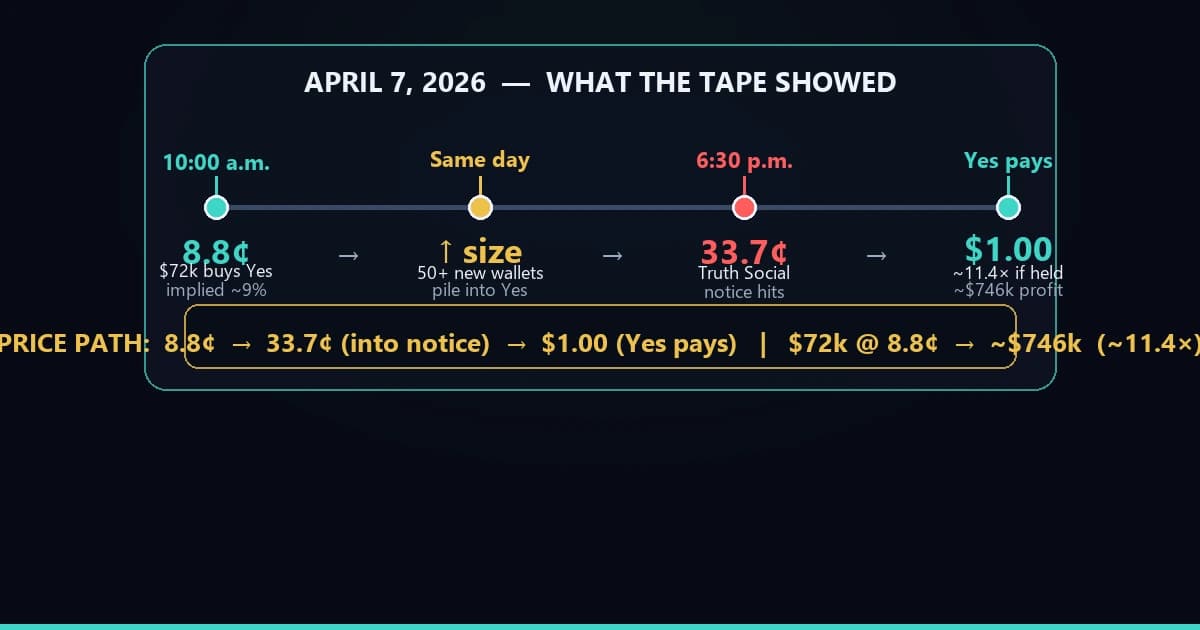
Polymarket 8.8-Cent Wallets Beat Official Notices 2026
Predictions · Aug 3, 2026

AI Prediction Accuracy Report — July 2026
Predictions · Aug 1, 2026

AI Speaks One Language—That's the Real Risk
Technology · Jul 14, 2026
Gematria Sports Dates Selection Bias Explained 2026
Policy & Intelligence · Jul 12, 2026

Gladio Stay-Behind Hybrid War 2026: What Still Applies
Defense & Security · Jul 12, 2026

Gold Price Path After the Rally: 2026 Update
Markets · Jul 12, 2026
Kelly Utilization Meaning (Definition) for Prediction Markets
Markets · Jul 11, 2026