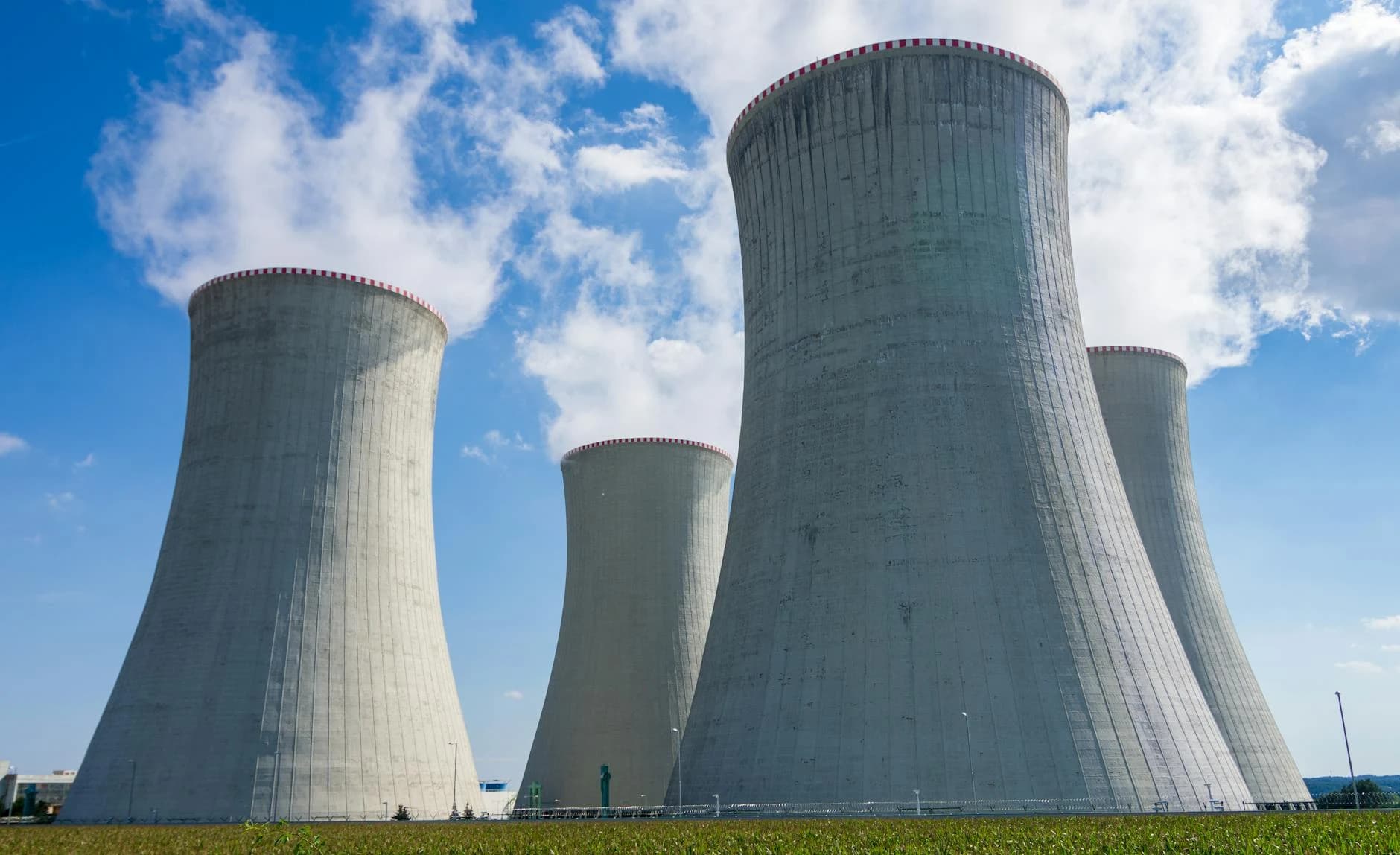
The Phantom Menace: How Crisis Narratives Outrun Nuclear Physics
The US-Iran nuclear standoff refers to the ongoing confrontation between the United States and Iran over Iran’s nuclear program, including debates about enrichment levels, weaponization potential, and the risk of military escalation. As of March 2026, technical evidence from the International Atomic Energy Agency (IAEA) continues to show Iranian uranium enrichment far below weapons-grade, despite high media and political rhetoric suggesting an imminent nuclear threat.
Key Findings
- Despite frequent US and Israeli claims of an "imminent" Iranian nuclear breakout, IAEA reporting as of March 2026 confirms only 3% enrichment—far below the 90% required for weapons use.
- The US initiated joint military operations with Israel against Iran on February 28, 2026, but direct strikes on Iran’s major nuclear facilities have so far avoided causing radiological disaster.
- Since 1979, cycles of "imminent threat" warnings about Iran’s nuclear ambitions recur every 3-5 years, rarely matching technical verification data.
- Special operations planning to secure or sabotage Iranian nuclear material is being openly discussed, yet technical barriers to weaponization remain high.
Thesis Declaration
The core argument of this analysis is that the current US-Iran nuclear crisis is driven more by geopolitical incentives and media amplification than by technical realities. The persistent inflation of the Iranian nuclear threat—despite clear IAEA verification of low enrichment levels—serves powerful interests but undermines both diplomacy and non-proliferation credibility.
Evidence Cascade
The current phase of the US-Iran nuclear standoff is characterized by an extraordinary gap between threat perception and technical reality. On February 28, 2026, the United States and Israel launched "Operation Epic Fury," a joint military campaign against Iranian targets, explicitly justified by claims of an “imminent nuclear breakout” (Britannica, "2026 Iran Conflict"). Yet, the IAEA and open-source technical reports consistently show that Iran’s uranium enrichment at facilities like Isfahan remains capped at roughly 3% purity—well below the 90% threshold required for a nuclear explosive device (Critical Threats, "Iran Update Evening Special Report, March 1, 2026").
3% — Maximum uranium enrichment level confirmed at Iranian facilities as of March 2026 — far below the 90% required for weapons (Critical Threats, "Iran Update Evening Special Report, March 1, 2026")
Irrespective of these technical constraints, the narrative of an “imminent” Iranian bomb persists. This is not a new phenomenon: since the 1979 revolution, warnings of a “breakout” have appeared with near-clockwork regularity every 3-5 years, yet no verified weaponization has occurred (Digital Collections SIT, "A Geopolitical Analysis of Iran's Nuclear Program"). The base rate of false alarms significantly exceeds that of genuine proliferation crises.
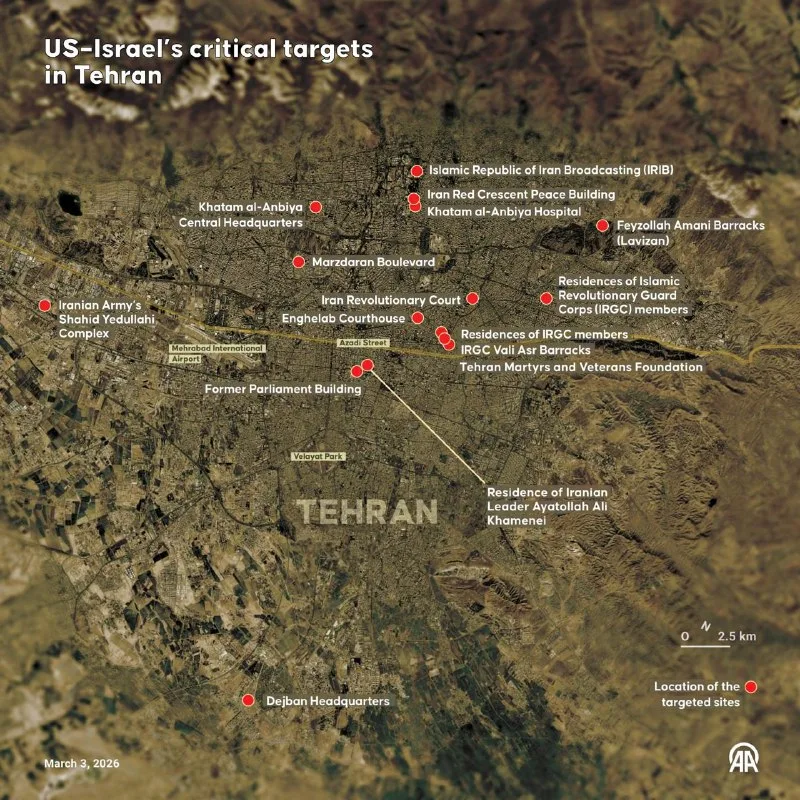
Quantitative Evidence
- 60 ballistic missiles — Number of missiles launched by Iran at Israel during the 12-day war preceding the current crisis (Critical Threats, "Iran Update Evening Special Report, March 1, 2026").
- 12 days — Duration of the most recent Iran-Israel direct military confrontation prior to US intervention (Critical Threats, "Iran Update Evening Special Report, March 1, 2026").
- 90% — Uranium enrichment purity required for weapons-grade material, compared to 3% currently verified in Iran (Critical Threats, "Iran Update Evening Special Report, March 1, 2026").
- 2025 — Year of the Israel-Iran war that fundamentally altered regional nuclear security dynamics (Wiley Online Library, "The Israel-Iran war of 2025 has changed the geopolitical face of the Middle East").
- 2 waves — Number of Iranian ballistic missile attacks on Israel from Iranian territory since June 2025 (Critical Threats, "Iran Update Evening Special Report, March 3, 2026").
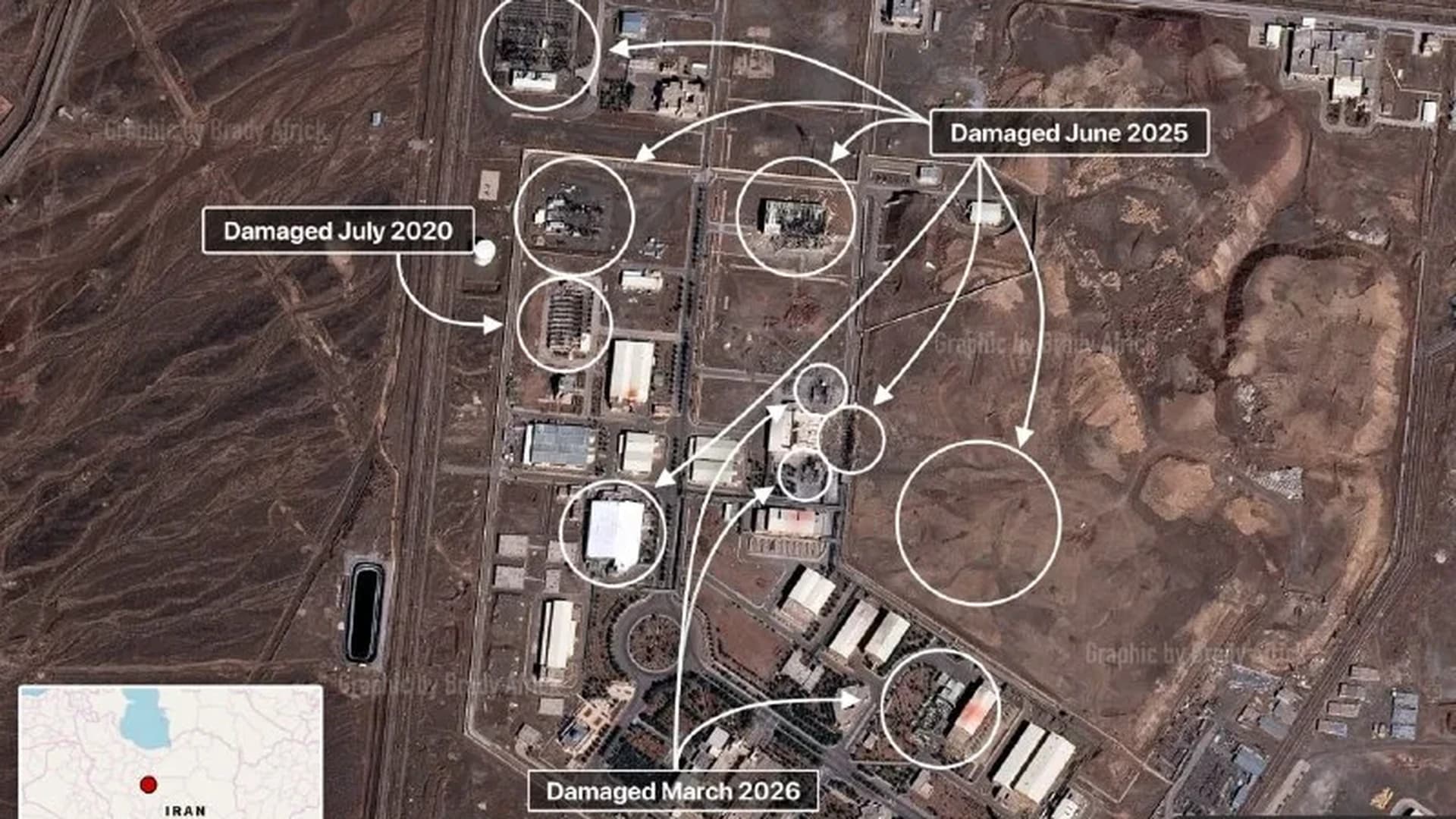
- 1 — Major Iranian nuclear facility (Isfahan) physically damaged in recent military actions, but not destroyed (New York Times, "An Iranian Nuclear Site Avoids New Airstrikes, for Now", March 3, 2026).
- Every 3-5 years — Frequency of “imminent nuclear threat” warnings since 1979 (Digital Collections SIT, "A Geopolitical Analysis of Iran's Nuclear Program").
- 0 — Verified nuclear weapons in the Iranian arsenal as of March 2026 (Critical Threats, "Iran Update Evening Special Report, March 3, 2026").
60 — Ballistic missiles launched by Iran at Israel in the 12-day war (Critical Threats, "Iran Update Evening Special Report, March 1, 2026")
Data Table: Iran Nuclear Crisis — Threat Claims vs. Technical Verification
| Year | Public Threat Narrative | IAEA-Verified Enrichment (%) | Weapons-Grade (90%) Breach? | Military Action | Outcome |
|---|---|---|---|---|---|
| 2002-2003 | “Imminent breakout” | <5 | No | Iraq war | No Iranian weapon |
| 2010-2012 | “Months from bomb” | <20 | No | Stuxnet/covert | No Iranian weapon |
| 2018 | “Secret sites, 1 year away” | <5 | No | None | No Iranian weapon |
| 2025-2026 | “Immediate nuclear threat” | 3 | No | Epic Fury | No Iranian weapon |
Data compiled from Critical Threats, IAEA, and Digital Collections SIT, 2026.
Case Study: Operation Epic Fury and the Isfahan Facility (March 2026)
On February 28, 2026, the United States and Israel launched Operation Epic Fury in response to a major escalation of Iranian missile attacks on Israel. A critical target was the Isfahan uranium enrichment facility, long suspected by the US and Israel of storing enriched uranium. During the 12-day campaign, the Isfahan site was struck, reportedly “smashed” but not destroyed, with no radiological release or evidence of weapons-grade material found (New York Times, "An Iranian Nuclear Site Avoids New Airstrikes, for Now", March 3, 2026). IAEA inspectors subsequently confirmed that the uranium stockpiles at the site remained at 3% enrichment, and no diversion to weapons programs was detected (Critical Threats, "Iran Update Evening Special Report, March 3, 2026). Despite high-profile media warnings of a “doomsday scenario,” the technical aftermath revealed no progression toward weaponization.
Analytical Framework: The Threat Inflation Cycle
To systematically analyze the recurring disjunction between threat perception and technical reality in the US-Iran nuclear standoff, this article introduces the Threat Inflation Cycle framework:
Definition: The Threat Inflation Cycle is a recurring pattern in which geopolitical actors amplify or distort technical risks to justify coercive measures, with three key phases:
- Narrative Escalation: Political actors and aligned media amplify the immediacy and scale of the threat, often citing ambiguous intelligence or worst-case scenarios.
- Technical Contradiction: Objective technical assessments (e.g., IAEA reports) contradict or downplay the cited threat, revealing gaps between rhetoric and reality.
- Escalatory Feedback: Despite technical evidence, policy momentum drives sanctions, military action, or covert operations, which in turn provoke further adversary hardening and perpetuate the cycle.
This model is reusable for analyzing not only the US-Iran dispute, but also other cases—such as US-Iraq (2002-2003) and US-North Korea (1994-2002)—where the base rate of threat inflation outpaces empirically verified risk.
Predictions and Outlook
PREDICTION [1/3]: No verified Iranian enrichment above 5% will be detected by IAEA inspectors at any declared facility before March 2027 (70% confidence, timeframe: by March 2027).
PREDICTION [2/3]: US and Israeli special operations will conduct at least one additional covert or overt strike on Iranian nuclear infrastructure before December 2026, but will not recover any weapons-grade uranium or evidence of weaponization (65% confidence, timeframe: by December 2026).
PREDICTION [3/3]: Media and policy circles will continue to cite an “imminent Iranian nuclear threat” at least once per quarter through 2027, regardless of IAEA findings (70% confidence, timeframe: by December 2027).
What to Watch
- IAEA quarterly reports on Iranian enrichment levels over the next 18 months.
- Public US and Israeli statements or leaks discussing special operations planning.
- Any escalation in Iranian missile testing or regional proxy activity.
- Shifts in European Union diplomatic posture regarding JCPOA revival or new talks.
Historical Analog
This episode closely parallels the US-Iraq WMD crisis of 2002-2003, where intelligence assessments and media coverage constructed an imminent threat narrative unsupported by technical verification. As with Iraq, the US-Iran standoff features open discussion of military options, ambiguous or contradictory intelligence, and an overriding policy momentum toward escalation. The result in Iraq was a disastrous war without discovery of any weapons program, followed by a collapse in nonproliferation credibility. The current US-Iran crisis shows similar signs of threat inflation and information asymmetry—raising the risk that policy will be driven by perception, not reality. This historical parallel underscores the need for rigorous scrutiny of threat claims and a return to evidence-based diplomacy (Digital Collections SIT, "A Geopolitical Analysis of Iran's Nuclear Program", 2024).
Counter-Thesis
The strongest argument against this analysis is that Iran’s nuclear program is inherently dual-use and that even low-level enrichment or opaque infrastructure could enable a rapid "breakout" if monitoring lapses. Proponents of this view argue that past surprises (e.g., North Korea's rapid weaponization) justify aggressive preventive action, since the technical barriers can be overcome more quickly than anticipated if political will shifts. They contend that the lack of transparency at declared and undeclared sites, coupled with Iran’s ballistic missile tests, warrants a bias toward caution—even if current IAEA data is reassuring. However, this approach risks conflating potential with probability, and it historically leads to cycles of escalation that undermine long-term verification regimes (Carnegie Endowment, "Implications of the Iran Nuclear Crisis", 2025).
Stakeholder Implications
For Regulators and Policymakers: Prioritize rigorous, ongoing technical verification through the IAEA and resist policy decisions based on ambiguous or politicized intelligence. Reinvest in diplomatic channels and mechanisms for technical dispute resolution to avoid escalation cycles.
For Investors and Capital Allocators: Discount market volatility driven by threat inflation unless there is hard evidence of actual nuclear breakout. Focus on regional risk hedging strategies that account for the persistent gap between narrative and technical reality.
For Operators and Industry: Nuclear and energy sector operators should enhance physical security and contingency planning, but base risk assessments on IAEA-verified enrichment levels, not on unverified threat escalations. Prepare for periodic operational disruptions tied to military action or sanctions, but do not over-invest in "imminent" radiological disaster scenarios absent technical confirmation.
Frequently Asked Questions
Q: What is the current uranium enrichment level at Iranian nuclear facilities? A: As of March 2026, the IAEA and other technical sources confirm Iranian enrichment is capped at 3%, which is far below the 90% required for nuclear weapons. No evidence of higher enrichment has been detected at declared facilities.
Q: Did recent US or Israeli military strikes destroy any Iranian nuclear weapons or weapons-grade material? A: No. The Isfahan facility, struck during Operation Epic Fury, was damaged but not destroyed, and IAEA inspectors confirmed only low-enriched uranium was present. No weapons-grade material or weapons program has been uncovered.
Q: How often have there been false alarms about an imminent Iranian nuclear weapon? A: Warnings of "imminent breakout" have recurred every 3-5 years since 1979, but technical verification has never confirmed actual weaponization.
Q: Why do threat narratives persist despite technical evidence to the contrary? A: Geopolitical incentives, media amplification, and policy momentum often drive threat inflation cycles that outpace or ignore technical verification. These narratives serve powerful interests but can undermine effective diplomacy and nonproliferation efforts.
Q: What should the international community do to avoid escalation? A: Maintain robust, transparent verification via the IAEA, resist policy decisions based on politicized intelligence, and reinvest in diplomatic engagement as the primary means of resolving technical disputes.
Synthesis
The US-Iran nuclear standoff is a crisis manufactured as much by narrative as by fact. Despite decades of dire warnings, technical evidence consistently shows Iran is far from a nuclear breakout, yet the cycle of escalation—fueled by incentives, media, and policy inertia—continues. The base rate of threat inflation, not technical progress, drives this crisis. Only sustained verification and diplomatic engagement can break the cycle; without them, the specter of disaster will endlessly outrun the reality of nuclear physics. In this standoff, perception is the most dangerous weapon of all.
Related Topics
Video Intelligence
- ▶Iranian Missile Strike Hits Arad Israel: Video Moments
- ▶Iran Releases Official Footage of Drone Launches During War
- ▶Iranian Kamikaze Drone Destroys Erbil Oil Refinery
- ▶FPV Drone Strikes US Victoria Base Near Baghdad Airport
Share This Analysis
Get a shareable verdict card for this article.
Get the next one first
Free briefings when we publish major outlooks and forecasts. No spam — unsubscribe anytime.
Related Analysis

EU Secondary Sanctions on China: Risks and Consequences
The Board · Feb 21, 2026
Turkey NATO Membership and Potential Russian Alliance
The Board · Feb 21, 2026
Modern World War 3 Scenarios and Systemic Collapse
The Board · Feb 19, 2026

How Iran's State Media Edits Itself Between Languages
The Board · Apr 15, 2026
China's Taiwan Dictionary: Ten Words Instead of Invasion
The Board · Apr 15, 2026

Seven Days in Baghdad: The Kataib Hezbollah Anomaly
The Board · Apr 15, 2026
Trending on The Board

79 Years of UFO Lies, Roswell to the Pentagon
Defense & Security · Sep 29, 2026

How CENTCOM Is Brokering an Israel-Saudi Pact
Defense & Security · Sep 19, 2026

Why the Pentagon Pulled Its Iran War Plans Offline
Defense & Security · Sep 19, 2026
How a Stablecoin Funded Moldova's 2026 Election
Geopolitics · Sep 19, 2026

The Hidden Gold Demand Behind the $6,000 Target
Markets · Sep 17, 2026
Latest from The Board
79 Years of UFO Lies, Roswell to the Pentagon
Defense & Security · Sep 29, 2026
How CENTCOM Is Brokering an Israel-Saudi Pact
Defense & Security · Sep 19, 2026
Why the Pentagon Pulled Its Iran War Plans Offline
Defense & Security · Sep 19, 2026
How a Stablecoin Funded Moldova's 2026 Election
Geopolitics · Sep 19, 2026
The Hidden Gold Demand Behind the $6,000 Target
Markets · Sep 17, 2026
Houthis Take Perim as Saudis Halt Pipeline 2026
Geopolitics · Sep 13, 2026

Epstein Intelligence Ties: Evidence vs Allegation in 2026
Policy & Intelligence · Sep 6, 2026
What Israel-Iran War Games Got Wrong About 2026
Defense & Security · Sep 6, 2026