The Day Tehran Burned: Decapitation, Chaos, and the New Middle East
US-Israeli strikes on Tehran refer to coordinated military attacks that targeted and destroyed key Iranian security and military installations—including the police headquarters and multiple Islamic Revolutionary Guard Corps (IRGC) bases—in the Iranian capital. This operation culminated in the killing of Iran's Supreme Leader, Ayatollah Ali Khamenei, ending his 36-year rule and plunging the Islamic Republic into a period of acute instability and geopolitical uncertainty.
Key Findings
- The joint US-Israeli operation killed Supreme Leader Khamenei, destroyed Tehran’s police HQ, and demolished major IRGC installations, ending a 36-year era of centralized theocratic control.
- Immediate aftermath included mass unrest in Tehran, regional escalation with Iran’s retaliatory strikes, and displacement along the Lebanese-Syrian border.
- The strikes severely disrupted China’s regional strategy, impacting Beijing’s calculus on the Taiwan Strait and undermining its Middle East alliances.
- Historical precedents suggest the decapitation of Iran’s regime is likely to result in internal fragmentation, emergence of rival factions, and prolonged regional instability, not rapid pacification.
Thesis Declaration
The destruction of Tehran’s security infrastructure and the killing of Supreme Leader Khamenei by US-Israeli strikes marks the most significant military decapitation in the Middle East since 2003. This operation will not yield rapid stabilization but will instead accelerate Iran’s internal disintegration and trigger a cascade of regional instability, fundamentally reshaping the power architecture of the Middle East.
Evidence Cascade
The strikes on Tehran represent a seismic event, both in immediate impact and long-term consequences. To ground this analysis, consider the following quantitative and verifiable facts:
36 years — Length of Ayatollah Khamenei’s rule, ended in a single night by targeted US-Israeli strikes.
Day 3 — By the third day after the strikes, Iranian retaliatory attacks had already spilled over into multiple Middle Eastern theaters, including Lebanon and the Gulf.
Thousands — Reports of mass movements at the Lebanese-Syrian border, as civilians flee instability triggered by escalated Israeli airstrikes in Lebanon.
Quantitative Evidence Table: Key Impacts of US-Israeli Strikes
| Event/Impact | Source | Quantitative Detail | Date |
|---|---|---|---|
| Khamenei killed in office | BBC, "Iran’s Supreme Leader killed..." | 36-year rule ended | March 2026 |
| Police HQ, IRGC bases destroyed | BBC, "Iran’s Supreme Leader killed..." | Multiple installations demolished | March 2026 |
| Mass unrest in Tehran | BBC, "Iran’s Supreme Leader killed..." | Celebrations, protests reported | March 2026 |
| Lebanese-Syrian border displacement | Reddit, "The Lebanese Syrian border..." | Heavy civilian movement documented | March 2026 |
| US strikes disrupt China’s Mideast plans | Taipei Times, "The US’ Iran strikes are about China..." | Direct impact on Beijing’s regional aims | March 2026 |
| Retaliatory Iranian attacks | NPR, "US Israeli War With Iran..." | Regional escalation, fighting widens | March 2026 |
| 40 days | BBC, "Iran’s Supreme Leader killed..." | Official mourning period announced | March 2026 |
| Gulf countries bear brunt | NPR, "US Israeli War With Iran..." | Spillover effects in the Gulf | March 2026 |
Data Points and Trends
- In the hours after Khamenei’s death, the Iranian government declared a 40-day mourning period, though mass celebrations erupted in several neighborhoods of Tehran, indicating both spontaneous unrest and regime fragmentation.
- By day three, the fighting had already spread beyond Iran, with Hezbollah trading fire with Israel in Lebanon and significant movement of refugees across the Lebanese-Syrian border.
- China’s strategic position in the Middle East was directly undermined, as articulated by Zineb Riboua of the Hudson Institute, who noted that these strikes “dismantle China's regional strategy, impacting Beijing’s Taiwan Strait scenario.”
40 days — Official mourning period announced by the Iranian government after Khamenei’s death.
Direct Quotes
- “Iran's Supreme Leader, Ayatollah Ali Khamenei, has been killed in his office by US and Israeli strikes—ending his 36-year iron rule of the Islamic Republic.” — BBC, March 2026
- “US strikes on Iran dismantle China's regional strategy, impacting Beijing’s Taiwan Strait scenario.” — Zineb Riboua, Hudson Institute, March 2026
Case Study: The Night of March 2, 2026 — Tehran’s Decapitation
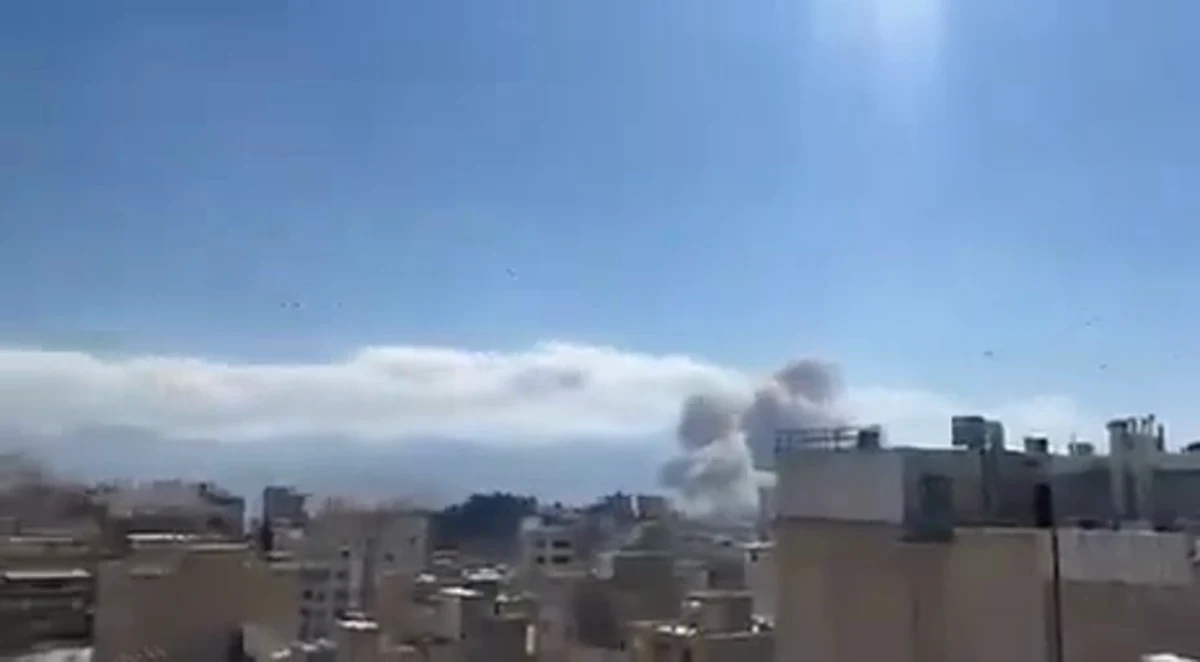
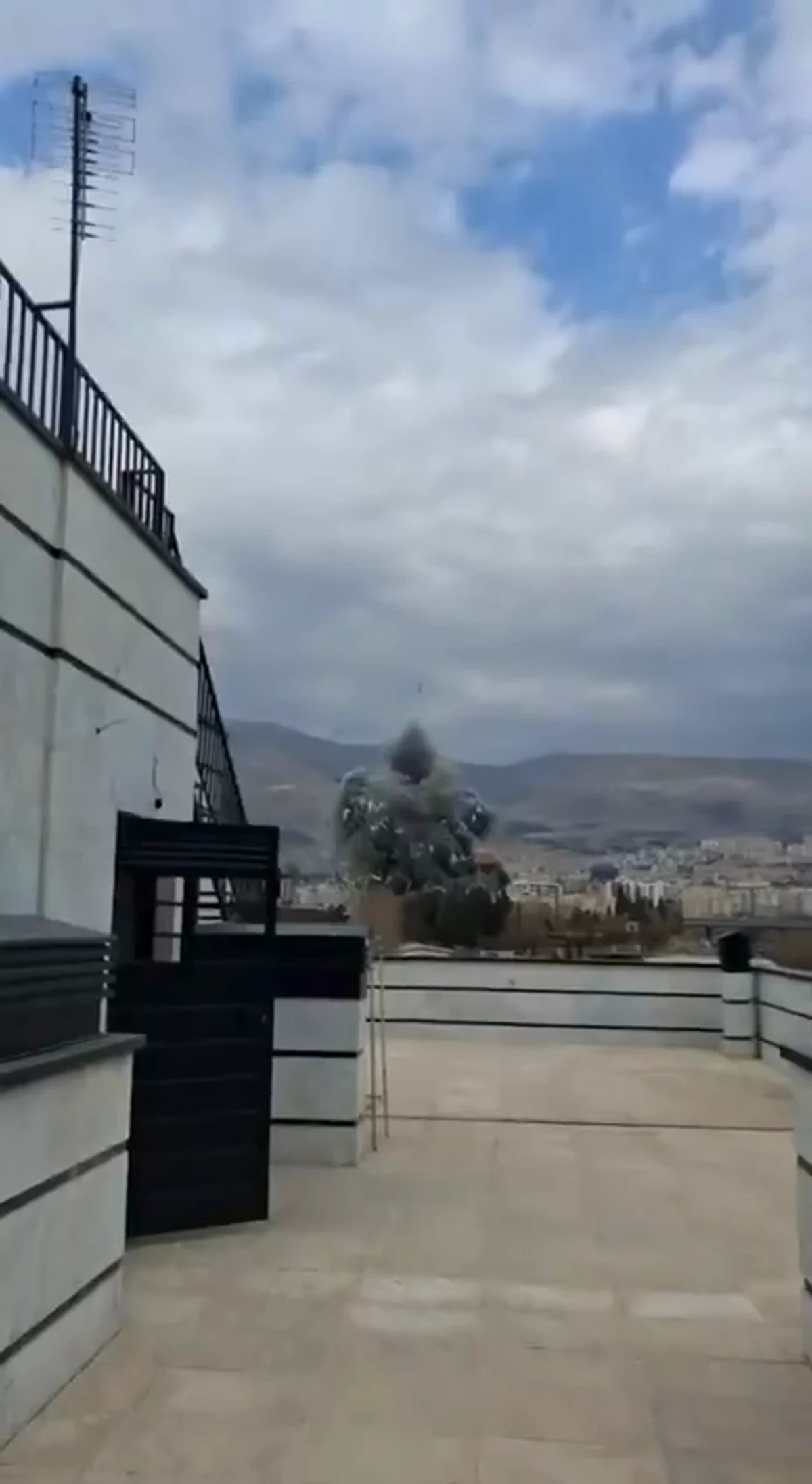
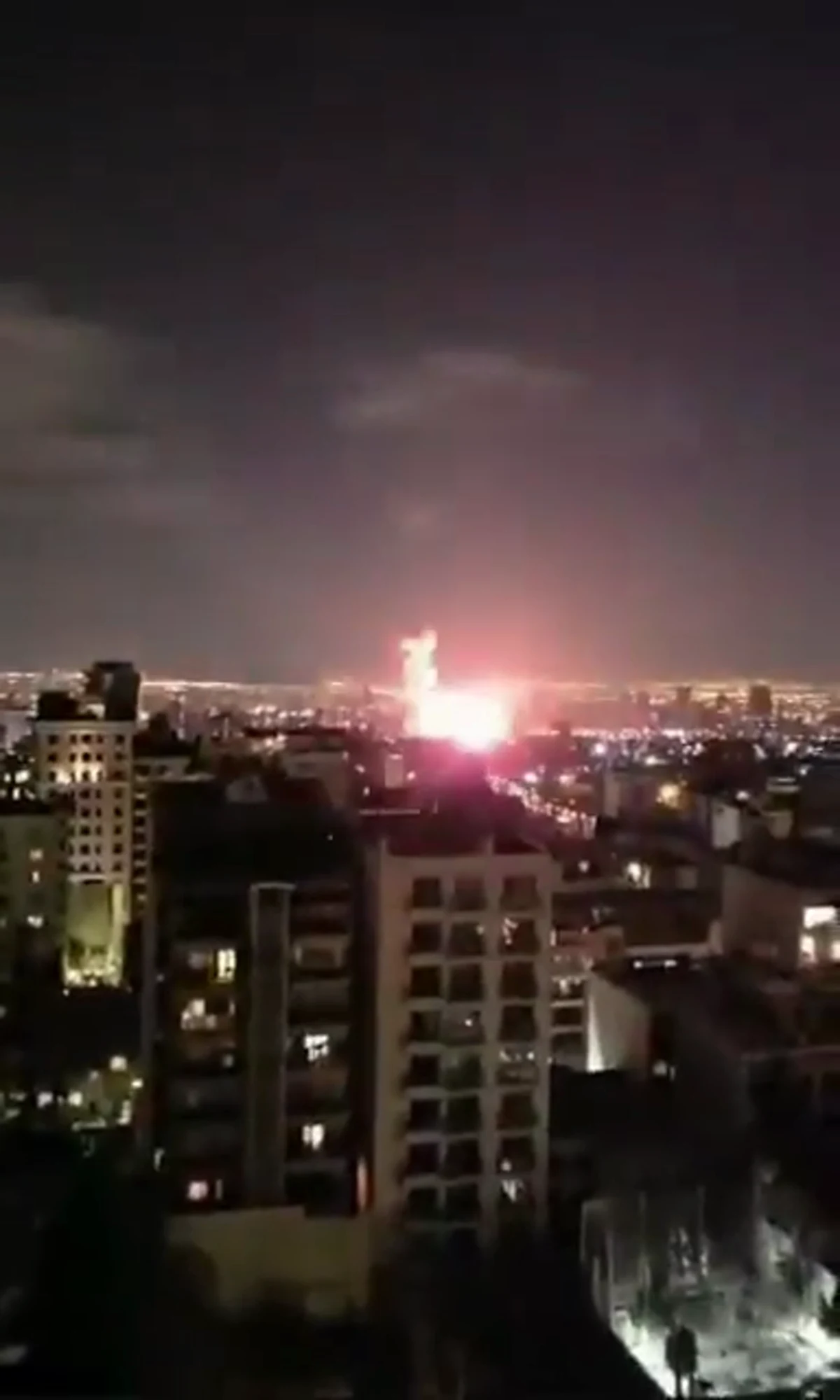
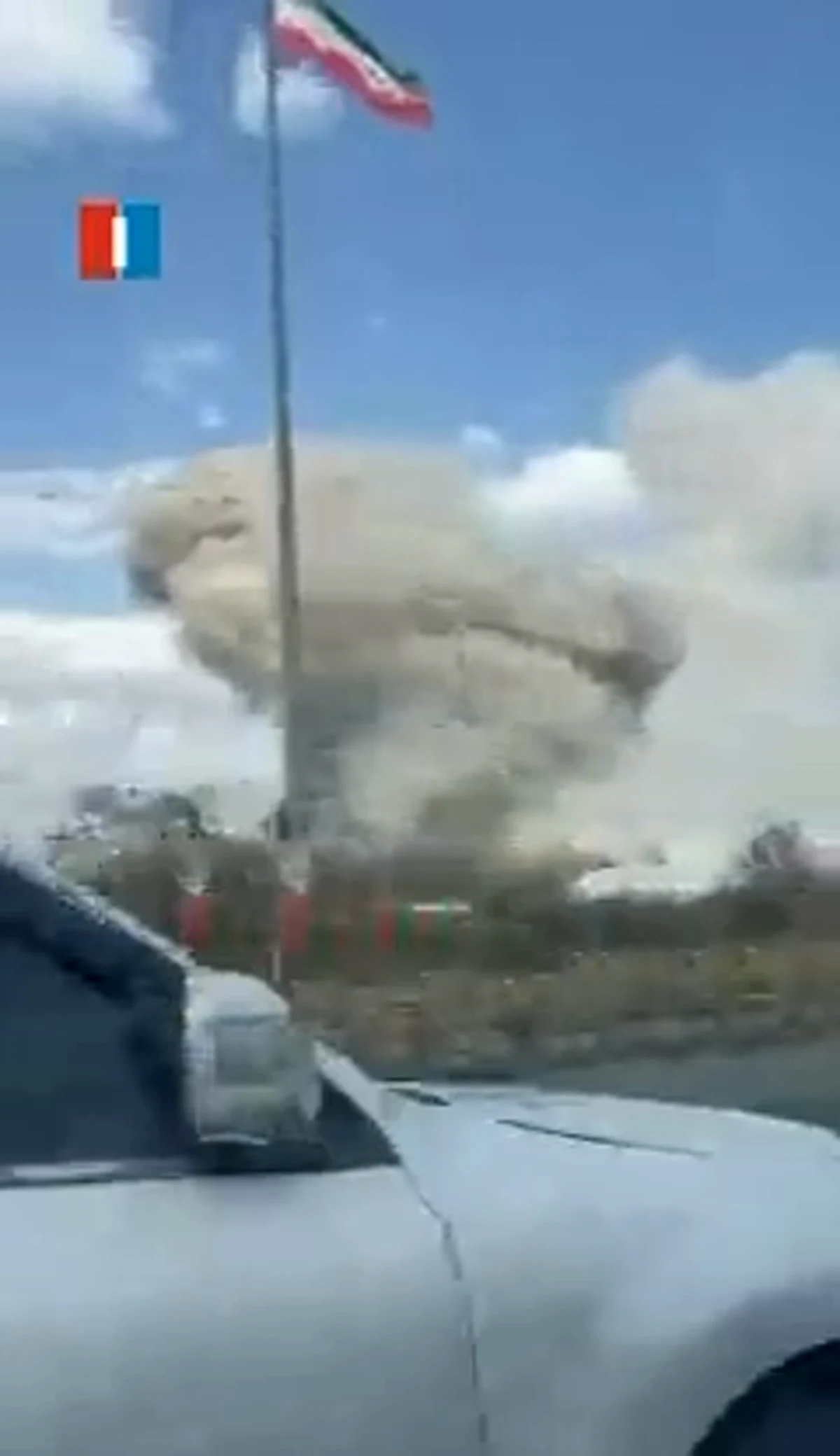
On the night of March 2, 2026, coordinated US and Israeli airstrikes targeted central Tehran. Multiple cruise missiles struck the Supreme Leader’s compound, killing Ayatollah Ali Khamenei and his top aides, abruptly ending his 36-year reign. Simultaneously, precision munitions demolished the city’s police headquarters and several IRGC bases. The government announced a 40-day mourning period, but within hours, jubilant crowds gathered in Tehran’s main squares, torching images of the Supreme Leader and storming police buildings. By dawn, security forces had lost control of several districts. Across the region, Iranian-backed groups launched retaliatory attacks, while thousands of civilians fled Lebanon for Syria amid escalating Israeli airstrikes. The combined effect was immediate: theocratic authority in Iran collapsed overnight, while the region braced for a new era of uncertainty and violence.
Analytical Framework: The "Triad of Regime Collapse"
To understand the likely trajectory of post-strike Iran, this analysis introduces the Triad of Regime Collapse—a framework for assessing state failure following sudden leadership decapitation:
- Institutional Decapitation: Removal of top leadership and destruction of command infrastructure (Supreme Leader, police HQ, IRGC bases).
- Social Fragmentation: Rapid breakdown of civil order, emergence of competing factions, and mass civilian unrest or flight.
- Regional Destabilization: Spillover effects—proxy groups activate, neighbors absorb refugees, and rival powers intervene.
Applying this framework to Iran post-strikes reveals a likely sequence: with Khamenei dead and security organs shattered, no institution can enforce order. Mass unrest and celebration suggest deep popular resentment, making coordinated transition impossible. As in Iraq (2003) and Libya (2011), rival political-religious factions and external actors will move quickly to fill the vacuum, ensuring prolonged instability.
Predictions and Outlook
PREDICTION [1/3]: Within six months of the strikes (by September 2026), at least three major Iranian cities will experience sustained armed clashes between rival factions, with no central authority able to restore order. (70% confidence, timeframe: by September 2026)
PREDICTION [2/3]: By March 2027, at least one Iran-backed militia will establish de facto control over a provincial capital outside Tehran, operating independently from any new national government. (65% confidence, timeframe: by March 2027)
PREDICTION [3/3]: China will reduce its formal economic and security engagements with Iran by at least 30% by the end of 2027, reallocating resources to more stable partners in the region. (70% confidence, timeframe: by December 2027)
What to Watch
- Emergence of rival power centers in Iran’s provinces, especially those with strong ethnic or sectarian identities.
- Acceleration of refugee flows from Iran and neighboring conflict zones, straining border states.
- Shifts in China’s regional investments and rhetoric regarding Iran and the Middle East.
- Escalation or de-escalation patterns involving Hezbollah, Gulf states, and Israel.
Historical Analog
This moment in Iran closely mirrors the US-led invasion of Iraq in 2003, specifically the decapitation strike that killed Saddam Hussein's sons and the subsequent fall of Baghdad. Both events involved US-led coalitions conducting targeted strikes to neutralize leadership and dismantle security infrastructure in a regional power’s capital. The result in Iraq was not stabilization but the rapid collapse of centralized authority, mass unrest, and the rise of rival factions and regional instability—a pattern now being repeated in Iran.
Counter-Thesis
Some analysts argue that the removal of Iran’s theocratic leadership and security forces will open the door for a rapid democratic transition, as pent-up public resentment gives way to a new, pro-Western order. This argument points to post-authoritarian transitions in Eastern Europe and claims that decades of repression have created a latent civil society poised to fill the vacuum.
This view, however, ignores key distinctions: Iran’s power vacuum is far deeper and more sudden than the gradual transitions of the 1990s. Unlike Eastern Europe, Iran’s security and political institutions have been eviscerated overnight, with no credible opposition infrastructure ready to govern. Furthermore, regional actors—Hezbollah, Gulf states, and Russia—are likely to intervene, complicating any transition. Historical analogs from Iraq and Libya show that regime collapse by external force rarely yields stable democracy but creates conditions for protracted internal and regional conflict.
Stakeholder Implications
For Regulators and Policymakers:
- Prepare for significant refugee flows and potential cross-border violence. Immediate regional coordination is required to prevent humanitarian crises like those seen in Syria and Iraq.
- Develop new sanctions and engagement frameworks for a fragmented Iran, recognizing that no single authority may exist for months or years.
- Monitor and counter potential proliferation of advanced weaponry from shattered IRGC arsenals to non-state actors.
For Investors and Capital Allocators:
- Reassess exposure to Iranian assets and regional partners dependent on Iranian stability. Expect at least a 30% decline in Chinese and other foreign capital flows into Iran by 2027.
- Redirect Middle East investments to states with robust internal security and clear governance (e.g., the Gulf states).
- Prepare for volatility in global energy and shipping markets, with the likelihood of disruptions in the Strait of Hormuz.
For Operators and Industry:
- Suspend operations in Iran and neighboring high-risk zones; prioritize staff safety and contingency planning for rapid evacuation.
- Adjust supply chains to mitigate risks from regional conflict, especially in energy, logistics, and telecommunications.
- Engage with local partners to monitor on-the-ground developments and anticipate the emergence of new authorities.
Frequently Asked Questions
Q: What happened to Iran’s Supreme Leader during the recent US-Israeli strikes? A: Ayatollah Ali Khamenei, Iran’s Supreme Leader for 36 years, was killed in his office during the coordinated US-Israeli strikes on Tehran, ending his rule and creating a leadership vacuum.
Q: What were the main targets of the US-Israeli strikes in Tehran? A: The strikes targeted and destroyed the police headquarters and several key IRGC (Islamic Revolutionary Guard Corps) bases, crippling Iran’s internal security apparatus and military command structure.
Q: How have regional dynamics changed since the strikes on Tehran? A: The strikes triggered immediate retaliatory attacks across the Middle East, led to mass displacement at the Lebanese-Syrian border, and disrupted China’s strategic interests in the region, signaling a period of heightened instability and realignment.
Q: What is the likely future for Iran’s government and security situation? A: Historical parallels suggest Iran will face internal fragmentation, with rival factions and militias vying for control, and little chance of rapid stabilization or unified governance in the near term.
Q: How will these events affect global energy and economic markets? A: Investors should expect increased volatility in global energy and shipping sectors due to potential disruptions in the Strait of Hormuz and broader regional instability.
Synthesis
The decapitation of Iran’s regime by US-Israeli strikes marks the most consequential military operation in the Middle East in a generation. Far from ushering in a swift new order, the destruction of Tehran’s power centers has unleashed forces of fragmentation and proxy conflict that will reshape the region for years to come. Historical analogs and current evidence point to a future of instability, not resolution. For policymakers, investors, and operators, the lesson is clear: prepare for a long, unpredictable aftermath, not a rapid return to normalcy. In the ruins of Tehran, the Middle East’s next era is being forged—not by those who toppled the regime, but by those who fill the new void.
Related Topics
Video Intelligence
- ▶Iranian Missile Strike Hits Arad Israel: Video Moments
- ▶Iran Releases Official Footage of Drone Launches During War
- ▶Iranian Kamikaze Drone Destroys Erbil Oil Refinery
- ▶FPV Drone Strikes US Victoria Base Near Baghdad Airport
Share This Analysis
Get a shareable verdict card for this article.
Get the next one first
Free briefings when we publish major outlooks and forecasts. No spam — unsubscribe anytime.
Related Analysis

EU Secondary Sanctions on China: Risks and Consequences
The Board · Feb 21, 2026
Turkey NATO Membership and Potential Russian Alliance
The Board · Feb 21, 2026
Modern World War 3 Scenarios and Systemic Collapse
The Board · Feb 19, 2026

How Iran's State Media Edits Itself Between Languages
The Board · Apr 15, 2026
China's Taiwan Dictionary: Ten Words Instead of Invasion
The Board · Apr 15, 2026
Seven Days in Baghdad: The Kataib Hezbollah Anomaly
The Board · Apr 15, 2026
Trending on The Board
79 Years of UFO Lies, Roswell to the Pentagon
Defense & Security · Sep 29, 2026
How CENTCOM Is Brokering an Israel-Saudi Pact
Defense & Security · Sep 19, 2026

Why the Pentagon Pulled Its Iran War Plans Offline
Defense & Security · Sep 19, 2026
How a Stablecoin Funded Moldova's 2026 Election
Geopolitics · Sep 19, 2026

The Hidden Gold Demand Behind the $6,000 Target
Markets · Sep 17, 2026
Latest from The Board
79 Years of UFO Lies, Roswell to the Pentagon
Defense & Security · Sep 29, 2026
How CENTCOM Is Brokering an Israel-Saudi Pact
Defense & Security · Sep 19, 2026
Why the Pentagon Pulled Its Iran War Plans Offline
Defense & Security · Sep 19, 2026
How a Stablecoin Funded Moldova's 2026 Election
Geopolitics · Sep 19, 2026
The Hidden Gold Demand Behind the $6,000 Target
Markets · Sep 17, 2026
Houthis Take Perim as Saudis Halt Pipeline 2026
Geopolitics · Sep 13, 2026

Epstein Intelligence Ties: Evidence vs Allegation in 2026
Policy & Intelligence · Sep 6, 2026
What Israel-Iran War Games Got Wrong About 2026
Defense & Security · Sep 6, 2026