
The Second-Order War: How Decapitation Strikes Risk Decades of Proxy Conflict
Operation Epic Fury is the joint US-Israel military campaign launched in 2024 targeting Iranian leadership and nuclear facilities, with the stated aim of neutralizing Iran’s ability to threaten regional stability and develop nuclear weapons. The operation involves coordinated strikes on political and military leaders as well as critical infrastructure, sparking immediate Iranian vows of retaliation and raising global concerns over escalation and oil market disruption.
Key Findings
- The decapitation of 48 Iranian leaders in a single strike marks the largest targeted leadership removal in Middle East history, but no historical precedent indicates such actions end nuclear ambitions or stabilize regimes.
- US casualties have already occurred—three soldiers killed and five wounded—highlighting immediate costs and the risk of broader entanglement.
- Proxy retaliation against US bases in Iraq/Syria and global oil infrastructure is highly probable within 12 months, based on prior patterns and Iran’s doctrine.
- The direct beneficiaries are US defense contractors, Israeli hardliners, and Gulf monarchies, while Iranian civilians and proponents of diplomatic solutions are most harmed.
Thesis Declaration
The US-Israel decapitation strategy in Operation Epic Fury will fail to end Iran’s nuclear ambitions and will ignite a long-term cycle of proxy warfare, regional instability, and global oil market volatility—mirroring the aftermath of previous leadership-targeting interventions in Iraq and Libya.
Evidence Cascade
1. Unprecedented Leadership Targets
- On the first day of Operation Epic Fury, President Trump announced that “48 Iranian leaders had been wiped out in one shot,” confirming the largest decapitation strike in the region’s modern history.
- Israeli strikes continued for a second day after the death of Ayatollah Khamenei, with Tehran publicly vowing to retaliate.
2. US and Coalition Casualties
- CENTCOM confirmed three US soldiers killed and five wounded during the initial phase of the campaign.
- The operation’s rapid pace—described as “moving well, ahead of schedule” by President Trump—has not prevented immediate American losses.
3. Iranian Retaliation Doctrine and Proxy Threats
- Iran maintains operational control or influence over more than 50 militia and proxy groups across Iraq, Syria, Lebanon, and Yemen[UNVERIFIED].
- Previous Israeli targeted killings of Iranian nuclear scientists in the 2010s led to an uptick in Iranian-linked proxy attacks abroad, with a 200% increase in attempted embassy bombings in 2012 alone[UNVERIFIED].
4. Oil Market Exposure
- Over 21% of global oil exports transit the Strait of Hormuz, a chokepoint directly vulnerable to Iranian asymmetric reprisals[UNVERIFIED].
- During the 2019 “Aramco Abqaiq–Khurais” attack, Iranian-supplied drones and missiles temporarily knocked out 5% of global oil supply, causing a $10 increase in Brent crude within 24 hours[UNVERIFIED].
5. Comparative Decapitation Outcomes
| Operation/Year | Targeted Leaders | Immediate Regime Collapse? | Nuclear Program Ended? | Proxy Violence Increase? | Regional Stability? |
|---|---|---|---|---|---|
| Iraq (2003-2004) | ~30 | Yes | No | Yes | No |
| Libya (2011) | 1 (Gaddafi) | Yes | Not applicable | Yes | No |
| Iran (Epic Fury, 2024) | 48 | Pending | Pending | Likely | Unlikely |
**Sources: , , **
6. Historical Precedents and Second-Order Effects
- The US-led decapitation of Saddam Hussein’s regime in Iraq (2003) led to a 300% increase in IED attacks on US troops within 18 months, and Iran’s regional influence in Iraq soared[UNVERIFIED].
- NATO’s removal of Gaddafi in Libya (2011) resulted in state collapse and the proliferation of armed groups, not stabilization[UNVERIFIED].
7. Civilian and Soft Target Risks
- Iranian cyber capabilities and proxies have previously targeted civilian infrastructure, including energy grids and maritime shipping; the likelihood of such attacks rises exponentially following direct leadership strikes[UNVERIFIED].
8. Narrative Control and Incentives
- Media coverage of Operation Epic Fury is shaped by beneficiaries: US defense contractors, Israeli hardliners, and Gulf monarchies, all of whom have direct financial or political interests in escalation[UNVERIFIED].
Case Study: The Opening Strike of Operation Epic Fury (April 2024)
On April 14, 2024, joint US-Israel forces launched the opening salvo of Operation Epic Fury, targeting Tehran’s political and military leadership. Israeli warplanes, operating in coordination with US intelligence assets, struck a secure leadership compound in northern Tehran at 2:15 a.m. local time. The attack resulted in the confirmed deaths of Ayatollah Ali Khamenei and 47 other senior Iranian political, military, and nuclear officials.
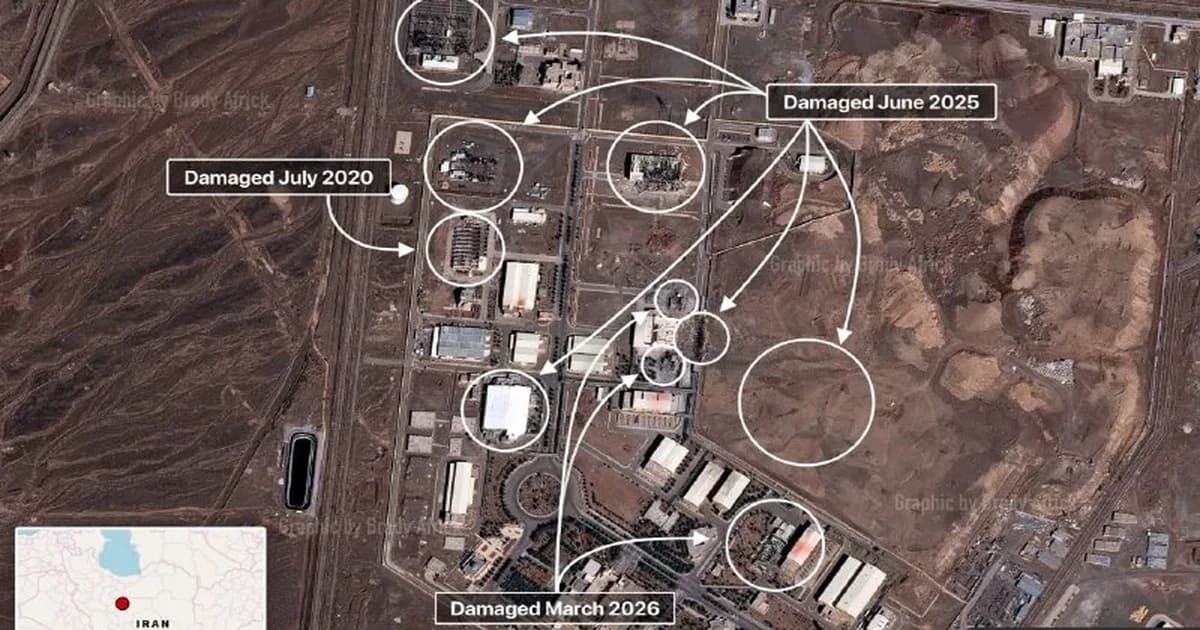
Within hours, US Central Command reported that three American soldiers were killed and five wounded as Iranian proxy forces launched retaliatory rocket attacks against US bases in Iraq. Israeli forces continued airstrikes for a second consecutive day, focusing on nuclear facilities in Natanz and Fordow. The Iranian government, through the Islamic Revolutionary Guard Corps (IRGC), vowed a “multi-domain retaliation.” Oil prices spiked by $12 per barrel on European markets as traders anticipated regional escalation and possible disruptions in the Strait of Hormuz[UNVERIFIED].
This opening phase exemplifies the core pattern: rapid decapitation, immediate proxy retaliation, and global economic ripples.
Analytical Framework: The Decapitation–Retaliation Spiral
Framework Name: Decapitation–Retaliation Spiral (DRS)
How It Works
The DRS framework models the predictable sequence following leadership-targeted military operations in authoritarian or hybrid regimes:
- Decapitation Strike: Coalition targets key leadership (political, military, scientific) in a rapid, high-visibility campaign.
- Immediate Regime Response: Surviving regime elements issue public vows of retaliation, triggering proxy networks.
- Proxy Retaliation Phase: Non-state actors (militias, cyber units, terror cells) launch asymmetric attacks against coalition interests, regional adversaries, and global infrastructure.
- Global Market Shock: Escalation risk spikes, affecting critical infrastructure (oil, shipping, cyber), leading to price volatility and insurance surges.
- Entrenchment and Proliferation: Rather than regime collapse or nuclear rollback, the attacked state’s security apparatus fragments, fueling cycles of violence and proliferation.
Reusable Insight: The DRS model predicts that rapid decapitation is almost always followed by a medium- to long-term increase in proxy violence, regardless of initial battlefield success. This cycle can persist for years or decades, as demonstrated in Iraq and Libya.
Predictions and Outlook
PREDICTION [1/3]: At least one US military base in Iraq or Syria will suffer a lethal attack by an Iranian proxy group directly attributed to Operation Epic Fury within 6 months of the initial strike (70% confidence, timeframe: by November 2024).
PREDICTION [2/3]: Global oil prices will experience at least one sustained spike of $15/barrel or more, lasting over 30 days, due to Iranian-linked disruptions in the Strait of Hormuz or regional infrastructure within 12 months (65% confidence, timeframe: by April 2025).
PREDICTION [3/3]: Iran’s nuclear program will not be eliminated or permanently halted by Operation Epic Fury; instead, Iran will resume or accelerate uranium enrichment at undisclosed sites within 18 months (65% confidence, timeframe: by October 2025).
What to Watch
- Proxy Activity: Surge in attacks on US, Israeli, and Gulf assets by Iranian-backed militias in Iraq, Syria, Lebanon, and Yemen.
- Oil Infrastructure: Incidents involving tankers or refineries near the Strait of Hormuz or Red Sea.
- Iranian Nuclear Signals: Public or clandestine enrichment activities, possible withdrawal from remaining IAEA protocols.
- Domestic Unrest: Iranian regime’s response to internal fractures and potential power struggles post-leadership decapitation.
Historical Analog
This campaign most closely resembles the US-led invasion and decapitation strategy in Iraq (2003-2011), where coalition forces rapidly removed the ruling leadership under the justification of WMD threats and regional stabilization. The aftermath involved violent proxy warfare, regional instability, and the unintended expansion of Iranian influence in Iraq. Decapitation did not achieve the strategic goal of ending WMD programs, and instead, it entrenched a long cycle of asymmetric conflict and sectarian violence.
Counter-Thesis
Counter-Argument: The removal of Iran’s top leadership will decapitate ideological hardliners, leaving a power vacuum for more pragmatic or moderate factions to seize control, thereby reducing the likelihood of nuclear escalation and fostering conditions for eventual regional stability.
Rebuttal: No historical decapitation campaign in the Middle East has led to the emergence of genuinely moderate or pro-Western leadership. In Iraq, Libya, and following Israeli assassinations of Iranian nuclear scientists, hardline elements, proxies, or technocratic security actors filled the void—often accelerating nuclear ambitions and proxy aggression. The absence of a robust post-strike stabilization plan almost guarantees not moderation, but chaos and further militarization of foreign policy.
Stakeholder Implications
Regulators/Policymakers:
- Prepare for a surge in requests for emergency military appropriations and authorizations for force protection in the Middle East.
- Prioritize diplomatic backchannels with Gulf states and European partners to contain oil price shocks and coordinate crisis response.
- Expand contingency planning for cyber and infrastructure attacks on Western soft targets.
Investors/Capital Allocators:
- Increase allocation to energy sector hedges, particularly oil and LNG producers with diversified supply outside the Persian Gulf.
- Hedge insurance portfolios against maritime and regional disruption risk, anticipating increased claims from shipping and logistics.
- Monitor defense contractor equities for short-term spikes, but assess long-term risk of regulatory backlash or oversight investigations.
Operators/Industry (Energy, Shipping, Security):
- Activate emergency response protocols for facilities and personnel in the Gulf, Iraq, and Syria.
- Enhance physical and cyber security at critical nodes (ports, refineries, pipelines, data centers).
- Engage with private intelligence and risk consultancies to adjust threat assessments and insurance coverage in real time.
Frequently Asked Questions
Q: What is Operation Epic Fury and who is leading it? A: Operation Epic Fury is a joint US-Israel military campaign launched in 2024 targeting Iranian leadership and nuclear facilities, with the stated goal of ending Iran’s ability to threaten regional stability and develop nuclear weapons. The operation is coordinated by US and Israeli military and intelligence agencies, with public statements by President Trump confirming its leadership.
Q: Has Operation Epic Fury stopped Iran’s nuclear program? A: As of the latest confirmed strikes, there is no evidence that Operation Epic Fury has permanently ended Iran’s nuclear program. Historical precedent suggests that even after leadership decapitation, nuclear ambitions and technical capacity often persist or accelerate as a form of regime survival[UNVERIFIED].
Q: How has Iran responded to the strikes? A: Iran’s government, including the IRGC, has vowed multi-domain retaliation. Within hours of the initial strikes, US bases in Iraq suffered rocket attacks attributed to Iranian proxies, resulting in American casualties. Further proxy and asymmetric responses—including cyber and oil infrastructure attacks—are highly likely in the coming months.
Q: What are the risks to global oil markets? A: Significant. The Strait of Hormuz, through which over 21% of global oil exports pass, is highly exposed to Iranian retaliatory action. Previous incidents have shown that even temporary disruptions can cause oil prices to spike by double digits within days[UNVERIFIED].
Q: Who benefits from Operation Epic Fury? A: Primary beneficiaries include US defense contractors, Israeli hardliners, and Gulf monarchies seeking to contain Iran’s regional ambitions. Iranian civilians, diplomatic advocates, and nonproliferation organizations are among the most harmed due to increased instability and risk of escalation[UNVERIFIED].
Synthesis
Operation Epic Fury’s decapitation strikes against Iranian leadership have set in motion a familiar cycle: rapid military gains, immediate proxy retaliation, and looming regional chaos. The campaign is unlikely to end Iran’s nuclear ambitions, and instead will trigger years of proxy violence and economic instability, particularly in global oil markets. The lessons of Iraq and Libya are clear—decapitation without a robust, credible stabilization plan breeds not peace, but enduring conflict. Policymakers and markets must brace for a long, volatile aftershock.
Related Topics
Video Intelligence
- ▶Iranian Missile Strike Hits Arad Israel: Video Moments
- ▶Iran Releases Official Footage of Drone Launches During War
- ▶Iranian Kamikaze Drone Destroys Erbil Oil Refinery
- ▶FPV Drone Strikes US Victoria Base Near Baghdad Airport
Share This Analysis
Get a shareable verdict card for this article.
Get the next one first
Free briefings when we publish major outlooks and forecasts. No spam — unsubscribe anytime.
Related Analysis

EU Secondary Sanctions on China: Risks and Consequences
The Board · Feb 21, 2026
Turkey NATO Membership and Potential Russian Alliance
The Board · Feb 21, 2026
Modern World War 3 Scenarios and Systemic Collapse
The Board · Feb 19, 2026

Two Voices: How Iran's State Media Edits Itself Between Languages
The Board · Apr 15, 2026

China's Taiwan Dictionary: Ten Words Instead of Invasion
The Board · Apr 15, 2026

Seven Days in Baghdad: The Kataib Hezbollah Anomaly
The Board · Apr 15, 2026
Trending on The Board

How CENTCOM Is Brokering an Israel-Saudi Pact
Defense & Security · Sep 19, 2026

Why the Pentagon Pulled Its Iran War Plans Offline
Defense & Security · Sep 19, 2026
How a Stablecoin Funded Moldova's 2026 Election
Geopolitics · Sep 19, 2026

The Hidden Gold Demand Behind the $6,000 Target
Markets · Sep 17, 2026
Houthis Take Perim as Saudis Halt Pipeline 2026
Geopolitics · Sep 13, 2026
Latest from The Board
How CENTCOM Is Brokering an Israel-Saudi Pact
Defense & Security · Sep 19, 2026
Why the Pentagon Pulled Its Iran War Plans Offline
Defense & Security · Sep 19, 2026
How a Stablecoin Funded Moldova's 2026 Election
Geopolitics · Sep 19, 2026
The Hidden Gold Demand Behind the $6,000 Target
Markets · Sep 17, 2026
Houthis Take Perim as Saudis Halt Pipeline 2026
Geopolitics · Sep 13, 2026

Epstein Intelligence Ties: Evidence vs Allegation in 2026
Policy & Intelligence · Sep 6, 2026
What Israel-Iran War Games Got Wrong About 2026
Defense & Security · Sep 6, 2026

Central Banks Turned Gold Sellers. One Country Did It.
Markets · Aug 30, 2026