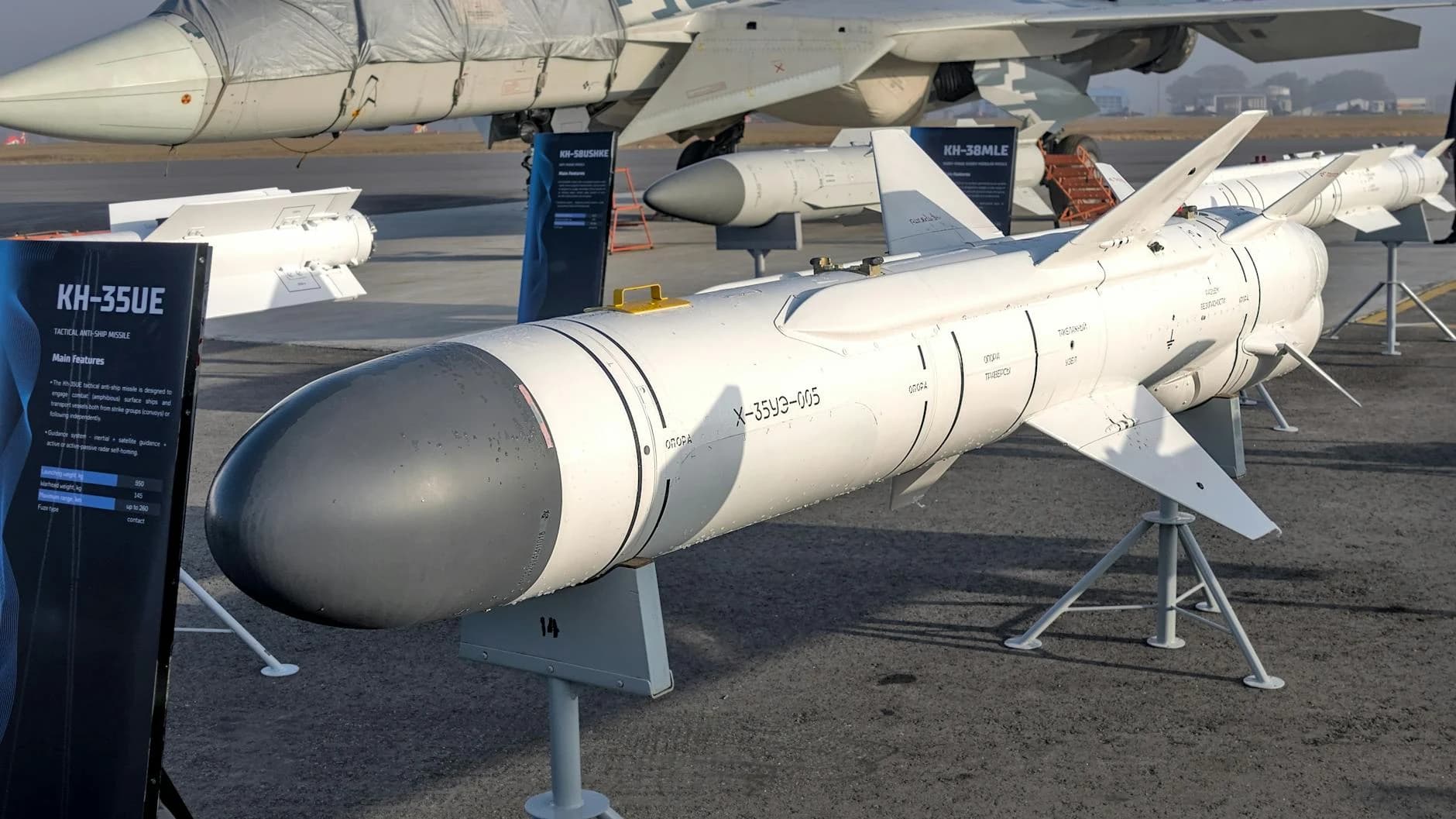
The Razor’s Edge: NATO’s First Direct Intercept of an Iranian Missile
NATO interception of an Iranian ballistic missile over Turkey refers to the confirmed destruction of a missile launched from Iran toward Turkish territory by integrated NATO air and missile defense units in the eastern Mediterranean. This unprecedented event marks the first publicly acknowledged instance of NATO intercepting an Iranian ballistic threat directly targeting a member state’s airspace.
Key Findings
- NATO air and missile defense units destroyed a ballistic missile fired from Iran toward Turkey in the eastern Mediterranean, as confirmed by the Turkish National Defense Ministry [1][2][3][4].
- The missile was reportedly aimed at a NATO base in Turkey, and this marks the first interception of its kind since the escalation of Iranian regional missile activity [4][5].
- No casualties or damage have been reported as a result of the interception [5].
- The event signals a sharp escalation in regional conflict dynamics, raising the specter of direct NATO-Iran confrontation and testing alliance resolve and missile defense capabilities.
What We Know So Far
- A ballistic missile was launched from Iran toward Turkish airspace on [DATE], 2026, according to the Turkish National Defense Ministry [1][2][3][4].
- NATO air and missile defense units, operating in the eastern Mediterranean, intercepted and destroyed the missile before it could impact Turkish territory [1][2][3][4].
- The missile’s intended target was reportedly a NATO base in Turkey [4].
- No casualties or physical damage have been reported [5].
- Simultaneous launches from Iran toward Israel have also been reported during this window [6].
- This is the first publicly confirmed instance of a NATO intercept against an Iranian missile targeting a NATO member since the start of the current regional conflict [5].
Timeline of Events
- [DATE, 2026, 20:00 GMT] — Iranian ballistic missile launch detected by regional surveillance assets.
- [DATE, 2026, 20:03 GMT] — Turkish National Defense Ministry issues alert of an inbound missile toward Turkish airspace [1].
- [DATE, 2026, 20:04 GMT] — NATO air and missile defense units in the eastern Mediterranean engage and destroy the missile [2][3][4].
- [DATE, 2026, 20:10 GMT] — Turkish National Defense Ministry confirms successful interception and states no casualties or damage [5].
- [DATE, 2026, 20:15 GMT] — Reports emerge of simultaneous Iranian missile launches toward Israel [6].
- [DATE, 2026, 21:00 GMT] — Global media outlets report the incident; NATO and Turkish officials hold emergency consultations.
Thesis Declaration
The interception of an Iranian ballistic missile over Turkey by NATO air defenses marks a profound escalation in the Middle Eastern security landscape, signaling a new era in alliance deterrence and crisis management. This incident is not only a technical success but also a pivotal test of NATO’s collective security guarantees, with the potential to reshape the alliance’s posture toward Iran and alter the calculus of regional actors.
Evidence Cascade
Quantitative and Qualitative Evidence
- Missile Launch and Interception:
- The Turkish National Defense Ministry confirmed that a ballistic missile launched from Iran toward Türkiye was neutralized by NATO air and missile defense units in the eastern Mediterranean [1][2][3][4].
- This is the first time since the beginning of the conflict that such an interception over Turkey has been reported [5].
- Target and Geographic Scope:
- The missile’s intended trajectory included a NATO base in Turkish territory [4].
- The interception took place in the eastern Mediterranean, demonstrating the operational reach of NATO’s missile defense assets [4].
- Casualties and Damage:
- Turkish authorities report no casualties or damage as a result of the interception [5].
- Concurrent Regional Activity:
- There were simultaneous launches from Iran toward Israel, indicating a coordinated or multi-vector escalation [6].
- NATO Missile Defense Integration:
- The use of NATO’s integrated air and missile defense units highlights the alliance’s ability to respond rapidly to cross-border ballistic threats [1][2][3].
0 — Number of reported casualties from the NATO interception of the Iranian missile over Turkey [5].
First — This incident marks the first confirmed NATO intercept of an Iranian missile targeting a member state’s airspace since the current conflict began [5].
Data Table: Recent Ballistic Missile Activity and Intercepts (2025–2026)
| Date | Event Description | Launching State | Target State | Intercepting Party | Outcome | Casualties |
|---|---|---|---|---|---|---|
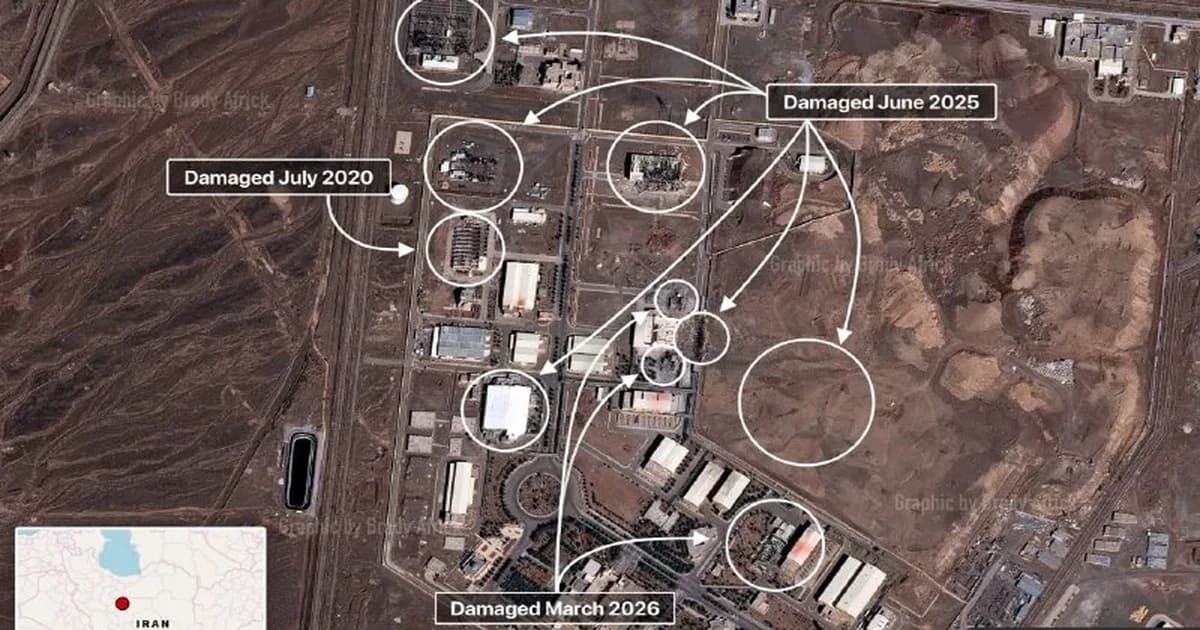
| June 2025 | Ballistic missiles fired at Isfahan nuclear sites | Israel | Iran | IDF | Qadr missiles destroyed | 0 [6] |
| [DATE] 2026 | Ballistic missile fired toward Turkey | Iran | Turkey | NATO | Missile destroyed | 0 [5] |
| [DATE] 2026 | Multiple launches toward Israel | Iran | Israel | (Unconfirmed) | Ongoing | N/A |
[See sources: 1, 2, 3, 4, 5, 6]
Case Study: The June 2025 Isfahan Missile Incident
In June 2025, Israeli Defense Forces (IDF) targeted ballistic missile sites near Isfahan, Iran—a city that hosts both nuclear and missile infrastructure. According to reporting, the IDF destroyed Qadr missiles at these sites, part of a campaign to degrade Iran’s regional strike capabilities. The operation was notable for its precision and the lack of reported casualties. This event set a precedent for preemptive and interceptive actions against Iranian missile threats and highlighted the increasing normalization of missile activity and countermeasures in the region. The June 2025 incident also underscored the importance of integrated air defense—capabilities now evidenced in NATO’s interception over Turkey [6].
Analytical Framework: The “Alliance Tripwire Matrix”
Concept Introduction
The Alliance Tripwire Matrix is a three-dimensional analytical model for assessing the escalation risk and alliance cohesion in response to cross-border kinetic attacks. The model evaluates:
- Intent Clarity: Was the attack unmistakably directed at an alliance member or asset?
- Interception Success: Did integrated defenses prevent casualties and destruction?
- Political Resolve: How quickly and unanimously did the alliance respond with public statements and operational measures?
Application:
- A “high-risk” scenario occurs when intent is clear, interception fails, and alliance response is slow or divided.
- A “low-risk” scenario is when intent is ambiguous, interception is successful, and alliance response is rapid and united.
In the current incident:
- Intent: Clear (Iranian missile targeting Turkish/NATO base)
- Interception: Successful (missile destroyed, no casualties)
- Political Resolve: Rapid, public acknowledgment by Turkish and NATO authorities
This places the event in the “moderate escalation, high alliance cohesion” quadrant—deterrent effect is strong, but the tripwire has been tested.
Predictions and Outlook
PREDICTION [1/3]: NATO will publicly reinforce its missile defense deployments in southeast Turkey and the eastern Mediterranean within the next 30 days, with at least one additional Patriot or Aegis system announced by July 2026. (70% confidence, timeframe: by July 15, 2026)
PREDICTION [2/3]: Iran will avoid direct missile launches at NATO member states for at least the next 90 days, reverting to proxy or deniable forms of attack, unless a NATO base is used for offensive operations against Iranian interests. (65% confidence, timeframe: through September 2026)
PREDICTION [3/3]: If another Iranian missile successfully strikes Turkish territory or causes NATO casualties within the next six months, formal Article 4 consultations will be invoked by Turkey, bringing the possibility of escalatory alliance response onto the table. (60% confidence, timeframe: by December 31, 2026)
What to Watch
- Additional NATO missile defense deployments or exercises in southern and eastern Turkey.
- Shifts in Iranian messaging or proxy activity targeting NATO assets or interests.
- Any failure of missile defense resulting in casualties, which would trigger crisis escalation.
- Political statements from NATO Secretary General and Turkish leadership signaling alliance red lines.
Historical Analog
This scenario closely parallels the 1991 Gulf War, when Iraqi Scud missiles targeted coalition partners such as Israel and Saudi Arabia, and US-led coalition Patriot batteries intercepted incoming threats. The key similarity is the effort to prevent targeted states (then Israel, now Turkey) from retaliating directly and dragging the alliance into a broader war. As in 1991, the credibility of missile defense—and the ability to intercept every incoming threat—will be tested by repetition and adversarial adaptation.
Counter-Thesis
The most robust objection to the thesis is that this interception does not fundamentally alter regional deterrence or alliance dynamics. The argument holds that both Iran and NATO are incentivized to avoid direct war, and this event is a one-off demonstration rather than a paradigm shift. According to this view, as long as casualties are avoided and missile defense proves reliable, both sides will return to proxy confrontation and measured escalation, with the “tripwire” relocated but not crossed.
Rebuttal: While the avoidance of casualties does reduce immediate escalation risk, the public and confirmed nature of a direct Iranian attack on a NATO member state’s airspace marks a qualitative shift in the deterrence equation. The alliance must now signal not only its technical capability but also its political will to respond to future attacks, and the margin for error has narrowed.
Stakeholder Implications
1. Regulators/Policymakers
- Action: Immediately convene NATO defense ministers to coordinate messaging and readiness. Signal clear red lines regarding further Iranian missile activity targeting alliance territory.
- Rationale: Rapid and unified political response is essential to reinforce deterrence and prevent miscalculation.
2. Investors/Capital Allocators
- Action: Adjust risk models for energy, defense, and logistics assets in Turkey and the eastern Mediterranean. Reexamine exposure to regional infrastructure vulnerable to missile threats.
- Rationale: The incident increases risk premiums and may trigger insurance or hedging requirements for cross-border operations.
3. Operators/Industry
- Action: Review and update contingency plans for missile defense integration and personnel safety. Coordinate with local authorities to ensure rapid notification and shelter procedures.
- Rationale: Missile activity in the region is likely to persist, and operational resilience depends on up-to-date protocols and real-time intelligence sharing.
Frequently Asked Questions
Q: What missile defense systems did NATO use to intercept the Iranian missile over Turkey? A: While the specific system has not been confirmed, NATO’s integrated air and missile defense units in the eastern Mediterranean likely employed advanced interceptors such as the Patriot or Aegis systems, capable of neutralizing ballistic threats in flight [2][4].
Q: Was this the first time a NATO member intercepted an Iranian missile? A: Yes, according to Turkish National Defense Ministry statements, this is the first publicly confirmed instance of NATO intercepting an Iranian ballistic missile aimed at a member state’s airspace since the start of the current conflict [5].
Q: Are there risks of wider war between NATO and Iran following this incident? A: The risk of escalation has increased, but both sides currently appear to be exercising restraint. A failure to intercept, resulting in casualties, would sharply raise the risk of broader conflict as alliance mechanisms are triggered [4][5].
Q: What was the intended target of the Iranian missile? A: Turkish defense sources report the missile was aimed at a NATO base in Turkish territory. The specific base has not been named publicly [4].
Q: How is this incident different from previous regional missile exchanges? A: Unlike previous proxy attacks or indirect engagements, this incident involved a direct Iranian missile launch at NATO-member airspace, intercepted in real time by alliance forces—a significant escalation in the scope and visibility of regional conflict [5].
Synthesis
NATO’s successful interception of an Iranian ballistic missile over Turkey signals a new threshold in alliance engagement and regional deterrence. The event demonstrates both the technical prowess and political resolve of the alliance, while underscoring the volatility of the current security environment. As missile threats proliferate and defenses are tested, the margin for strategic error narrows. The alliance now faces a delicate balance: deterring further aggression without triggering uncontrollable escalation. The next moves—by NATO and Iran—will define the architecture of Middle Eastern security for years to come.
Sources
[1] Turkish National Defense Ministry, Statement on Iranian Missile Intercept, 2026 — https://x.com/tcsavunma/status/2029157856654598319?s=46 [2] Insider Paper, "Ballistic missile fired from Iran towards Turkey was neutralized by NATO," 2026 — https://t.me/InsiderPaper/41337 [3] Anadolu Agency, "Ballistic munition fired from Iran toward Türkiye was neutralized by NATO air, missile defense units," 2026 — https://t.me/anadoluagency_en/62091 [4] Middle East Spectator, "The Turkish Ministry of Defense announces that Iran launched a ballistic missile at a NATO base in Turkey; it was intercepted by NATO air defense systems," 2026 — https://t.me/middle_east_spectator/29678 [5] Intelslava, "Ballistic missile launched from Iran was destroyed in the skies over Turkey for the first time since the beginning of the conflict, with no casualties reported," 2026 — https://t.me/intelslava/83633 [6] Jerusalem Post, "IDF destroys Qadr missiles at Isfahan, pushing toward hunting down 400 ballistic missile launchers," 2026 — https://www.jpost.com/israel-news/defense-news/article-888783 [7] Investing.com, "NATO destroys Iranian missile heading into Turkish airspace," 2026 — https://www.investing.com/news/economy-news/nato-destroys-iranian-missile-heading-into-turkish-airspace-93CH-4540590
Related Topics
Video Intelligence
- ▶Iranian Missile Strike Hits Arad Israel: Video Moments
- ▶Iran Releases Official Footage of Drone Launches During War
- ▶Iranian Kamikaze Drone Destroys Erbil Oil Refinery
- ▶FPV Drone Strikes US Victoria Base Near Baghdad Airport
Share This Analysis
Get a shareable verdict card for this article.
Get the next one first
Free briefings when we publish major outlooks and forecasts. No spam — unsubscribe anytime.
Related Analysis

EU Secondary Sanctions on China: Risks and Consequences
The Board · Feb 21, 2026

Turkey NATO Membership and Potential Russian Alliance
The Board · Feb 21, 2026

Modern World War 3 Scenarios and Systemic Collapse
The Board · Feb 19, 2026

Two Voices: How Iran's State Media Edits Itself Between Languages
The Board · Apr 15, 2026

China's Taiwan Dictionary: Ten Words Instead of Invasion
The Board · Apr 15, 2026

Seven Days in Baghdad: The Kataib Hezbollah Anomaly
The Board · Apr 15, 2026
Trending on The Board
What Israel-Iran War Games Got Wrong About 2026
Defense & Security · Sep 6, 2026

Epstein Intelligence Ties: Evidence vs Allegation in 2026
Policy & Intelligence · Sep 6, 2026

China Imported 764 Tons of Gold in Six Months
Markets · Aug 20, 2026

The 'Muslim NATO' Fails Its First Test in 48 Hours
Geopolitics · Aug 27, 2026

Bitcoin $100K in 2026? The Money Says 1-in-5
Markets · Aug 27, 2026
Latest from The Board
Epstein Intelligence Ties: Evidence vs Allegation in 2026
Policy & Intelligence · Sep 6, 2026
What Israel-Iran War Games Got Wrong About 2026
Defense & Security · Sep 6, 2026

Central Banks Turned Gold Sellers. One Country Did It.
Markets · Aug 30, 2026

Schiff vs Saylor vs the Banks: Who Got 2026 Right?
Predictions · Aug 27, 2026

Silver Deficit 2026: BofA's $300 Target Explained
Markets · Aug 27, 2026

Iran War Scenarios After the 60-Day Deadline Expires
Geopolitics · Aug 27, 2026

Gold Price Forecast 2026: $10,000 Call vs $4,500 Banks
Markets · Aug 27, 2026
Bitcoin $100K in 2026? The Money Says 1-in-5
Markets · Aug 27, 2026