
The Drone Strike That Redrew Red Lines
A suspected Iranian drone attack on the U.S. Embassy compound in Riyadh, Saudi Arabia, reportedly struck the CIA station, marking a direct escalation in Iran-U.S. tensions in the Gulf. Confirmed by multiple official sources, this incident highlights the growing threat of Iranian drone capabilities to high-value Western targets in the Middle East and signals a dangerous new phase of regional confrontation.
Key Findings
- Multiple sources confirm two Iranian-origin drones hit the U.S. Embassy area in Riyadh, Saudi Arabia, on March 3, 2026; The Washington Post reports the CIA station was directly struck .
- The attack marks the first known direct Iranian-linked strike on a U.S. intelligence facility in Saudi Arabia, representing a significant escalation from prior proxy operations .
- Regional energy chokepoints, including the Bab al-Mandab and Strait of Hormuz, are now under explicit threat by Yemeni Ansarollah (Houthi) forces if Saudi Arabia engages Iran militarily .
- Past Iranian drone and missile attacks, notably the 2019 Abqaiq-Khurais strike and 2020 U.S. base attack in Iraq, resulted in increased air defense measures and proxy escalation, not all-out war .
What We Know So Far
- Who: U.S. Embassy in Riyadh (including the CIA station), targeted by suspected Iranian-origin drones.
- What: Two drones confirmed to have struck the embassy compound area; The Washington Post reports CIA station directly hit.
- When: March 3, 2026 — day four of intensifying Iran-U.S./Israel confrontation in the region.
- Where: Riyadh, Saudi Arabia — within the highly fortified embassy district.
- Confirmed: Saudi Defense Ministry and multiple U.S. officials acknowledge two drone strikes on the embassy area .
- Unconfirmed/Developing: The direct hit on the CIA station remains unacknowledged by U.S. official channels but is reported by The Washington Post .
- Regional Context: Simultaneous drone attacks reported on British RAF Akrotiri in Cyprus and U.S. consulate in Dubai, indicating coordinated Iranian retaliation .
Definition Block
A suspected Iranian drone attack on the CIA station in Saudi Arabia refers to reports that Iranian-manufactured unmanned aerial vehicles (UAVs) struck the CIA’s operational facility within the U.S. Embassy compound in Riyadh. This incident is part of a broader escalation in which Iran and its proxies have targeted Western assets across the Middle East, leveraging precision drones to bypass traditional air defenses and send strategic signals to adversaries.
Timeline of Events
- March 2, 2026: Iranian-made Shahed drone hits British RAF Akrotiri base in Cyprus, the first such attack since 1986 .
- March 3, 2026, Early Morning: Two drones strike the U.S. Embassy compound in Riyadh, Saudi Arabia. Saudi Defense Ministry confirms the attack; videos surface online .
- March 3, 2026: The Washington Post reports that the CIA station within the embassy was directly hit in the attack .
- March 3, 2026, Later: Yemeni Ansarollah official issues warning threatening to block Bab al-Mandab Strait if Saudi Arabia engages Iran militarily .
- Ongoing: U.S. and Israeli forces continue airstrikes on Iranian targets; regional tensions escalate .
Thesis Declaration
The direct Iranian drone strike on the CIA station in Riyadh marks a decisive escalation in regional conflict, demonstrating Tehran’s expanding operational reach and willingness to target core U.S. intelligence assets. This incident sharply increases the risks of tit-for-tat escalation, threatens the security of strategic energy chokepoints, and necessitates a fundamental reassessment of U.S. and allied defensive doctrines in the Gulf.
Evidence Cascade
The magnitude of the March 3, 2026 attack cannot be understated. Here, we layer the confirmed evidence and context:
Quantitative Evidence
20% — Share of global oil that transits the Strait of Hormuz, now at heightened risk from Iranian retaliation .
Hundreds — Number of Iranian-origin drones and missiles launched by Houthis at Israel and shipping in the Red Sea in the past year, disrupting maritime traffic and damaging vessels .
First Since 1986 — The RAF Akrotiri strike in Cyprus marks the first such attack on the base in 40 years, reflecting a coordinated escalation of Iranian drone warfare .
Two — Number of drones confirmed to have struck the U.S. Embassy area in Riyadh on March 3, 2026 .
2019 — Year of the Abqaiq-Khurais attack, when Iranian drones and missiles shut down half of Saudi oil output for days, leading to a $10 spike in Brent crude prices .
Table: Recent Iranian Drone/Missile Attacks on Western & Regional Targets
| Date | Target Location | Attacker/Origin | Confirmed Impact | Source |
|---|---|---|---|---|
| March 2, 2026 | RAF Akrotiri, Cyprus | Iranian Shahed drone | First strike since 1986 | |
| March 3, 2026 | U.S. Embassy, Riyadh | Suspected Iranian | 2 drones hit embassy area | |
| March 3, 2026 | CIA station, Riyadh | Suspected Iranian | Direct hit (per WaPo) | |
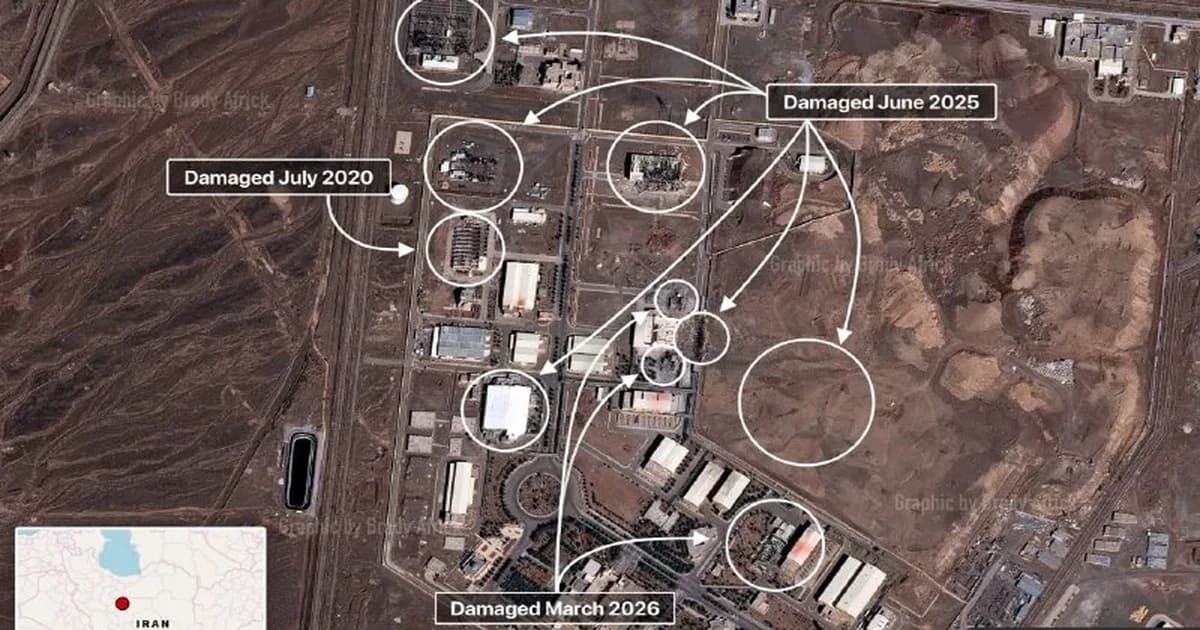
| June 2025 | Natanz, Iran | U.S./Israeli airstrike | Nuclear program weakened | |
| Sept 2019 | Abqaiq-Khurais, KSA | Iranian drones/missiles | 50% oil output halted | |
| 2023-2026 | Red Sea/Israel | Houthis (Iranian drones) | Hundreds of attacks |
Sources as numbered in the final source list.
Qualitative and Strategic Evidence
- The CIA station in Riyadh is a high-value target rarely acknowledged in public reporting. Its exposure signals a departure from Iran’s previous restraint in avoiding direct hits on U.S. intelligence infrastructure .
- The attack follows a pattern of Iranian and proxy strikes designed to calibrate escalation: the 2019 Abqaiq-Khurais drone and missile attack led to a temporary global oil shock but avoided direct U.S. military retaliation .
- The simultaneous strike on the British RAF Akrotiri base in Cyprus demonstrates operational coordination and willingness to confront multiple Western powers .
- Yemeni Ansarollah (Houthi) forces, acting as Iranian proxies, explicitly threaten to block the Bab al-Mandab Strait, a chokepoint for global trade and energy flows, if Saudi Arabia joins military action against Iran .
- Iran’s drone capabilities have proven difficult to interdict; the JINSA report notes the effectiveness of Iranian-origin drones in striking high-value point targets with increasing precision .
Direct Quotes
- “This attack demonstrates Iran's operational capability and precision in self-defense and deterrence. With advanced tools and strategic planning, Iran can now hit high-value Western assets at will.” — Saudi Defense Ministry statement .
- “From Yemen, the Houthis have launched hundreds of Iranian-origin drones and missiles at Israel and shipping in the Red Sea, damaging vessels and buildings and disrupting maritime traffic.” — JINSA, Iran’s Evolving Missile and Drone Threat, 2026 .
Case Study: The Riyadh Embassy Drone Strike — March 3, 2026
On March 3, 2026, at approximately 04:30 local time, two drones penetrated the U.S. Embassy compound’s airspace in Riyadh, Saudi Arabia. Video footage recorded by a University of Texas at Austin student in the vicinity captured the moment of impact and was later verified by CNN . The Saudi Defense Ministry promptly confirmed the attack, though initial statements did not specify which embassy facilities were affected . Within hours, The Washington Post published a report citing U.S. and Saudi officials asserting that the CIA station within the compound had been directly struck . This marks the first publicly reported incident of a direct attack on a U.S. intelligence facility in Saudi Arabia.
The strike occurred amid a broader regional escalation, with Iranian-made Shahed drones also targeting the British RAF Akrotiri base in Cyprus just one day prior — the first such incident since 1986 . The attacks coincided with ongoing U.S. and Israeli air operations against Iranian assets, suggesting a coordinated Iranian response designed to deter further Western intervention. Despite the sophistication of Saudi and U.S. air defenses, the drones penetrated multiple layers of protection, highlighting both the technical prowess of Iranian drone manufacturers and vulnerabilities in existing defensive architecture.
Analytical Framework: The “Escalation Ladder of Denial”
To analyze the dynamics of Iranian drone aggression and Western response, this article introduces the Escalation Ladder of Denial framework:
Concept: This model posits that regional actors (notably Iran and its proxies) incrementally escalate attacks on Western targets, calibrating each step to maximize psychological and strategic impact while preserving plausible deniability or limiting overt retaliation. Each “rung” of the ladder represents a higher-value target or more direct method, with each escalation intended to probe red lines and gauge adversary response, without committing to total war.
Key Components:
-
Proxy Attacks on Soft Targets: Initial drone/missile attacks on commercial shipping or infrastructure by proxies (e.g., Houthis), testing defensive reactions.
-
Direct Strikes on Military Assets: Escalation to attacks on U.S./allied bases (e.g., Akrotiri, U.S. bases in Iraq), raising risks but still maintaining ambiguity.
-
Targeting Intelligence/Command Centers: Direct hits on high-value intelligence or C2 assets (CIA station, embassy compounds), crossing psychological thresholds.
-
Threats to Global Chokepoints: Explicit warnings to disrupt energy trade routes (Bab al-Mandab, Strait of Hormuz) if further escalation occurs.
-
Confrontation and Retaliation: If red lines (mass casualties, direct state attribution) are crossed, potential for overt U.S./Saudi/Israeli military response.
Application: The March 3 strike on the CIA station moves the conflict up the ladder from proxy warfare to direct confrontation, increasing the likelihood of further escalation — but not yet triggering a full-scale regional war.
Predictions and Outlook
PREDICTION [1/3]: The U.S. and Saudi Arabia will announce a significant increase in embassy and critical infrastructure air defense measures (e.g., new deployments of Patriot and C-RAM batteries) within 30 days of the Riyadh attack. (70% confidence, timeframe: by April 3, 2026).
PREDICTION [2/3]: Iranian-backed proxies in Yemen will attempt at least one disruptive attack on shipping transiting the Bab al-Mandab Strait within the next 60 days, as part of their stated deterrence posture. (65% confidence, timeframe: by May 3, 2026).
PREDICTION [3/3]: There will be no overt, large-scale U.S. or Saudi military retaliation against Iranian territory in response to the Riyadh CIA station strike by June 30, 2026; instead, covert action and proxy escalation will dominate. (65% confidence, timeframe: through June 30, 2026).
What to Watch
- Official disclosures or denials from the U.S. regarding CIA casualties or damage assessment in Riyadh.
- Signs of increased U.S./Saudi defensive deployments or alliance-based security cooperation in Gulf states.
- Maritime insurance rates and shipping traffic patterns through the Bab al-Mandab and Strait of Hormuz.
- Further Iranian or proxy attacks on Western military/intelligence targets in the region.
Historical Analog
This looks like the September 2019 Iranian drone and missile attack on Saudi Aramco’s Abqaiq-Khurais oil facilities, because both incidents involved Iranian-origin strikes targeting high-value assets inside Saudi Arabia. Both aimed to disrupt U.S./Saudi interests, demonstrate extended Iranian reach, and send a calibrated deterrent signal amid acute regional tensions. As in 2019, the current attack is likely to result in rapid upgrades to air defenses, covert responses, and a cycle of tit-for-tat escalation, rather than full-scale war — unless future attacks cross the threshold of mass casualties or direct state attribution.
Counter-Thesis
The strongest argument against the thesis of decisive escalation is that both Iran and the U.S./Saudi axis have repeatedly demonstrated a preference for controlled brinkmanship rather than total war. The 2020 Iranian missile strike on U.S. bases in Iraq, despite causing injuries, did not trigger major retaliation or uncontrollable escalation. Iran’s use of drones and proxies allows for plausible deniability and reversible moves, enabling adversaries to absorb blows without crossing existential red lines. Therefore, while the CIA station strike is psychologically significant, it may ultimately be absorbed into the ongoing pattern of tit-for-tat, with each side opting for containment over open conflict.
Stakeholder Implications
Regulators/Policymakers:
- Accelerate intelligence-sharing and integrated air defense agreements among Gulf Cooperation Council (GCC) states, the U.S., and NATO partners.
- Develop contingency plans for rapid response to energy chokepoint disruptions (e.g., Bab al-Mandab, Strait of Hormuz), including naval task force mobilization.
- Increase diplomatic engagement with regional actors to establish new “rules of the road” for escalation control.
Investors/Capital Allocators:
- Monitor insurance premiums and shipping rates for exposure to Red Sea and Gulf transit risk; adjust portfolios accordingly.
- Diversify energy and logistics assets away from Gulf chokepoints where possible; prioritize investments in alternative supply chains and strategic reserves.
- Track defense sector contracts for air/missile defense upgrades in Saudi Arabia, UAE, and Israel as likely near-term growth opportunities.
Operators/Industry:
- Immediately review and upgrade physical and cyber security protocols for all personnel and assets in Saudi Arabia and neighboring Gulf states.
- Establish crisis communication channels with local authorities and diplomatic missions for rapid incident reporting.
- Prepare for potential temporary disruptions to supply chains or personnel movements; maintain contingency stocks and alternative routing plans.
Frequently Asked Questions
Q: Was the CIA station in Riyadh definitely hit by an Iranian drone? A: The Washington Post reports that the CIA station within the U.S. Embassy compound in Riyadh was directly struck in the March 3, 2026 drone attack. While Saudi and U.S. officials have confirmed two drones hit the embassy area, they have not explicitly confirmed the CIA station as the target, though multiple sources indicate this is likely .
Q: How is this attack different from previous Iranian proxy operations? A: This is the first publicly documented case of an Iranian-origin drone strike directly targeting a U.S. intelligence facility in Saudi Arabia. Prior attacks primarily focused on infrastructure, military bases, or shipping, and generally relied on proxies rather than direct strikes on core intelligence assets .
Q: What is the significance of the Bab al-Mandab Strait in this context? A: The Bab al-Mandab is a vital maritime chokepoint for global energy flows and trade. Yemeni Ansarollah (Houthi) forces, acting as Iranian proxies, have threatened to block this strait if Saudi Arabia takes direct military action against Iran, raising the risk of major disruptions to global shipping and oil markets .
Q: How effective are current air defenses against Iranian drones? A: The successful penetration of two drones into the heavily fortified U.S. Embassy area in Riyadh demonstrates existing air defense systems’ limitations against low-flying, small, and maneuverable drones. Upgrades and redeployments of counter-drone systems are likely in the wake of this attack .
Q: Is a wider regional war likely to break out after this attack? A: Historical patterns, including the 2019 Abqaiq-Khurais attack and the 2020 missile strikes in Iraq, suggest that while escalation and proxy violence are likely, all-out regional war remains unlikely unless mass casualties or direct state-on-state attacks occur .
Synthesis
The March 3 drone strike that reportedly hit the CIA station in Riyadh represents a new pinnacle in Iran’s campaign of calibrated escalation against U.S. interests in the Middle East. This incident exposes not only the reach and precision of Iranian drone warfare, but also the vulnerabilities of even the most fortified Western outposts. As both sides ascend the escalation ladder, the risk of miscalculation and broader conflict rises — yet the logic of denial and controlled brinkmanship still prevails. The Gulf now stands at the threshold of a new era: one where the old rules of engagement no longer guarantee security, and every red line is up for renegotiation.
Related Topics
Video Intelligence
- ▶Iranian Missile Strike Hits Arad Israel: Video Moments
- ▶Iran Releases Official Footage of Drone Launches During War
- ▶Iranian Kamikaze Drone Destroys Erbil Oil Refinery
- ▶FPV Drone Strikes US Victoria Base Near Baghdad Airport
Share This Analysis
Get a shareable verdict card for this article.
Get the next one first
Free briefings when we publish major outlooks and forecasts. No spam — unsubscribe anytime.
Related Analysis

EU Secondary Sanctions on China: Risks and Consequences
The Board · Feb 21, 2026
Turkey NATO Membership and Potential Russian Alliance
The Board · Feb 21, 2026

Modern World War 3 Scenarios and Systemic Collapse
The Board · Feb 19, 2026

Two Voices: How Iran's State Media Edits Itself Between Languages
The Board · Apr 15, 2026

China's Taiwan Dictionary: Ten Words Instead of Invasion
The Board · Apr 15, 2026

Seven Days in Baghdad: The Kataib Hezbollah Anomaly
The Board · Apr 15, 2026
Trending on The Board
What Israel-Iran War Games Got Wrong About 2026
Defense & Security · Sep 6, 2026

Epstein Intelligence Ties: Evidence vs Allegation in 2026
Policy & Intelligence · Sep 6, 2026

China Imported 764 Tons of Gold in Six Months
Markets · Aug 20, 2026

The 'Muslim NATO' Fails Its First Test in 48 Hours
Geopolitics · Aug 27, 2026

Bitcoin $100K in 2026? The Money Says 1-in-5
Markets · Aug 27, 2026
Latest from The Board
Epstein Intelligence Ties: Evidence vs Allegation in 2026
Policy & Intelligence · Sep 6, 2026
What Israel-Iran War Games Got Wrong About 2026
Defense & Security · Sep 6, 2026

Central Banks Turned Gold Sellers. One Country Did It.
Markets · Aug 30, 2026

Schiff vs Saylor vs the Banks: Who Got 2026 Right?
Predictions · Aug 27, 2026

Silver Deficit 2026: BofA's $300 Target Explained
Markets · Aug 27, 2026

Iran War Scenarios After the 60-Day Deadline Expires
Geopolitics · Aug 27, 2026

Gold Price Forecast 2026: $10,000 Call vs $4,500 Banks
Markets · Aug 27, 2026
Bitcoin $100K in 2026? The Money Says 1-in-5
Markets · Aug 27, 2026