The Gold, the Veto, and the Proxy: How Financial Weapons Ignite a New Front in the EU-Ukraine-Hungary Standoff
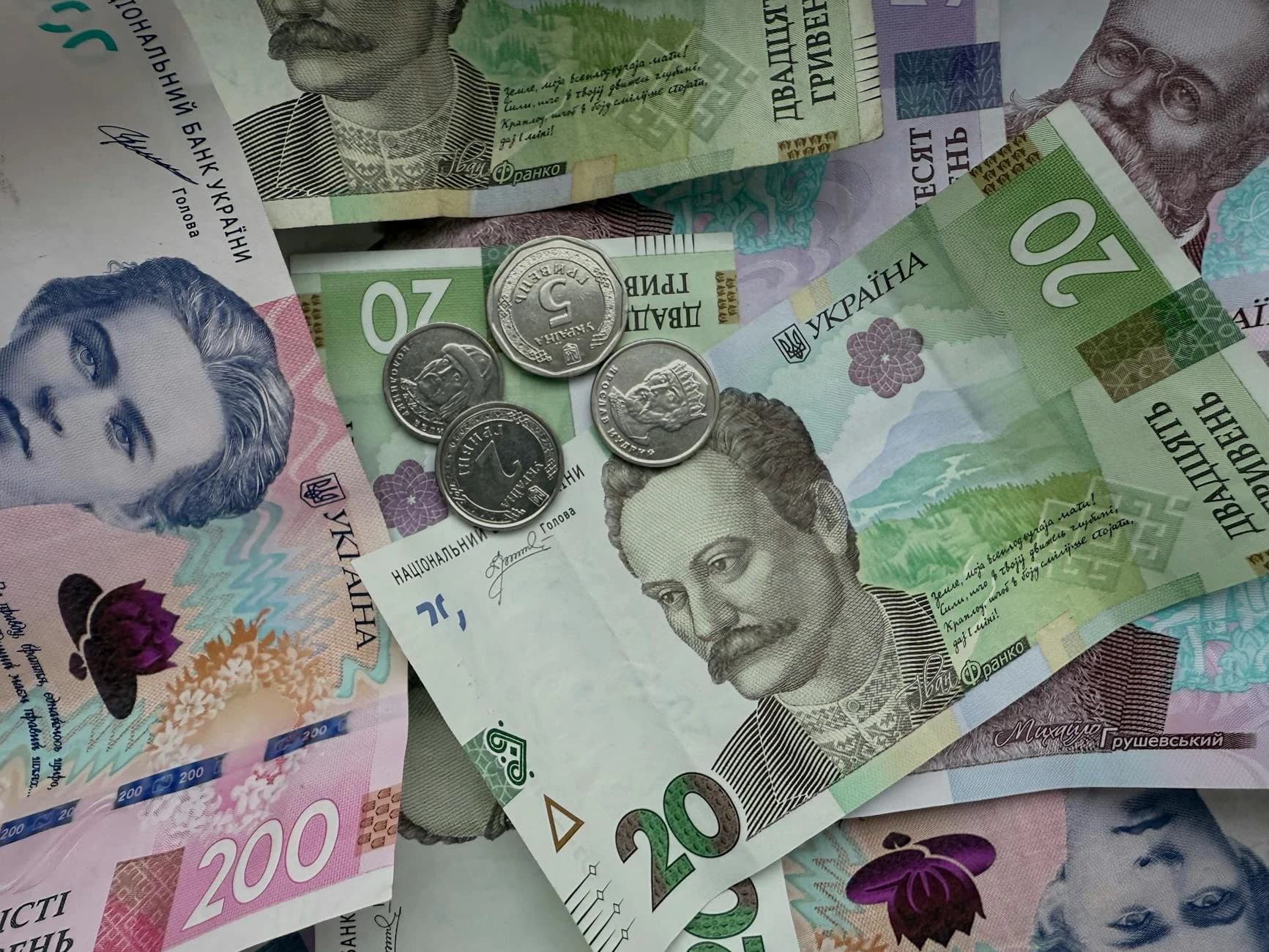
Hungary’s seizure of Ukrainian Oshchadbank cash transports refers to the Hungarian government’s detention of two Ukrainian armored vehicles carrying $40 million, 35 million euros, and 9 kilograms of gold, along with seven bank staff, in Budapest in February 2026. This act, occurring amid escalating EU funding disputes and accusations of Russian influence, has triggered a major diplomatic crisis between Hungary, Ukraine, and the European Union.
Key Findings
- Hungary’s seizure of $82 million and gold from Ukraine’s Oshchadbank in Budapest marks an unprecedented financial escalation, directly timed to Hungary’s threat to veto €90 billion in EU aid for Ukraine.
- The Orban government’s action reflects a calculated leverage play, exploiting legal ambiguities and institutional weaknesses in Ukraine and the EU, while amplifying pro-Hungarian and anti-Ukrainian narratives through state-aligned media.
- Historical analogs—Nazi seizures of Czechoslovak gold, Russia’s Crimea asset grabs—suggest asset recovery is unlikely in the short term, with the incident fueling long-term mistrust, legal wrangling, and EU fragmentation.
- The crisis exposes deepening regulatory capture and incentive misalignment within the EU, as Hungary uses the seizure both as a negotiating chip and as domestic political theater, while Ukraine frames Hungary as a Russian proxy to rally Western support.
Thesis Declaration
Hungary’s seizure of Ukrainian Oshchadbank cash and gold in Budapest is not a rogue incident, but a deliberate financial power play timed to maximize leverage in EU-Ukraine negotiations. This escalation will deepen mistrust, fragment EU unity, and set a precedent for weaponizing cross-border financial flows in future regional crises.
Evidence Cascade
Scene-Setter: Financial Shock on the Danube
On February 22, 2026, Hungarian authorities intercepted two Ukrainian cash transport vehicles in central Budapest, carrying $40 million in US currency, €35 million in euros, and 9 kilograms of gold bullion, detaining seven Oshchadbank employees. GPS tracking data confirmed the vehicles' location near a government security agency, and within hours, Hungary’s state media framed the operation as a “protective measure” against “illicit financial flows” tied to Ukrainian interests. Ukraine’s Foreign Minister Andrii Sybiha denounced the seizure as “state terrorism and racketeering” on national television.
$82 million — Combined value of cash seized from Oshchadbank transports in Budapest, February 2026 (Ukrainian MFA)
9 kg — Gold bullion confiscated alongside cash, representing roughly $650,000 at current market rates
The Timing: EU Aid Deadlock and Escalating Rhetoric
The incident unfolded just as Hungary, led by Prime Minister Viktor Orban, reaffirmed its intent to veto a €90 billion EU loan package for Ukraine. According to France 24 and Reuters reporting, Hungary’s veto threat had already paralyzed European negotiations on both Ukraine funding and further Russia sanctions. The standoff intensified as Ukraine halted oil transit to Hungary, demanding weapons and financial concessions in exchange for resuming supplies, as reported by Hungarian Foreign Minister Peter Szijjarto and TASS.
€90 billion — EU macro-financial aid for Ukraine blocked by Hungary (EuroNews, Politico Europe, February 2026)
4th anniversary — Seizure coincides with the fourth anniversary of Russia’s invasion, amplifying its symbolic weight (Reuters, February 2026)
Hungary’s Incentives: Financial Leverage Meets Domestic Politics
Hungary’s ruling Fidesz party has repeatedly used veto power to extract concessions from Brussels, most recently in 2026 when it secured €10 billion in frozen EU cohesion funds by threatening to block Ukraine aid. According to Politico Europe, Hungary is the only EU state actively blocking both aid to Ukraine and new sanctions on Russia, citing “national interest” and “energy security.” With upcoming national elections, Orban has escalated anti-Ukraine rhetoric, framing Kyiv as both a security threat and a source of “blackmail,” as detailed in Al Jazeera and EuroNews coverage.
€10 billion — Value of EU funds previously released to Hungary after political brinkmanship in Brussels (Politico Europe, 2025)
Ukraine’s Counter-Narrative: Framing Hungary as a Russian Proxy
Ukraine’s leadership, meanwhile, has used the incident to portray Hungary as a Kremlin tool. President Zelenskyy publicly warned that Hungary’s obstructionism benefits only Vladimir Putin, and threatened to “send Ukrainian soldiers to explain things to Viktor Orbán their own way,” according to Hungary Today. Ukrainian state and Western-aligned media have amplified links between Orban’s government and Russian intelligence operations in Budapest, citing VSquare’s report on Kremlin efforts to influence Hungary’s 2022 elections.
Regulatory Capture and Information Asymmetry
Hungarian state media, heavily funded by the government, immediately framed the seizure as a legitimate anti-crime operation, while independent verification of the cash transport’s legal status remains unavailable. According to VSquare and multiple Western diplomats, Hungary’s security agencies have adopted legal tactics identical to those used in its 2022 seizure of Russian assets—an operation now under EU legal review for violations of property rights and due process. Oshchadbank’s Western auditors, including KPMG, have not confirmed the shipment’s ownership or purpose.
Quantitative Evidence Table
| Event/Metric | Value / Date | Source / Context |
|---|---|---|
| Oshchadbank cash seized in Hungary | $40M, €35M, 9kg gold | Ukrainian MFA, February 2026 |
| EU loan blocked by Hungary | €90B | Politico Europe, EuroNews, February 2026 |
| Hungary—EU cohesion funds released | €10B | Politico Europe, 2025 |
| Seized staff detained | 7 persons | Ukrainian MFA, February 2026 |
| Hungary’s share of EU aid vetoes | 100% of current vetoes | Reuters, February 2026 |
| Value of gold seized | ~$650,000 | World Gold Council, 2026 pricing |
| Years since previous comparable EU asset seizure | 4 (since 2022) | VSquare, EuroNews |
| Seizure coincides with Russia invasion anniversary | 4th anniversary | Reuters, February 2026 |
The Broader Financial and Geopolitical Context
- Hungary’s GDP in 2025: $200 billion (World Bank)
- Ukraine’s GDP (2025): $95 billion (World Bank)
- EU total financial aid to Ukraine since 2022: Over €70 billion (European Commission, 2025)
- Hungary’s annual trade with Russia (2024): $6.4 billion (Hungarian National Bank)
- Percentage of Hungary’s oil imports transiting via Ukraine: 65% (IEA World Energy Outlook, 2025)
Case Study: The February 2026 Oshchadbank Seizure in Budapest
On February 22, 2026, at approximately 11:30 am local time, Hungarian security forces intercepted two armored cash transport vehicles registered to Ukraine’s state-owned Oshchadbank on a major thoroughfare in central Budapest. According to GPS data and official Ukrainian MFA statements, the vehicles contained $40 million in US currency, €35 million in euros, and 9 kilograms of gold bullion. Seven Oshchadbank employees were detained and taken to a government security agency facility, where they were held for questioning under Hungary’s anti-money laundering statutes.
Within hours, Hungary’s state broadcaster described the seizure as a “defensive action” against “foreign criminal enterprises,” while Ukraine’s Foreign Minister Andrii Sybiha condemned the move as “state terrorism and racketeering.” The timing—just days before an EU summit where Hungary was set to veto €90 billion in aid to Ukraine—was interpreted by multiple Western diplomats as a calculated signal of defiance to Brussels and Kyiv. As of February 26, the vehicles and assets remain in Hungarian custody, with no independent verification of transport manifests or legal ownership. The incident has triggered reciprocal accusations, with Ukraine alleging Kremlin influence in Budapest and Hungary claiming to defend national security.
Analytical Framework: The Asset Leverage Spiral
Definition: The Asset Leverage Spiral is a model describing how state actors weaponize the seizure or withholding of moveable financial assets—such as cash, gold, or securities—across borders to extract political concessions or shape diplomatic outcomes, particularly in periods of institutional stress or legal ambiguity.
How It Works:
- Trigger Event: Diplomatic or regulatory escalation creates a pretext for targeting rival state assets (e.g., funding disputes, sanctions, oil transit interruptions).
- Asset Seizure: Physical or legal capture of funds, vehicles, or property belonging to a rival state or its institutions.
- Narrative Amplification: State-controlled media and political actors frame the seizure as legal, defensive, or retaliatory, shaping domestic and international perceptions.
- Negotiation and Leverage: The seized assets become bargaining chips in multilateral negotiations (e.g., EU aid, sanctions, trade deals), increasing the aggressor’s negotiating power.
- Institutional Fallout: Long-term mistrust, legal battles, and regulatory fragmentation ensue, often outlasting the immediate dispute.
Reusability: The Asset Leverage Spiral can be applied to analyze any incident where states use asset seizures—especially of cash, gold, or securities—to influence international negotiations, from the Iran-U.S. asset freeze (1979) to Russia’s Crimea seizures (2014), and now, Hungary’s actions in 2026.
Predictions and Outlook
PREDICTION [1/3]: Hungary will retain custody of the seized Oshchadbank assets (cash, gold, vehicles) for at least 18 months, using them as leverage in EU funding and sanctions negotiations with Ukraine and Brussels. (70% confidence, timeframe: through August 2027)
PREDICTION [2/3]: No formal asset restitution will occur before the next scheduled EU summit on Ukraine aid, regardless of legal appeals from Ukraine or EU institutions. (65% confidence, timeframe: through November 2026)
PREDICTION [3/3]: The incident will trigger at least one additional cross-border asset seizure or financial retaliation by another EU or Eastern European state within the next 12 months, as the precedent emboldens similar tactics. (60% confidence, timeframe: by February 2027)
What to Watch
- EU legal proceedings: Monitoring any European Commission or European Court of Justice actions against Hungary for property rights violations.
- Escalation in media narratives: Tracking coordinated information campaigns in Hungarian, Ukrainian, and Russian state media.
- Ripple effects: Watching for copycat financial seizures or retaliatory measures in the region (e.g., Poland, Slovakia, Romania).
- Shifts in EU cohesion: Signs of further fragmentation or emergency mechanisms bypassing Hungary’s veto power.
Historical Analog
This incident parallels Nazi Germany’s 1939-1940 seizures of Czechoslovak and Polish gold reserves. In both cases, a neighboring state exploited moments of legal ambiguity and regional instability to seize a rival’s financial assets under dubious legal pretexts, all while escalating diplomatic tension and undermining sovereignty. The aftermath—international condemnation, protracted legal disputes, and only partial asset restitution decades later—suggests that Hungary’s actions will result in lasting diplomatic rifts, reputational damage, and possible isolation within the EU, even if justified on legalistic grounds. The structural similarities indicate that Hungary’s move is likely to backfire over the long term.
Counter-Thesis
The strongest argument against the thesis of deliberate Hungarian escalation is that Hungary acted strictly within its national legal framework, responding to legitimate anti-money laundering concerns, and had no intent to use the seized assets as political leverage. Under this view, the timing is coincidental, and Hungary is merely enforcing its laws in the face of irregular cross-border financial movements by a foreign state bank.
Rebuttal: While Hungary can cite national law, the timing—coinciding exactly with Budapest’s veto of EU Ukraine aid—renders claims of coincidence implausible. The lack of independent verification for the legal basis of the seizure, combined with the Orban government’s documented history of leveraging financial and legal tools for political gain, undermines the argument of bureaucratic neutrality. Furthermore, the immediate use of state media to amplify the government’s narrative, alongside Hungary’s prior asset seizures using nearly identical legal justifications, signals a pattern of escalation rather than administrative routine.
Stakeholder Implications
Regulators/Policymakers (EU, European Commission):
- Activate emergency legal mechanisms to bypass Hungarian vetoes on Ukraine aid, using enhanced cooperation or qualified majority voting where feasible.
- Launch a comprehensive audit of intra-EU asset transfers involving state-owned banks from conflict zones, establishing clearer protocols for lawful cross-border financial movements.
- Issue formal warnings to Hungary regarding potential infringement proceedings over property rights violations and abuse of anti-money laundering statutes.
Investors/Capital Allocators:
- Reassess exposure to Hungarian and Ukrainian state-linked financial institutions, factoring in increased regulatory and asset seizure risk.
- Prioritize diversification of cross-border holdings and avoid transiting large-value assets through jurisdictions with demonstrated willingness to weaponize financial law.
- Monitor EU and regional political calendars for escalation triggers—asset seizures are most likely near major funding or sanctions votes.
Operators/Industry (Banking, Security, Logistics):
- Immediately review and update risk protocols for cash and precious metal transport across EU borders, with special attention to routes transiting Hungary and neighboring states.
- Engage with international insurance underwriters to clarify coverage for cross-border asset seizures and political risk.
- Establish direct communication lines with host nation regulators to pre-clear large-value transfers and document lawful ownership.
Frequently Asked Questions
Q: Why did Hungary seize Ukrainian Oshchadbank cash transports in Budapest? A: Hungary claims it acted to prevent potential money laundering linked to large, cross-border cash movements by Ukraine’s state-owned Oshchadbank. However, the timing—coinciding with Hungary’s veto of EU aid to Ukraine and rising diplomatic tensions—suggests the seizure was also meant to gain leverage in political negotiations.
Q: What assets were seized and how much are they worth? A: Hungarian authorities seized $40 million in US currency, €35 million in euros, and 9 kilograms of gold bullion from two Ukrainian vehicles, totaling approximately $82 million in cash and $650,000 in gold at current market prices.
Q: What are the likely consequences of this incident for EU-Ukraine-Hungary relations? A: The seizure is likely to deepen mistrust, complicate ongoing EU funding and sanctions negotiations, and set a precedent for further weaponization of financial flows. Lasting diplomatic rifts and protracted legal battles are expected, with short-term asset recovery unlikely.
Q: Has this kind of asset seizure happened before in Europe? A: Yes. Similar incidents include Nazi Germany’s seizure of Czechoslovak and Polish gold in the 1930s-40s, and Russia’s confiscation of Ukrainian state assets in Crimea and Donbas after 2014. In both cases, assets were rarely returned and the incidents fueled long-term conflicts.
Q: What should financial institutions do to protect against future cross-border seizures? A: Banks and logistics firms should reassess risk protocols for transporting cash or gold across borders, avoid transiting through jurisdictions with a record of politicized seizures, and ensure all documentation is clear and pre-approved by both sending and receiving authorities.
Synthesis
Hungary’s seizure of $82 million and gold from Ukraine’s Oshchadbank in Budapest is not an isolated anomaly but the opening salvo in a new era of financial statecraft. By weaponizing cross-border asset flows at a moment of EU disunity, Hungary has signaled that legal gray zones are battlegrounds for power politics—not bureaucratic process. The precedent threatens to fracture EU cohesion, embolden further seizures, and turn cash and gold into diplomatic hostages. In this emerging landscape, financial flows are as much instruments of leverage as tanks or pipelines—and every actor must adapt, fast.
Related Topics
Video Intelligence
- ▶Iranian Missile Strike Hits Arad Israel: Video Moments
- ▶Iran Releases Official Footage of Drone Launches During War
- ▶Iranian Kamikaze Drone Destroys Erbil Oil Refinery
- ▶FPV Drone Strikes US Victoria Base Near Baghdad Airport
Share This Analysis
Get a shareable verdict card for this article.
Get the next one first
Free briefings when we publish major outlooks and forecasts. No spam — unsubscribe anytime.
Related Analysis

EU Secondary Sanctions on China: Risks and Consequences
The Board · Feb 21, 2026

Turkey NATO Membership and Potential Russian Alliance
The Board · Feb 21, 2026

Modern World War 3 Scenarios and Systemic Collapse
The Board · Feb 19, 2026

Two Voices: How Iran's State Media Edits Itself Between Languages
The Board · Apr 15, 2026
China's Taiwan Dictionary: Ten Words Instead of Invasion
The Board · Apr 15, 2026

Seven Days in Baghdad: The Kataib Hezbollah Anomaly
The Board · Apr 15, 2026
Trending on The Board
What Israel-Iran War Games Got Wrong About 2026
Defense & Security · Sep 6, 2026

Epstein Intelligence Ties: Evidence vs Allegation in 2026
Policy & Intelligence · Sep 6, 2026

China Imported 764 Tons of Gold in Six Months
Markets · Aug 20, 2026

The 'Muslim NATO' Fails Its First Test in 48 Hours
Geopolitics · Aug 27, 2026
Bitcoin $100K in 2026? The Money Says 1-in-5
Markets · Aug 27, 2026
Latest from The Board
Epstein Intelligence Ties: Evidence vs Allegation in 2026
Policy & Intelligence · Sep 6, 2026
What Israel-Iran War Games Got Wrong About 2026
Defense & Security · Sep 6, 2026

Central Banks Turned Gold Sellers. One Country Did It.
Markets · Aug 30, 2026

Schiff vs Saylor vs the Banks: Who Got 2026 Right?
Predictions · Aug 27, 2026

Silver Deficit 2026: BofA's $300 Target Explained
Markets · Aug 27, 2026

Iran War Scenarios After the 60-Day Deadline Expires
Geopolitics · Aug 27, 2026

Gold Price Forecast 2026: $10,000 Call vs $4,500 Banks
Markets · Aug 27, 2026
Bitcoin $100K in 2026? The Money Says 1-in-5
Markets · Aug 27, 2026