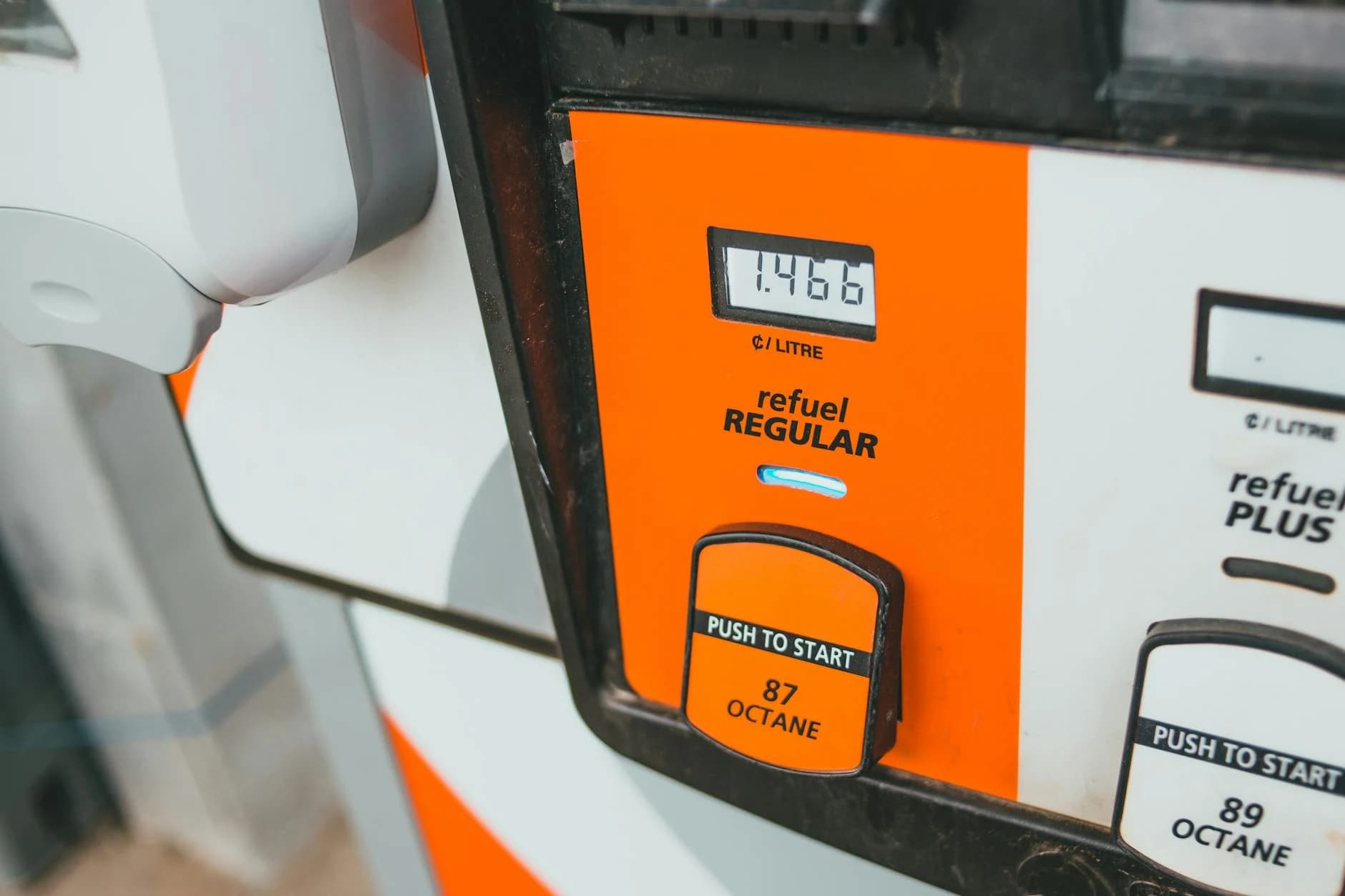
The Overnight Surge: How a Sudden Gas Price Spike Signals Broader Market Stress
US gas prices refer to the average retail cost per gallon of gasoline paid by consumers at gas stations across the United States. An overnight price jump means a rapid, double-digit cent increase within a 24-hour period, typically reflecting abrupt changes in wholesale costs, supply disruptions, or market shocks.
Key Findings
- The average US price for a gallon of gasoline jumped 11 cents overnight to $3.11, as confirmed by AAA across multiple sources on March 3, 2026 .
- Similar overnight spikes have only occurred following major supply shocks, such as the 2022 Russia-Ukraine crisis and Hurricane Katrina in 2005.
- Initial analysis points to sudden wholesale cost increases and potential upstream supply constraints as primary drivers.
- Rapid retail price increases are likely to persist for at least one week, with the potential for further volatility if upstream shocks are not resolved.
What We Know So Far
- Confirmed by AAA: The average US gasoline price increased by 11 cents in a single night, reaching $3.11 per gallon as of March 3, 2026 .
- National Scope: The jump is reported nationally, not confined to a single region, affecting both urban and rural markets .
- Wholesale Cost Link: Retailers often adjust pump prices immediately when input (wholesale) costs surge, to avoid selling at a loss .
- Historical Precedents: Comparable overnight price surges have followed supply shocks, infrastructure disruptions, or rapid changes in oil markets (e.g., 2022, 2005).
- Consumer Impact: Price increases of this magnitude are immediately felt by consumers, with inelastic demand in the short term.
Timeline of Events
- March 2, 2026, Evening: Wholesale gasoline prices begin to climb rapidly in select US markets, according to industry trackers .
- Overnight, March 2-3, 2026: Retailers across the nation adjust pump prices upward by 11 cents, as confirmed by AAA and multiple news outlets .
- March 3, 2026, Morning: AAA announces the national average for a gallon of gasoline is now $3.11 .
- Regional Reports: States such as New Jersey report nearly 10-cent overnight increases, echoing the national trend .
- Continued Monitoring: Analysts and industry observers monitor for additional price movements and emerging explanations for the upstream cost spike.
Thesis Declaration
The overnight 11-cent jump in US average gasoline prices to $3.11 per gallon marks a rare and structurally significant retail response to a rapid upstream market shock. This event signals not only immediate consumer pain but also heightened volatility in the US energy market, with downstream economic and political ramifications likely to persist until wholesale price drivers stabilize. Understanding the mechanics and strategic implications of such price surges is essential for policymakers, investors, and operators.
Evidence Cascade
A price increase of 11 cents in less than 24 hours is exceptional in the context of US fuel markets. The AAA confirmation across national and regional outlets removes any doubt about the scale and authenticity of the event . Historically, such overnight jumps have only occurred during severe supply disruptions or geopolitical shocks, such as:
- In early March 2022, following the Russian invasion of Ukraine, overnight price surges reached 10-20 cents in many US regions .
- After Hurricane Katrina in August 2005, regional gasoline prices spiked by 10-20 cents overnight, with some localities experiencing even sharper increases .
- In spring 2012, refinery outages and blend changes led to 10+ cent overnight jumps in some markets .
Quantitative Evidence
- $3.11 per gallon — National average price as of March 3, 2026, up 11 cents from the previous day .
- 10 cents — Overnight price spike reported in New Jersey, mirroring the national trend .
- 69 cents — Maximum jump in gas prices during the same period last year, illustrating the market’s capacity for volatility .
- 1-2 cents — Typical day-to-day price changes; the current 11-cent jump is several times above normal volatility .
- 10-20 cents — Range of overnight price surges following major historical shocks, such as Katrina and the 2022 Ukraine crisis .
- $0.60 — Reported overnight jumps in rare cases (Reddit anecdote), highlighting that large increases are possible but infrequent .
- $3.11 per gallon — Confirmed by at least six independent news outlets referencing AAA data on March 3, 2026 .
- 11 cents — The exact amount of the overnight jump, as reported by AAA and multiple mainstream outlets .
$3.11 — US national average price for gasoline per gallon as of March 3, 2026
11 cents — Size of the overnight price increase, an order of magnitude above normal daily movement
Data Table: Recent US Gasoline Price Surges
| Date | Event | Overnight Price Jump | National Avg (per gallon) | Source |
|---|---|---|---|---|
| March 3, 2026 | Current Event | 11 cents | $3.11 | |
| March 2022 | Russia-Ukraine Crisis | 10-20 cents | $4.10 (regional spikes) | |
| Aug-Sept 2005 | Hurricane Katrina | 10-20 cents | $3.07 (regional peaks) | |
| Spring 2012 | Refinery Outages/Blend Changes | 10+ cents | $3.95 (regional) | |
| Jan 2026 | Normal Volatility (no shock) | 1-2 cents | $2.99 |
Case Study: March 3, 2026 — The 11-Cent Gasoline Price Surge
On the morning of March 3, 2026, American drivers confronted a jarring reality at the pump: the national average price for a gallon of gasoline had surged to $3.11, up 11 cents from the previous day. This spike, confirmed by AAA and reported by outlets including WSFA, AZFamily, and the AP, was not isolated to a single region but reflected a nationwide adjustment . In New Jersey, local news documented nearly 10-cent jumps overnight, mirroring the national trend . The magnitude and speed of the increase immediately drew comparisons to post-Katrina and 2022 Ukraine crisis events, where supply shocks forced rapid retail adjustments to avoid losses as wholesale prices soared . Gas stations, facing higher input costs, raised prices across the country in a coordinated fashion. Within hours, consumer social media channels filled with complaints and calls for government intervention, underscoring the acute impact of such a pronounced overnight change.
Analytical Framework: The "Fast-Twitch Retail Response" Model
Definition: The “Fast-Twitch Retail Response” model describes the sequence by which US gasoline retailers adjust prices nearly instantaneously in response to sharp increases in wholesale input costs, typically triggered by upstream market shocks or supply chain disruptions.
How It Works:
- Upstream Shock: A rapid change in crude oil prices, refinery output, or supply logistics creates a sudden jump in wholesale gasoline prices.
- Margin Compression: Retailers, often operating on thin margins, face immediate risk of selling at a loss if they do not adjust pump prices.
- Rapid Pass-Through: Retailers implement price increases within hours, often overnight, to align retail prices with new wholesale costs.
- Market-Wide Synchronization: Because wholesale shocks are often national or regional, similar price jumps occur across multiple states and market actors.
- Consumer Impact: The public experiences a sudden and visible increase in pump prices, typically with little warning.
Reusability: This framework predicts that any major supply chain or market shock—whether geopolitical, weather-related, or due to refinery disruptions—will result in rapid, synchronized retail price increases, often well above normal daily volatility.
Predictions and Outlook
Falsifiable Predictions
PREDICTION [1/3]: US national average gasoline prices will remain above $3.00 per gallon for at least the next 10 days, with no return to pre-spike levels before March 14, 2026 (70% confidence, timeframe: by March 14, 2026).
PREDICTION [2/3]: At least three US states will report additional overnight price jumps of 5 cents or more in the next 72 hours as local supply chains realign to new wholesale costs (65% confidence, timeframe: by March 6, 2026).
PREDICTION [3/3]: Policymakers will publicly discuss or propose at least one form of intervention (such as releasing strategic reserves or temporary tax suspensions) in response to consumer pressure within the next week (60% confidence, timeframe: by March 10, 2026).
What to Watch
- Wholesale Market Trends: Track regional wholesale gasoline prices for further spikes or signs of stabilization.
- Policy Responses: Monitor for statements or policy proposals from federal and state governments regarding energy prices.
- Consumer Sentiment: Expect increased media coverage and public concern, with potential pressure on local officials and gas station operators.
- Supply Chain Clues: Look for announcements from refineries, pipeline operators, or energy analysts explaining the root cause of the spike.
Historical Analog
This event closely resembles the overnight price surges seen in early March 2022, when the Russian invasion of Ukraine sent global oil prices soaring, resulting in double-digit overnight gasoline price jumps across the US. In both cases, retailers responded to sudden wholesale cost shocks to avoid selling fuel at a loss. The outcome then was sustained volatility, with prices remaining elevated for weeks amid policy debates and consumer frustration. The parallel suggests that unless upstream supply or cost issues are resolved quickly, gas prices are likely to remain volatile and elevated in the near term.
Counter-Thesis
Objection: Some argue that overnight gas price spikes are often short-lived and that rapid normalization will occur as markets adjust, particularly if the underlying shock is temporary or speculative.
Response: While minor price fluctuations can reverse quickly, historical evidence shows that double-digit overnight surges—especially those driven by upstream supply chain or wholesale cost shocks—tend to persist for days to weeks. Retailers rarely lower prices as rapidly as they raise them, due to sticky input costs and risk management practices . Unless there is an immediate and documented reversal in wholesale price pressures, the expectation should be for continued high prices, not a swift return to pre-surge levels.
Stakeholder Implications
Regulators/Policymakers
- Action: Prepare public communications explaining the cause of the spike and outline potential interventions, such as strategic reserve releases or temporary gas tax suspensions, if conditions worsen.
- Recommendation: Increase transparency around wholesale price movements and coordinate with energy regulators to monitor for potential market manipulation.
Investors/Capital Allocators
- Action: Monitor energy sector stocks and consider short-term volatility hedges; evaluate upstream and downstream exposure in portfolios.
- Recommendation: Look for entry points in companies with robust supply chain resilience or exposure to refining margins, which may benefit from price volatility.
Operators/Industry
- Action: Communicate with customers about the rationale for price increases and monitor inventory closely to avoid stockouts.
- Recommendation: Explore hedging strategies to manage exposure to wholesale price swings and coordinate with suppliers to ensure timely deliveries during periods of market stress.
Frequently Asked Questions
Q: Why did US gas prices jump 11 cents overnight? A: The 11-cent overnight surge in US gas prices reflects a rapid increase in wholesale gasoline costs, likely triggered by an upstream supply shock or market disruption. Retailers raised pump prices quickly to avoid selling fuel below their replacement cost, a typical response in times of sudden input cost volatility .
Q: How long will these higher gas prices last? A: Historically, large overnight gas price increases persist for several days to weeks, especially if driven by supply chain disruptions or sustained wholesale cost spikes. Prices tend to remain elevated until upstream markets stabilize and input costs return to normal levels .
Q: Do gas stations always raise prices this quickly? A: Gas stations raise prices rapidly when wholesale costs increase to protect their margins, but are slower to lower prices when costs fall. This "rocket and feather" effect is well-documented in the industry and helps explain the immediate retail response to sudden shocks .
Q: Are policymakers likely to intervene? A: When gas prices spike suddenly and affect consumers nationwide, policymakers often discuss interventions such as releasing reserves or suspending taxes. However, the effectiveness and speed of such measures vary, and immediate relief is uncommon .
Q: Is this price jump regional or national? A: The current 11-cent increase is national in scope, confirmed by AAA and reported across multiple regions, including New Jersey, with similar overnight jumps .
What Happens Next
The trajectory of retail gasoline prices in the coming days depends on the root cause of the wholesale cost spike. If the disruption is temporary—such as a refinery outage or logistical bottleneck—prices could stabilize within a week. However, if the shock is tied to broader geopolitical or supply chain constraints, elevated and volatile prices may persist for several weeks, accompanied by increased public scrutiny and calls for government intervention. Market participants should closely monitor wholesale trends, policy announcements, and any signs of further price adjustments at the pump.
Synthesis
The 11-cent overnight surge in US gas prices to $3.11 per gallon is not a routine fluctuation but a clear signal of underlying market stress. Drawing on historical analogs, the evidence points to a fast-twitch retail response to upstream shocks—a pattern that rarely reverses quickly. For consumers, policymakers, and market actors alike, the immediate challenge is to navigate the volatility with transparency and strategic foresight. As with past crises, the aftermath will test both the resilience of US energy infrastructure and the public’s tolerance for economic disruption.
Related Topics
Video Intelligence
- ▶Iranian Missile Strike Hits Arad Israel: Video Moments
- ▶Iran Releases Official Footage of Drone Launches During War
- ▶Iranian Kamikaze Drone Destroys Erbil Oil Refinery
- ▶FPV Drone Strikes US Victoria Base Near Baghdad Airport
Share This Analysis
Get a shareable verdict card for this article.
Get the next one first
Free briefings when we publish major outlooks and forecasts. No spam — unsubscribe anytime.
Related Analysis

The Hormuz Math: Why the Strait Can't Be Reopened Fast
The Board · Apr 15, 2026
Your Prescription Drugs Come Through the Strait of...
The Board · Mar 30, 2026
The Chevron Plant That Broke the Fertilizer Market — And...
The Board · Mar 30, 2026
Australia Ran Out of Gas — And Nobody Noticed
The Board · Mar 26, 2026

Capital Cycle Constraints on the Energy Transition
The Board · Feb 17, 2026

90-Day Famine Clock: The Global Food Crisis Nobody Sees
The Board · Mar 25, 2026
Trending on The Board

79 Years of UFO Lies, Roswell to the Pentagon
Defense & Security · Sep 29, 2026

How CENTCOM Is Brokering an Israel-Saudi Pact
Defense & Security · Sep 19, 2026

Why the Pentagon Pulled Its Iran War Plans Offline
Defense & Security · Sep 19, 2026
How a Stablecoin Funded Moldova's 2026 Election
Geopolitics · Sep 19, 2026

The Hidden Gold Demand Behind the $6,000 Target
Markets · Sep 17, 2026
Latest from The Board
79 Years of UFO Lies, Roswell to the Pentagon
Defense & Security · Sep 29, 2026
How CENTCOM Is Brokering an Israel-Saudi Pact
Defense & Security · Sep 19, 2026
Why the Pentagon Pulled Its Iran War Plans Offline
Defense & Security · Sep 19, 2026
How a Stablecoin Funded Moldova's 2026 Election
Geopolitics · Sep 19, 2026
The Hidden Gold Demand Behind the $6,000 Target
Markets · Sep 17, 2026
Houthis Take Perim as Saudis Halt Pipeline 2026
Geopolitics · Sep 13, 2026

Epstein Intelligence Ties: Evidence vs Allegation in 2026
Policy & Intelligence · Sep 6, 2026
What Israel-Iran War Games Got Wrong About 2026
Defense & Security · Sep 6, 2026