Gulf Criticality: How Drones, Disinformation, and Defense Are Colliding in the Energy Heartland
A fire erupted at a UAE oil facility in Fujairah on March 3, 2026, after air defense systems intercepted an incoming drone, causing debris to ignite the site. This incident, set against a surge of regional drone and missile attacks, highlights new vulnerabilities in Gulf energy infrastructure and intensifies information warfare, as governments respond with crackdowns on AI-generated disinformation.
Key Findings
- Falling drone debris triggered a fire at the Fujairah Oil Terminal in the UAE on March 3, 2026, after air defenses intercepted an attack.
- Bahrain’s Ministry of Interior has arrested seven individuals for allegedly spreading AI-generated images of attacks, signaling an aggressive stance on information control.
- The cycle of drone attacks, air defense interceptions, and information warfare mirrors the 2019 Abqaiq attacks in Saudi Arabia, but escalates the role of digital disinformation.
- Short-term oil market volatility is likely, but large-scale supply disruption or regional war remains improbable unless escalation dramatically increases.
Definition Block
A fire at the UAE Fujairah Oil Terminal occurred on March 3, 2026, caused by debris from an intercepted drone attack. The event exemplifies the new threats facing Gulf energy infrastructure, where advanced air defenses prevent direct hits but falling debris still poses serious risks. It also highlights the rise of information warfare, with states like Bahrain arresting individuals accused of spreading AI-generated disinformation about such incidents.
What We Know So Far
- On March 3, 2026, a fire broke out at the Fujairah Oil Terminal in the UAE after air defense systems intercepted an incoming drone, with debris landing and igniting the facility.
- There are no reported fatalities or serious injuries from the Fujairah incident.
- Bahrain’s Ministry of Interior arrested seven individuals for treason, alleging they spread AI-generated fake images and videos of Iranian drone and missile impacts to create unrest.
- Iranian state media denies any involvement in attacks on Oman or the UAE.
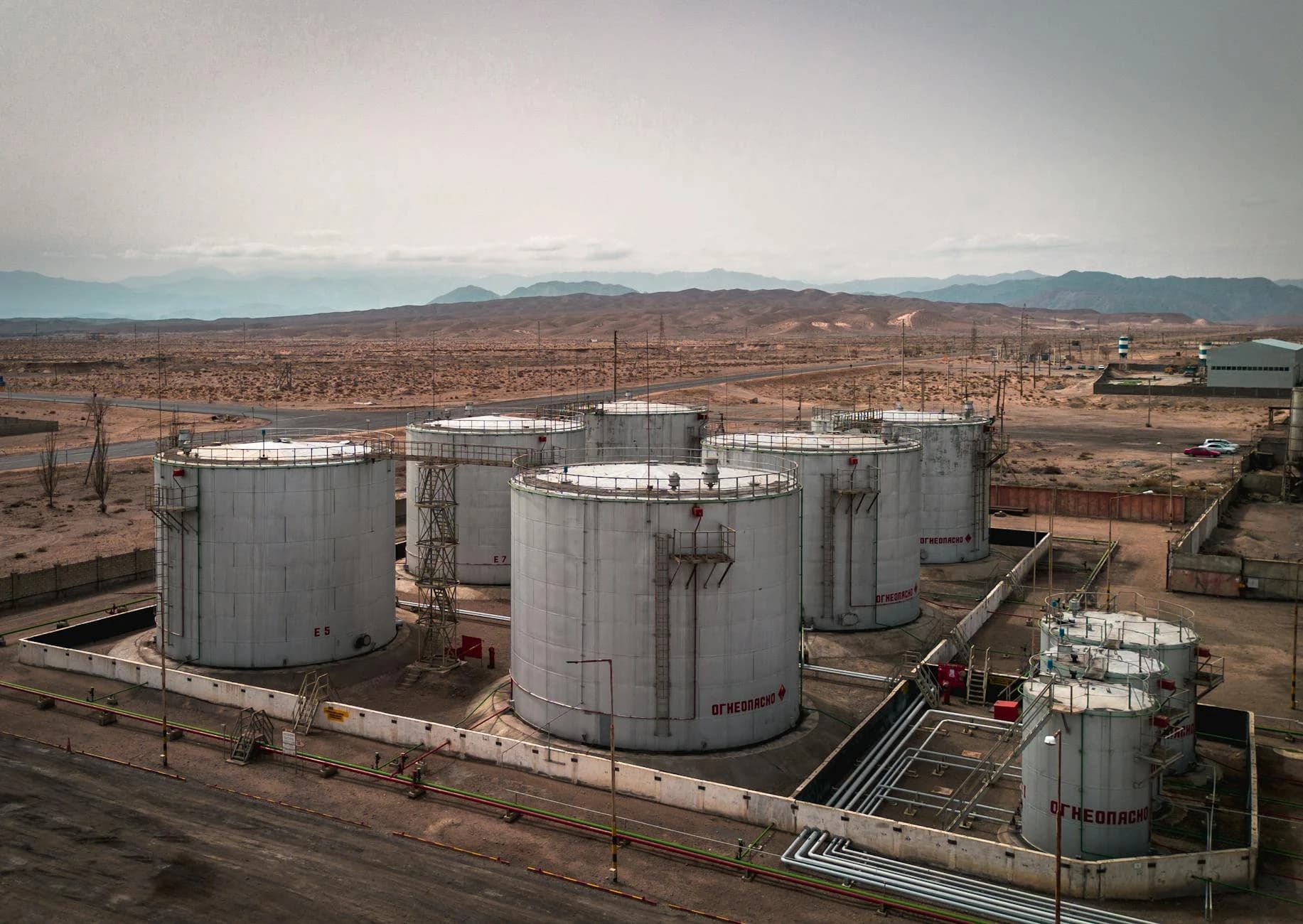
- Fujairah is the third largest oil and products storage center in the world and a critical node for global energy flows.
- In related attacks, two drones struck the US Embassy in Riyadh the same day, causing a minor fire and limited damage.
- The UAE Armed Forces confirm multiple drone and missile attacks, with three deaths and dozens wounded in separate incidents.
Timeline of Events
- 03:00 AM, March 3, 2026: Air defense systems in the UAE detect and intercept an incoming drone targeting the Fujairah Oil Terminal.
- Shortly after interception: Falling drone debris lands at the facility, igniting a fire in the oil storage and trading zone at Fujairah.
- Morning, March 3, 2026: Fujairah Government Media Office confirms the fire, reports no casualties, and announces that firefighting teams are on site.
- Throughout the day: Social media circulates images and videos—some confirmed, some alleged to be AI-generated—purporting to show the aftermath of drone and missile attacks across the Gulf.
- Later, March 3, 2026: Bahrain’s Ministry of Interior announces the arrest of seven individuals accused of spreading AI-generated fake images and videos, charging them with treason and destabilizing public order.
- Same day: Two drones strike the US Embassy in Riyadh, causing minor fire damage but no injuries.
- Iranian state media issues a denial of involvement in attacks on the UAE and Oman.
- By evening: The Fujairah Oil Terminal fire is contained; the facility resumes partial operations.
- Regional oil markets react with short-term price volatility as traders assess the attack’s implications.
Thesis Declaration
The March 3, 2026, fire at the Fujairah Oil Terminal, resulting from intercepted drone debris, marks a critical inflection point in Gulf security: air defense success now brings its own risks, while the fusion of kinetic attacks and AI-driven disinformation is forcing states to escalate both physical and digital crackdowns. This convergence is reshaping the calculus for energy infrastructure resilience, information control, and regional stability.
Evidence Cascade
1. Attack Dynamics and Physical Impact
- The Fujairah Oil Terminal is one of the world’s largest oil and product storage centers, crucial for shipping through the Strait of Hormuz.
- On March 3, debris from an intercepted drone ignited a fire at the facility; authorities confirmed air defenses had successfully prevented a direct hit, but could not prevent damage from falling shrapnel.
- There were no reported fatalities or serious injuries in the Fujairah incident, though three deaths and dozens of injuries were reported in other UAE attacks the same day.
- The fire was contained within hours, and the facility resumed partial operations the same day.
- Fujairah handles millions of barrels of oil daily; a major fire could disrupt global shipping lanes and fuel prices.
Fujairah is the third-largest oil and products storage center in the world — a critical node for global trade.
2. Regional Attack Patterns
- The March 3 incident follows a pattern: in 2019, drone attacks by Iran-aligned Houthi groups set alight two major Saudi Aramco facilities. In those attacks, 10 drones were used, causing significant fires and a temporary loss of 5.7 million barrels per day in oil output.
- In the current wave, multiple Gulf sites have been targeted; air defense systems intercepted most drones and missiles, but debris and partial strikes still caused fires and casualties.
- Two drones struck the US Embassy in Riyadh on the same day, causing a minor fire and limited damage.
- The UAE Armed Forces report three deaths and dozens wounded across several attacks that day.
| Incident Location | Date | Attack Vector | Outcome | Source |
|---|---|---|---|---|
| Fujairah, UAE | March 3, 2026 | Drone (intercepted) | Fire, no casualties | |
| Jeddah, Saudi Arabia | March 25, 2022 | Houthi drone strike | Major fire, F1 disrupted | |
| Abqaiq, Saudi Arabia | September 14, 2019 | 10 drones (Houthi) | Major fires, output loss | |
| Riyadh, Saudi Arabia | March 3, 2026 | 2 drones | Minor fire, no injuries |
3. Information Warfare and Digital Crackdown
- Bahrain’s Ministry of Interior arrested seven people for treason, alleging the use of AI-generated images and videos to falsely depict Iranian drone and missile impacts, aiming to destabilize public order.
- Gulf states are increasingly criminalizing the spread of unverified or AI-altered content pertaining to security incidents, citing threats to stability.
- During the recent attacks, viral social media posts—some authentic, some manipulated—spread rapidly, fueling confusion and public anxiety.
- Iran’s state media issued categorical denials of involvement in the attacks, contributing to the fog of war and contested attribution.
7 — Number of individuals arrested in Bahrain for spreading AI-generated false attack imagery
4. Economic and Strategic Implications
- The UAE’s Fujairah facility is a key supplier of bunker fuels for ships traversing the Strait of Hormuz, making it vital for global energy logistics.
- Following similar attacks in 2019, global oil prices spiked by nearly 20% in a single day (historical context), though the current incident’s immediate impact is less severe due to rapid containment and resilience measures.
- No indication yet of large-scale supply disruption, but the attack has increased market volatility, with traders bracing for further incidents.
- Regional energy infrastructure is increasingly hardened, but remains vulnerable to both direct hits and collateral damage from debris—even when air defenses succeed.
Data Table: Gulf Drone Attacks and Facility Impact, 2019–2026
| Year | Location | Attack Type | Interception? | Fire/Outcome | Reported Casualties | Source |
|---|---|---|---|---|---|---|
| 2019 | Abqaiq, KSA | 10 drones | Partial | Major fire, output loss | None | |
| 2022 | Jeddah, KSA | Missiles/drones | No | Major fire, F1 disrupted | None | |
| 2026 | Fujairah, UAE | Drone | Yes | Fire, facility reopened | None | |
| 2026 | Riyadh, KSA | 2 drones | Unknown | Minor fire, limited damage | None |
Case Study: The March 3, 2026 Fujairah Incident
At approximately 03:00 AM on March 3, 2026, air defense systems in the United Arab Emirates detected and intercepted an incoming drone targeting the Fujairah Oil Terminal, a facility known as the world’s third-largest oil and products storage center. Following the interception, debris from the destroyed drone fell onto the facility, igniting a fire in the oil storage and trading zone. The Fujairah Government Media Office quickly confirmed the incident, reporting that firefighting units responded immediately and the fire was contained within hours. No casualties were reported. By evening, the facility had resumed partial operations. This incident unfolded amid a wave of regional drone and missile attacks, including two drones striking the US Embassy in Riyadh the same day, causing a minor fire but no injuries. Bahrain’s Ministry of Interior responded to the digital aftermath by arresting seven individuals accused of using AI-generated images to sow unrest. Iranian state media denied any involvement in the attacks on the UAE or Oman. The Fujairah incident exemplifies the new era of hybrid threats facing Gulf energy infrastructure: physical attacks are now intertwined with digital disinformation, and even successful air defense can leave critical sites exposed to collateral damage.
Analytical Framework: The "Interception Cascade Model"
What It Is
The Interception Cascade Model describes the escalating cycle created when advanced air defenses intercept airborne threats to critical infrastructure but, in doing so, generate new risks—including physical debris damage and a parallel surge in digital disinformation. The framework posits three linked stages:
- Kinetic Interception: Air defense systems detect and destroy incoming drones or missiles before they reach their intended target.
- Collateral Consequence: Debris from intercepted threats falls unpredictably, potentially causing fires, secondary explosions, or other unintended damage even when the primary attack is thwarted.
- Information Cascade: Real and manipulated images/videos of the incident circulate rapidly, often amplified by AI-generation and social media, creating confusion, panic, and opportunities for adversarial information operations.
How to Use It
- Operators can map out not just direct attack vectors but also collateral hazard zones and crisis communication scenarios.
- Policymakers can anticipate the combined need for physical resilience and information control strategies.
- Investors can assess risk exposure not just from direct hits but from the unpredictable fallout—both literal and reputational—of successful air defense events.
Predictions and Outlook
PREDICTION [1/3]: At least one additional Gulf energy facility will suffer a fire or operational disruption from intercepted drone debris by June 2027. (65% confidence, timeframe: by June 2027)
PREDICTION [2/3]: At least two Gulf states will introduce or expand legislation criminalizing the creation or dissemination of AI-generated disinformation about security incidents within the next 18 months. (70% confidence, timeframe: by September 2027)
PREDICTION [3/3]: Despite repeated attacks, no major Gulf oil terminal will be offline for more than 48 hours due to kinetic or debris-induced incidents between now and the end of 2027. (60% confidence, timeframe: through December 2027)
What to Watch
- Frequency and scale of drone and missile attacks on Gulf energy infrastructure—are they increasing or shifting tactics?
- Speed and scope of digital disinformation crackdowns, especially related to AI-generated content.
- Resilience upgrades at major oil and shipping terminals—physical hardening, debris shields, crisis response.
- Market reaction: Watch for short, sharp oil price spikes tied to new incidents, but not sustained supply shocks barring escalation.
Historical Analog
This scenario closely parallels the 2019 drone attacks on Saudi Aramco’s Abqaiq and Khurais facilities, where state or state-aligned actors used drones to target critical Gulf energy infrastructure. In both cases, air defenses intercepted some drones, but debris or successful strikes caused fires and disruption, while information warfare (competing claims, denials, disinformation) shaped public perception and regional diplomacy. The 2019 attacks led to temporary oil price spikes, increased militarization, and tighter information controls, but not to full-scale regional war. Today’s attacks, combined with the new threat of AI-driven digital manipulation, are intensifying these trends without fundamentally altering the strategic calculus.
Counter-Thesis
Counter-Argument: The convergence of kinetic drone attacks and AI-powered disinformation does not represent a fundamentally new threat to Gulf energy infrastructure. Instead, these are evolutionary, not revolutionary, challenges: air defense upgrades and information controls have already proven effective, and the underlying resilience of Gulf states means that neither debris-induced fires nor viral disinformation will cause lasting instability or major market disruption.
Rebuttal: While Gulf infrastructure has demonstrated resilience, the compounding effect of debris hazards and real-time viral disinformation introduces unpredictable crisis dynamics. The arrest of seven individuals in Bahrain for AI-generated content underscores the new scale of digital risk. Moreover, the unpredictability of collateral damage—even after successful interceptions—expands the threat surface. Over time, the hybridization of physical and digital attacks will force costly adaptations and could stress both public trust and crisis response systems beyond what incremental improvements can address.
Stakeholder Implications
Regulators/Policymakers
- Enact clear, narrowly tailored laws against malicious AI-generated content, while protecting legitimate journalism and public awareness.
- Mandate robust crisis communication protocols for energy operators to counter disinformation rapidly and transparently.
- Invest in civil defense training for communities near critical infrastructure, focusing on both physical and information security.
Investors/Capital Allocators
- Review risk models to explicitly account for debris-induced outages and reputational crises triggered by viral disinformation.
- Prioritize resilience upgrades in critical infrastructure portfolios, including debris shields, fire suppression, and redundant communications.
- Monitor policy trends: anticipate increased regulatory scrutiny and potential asset revaluations tied to perceived digital vulnerability.
Operators/Industry
- Upgrade facility hardening: physical barriers to mitigate debris damage, automated fire suppression, and regular drone debris drills.
- Establish digital forensics and rapid response teams to track, counter, and clarify viral misinformation about incidents.
- Partner with authorities on real-time information verification and public messaging to maintain trust and order during incidents.
Frequently Asked Questions
Q: What caused the fire at the Fujairah Oil Terminal in the UAE? A: The fire at Fujairah Oil Terminal on March 3, 2026, was caused by debris from an intercepted drone, which landed on the facility and ignited a blaze. Air defense systems successfully prevented a direct strike, but the falling shrapnel still caused significant damage.
Q: Were there any casualties from the Fujairah incident? A: No fatalities or serious injuries were reported at the Fujairah facility itself. However, other drone and missile attacks across the UAE on the same day resulted in three deaths and dozens wounded.
Q: Why did Bahrain arrest people after the attacks? A: Bahrain’s Ministry of Interior arrested seven individuals, accusing them of spreading AI-generated fake images and videos of drone and missile impacts. Authorities claim these actions aimed to destabilize public order and create unrest.
Q: Did Iran carry out the attacks on the UAE and Oman? A: Iranian state media has publicly denied any involvement in the attacks on the UAE and Oman. Attribution is contested and remains a subject of regional tension.
Q: Will these attacks cause long-term disruption to Gulf oil supplies? A: While incidents like the Fujairah fire can cause short-term volatility, Gulf energy infrastructure is highly resilient. The facility reopened the same day, and no major oil terminal has been taken offline for more than 48 hours in recent years due to such attacks.
Synthesis
The fire at Fujairah Oil Terminal reveals the new fault lines of Gulf security: the intersection of advanced air defenses, unpredictable physical fallout, and weaponized digital disinformation. Even as Gulf states adapt physically, the hybrid threat landscape demands equally agile information strategies. The arrest of alleged AI disinformation spreaders in Bahrain exemplifies a region moving swiftly—sometimes sharply—against perceived instability. In the new Gulf calculus, resilience is no longer just about stopping the drone; it is about managing what falls, and what goes viral, after the interception.
Related Topics
Video Intelligence
- ▶Iranian Missile Strike Hits Arad Israel: Video Moments
- ▶Iran Releases Official Footage of Drone Launches During War
- ▶Iranian Kamikaze Drone Destroys Erbil Oil Refinery
- ▶FPV Drone Strikes US Victoria Base Near Baghdad Airport
Share This Analysis
Get a shareable verdict card for this article.
Get the next one first
Free briefings when we publish major outlooks and forecasts. No spam — unsubscribe anytime.
Related Analysis

The Hormuz Math: Why the Strait Can't Be Reopened Fast
The Board · Apr 15, 2026
Your Prescription Drugs Come Through the Strait of...
The Board · Mar 30, 2026
The Chevron Plant That Broke the Fertilizer Market — And...
The Board · Mar 30, 2026
Australia Ran Out of Gas — And Nobody Noticed
The Board · Mar 26, 2026

Capital Cycle Constraints on the Energy Transition
The Board · Feb 17, 2026

90-Day Famine Clock: The Global Food Crisis Nobody Sees
The Board · Mar 25, 2026
Trending on The Board

79 Years of UFO Lies, Roswell to the Pentagon
Defense & Security · Sep 29, 2026

How CENTCOM Is Brokering an Israel-Saudi Pact
Defense & Security · Sep 19, 2026

Why the Pentagon Pulled Its Iran War Plans Offline
Defense & Security · Sep 19, 2026
How a Stablecoin Funded Moldova's 2026 Election
Geopolitics · Sep 19, 2026

The Hidden Gold Demand Behind the $6,000 Target
Markets · Sep 17, 2026
Latest from The Board
79 Years of UFO Lies, Roswell to the Pentagon
Defense & Security · Sep 29, 2026
How CENTCOM Is Brokering an Israel-Saudi Pact
Defense & Security · Sep 19, 2026
Why the Pentagon Pulled Its Iran War Plans Offline
Defense & Security · Sep 19, 2026
How a Stablecoin Funded Moldova's 2026 Election
Geopolitics · Sep 19, 2026
The Hidden Gold Demand Behind the $6,000 Target
Markets · Sep 17, 2026
Houthis Take Perim as Saudis Halt Pipeline 2026
Geopolitics · Sep 13, 2026

Epstein Intelligence Ties: Evidence vs Allegation in 2026
Policy & Intelligence · Sep 6, 2026
What Israel-Iran War Games Got Wrong About 2026
Defense & Security · Sep 6, 2026