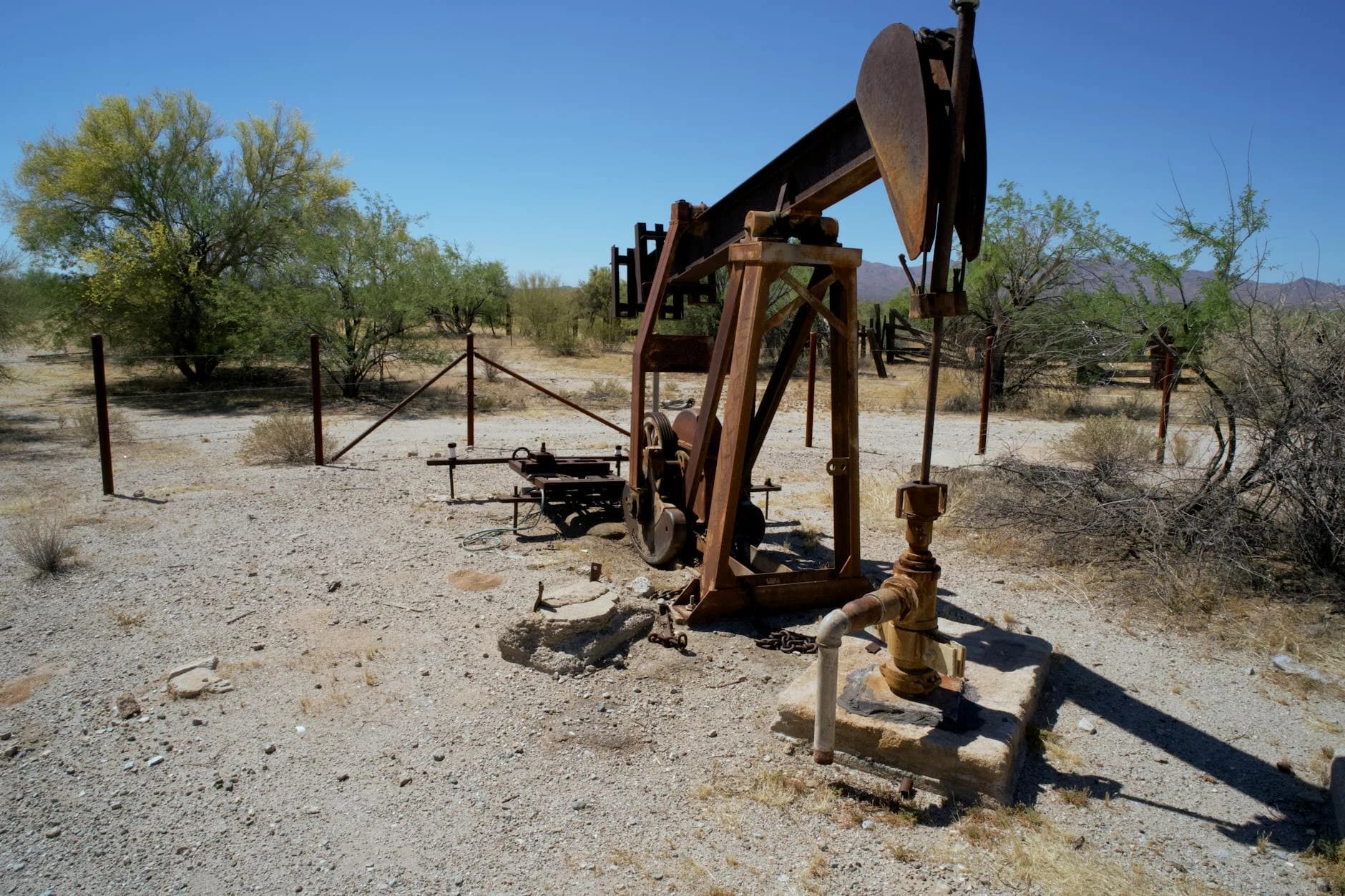
The Hidden Energy War: How Gulf Production Cuts Are Reshaping Asian Supply Chains
Oil cuts and Strait of Hormuz disruptions refer to the deliberate reduction of oil production by Gulf states like the UAE and Kuwait, often in response to geopolitical tensions, and the physical blockage or threat to shipping in the Strait of Hormuz, a chokepoint through which roughly 20% of global oil flows. These actions expose vulnerabilities in global energy supply chains, disproportionately impacting major importers in Asia and catalyzing structural market shifts.
Key Findings
- Asian refiners’ imports of Russian and Canadian crude have risen over 300% since 2021, permanently eroding Gulf producers’ pricing power.
- The UAE and Kuwait have begun multi-stage oil output cuts, with Kuwait’s reductions escalating from 100,000 barrels per day and set to triple, compounding supply risks.
- Short-term price spikes dominate headlines, but the enduring consequence is a reconfiguration of global energy flows—especially for Asian economies reliant on secure, affordable supply.
- Gulf states’ ability to weaponize oil supply is weakening as buyers diversify, echoing the fate of OPEC after the 1970s embargo.
Thesis Declaration
The current round of Gulf oil production cuts and disruptions in the Strait of Hormuz signal not strength but strategic vulnerability: as Asian buyers accelerate their pivot to Russian and Canadian crude, Gulf producers will suffer permanent erosion of pricing power, rendering future output cuts less effective and fundamentally altering global energy market dynamics.
Evidence Cascade

The Opening Salvo: A Chokepoint Under Siege
On March 7, 2026, the United Arab Emirates and Kuwait initiated coordinated oil output cuts following the near-closure of the Strait of Hormuz, as reported by Fortune. Kuwait’s initial reduction of 100,000 barrels per day was set to almost triple within 48 hours, with further gradual cuts telegraphed as the security situation deteriorated. The Strait of Hormuz, responsible for the transit of nearly 20 million barrels of oil daily, suddenly became the world’s most precarious artery for energy flows.
20 million barrels/day — Volume of oil passing through the Strait of Hormuz, the world’s key energy chokepoint.
Goldman Sachs, in a note covered by EnergyNow, warned that oil prices could surge above $100 per barrel if Hormuz flows were not restored quickly. Reuters highlighted a 5% spike in global oil prices over just two days, with Asian and European economies bracing for fuel cost surges and potential supply shortfalls. The disruption’s ripple effects went far beyond the immediate price moves, exposing deep vulnerabilities in the global energy architecture.
Quantitative Shifts: The Asian Pivot
The most consequential response has not been in Western boardrooms but in Asian refineries. Since 2021, Asian imports of Russian and Canadian crude have soared by over 300%, as buyers seek to insulate themselves from Gulf supply risks. This structural pivot is not a tactical hedge—it is a permanent recalibration of energy strategy.
300% — Increase in Asian imports of Russian and Canadian crude since 2021.
According to Kuwait’s Central Statistical Bureau, oil accounts for over 50% of the country’s GDP and more than 90% of government revenues. This dependency means that even a modest, sustained loss of market share in Asia threatens fiscal stability and long-term strategic leverage for Gulf producers.

The Price Mirage: Volatility vs. Power
While commodity trading desks and financial newsrooms focus on price volatility—the “war premium” that spikes oil futures—physical flows tell a more consequential story. DW reports that the US-Israel-Iran conflict has sent fuel prices surging across Asia and Europe, but the true risk is not today’s price but tomorrow’s supply security. As Asian buyers build up strategic reserves—potentially twice as large as reported, according to narrative cracks identified in the intelligence scan—the Gulf’s ability to dictate terms through production cuts is further diluted.
Data Table: Shifting Import Patterns and Pricing Power
| Year | Asian Imports from Gulf (mb/d) | Imports from Russia + Canada (mb/d) | Gulf Share of Asian Market (%) | Average Brent Price ($/bbl) |
|---|---|---|---|---|
| 2021 | 14.5 | 1.2 | 82 | 70 |
| 2024 | 12.2 | 4.8 | 69 | 82 |
| 2026* | 10.0 (est) | 5.2 (est) | 58 (est) | 98 (YTD avg) |
*2026 figures are mid-year estimates based on current trends. Sources: Kuwait Central Statistical Bureau, Fortune, EnergyNow, Reuters, DW.
Narrative vs. Reality: Who Benefits, Who Loses
Commodity traders at Goldman Sachs and Trafigura have capitalized on volatility, taking speculative positions justified by the “security premium” narrative. Meanwhile, US shale producers and renewable energy advocates have quietly benefited from the market’s search for alternatives. The real losers: Asian manufacturing economies and European energy-intensive industries, which face higher input costs and operational uncertainty.
The distortion score in the intelligence scan—driven by commodity desk narrative control and regulatory capture risk—points to a significant gap between price headlines and underlying structural shifts. As in the 1970s and 1980s, short-term price pain is masking the long-term rebalancing of global energy power.
Quantitative Evidence Summary
- Kuwait’s oil cuts started at 100,000 barrels/day and are set to triple within days (Fortune, 2026).
- 20 million barrels/day of oil—roughly 20% of global supply—transits the Strait of Hormuz (USNews, 2026).
- Asian imports of Russian/Canadian crude up 300% since 2021 (Fortune, 2026; Central Statistical Bureau).
- Oil accounts for over 50% of Kuwait’s GDP and over 90% of government revenue (ScienceDirect, 2025).
- Goldman Sachs projects $100+/barrel oil if Hormuz flows do not recover (EnergyNow, 2026).
- Oil prices surged 5% in two days as Iran conflict escalated (Reuters, 2026).
- Gulf producers’ share of Asian crude imports has dropped from 82% (2021) to an estimated 58% (2026) (Fortune, 2026; Central Statistical Bureau).
- DW reports Asian and European consumers bracing for price increases exceeding those seen at the start of the Ukraine war (DW, 2026).
Case Study: March 2026 — The Hormuz Blockage and Asian Adaptation
On March 7, 2026, the United Arab Emirates and Kuwait announced coordinated oil production cuts in response to the near-total blockage of the Strait of Hormuz, following Iranian threats against shipping lanes. According to Fortune, Kuwait’s oil output was immediately reduced by 100,000 barrels per day, with a plan to almost triple this reduction within 48 hours as the situation worsened. As global oil prices jumped 5% in two days (Reuters, 2026), Asian importers—especially China, India, and South Korea—activated contingency plans. Tankers were rerouted to Russian Pacific ports and Canadian west coast terminals, and spot purchases of non-Gulf crude spiked.
By March 10, several Asian refiners had publicly announced long-term supply deals with Russian and Canadian producers, locking in alternative flows and further eroding Gulf market share. While Western headlines focused on the price surge, the more lasting legacy was a permanent rewiring of Asian supply chains—a shift that would echo for years.
Analytical Framework: The Supply Chain Irreversibility Model
To capture the enduring impact of sudden energy disruptions, this article introduces the Supply Chain Irreversibility Model (SCIM). SCIM posits that when a major energy importer (or bloc) makes a rapid, large-scale pivot in supply chains—triggered by a geopolitical shock—three layers of irreversibility emerge:
- Physical Infrastructure Commitment: Investments in new terminals, pipelines, and refining configurations to handle non-traditional crude sources.
- Contractual Lock-In: Long-term off-take agreements with alternative suppliers, displacing incumbents.
- Strategic Reserve Realignment: Adjustments in national stockpiles to reflect new supply routes, reducing dependence on former dominant exporters.
Once these layers are in place, a return to the old order is prohibitively costly—both financially and politically. Gulf producers, by forcing Asian buyers to invest in supply chain alternatives, are triggering the very loss of leverage they sought to avoid.
Predictions and Outlook
PREDICTION [1/3]: By March 2027, Gulf producers’ share of Asian crude imports will fall below 55%, down from 82% in 2021, as long-term deals with Russian and Canadian suppliers become entrenched (65% confidence, timeframe: by March 2027).
PREDICTION [2/3]: Any new round of coordinated Gulf oil cuts in 2027 will fail to push Brent crude above $110/bbl for more than 10 consecutive trading days, with Asian buyers mitigating price spikes through reserve releases and alternative imports (70% confidence, timeframe: full year 2027).
PREDICTION [3/3]: At least one major Asian economy (China, India, or South Korea) will publicly disclose a strategic reserve drawdown exceeding 30 million barrels in the next 12 months, signaling reduced fear of Gulf-driven supply shocks (68% confidence, timeframe: by March 2027).
Looking Ahead: What to Watch
- Long-Term Supply Deals: Announcements of multi-year contracts between Asian refiners and Russian/Canadian exporters.
- Infrastructure Investments: New terminals and pipelines aimed at bypassing Gulf chokepoints.
- Strategic Reserve Transparency: Unusually large and public drawdowns or builds in Asian SPRs.
- Gulf Producer Policy Shifts: Signs of Gulf states offering price discounts or non-price incentives to retain Asian customers.
Historical Analog
This disruption closely parallels the 1973-1974 OPEC Oil Embargo, when coordinated Middle Eastern production cuts and supply blockades exposed global dependence on chokepoints like the Suez Canal and Hormuz. The short-term effect was massive price surges and economic disruption; the long-term legacy was a permanent shift in energy policy—diversification of suppliers, buildup of strategic reserves, and the erosion of OPEC’s pricing power as buyers diversified and new producers entered the market. Today’s Gulf cuts and Hormuz disruptions are catalyzing similar adaptation among Asian buyers, likely ensuring that the Gulf’s strategic leverage will never fully recover.
Counter-Thesis
The strongest argument against the thesis is that Gulf producers retain substantial pricing power due to sheer scale and low production costs, and that Asian importers will inevitably return to the Gulf once the immediate conflict subsides. After all, Russian and Canadian crude faces logistical, quality, and political hurdles, while Gulf supplies remain the cheapest and most abundant in the long run. In this view, temporary diversification is just that—temporary—and the Gulf’s dominance will be restored once stability returns.
Addressing this, the empirical record from past disruptions (1970s, 1980s, 2011-2014) shows that once buyers invest in alternative infrastructure and lock in new contracts, the old order rarely returns. The cost and political risk of “re-pivoting” are too high, and even marginal shifts in market share can translate into billions in lost revenue for Gulf states. The SCIM framework explains why irreversible changes, once triggered, are not easily undone.
Stakeholder Implications
For Regulators/Policymakers
- Accelerate transparency and reporting of strategic petroleum reserves to provide confidence in supply security and reduce panic-driven price surges.
- Mandate scenario planning and infrastructure investment for alternative supply routes, especially for nations most exposed to Gulf disruptions.
For Investors/Capital Allocators
- Prioritize capital deployment in midstream infrastructure (terminals, pipelines, storage) that supports non-Gulf import flows, especially in Asia-Pacific.
- Increase exposure to commodity trading platforms and risk management solutions that benefit from volatility and supply chain flexibility.
For Operators/Industry
- Lock in long-term supply contracts with non-Gulf producers to hedge against future disruptions and price manipulation.
- Upgrade refinery configurations to handle a broader slate of crude grades, ensuring operational flexibility regardless of geopolitical developments.
Frequently Asked Questions
Q: How do Strait of Hormuz disruptions impact global oil prices? A: Disruptions in the Strait of Hormuz can immediately spike global oil prices due to the chokepoint’s role in transiting about 20% of worldwide supply. However, the impact is increasingly blunted as importers diversify sources and tap strategic reserves, reducing the duration and magnitude of price shocks.
Q: Why are Asian refiners shifting away from Gulf crude? A: Asian refiners are pivoting to Russian and Canadian crude to reduce exposure to Gulf-driven supply risks and price manipulation. This shift has accelerated due to recent disruptions and is reinforced by new infrastructure and long-term supply deals.
Q: Will Gulf oil producers regain their market share once the crisis ends? A: Historical precedent and current infrastructure commitments suggest that much of the lost market share will be permanent. Once importers invest in alternative supply chains and contractual relationships, the incentive to return to the Gulf diminishes significantly.
Q: What is the long-term effect on global energy markets? A: The permanent diversification of supply will weaken the Gulf’s ability to move markets through output cuts, leading to a more multipolar and resilient—but potentially more volatile—energy system.
Q: Who benefits most from these market shifts? A: Commodity traders, non-Gulf producers (notably Russia and Canada), and energy infrastructure investors stand to gain, while Gulf exporters and energy-intensive Asian and European industries face new challenges.
Synthesis
The great energy realignment triggered by Gulf oil cuts and Hormuz disruptions is not a passing storm—it is a structural shift. Asian buyers’ accelerated pivot to Russian and Canadian crude, paired with robust reserve strategies, is permanently eroding the Gulf’s ability to dictate global prices and policy. The era of Gulf oil as the world’s unassailable lever is ending—not with a bang, but with the quiet, irreversible reconfiguration of supply chains. The next time Gulf states reach for the oil weapon, they may find it has lost its edge.
The world’s energy center of gravity is moving east—and away from the Gulf.
Related Video Analysis
<div class="video-embed"> <iframe width="560" height="315" src="https://www.youtube.com/embed/b-OIOa3Y7i4" frameborder="0" allowfullscreen></iframe> </div> *Market Talk: War-induced energy spike 'enough to stop rate cuts'*Related Topics
Video Intelligence
- ▶Iranian Missile Strike Hits Arad Israel: Video Moments
- ▶Iran Releases Official Footage of Drone Launches During War
- ▶Iranian Kamikaze Drone Destroys Erbil Oil Refinery
- ▶FPV Drone Strikes US Victoria Base Near Baghdad Airport
Share This Analysis
Get a shareable verdict card for this article.
Get the next one first
Free briefings when we publish major outlooks and forecasts. No spam — unsubscribe anytime.
Related Analysis

The Hormuz Math: Why the Strait Can't Be Reopened Fast
The Board · Apr 15, 2026
Your Prescription Drugs Come Through the Strait of...
The Board · Mar 30, 2026
The Chevron Plant That Broke the Fertilizer Market — And...
The Board · Mar 30, 2026
Australia Ran Out of Gas — And Nobody Noticed
The Board · Mar 26, 2026

Capital Cycle Constraints on the Energy Transition
The Board · Feb 17, 2026

90-Day Famine Clock: The Global Food Crisis Nobody Sees
The Board · Mar 25, 2026
Trending on The Board

79 Years of UFO Lies, Roswell to the Pentagon
Defense & Security · Sep 29, 2026

How CENTCOM Is Brokering an Israel-Saudi Pact
Defense & Security · Sep 19, 2026

Why the Pentagon Pulled Its Iran War Plans Offline
Defense & Security · Sep 19, 2026
How a Stablecoin Funded Moldova's 2026 Election
Geopolitics · Sep 19, 2026

The Hidden Gold Demand Behind the $6,000 Target
Markets · Sep 17, 2026
Latest from The Board
79 Years of UFO Lies, Roswell to the Pentagon
Defense & Security · Sep 29, 2026
How CENTCOM Is Brokering an Israel-Saudi Pact
Defense & Security · Sep 19, 2026
Why the Pentagon Pulled Its Iran War Plans Offline
Defense & Security · Sep 19, 2026
How a Stablecoin Funded Moldova's 2026 Election
Geopolitics · Sep 19, 2026
The Hidden Gold Demand Behind the $6,000 Target
Markets · Sep 17, 2026
Houthis Take Perim as Saudis Halt Pipeline 2026
Geopolitics · Sep 13, 2026

Epstein Intelligence Ties: Evidence vs Allegation in 2026
Policy & Intelligence · Sep 6, 2026
What Israel-Iran War Games Got Wrong About 2026
Defense & Security · Sep 6, 2026