
Prime Minister Narendra Modi’s recent remarks on India’s energy security, captured in a viral Telegram video, underscore Delhi’s delicate balancing act as the West Asia crisis threatens global oil flows. The 27-second clip, shared by Indian defense-focused channel MeghUpdates, shows Modi stating India is “leaving no stone unturned” to mitigate supply risks while avoiding direct alignment with any faction in the spiraling U.S.-Iran confrontation.
What Happened The video appears to be excerpted from a broader address delivered amid reports of U.S. strikes on Iran’s Kharg Island oil terminal and Hezbollah’s threats of prolonged war with Israel. Modi’s carefully phrased comments — emphasizing “efforts at various levels” — reflect India’s multi-vector diplomacy: maintaining ties with Iran (a key crude supplier) while cooperating with U.S.-led naval contingents securing regional shipping lanes. Notably, he avoided condemning either Washington or Tehran despite their escalating conflict.
80% of India’s crude imports transit the Strait of Hormuz, now a flashpoint amid U.S.-Iran strikes.
Background
Why It Matters India’s energy calculus is being stress-tested like never before. The Kharg Island strikes reportedly disabled Iran’s largest oil export terminal, while retaliatory threats against Gulf shipping raise risks for the 9.2 million barrels per day India sources from the region. Modi’s statement signals three strategic priorities:
- Supply Diversification: Delhi has quietly accelerated purchases from Russia (now 36% of imports, up from 2% pre-Ukraine war) and reopened talks with Venezuela after U.S. sanctions waivers.
- Strategic Reserves: India’s 39.1 million-barrel emergency stockpile — equivalent to 9.5 days of consumption — remains inadequate for prolonged disruptions, prompting plans to expand capacity.
- Diplomatic Cover: By framing the crisis in economic rather than geopolitical terms, Modi seeks to preserve working relationships across adversarial blocs.
The approach carries risks
The approach carries risks. U.S. secondary sanctions could target Indian entities still trading with Iran, while China’s competing energy bids in the Gulf complicate Delhi’s access to long-term contracts.
Key Developments
What’s Next Expect India to deploy a three-track response:
- Naval Coordination: The Indian Navy will likely expand its Operation Sankalp escort missions in the Arabian Sea, possibly integrating closer with U.S. Task Force 153 — though stopping short of formal joint patrols to avoid antagonizing Tehran.
- Refinery Adjustments: State-owned processors like IOCL may reconfigure plants to handle more Russian Urals and Venezuelan Merey crude, despite higher transport costs.
$12/barrel – The current discount on sanctioned Iranian oil, a key incentive for Indian buyers despite U.S. pressure.
- Renewables Push: The crisis will accelerate Modi’s $4.3 billion green hydrogen mission, aiming to cut fossil fuel reliance by 25% by 2030.
Strategic Analysis
The video’s viral spread reflects growing public anxiety over fuel prices — petrol has risen 18% year-on-year — pressuring Modi to deliver stability ahead of 2027 elections. While Delhi’s hedging strategy buys short-term security, the West Asia conflagration may ultimately force harder choices between economic pragmatism and strategic alliances.
This analysis was informed by open-source intelligence, including shipping data from TankerTrackers.com and policy documents from India’s Petroleum Planning & Analysis Cell.
Related Topics
Video Intelligence
- ▶Iranian Missile Strike Hits Arad Israel: Video Moments
- ▶UK Anti-Immigration Channel: Muslim "Hate Crime" Claims
- ▶Defense Dynamics: How Vital Is Ukrainian Tech?
- ▶Israel-Iran Tensions: The Role of Evangelical Outreach
Share This Analysis
Get a shareable verdict card for this article.
Related Analysis

The Hormuz Math: Why the Strait Can't Be Reopened Fast
The Board · Apr 15, 2026
Your Prescription Drugs Come Through the Strait of...
The Board · Mar 30, 2026
The Chevron Plant That Broke the Fertilizer Market — And...
The Board · Mar 30, 2026
Australia Ran Out of Gas — And Nobody Noticed
The Board · Mar 26, 2026
Capital Cycle Constraints on the Energy Transition
The Board · Feb 17, 2026

90-Day Famine Clock: The Global Food Crisis Nobody Sees
The Board · Mar 25, 2026
Trending on The Board
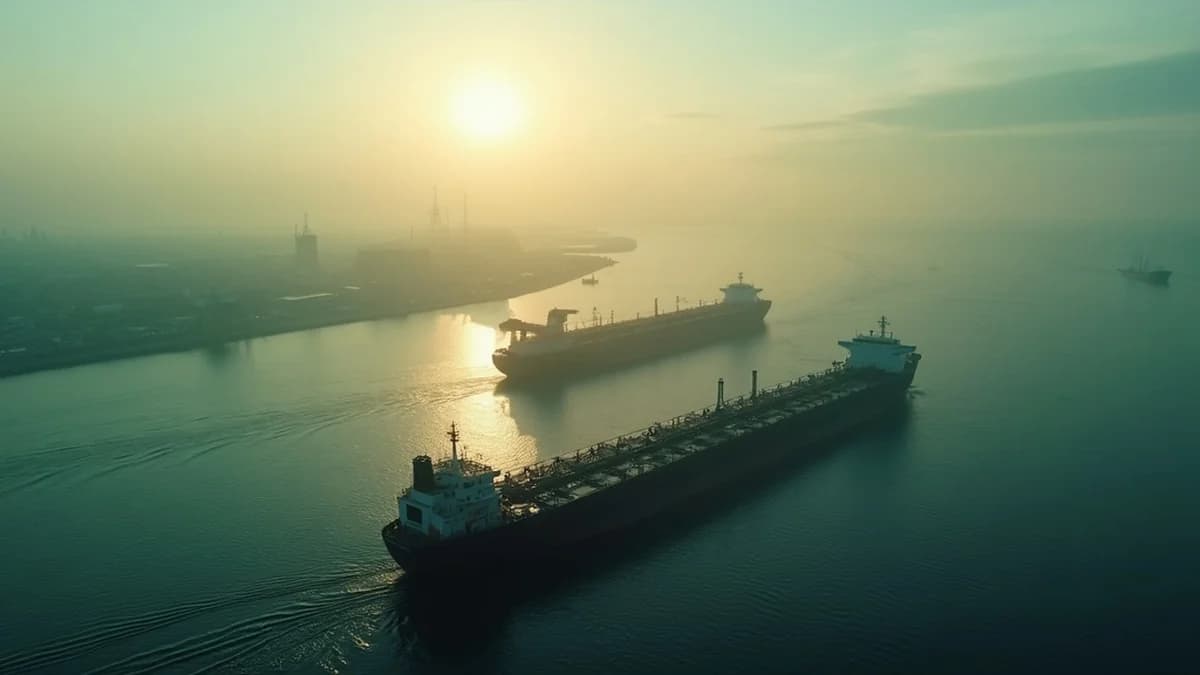
Iran Oil Waiver 2026: $8.5bn Loaded, No Buyers in China
Markets · Jul 3, 2026

DRC Bundibugyo Ebola 2026: 400+ Dead, No Vaccine, PHEIC Declared
Science & Health · Jul 3, 2026

Blackstone Sells $7.8bn Virginia Data Centers in 2026 — Top Signal?
Markets · Jul 3, 2026
Strategy's $64bn Bitcoin Bet: The Warning and What Saylor's Filings Show
Markets · Jul 3, 2026

Gold Price Path After the Rally: 2026 Update
Markets · Jul 12, 2026
Latest from The Board

AI Speaks One Language—That's the Real Risk
Technology · Jul 14, 2026
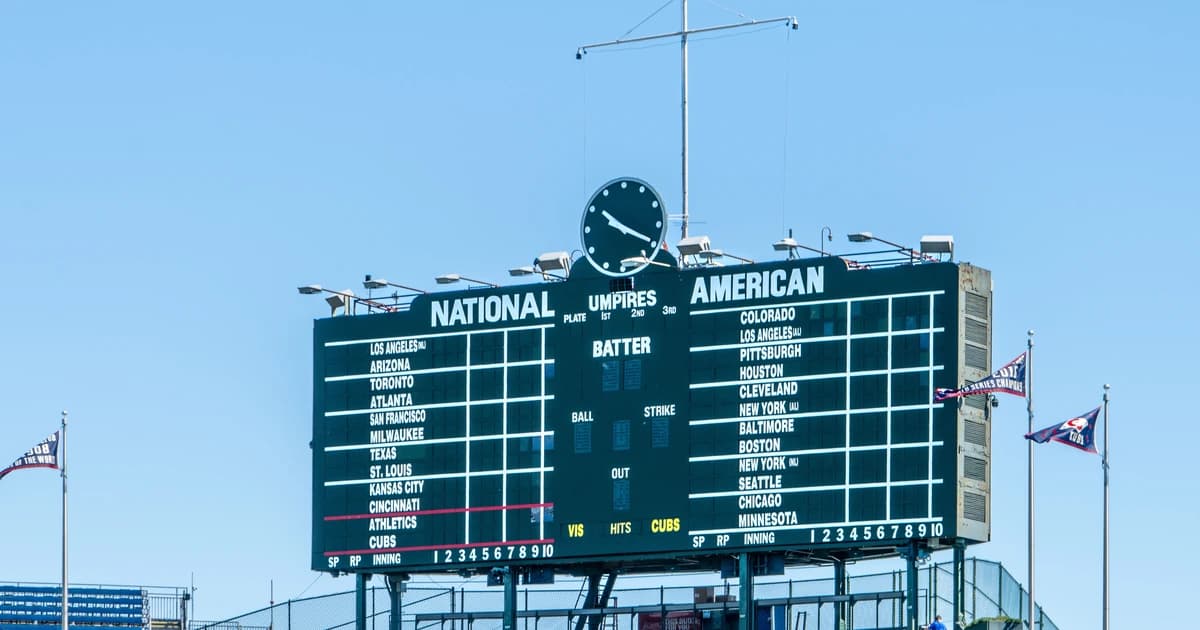
Gematria Sports Dates Selection Bias Explained 2026
Policy & Intelligence · Jul 12, 2026
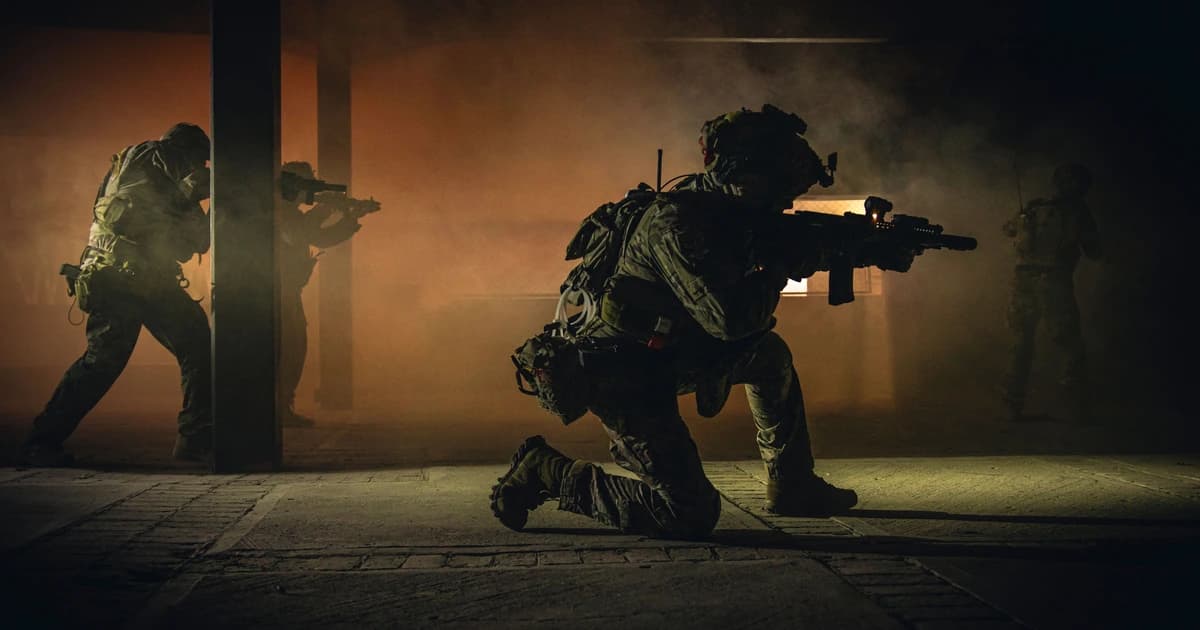
Gladio Stay-Behind Hybrid War 2026: What Still Applies
Defense & Security · Jul 12, 2026
Gold Price Path After the Rally: 2026 Update
Markets · Jul 12, 2026
Kelly Utilization Meaning: Bet Sizing for Prediction Markets
Markets · Jul 11, 2026
Israel-Turkey War Game Analysis: NATO, Escalation Paths, 2026
Defense & Security · Jul 11, 2026

Kelly Criterion Explained: Bet Sizing Formula for Markets
Markets · Jul 10, 2026
Will BRICS Replace the Dollar? A Reality-Check Scorecard (2026)
Markets · Jul 9, 2026