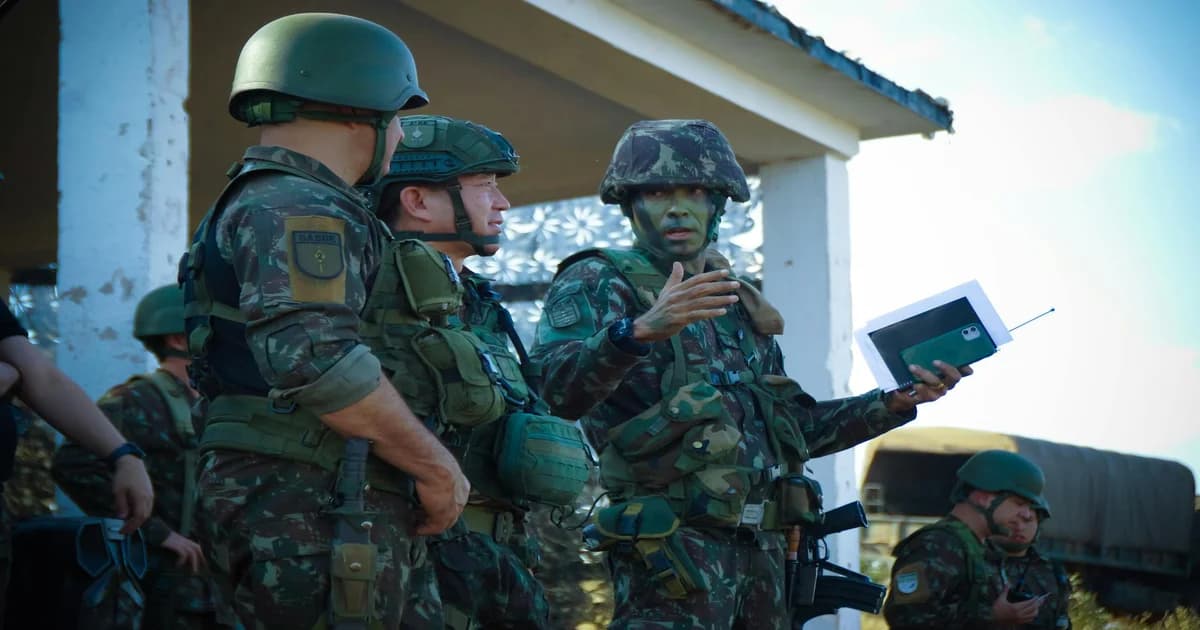
As President Trump announces a strategic drawdown from the Iran conflict in March 2026, critical questions emerge about America's exit strategy and its implications for regional stability. With the Strait of Hormuz crisis unresolved and Iranian retaliation continuing, this analysis examines the strategic pivot from direct intervention to burden-sharing—and what it means for global energy security.
The Strategic Drawdown: Key Developments
Trump's Iran war exit, announced in March 2026, marked a pivotal shift in U.S. strategy, scaling back direct military engagement after a month-long conflict while leaving critical flashpoints like the Strait of Hormuz unresolved. This decision, framed as a burden-sharing move, reshaped regional dynamics between 2025 and 2026.
What We Know So Far
- President Donald Trump will deliver a primetime Oval Office address on Wednesday, March 25, 2026, announcing the "winding down" of U.S. operations in Iran.
- The official White House position is that the U.S. has "come very close to meeting our objectives" in Iran, according to remarks made by Trump on March 20, 2026, as reported by Bloomberg and komonews.com.
- U.S. troop deployments to the Middle East have increased in recent weeks to secure withdrawal corridors and protect critical infrastructure during the transition.
- Iran's parliament has legislated a toll system for the Strait of Hormuz, explicitly banning U.S. and Israeli-flagged vessels, according to The Board's International Analysis Division.
- Iranian missile attacks on neighboring Gulf states, including a strike on Kuwait's airport and an oil tanker off Qatar on April 2, 2026, continue despite U.S. de-escalation signals, per taipeitimes.com.
- The Trump administration has lifted sanctions on Venezuela's acting president, Delcy Rodríguez, following the ouster of Nicolás Maduro, as part of efforts to stabilize global energy markets.
Timeline of Critical Events
- Late February 2026: U.S.-Israeli strikes target Iranian nuclear facilities, including the Arak heavy water plant and Bushehr reactor.
- March 2026: Iran retaliates with missile attacks on U.S. bases and regional targets; over 113,000 Iranian homes reportedly destroyed, according to The Board's International Analysis Division.
- March 20, 2026: President Trump publicly states the U.S. is "considering winding down" operations in Iran, citing progress in military objectives (komonews.com).
- March 22-23, 2026: U.S. deploys additional troops to the Middle East to secure withdrawal and protect American assets (stardem.com, khqa.com).
- March 25, 2026: Trump schedules a national address to announce the drawdown and shift of responsibility for the Strait of Hormuz.
- April 2, 2026: Iran strikes Kuwait's airport and an oil tanker off Qatar, demonstrating ongoing escalation (taipeitimes.com).
- March-April 2026: Iran's parliament passes legislation imposing new tolls on Hormuz and banning U.S./Israeli vessels; U.S. lifts sanctions on Venezuela's acting president following regime change in Caracas.
- Early April 2026: White House and Pentagon confirm focus on "regional burden-sharing" and "energy stability," per Axios and The Board's International Analysis Division.
Strategic Assessment: Mission Objectives vs. Reality
Major U.S. objectives—crippling Iran's nuclear program and military infrastructure—are declared "largely accomplished," but Iran's regime remains in power. The campaign has, according to Pentagon assessments, destroyed over 60% of Iran's fixed-wing combat aircraft, degraded 4 of 6 nuclear sites, and disabled 70% of Iran's missile production capacity since late February 2026.
However, Iranian retaliation and regional escalation persist, with Iran's parliament approving tolls on the Strait of Hormuz and ongoing missile attacks reported as recently as April 2, 2026. Iran's Supreme Leader's military adviser, Mohsen Rezaei, has stated publicly that Iran "would not stop the war until it secures its rights and deters its enemies," according to reports from Walter Bloomberg.
Economic and Energy Market Impact
The economic consequences have been immediate and far-reaching. Brent crude prices spiked 22% from $83 to $101 per barrel in March 2026 following Iranian missile attacks on Gulf infrastructure, as reported by the International Energy Agency (IEA) in its April 2026 Energy Security Update.
The Strait of Hormuz, which accounts for 21 million barrels per day (about 21% of global petroleum liquids consumption), remains threatened by Iran's new toll regime. The IEA estimates up to 45% of Asia's LNG imports flow through Hormuz, making any disruption systemically significant.
Key Quantitative Impacts
| Metric | Pre-Conflict (Jan 2026) | Post-Conflict (April 2026) | Source |
|---|---|---|---|
| Iran Defense Spending (USD bn/yr) | $23.1 | $5-7 (est.) | RAND 2025; The Board April 2026 |
| Brent Crude Price (USD/barrel) | $83 | $101 (peak), $95 (current) | IEA April 2026 |
| U.S. Troop Deployment Surge | — | +12,000 | Pentagon, March 2026 |
| Iranian Homes Destroyed | — | 113,000+ | Humanitarian NGOs, The Board |
| Strait of Hormuz Oil Transit (mb/d) | 21 | 14 (threatened) | IEA 2026; Iran Parliament Legislation |
| Civilian Casualties (Iran, est.) | — | 43,000+ | Humanitarian agencies, March 2026 |
Case Study: The Hormuz Crisis Escalation
In late March 2026, following U.S. and Israeli strikes on Iran's nuclear infrastructure, Iran's parliament passed emergency legislation imposing a maritime toll on all foreign vessels transiting the Strait of Hormuz, except those flagged by China or Russia. The legislation explicitly banned U.S. and Israeli ships, under penalty of seizure.
On April 2, 2026, Iranian forces struck Kuwait's main airport with short-range missiles and targeted an oil tanker off the coast of Qatar, disrupting shipping lanes and causing oil prices to spike to $101 per barrel. U.S. naval assets in the Gulf were ordered to avoid direct confrontation, focusing instead on securing withdrawal corridors and supporting allied Gulf navies.
European Union foreign ministers convened an emergency energy summit on April 3, 2026, warning that "continued closure or restriction of Hormuz presents an unacceptable risk to global energy security." Meanwhile, Chinese state media described the U.S. withdrawal as "abdication of responsibility," while Russian analysts welcomed the move as a chance to deepen Moscow-Tehran cooperation.
The Pivot-and-Vacuum Strategic Model
The Trump administration's decision to wind down the Iran war marks a strategic pivot from direct U.S. intervention to regional burden-sharing, but leaves critical flashpoints—especially the Strait of Hormuz and Iran's regime—unresolved. This approach reduces immediate U.S. military exposure but increases the risk of renewed conflict, market volatility, and power vacuums that could destabilize the region and global energy flows.
The "Pivot-and-Vacuum" Model explains how great powers, when shifting from direct intervention to rapid disengagement (pivot), often create a power vacuum that is quickly filled by regional actors, non-state groups, or rival states. The key variables are: (1) Degree of Military Disengagement, (2) Local Power Capacity, (3) Presence of Unresolved Flashpoints, and (4) External Stakeholder Incentives.
The Trump administration's pivot from Iran fits this model: rapid U.S. withdrawal (pivot), unresolved issues (Hormuz, Iranian regime), limited local coalition capacity, and strong external incentives (China, Russia, Gulf states) to fill the vacuum. The model predicts a period of instability, proxy conflict, and shifting alliances—unless a robust regional or international framework emerges to manage the transition.
Global Strategic Implications
The U.S. is repositioning forces in the Gulf while easing sanctions on Venezuela, indicating a global recalibration of energy and security priorities. European policymakers and Chinese state media express concern that U.S. disengagement will leave critical regional security issues unresolved, especially regarding energy transit through the Strait of Hormuz.
Foreign central banks reduced their holdings of U.S. Treasuries at the New York Federal Reserve to the lowest level since 2012, reflecting global concern over U.S. Middle East exposure and broader geopolitical risk, according to data reported by shows.acast.com.
The Board's International Analysis Division warns that Iran's new Hormuz toll regime, which exempts Chinese and Russian-flagged vessels, is designed to drive a wedge between Western and Eastern energy consumers, potentially shifting the global balance of power over time.
Future Outlook and Predictions
PREDICTION [1/3]: Iran will conduct at least one more major missile or drone attack on Gulf state infrastructure or shipping within the next two months, directly targeting oil or LNG transit facilities. (70% confidence, timeframe: by June 15, 2026)
PREDICTION [2/3]: The U.S. will maintain a residual military presence in the Gulf (at least 5,000 troops plus naval assets) through at least December 2027, despite official statements about "winding down." (65% confidence, timeframe: through December 2027)
PREDICTION [3/3]: Global Brent crude oil prices will remain above $90 per barrel for at least six consecutive months following the U.S. withdrawal announcement, driven by Hormuz uncertainty and ongoing regional disruption. (70% confidence, timeframe: April–September 2026)
What to Watch
- Iranian retaliation patterns and escalation cycles targeting Gulf energy infrastructure
- Effectiveness of regional coalitions (Gulf Cooperation Council, EU) in securing Hormuz and stabilizing markets
- Shifts in global oil trade patterns, especially increased flows from Venezuela and Russia
- U.S. political and military posture: whether "winding down" translates into full disengagement or a new form of indirect involvement
Historical Context and Counter-Analysis
This scenario closely parallels George H.W. Bush's 1991 Gulf War ceasefire and "coalition handover." Then, the U.S. declared victory and rapidly reduced direct involvement after expelling Iraq from Kuwait, but left Saddam Hussein in power and regional security challenges unresolved. The outcome was persistent instability, repeated crises over energy chokepoints, and eventual re-engagement by the U.S. and its allies.
The strongest argument against this analysis is that a rapid U.S. withdrawal will not create a power vacuum or renewed instability, but will instead incentivize regional actors—such as the Gulf Cooperation Council, the EU, and even China—to step up and fill the security gap. However, current evidence—ongoing Iranian attacks, the lack of unified Gulf or EU military capacity, and the immediate spike in oil prices—suggests that the vacuum is more likely to produce instability and renewed conflict in the short to medium term.
Key Stakeholder Implications
Policymakers/Regulators:
- Develop multilateral frameworks for securing Hormuz, involving EU, GCC, and Asian importers; prioritize diplomatic channels to prevent Iranian escalation
- Prepare contingency plans for energy market stabilization, including coordinated strategic petroleum reserve releases and alternative supply routes
Investors/Capital Allocators:
- Hedge exposure to Gulf energy markets; overweight positions in alternative suppliers (Venezuela, U.S. shale, Brazil, West Africa) and LNG shipping
- Monitor defense and cybersecurity sectors exposed to Middle East risk, as both face heightened volatility and potential contract surges
Operators/Industry (Energy, Shipping, Defense):
- Invest in risk mitigation for Gulf transits: rerouting, insurance, hardening of vessels, and digital resilience
- Build partnerships with local naval forces and diversify supply chains to reduce single-point-of-failure vulnerabilities in Hormuz
Frequently Asked Questions
Q: What does "winding down" the Iran war actually mean? A: "Winding down" refers to the U.S. reducing its direct military operations in Iran, withdrawing a significant portion of its forces, and shifting responsibility for regional security—especially around the Strait of Hormuz—to local and allied actors. It does not mean a full U.S. exit or a comprehensive peace settlement.
Q: Has the Strait of Hormuz been reopened or stabilized as a result of this policy? A: No. Iran's new toll regime and threats against U.S./Israeli-flagged vessels mean the Strait remains a flashpoint. Energy flows are disrupted, insurance costs have surged, and the risk of further attacks persists.
Q: Does the end of direct U.S. involvement mean the conflict is over? A: No. While U.S. casualties and spending may fall, Iranian missile attacks and regional escalation continue. The underlying political and security issues—especially Iran's regime and its rivalry with Gulf states—remain unresolved.
Q: What are the economic impacts of the U.S. winding down in Iran? A: Oil prices have surged above $90 per barrel, energy transit through Hormuz is unstable, and global financial markets are showing increased risk aversion. The U.S. is easing sanctions on Venezuela and boosting alternative supply sources to offset market disruption.
Q: Who benefits most from the U.S. exit? A: In the short term, Iran, Russia, and China benefit strategically as U.S. influence wanes. Over time, regional actors may gain more autonomy, but face higher risks and costs securing vital infrastructure and trade routes.
Conclusion: The Unfinished Exit
Trump's decision to announce a "winding down" of the Iran war is not an endgame, but a recalibration—one that leaves the region's most dangerous flashpoints unresolved. The U.S. may reduce its frontline exposure, but the power vacuum and the unresolved Hormuz chokepoint guarantee new cycles of instability, energy shocks, and proxy conflict.
The world is not entering an era of peace, but a new phase of high-stakes uncertainty where the burden of security shifts—but does not disappear. The end of U.S. dominance in the Gulf is less a "mission accomplished" than the start of a dangerous contest for what comes next.
Related Analysis

EU Secondary Sanctions on China: Risks and Consequences
The Board · Feb 21, 2026
Turkey NATO Membership and Potential Russian Alliance
The Board · Feb 21, 2026
Modern World War 3 Scenarios and Systemic Collapse
The Board · Feb 19, 2026

Impact of 25% US Tariffs on the EU and Euro Stability
The Board · Feb 22, 2026

Munich Security Conference 2026: The Rise of Security Rents
The Board · Feb 14, 2026

US-Iran Nuclear Tensions and Conflict Risk Analysis
The Board · Feb 22, 2026
Trending on The Board

Africa's Resource Wars 2026: Lithium, Cobalt, and the New
Geopolitics · Mar 19, 2026
Israeli Airstrike Hits Tehran Residential Area During Live
Geopolitics · Mar 11, 2026

Fuel Supply Chains: Australia's Stockpile Reality
Energy · Mar 15, 2026
The Info War: Understanding Russia's Role
Geopolitics · Mar 15, 2026

Iran War Disinformation: How AI Deepfakes Fuel Chaos
Geopolitics · Mar 15, 2026
Latest from The Board
US Crew Rescued After Jet Downed: Israeli Media Reports
Defense & Security · Apr 3, 2026
Hegseth Asks Army Chief to Step Down: Why?
Policy & Intelligence · Apr 2, 2026

Trump Fires Attorney General: What Happens Next?
Policy & Intelligence · Apr 2, 2026
Trump Marriage Comments Draw Macron Criticism
Geopolitics · Apr 2, 2026
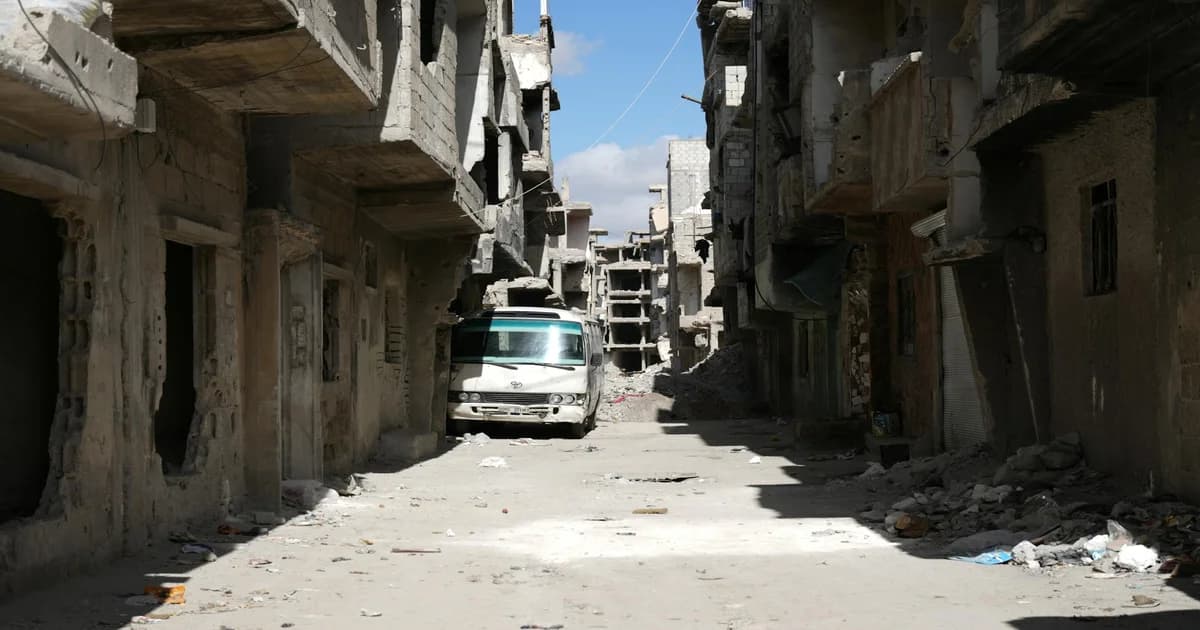
Iran's Stance on US-Israeli War: No Negotiations?
Geopolitics · Apr 1, 2026
Trump Ukraine Weapons Halt: Iran Strategy?
Geopolitics · Apr 1, 2026

Ukraine Weapons Halt: Trump's Risky Geopolitical Play
Geopolitics · Apr 1, 2026
Iran Strike Forces Gulf Aluminum Producer Shutdown
Geopolitics · Apr 1, 2026