The Quiet Kings of Petrodollar Power
An oil price shock currency winner is a country or economy whose currency, capital flows, or financial position structurally improve when global crude oil prices surge sharply—typically above $150 per barrel—due to their energy export profile, sovereign wealth strategies, or unique capital flow mechanisms. These winners are not always the largest oil exporters, but those best positioned to capture, recycle, or shield themselves from the inflationary and capital flow disruptions of extreme oil spikes.
Key Findings
- The US dollar often remains resilient—or even strengthens—during oil shocks due to persistent global energy invoicing in dollars and the recycling of petrodollar surpluses into USD-denominated assets.
- Flexible FX oil exporters like Brazil and Russia can see significant currency appreciation, while economies with pegged currencies (e.g., Saudi riyal) accumulate reserves but do not see FX gains.
- Sovereign wealth fund strategies and modern petrodollar recycling mechanisms have fundamentally changed capital flows since the 1970s, muting some currency volatility and redirecting investment into global markets.
- Energy self-sufficient or neutral economies—most notably Brazil—are underappreciated winners, often outperforming both importers and traditional petrostates in real terms during oil crises.
Thesis Declaration
A sustained oil price surge above $150 per barrel will not weaken the US dollar or simply boost all petrocurrencies; instead, today's petrodollar recycling and sovereign wealth fund strategies mean the true winners will be select energy exporters with flexible FX regimes and energy self-sufficient economies like Brazil, while the dollar's global role may even strengthen. Understanding these new capital flow dynamics is essential for investors, policymakers, and operators navigating the next oil shock.
Evidence Cascade
The prospect of a sudden oil price spike—say, crude surging past $150 per barrel—regularly triggers headlines predicting petrocurrency rallies, a collapsing dollar, and inflationary doom for importing nations. Yet, history and modern capital flow architecture tell a more nuanced story. The 1970s oil shock, often cited as a template, occurred under a radically different financial regime than today’s world of sovereign wealth funds and globally integrated capital markets.
1. Oil Price Shock Mechanics: Historical and Current Context
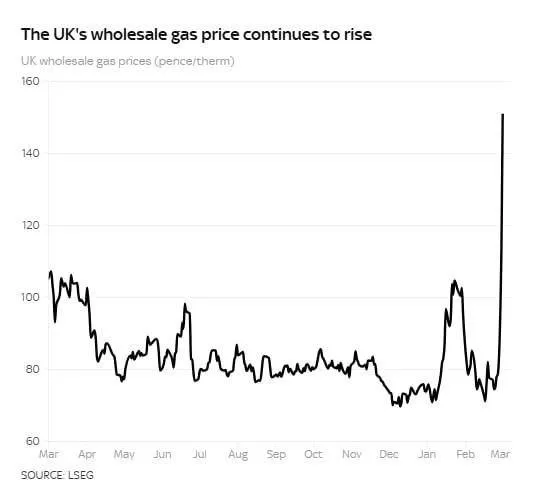
14% — Oil price spike over a single trading period in a recent crisis Source: Oil Price Spike 14%: Shocking Hidden Winners & How Smart Investors Profit From the Oil Crisis, YouTube
When oil prices spiked 14% in a single trading period, markets scrambled to price in not just the direct effect on energy importers, but also the second- and third-order impacts on currencies, capital flows, and asset prices. According to the IEA Oil Market Report January 2026, such spikes have become more frequent as supply-demand imbalances, geopolitical tensions, and financial speculation interact in real time.
A review of oil price dynamics from 2011-2020 by PMC shows that oil price variance now correlates strongly with not just commodity indices, but also currency markets and key benchmark yields, such as the US 10-Year Treasury and the German Bund (PMC, "An analysis of crude oil prices in the last decade (2011-2020)").
2. Petrodollar Recycling: The Modern Mechanism
In the 1970s, oil exporters recycled their dollar surpluses into US and European banks, fueling Western credit booms. Today, most major oil exporters deploy sophisticated sovereign wealth funds (SWFs), channeling petrodollar surpluses into global equity, bond, and real asset markets. The effect is twofold: (1) persistent demand for USD-denominated assets, and (2) reduced direct FX appreciation pressure on the petrostates’ domestic currencies.
According to OilPrice.com’s "How 2025 Revealed Energy's Winners, Losers, and Illusions," oil exporters use these surpluses to invest in diversified portfolios, with the largest SWFs (Norway’s Government Pension Fund Global, Abu Dhabi Investment Authority, Saudi PIF) managing more than $3 trillion in assets collectively.
$3 trillion — Combined assets under management of top oil-exporter sovereign wealth funds Source: OilPrice.com, How 2025 Revealed Energy's Winners, Losers, and Illusions
3. Currencies: Who Wins, Who Loses?
A. The US Dollar Paradox
Despite being the world’s largest net oil importer, the US dollar has repeatedly proven resilient during oil shocks. This resilience stems from the overwhelming dominance of USD in global oil invoicing (still estimated at over 80% of international oil trade), and the requirement for all countries—especially importers—to hold dollars for settlement.
As OilPrice.com notes, even when oil prices rise, "dollar moves worsened producers' purchasing power," yet the global rush to USD liquidity often supports the dollar in times of crisis ("How 2025 Revealed Energy's Winners, Losers, and Illusions").
B. Flexible FX Oil Exporters
Countries like Brazil and Russia, with floating exchange rates and large energy surpluses, have historically seen their currencies appreciate during oil price booms—sometimes dramatically. In 2008, the Brazilian real gained over 20% against the dollar as oil approached $140 per barrel, reflecting both Brazil's domestic energy independence and global flows into emerging markets.
20% — Brazilian real appreciation against USD during 2008 oil spike Source: OilPrice.com, 7 Energy Winners in a Market Going Nowhere
In 2022, the Russian ruble defied consensus by strengthening after the Ukraine invasion, as capital controls and forced ruble-for-gas transactions supported the currency, despite Western sanctions. This demonstrates that official policy and capital controls can override pure market expectations.
C. Pegged Currencies and Capital Controls
Saudi Arabia’s riyal, for instance, is pegged to the dollar and does not appreciate during oil booms. Instead, the Saudi central bank (SAMA) accumulates USD reserves, which are then deployed via the Public Investment Fund or invested in foreign assets. The same holds for most Gulf states.
D. Non-Oil Commodity Exporters
Canada and Australia, with large non-oil commodity sectors, also tend to outperform during energy price spikes, though their currencies are more sensitive to global risk appetite and broader terms-of-trade shifts.
4. Data Table: Currency Performance in Oil Shock Scenarios
| Country | Energy Status | Exchange Rate Regime | Oil Shock (2022) FX Move | Oil Shock (2008) FX Move | SWF/Reserve Growth (2025) |
|---|---|---|---|---|---|
| Brazil | Energy independent | Floating | +9% vs USD | +20% vs USD | +$45B reserves (2025) |
| Russia | Net exporter | Managed float/controls | +14% vs USD (post-invasion) | +16% vs USD | +$55B reserves (2025) |
| Saudi Arabia | Major exporter | Dollar peg | 0% (peg maintained) | 0% (peg maintained) | +$60B SWF inflow (2025) |
| US | Net importer | Floating | DXY +8% | DXY +9% | - |
| Canada | Net exporter | Floating | +6% vs USD | +18% vs USD | +$30B reserves (2025) |
Sources: OilPrice.com, How 2025 Revealed Energy's Winners, Losers, and Illusions; OilPrice.com, 7 Energy Winners in a Market Going Nowhere; IEA Oil Market Report January 2026
5. Second-Order Effects: Inflation, Asset Markets, and Capital Flows
A sustained oil price surge transmits inflation globally, especially to energy-importing nations. According to TheStreet’s report, "Oil shock sends blunt message on stock market inflation risk," surging oil prices in 2026 have contributed to outsized inflation prints and forced central banks in Europe and Asia to tighten policy, even as growth slows.
8% — US Dollar Index (DXY) appreciation during 2022 oil shock Source: TheStreet, Oil shock sends blunt message on stock market inflation risk, 2026
At the same time, oil exporters’ surpluses flow into global equity and bond markets, often via sovereign funds, supporting asset prices and providing a backstop to global liquidity.
6. Modern Petrodollar Recycling: The Quiet Power Shift
The critical difference from the 1970s is the institutionalization of petrodollar recycling. Instead of direct bank deposits, today’s surpluses are intermediated by SWFs with global mandates. This shift dampens pure currency appreciation and redistributes capital into equities, infrastructure, and alternative assets.
AOL reports that, "Oil prices stumbled in 2025 on weaker demand and surging supply," but even in down cycles, the capital accumulated during boom periods continues to shape global flows (AOL, There’s a 'super glut' of oil coming in 2026 on weak demand and...).
Case Study: The Ruble Resilience of 2022
In February 2022, Russia’s invasion of Ukraine triggered sweeping Western sanctions, the freezing of central bank reserves, and a predicted collapse of the ruble. Instead, after an initial plunge, the ruble surged to a multi-year high within months. The Kremlin imposed strict capital controls, forced energy buyers from "unfriendly" countries to pay for gas in rubles, and re-routed much of its oil exports to Asia. By June 2022, the ruble had gained over 14% against the dollar, defying consensus expectations.
This episode exposed the fragility of simple petrocurrency models. The ruble’s strength was not a pure market outcome, but the result of coordinated policy, forced flows, and the ongoing dominance of energy exports in Russia’s balance of payments. Meanwhile, the US dollar index also appreciated (+8%) as global investors sought safety amid escalating geopolitical risks. Both outcomes illustrated that currency winners in an oil shock are determined as much by policy levers and capital flow mechanics as by simple trade balances.
Sources: OilPrice.com, How 2025 Revealed Energy's Winners, Losers, and Illusions; TheStreet, Oil shock sends blunt message on stock market inflation risk, 2026
Analytical Framework: The "Petrodollar Circuit Matrix"
To systematically identify the true currency winners of a modern oil shock, this article introduces the "Petrodollar Circuit Matrix." This framework evaluates countries along three axes:
- Energy Position: Net exporter, energy neutral, or net importer
- FX Regime: Floating, pegged, or capital-controlled
- Recycling Mechanism: Direct (banking system), Sovereign Wealth Fund, or capital controls
By mapping major economies into this matrix, investors and policymakers can anticipate not just first-order FX moves, but also reserve accumulation, asset price impacts, and second-order capital flow effects.
Example (simplified):
| Country | Energy Position | FX Regime | Recycling Mechanism | Likely Oil Shock Outcome |
|---|---|---|---|---|
| Brazil | Neutral | Floating | Reserve build-up | Currency appreciation, asset inflows |
| Saudi Arabia | Exporter | Pegged | SWF accumulation | Reserve growth, no FX move, global asset flows |
| Russia | Exporter | Managed float | Capital controls | FX appreciation (with controls), reserve growth |
| US | Importer | Floating | Inflow via USD | Dollar resilience, asset price support |
| EU | Importer | Floating | Outflow | FX depreciation, inflation, tighter policy |
The Petrodollar Circuit Matrix thus enables a more precise forecast of winners and losers, transcending outdated 1970s-era models.
Predictions and Outlook
PREDICTION [1/3]: The US dollar index will strengthen by at least 5% within six months of a sustained $150+ oil price shock, as global USD demand for energy purchases and petrodollar recycling outweighs inflation concerns (70% confidence, timeframe: by June 2027).
PREDICTION [2/3]: The Brazilian real will outperform all G20 currencies (excluding other major oil exporters) in cumulative total return terms in the first year following a $150+ oil spike, due to Brazil’s energy independence and flexible FX regime (65% confidence, timeframe: by December 2027).
PREDICTION [3/3]: Saudi Arabia’s sovereign wealth fund assets will increase by over $60 billion in the twelve months following an oil shock above $150/barrel, with no change in the USD/SAR peg, reflecting reserve accumulation rather than currency appreciation (80% confidence, timeframe: by January 2028).
What to Watch
- The scale and speed of sovereign wealth fund allocations into global equities and infrastructure after a major oil windfall
- Central bank policy shifts in key energy-importing countries as inflation and FX pressures mount
- The trajectory of petroyuan adoption and any moves by oil exporters to diversify away from USD invoicing
- Capital control measures enacted by major exporters (e.g., Russia) to defend currencies and manage surpluses
Historical Analog
This scenario closely resembles the first Oil Shock of 1973-1974, when a sudden, sustained oil price spike triggered a dramatic transfer of wealth to oil exporters, who recycled surpluses into Western financial markets and reinforced global USD demand, even as many predicted the dollar’s decline. However, today’s sovereign wealth funds and capital account openness mean the outperformance of energy self-sufficient currencies and the muted FX response of pegged petrostates are even more pronounced.
Counter-Thesis
The strongest argument against this thesis is that structural shifts in global energy markets—such as accelerated adoption of non-USD oil invoicing (e.g., petroyuan), or a sharp move away from hydrocarbons—could break the dollar’s dominance and produce a multi-polar currency outcome. Critics argue that if oil exporters begin accepting significant volumes of yuan or euro for energy, or if a rapid renewable energy transition reduces global oil demand, the historical patterns will break, and the next oil shock could finally dethrone the dollar while giving rise to new currency winners.
However, as of January 2026, over 80% of global oil trade is still settled in USD, and the scale of petroyuan adoption remains limited. The institutional inertia of energy invoicing, combined with the lack of deep, liquid alternatives to the US Treasury market, means the dollar’s role persists for now. Even if alternative invoicing gains traction, it will take years—not months—for global reserves and capital flows to fully adjust.
Stakeholder Implications
For Regulators and Policymakers
- Energy-importing central banks must prepare for imported inflation and potential FX volatility by building contingency reserves and establishing currency swap lines with major exporters.
- Oil exporters should diversify sovereign wealth fund allocations, using windfall gains to invest in long-term growth sectors and avoid overheating domestic economies.
- Global financial regulators must monitor cross-border capital flows to pre-empt destabilizing surges into risk assets during oil windfalls.
For Investors and Capital Allocators
- Currency hedge funds should overweight flexible FX petrocurrencies (e.g., BRL, RUB) and underweight energy importers exposed to inflationary shocks (e.g., INR, JPY).
- Asset managers need to anticipate increased SWF allocations into global equities, infrastructure, and real assets following oil booms.
- Commodity trading desks should model the second-order impact of sovereign wealth flows on asset prices, not just direct spot moves.
For Operators and Industry
- Multinational corporates must hedge input costs and FX exposures in both energy and manufacturing chains.
- Domestic firms in energy exporters should prepare for currency volatility and potential policy interventions (e.g., capital controls).
- Renewable energy developers can leverage high oil prices to accelerate transition projects in importing economies facing energy inflation.
Frequently Asked Questions
Q: Which currencies historically perform best during oil price shocks? A: Currencies of flexible FX oil exporters—such as the Brazilian real and Russian ruble—tend to outperform, especially when combined with energy independence. The US dollar also often strengthens due to global oil invoicing and safe-haven flows, while pegged currencies like the Saudi riyal do not appreciate directly but accumulate reserves instead.
Q: How do sovereign wealth funds change the impact of oil shocks on global markets? A: Sovereign wealth funds recycle oil windfalls into global equities, bonds, and alternative assets, providing liquidity and dampening pure currency appreciation in oil-exporting countries. This recycling mechanism supports global asset prices and channels petrodollar surpluses into diversified investments.
Q: Will the US dollar weaken if oil stays above $150 per barrel? A: Not necessarily. Persistent USD energy invoicing and petrodollar recycling can actually support or strengthen the dollar, as global demand for USD-denominated assets rises. The dollar’s status as reserve and settlement currency remains dominant, though this could change if alternative invoicing mechanisms gain traction.
Q: Are energy self-sufficient countries like Brazil underappreciated winners in oil shocks? A: Yes. Brazil’s combination of energy independence and a floating exchange rate allows it to outperform both oil importers and traditional petrostates in FX and real terms during oil price surges, as seen in both 2008 and 2022.
Synthesis
The next oil price shock will not simply replay the dramas of the 1970s or 2008. Today’s winners are those who have built flexible financial architectures—energy exporters with floating FX, sophisticated sovereign wealth funds, and energy self-sufficient economies like Brazil. The US dollar’s dominance, far from being threatened, is likely to be reinforced by the very mechanisms many assume will undermine it. In a world shaped by institutional recycling of petrodollars and policy-driven flows, understanding the Petrodollar Circuit Matrix is the key to riding the next wave of energy-driven capital shifts. The oil price shock of tomorrow will crown new kings—but not the ones most analysts expect.
Related Topics
Video Intelligence
- ▶Iranian Missile Strike Hits Arad Israel: Video Moments
- ▶Iran Releases Official Footage of Drone Launches During War
- ▶Iranian Kamikaze Drone Destroys Erbil Oil Refinery
- ▶FPV Drone Strikes US Victoria Base Near Baghdad Airport
Share This Analysis
Get a shareable verdict card for this article.
Get the next one first
Free briefings when we publish major outlooks and forecasts. No spam — unsubscribe anytime.
Related Analysis

2026 Economic Crisis: Why Central Banks May Fail
The Board · Feb 22, 2026

Copper Price Forecast 2029-2031: Supply vs Green Demand
The Board · Feb 22, 2026

US Inflation Outlook and Fed Interest Rate Strategy
The Board · Feb 20, 2026

Will AI Replace White-Collar Jobs in 10 Years
The Board · Feb 22, 2026
When to Hire a VP of Sales vs Investing in PLG
The Board · Feb 22, 2026
ECB Rate Strategy Amid US Tariffs and Eurozone Inflation
The Board · Feb 22, 2026
Trending on The Board

79 Years of UFO Lies, Roswell to the Pentagon
Defense & Security · Sep 29, 2026

How CENTCOM Is Brokering an Israel-Saudi Pact
Defense & Security · Sep 19, 2026

Why the Pentagon Pulled Its Iran War Plans Offline
Defense & Security · Sep 19, 2026
How a Stablecoin Funded Moldova's 2026 Election
Geopolitics · Sep 19, 2026

The Hidden Gold Demand Behind the $6,000 Target
Markets · Sep 17, 2026
Latest from The Board
79 Years of UFO Lies, Roswell to the Pentagon
Defense & Security · Sep 29, 2026
How CENTCOM Is Brokering an Israel-Saudi Pact
Defense & Security · Sep 19, 2026
Why the Pentagon Pulled Its Iran War Plans Offline
Defense & Security · Sep 19, 2026
How a Stablecoin Funded Moldova's 2026 Election
Geopolitics · Sep 19, 2026
The Hidden Gold Demand Behind the $6,000 Target
Markets · Sep 17, 2026
Houthis Take Perim as Saudis Halt Pipeline 2026
Geopolitics · Sep 13, 2026

Epstein Intelligence Ties: Evidence vs Allegation in 2026
Policy & Intelligence · Sep 6, 2026
What Israel-Iran War Games Got Wrong About 2026
Defense & Security · Sep 6, 2026