
EXECUTIVE SUMMARY
A truly iconic logo is a High-Fidelity Psychic Anchor that bridges the gap between ancient archetypal recognition and modern algorithmic readability. The board concludes that iconicity is achieved when a mark survives "physical degradation" while signaling "human intent" through intentional, non-replicable imperfection. The single most important factor is the "Cutout Test": if the logo cannot be recognized when physically cut out of steel or stamped in dirt, it lacks the structural integrity to survive the 2026 digital-physical convergence.
KEY INSIGHTS
- An iconic logo must function as a "symbolic negative," pre-visualizing how light and shadow interact with the form across physical and digital planes.
- Intentional mathematical asymmetry or "visual glitches" are required to bypass AI-generated "perfection" and signal authentic human reasoning.
- Branding will bifurcate into two layers: a "Metadata Tag" for AI agents and a "Totemic Symbol" for human emotional resonance.
- High edge contrast and tonal clarity (Zone System) are more critical for long-term recall than color or complex gradients.
- The most enduring logos utilize primordial geometry—Mandala patterns or Heroic arcs—to activate inherited patterns in the collective unconscious.
- By 2027, "boring" high-contrast geometry will be the primary signal for institutional legitimacy in a sea of "AI-slop."
WHAT THE PANEL AGREES ON
- Reduction is Essential: A logo must be radically simple to survive the "degradation test" (blurring, resizing, or low-light).
- The Physical Test: Iconicity is proven in the physical world (milled steel, fasteners) rather than on a Retina display.
- Human Signal: As AI saturates the visual field, logos must contain "proof of work" or "proof of soul" to maintain trust.
WHERE THE PANEL DISAGREES
- Symmetry vs. Friction: IVES and ADAMS argue for mathematical perfection and tonal balance; THIEL argues that perfection is now a commodity and only "intentional error" captures modern attention.
- Evidence: THIEL’s "attention-holding" thesis is stronger for high-growth startups, while ADAMS’s "Technical Mastery" is stronger for legacy trust-based institutions.
- Human vs. Agentic Audience: JUNG and SINEK focus on the human psyche; the Devil’s Advocate argues that the human eye is becoming a secondary consumer to the AI crawler.
- Evidence: Current trends in "Agentic Commerce" suggest the Devil's Advocate may be right for utility goods, while JUNG holds the edge for luxury and identity-driven brands.
THE VERDICT
To create an iconic brand logo today, do not design for the eye; design for the thumb (tactile) and the machine (algorithmic).
- Pass the Physical Cutout Test first — If your logo relies on color, gradients, or thin lines that disappear when laser-cut from 5mm steel, discard it. It must be a "technical fastener" of identity.
- Inject one "Human Glitch" — Purposefully break the symmetry by 2-5% or introduce a non-standard stroke. This "Proof of Human Reason" separates you from generative AI noise.
- Map to an Archetype — Align the geometry with a universal pattern (The Hero, The Mother, The Circle). Do not seek to be "novel"; seek to be "remembered" by the ancient brain.
RISK FLAGS
-
Risk: The logo is too "weird" and gets ignored by AI visual search agents.
-
Likelihood: MEDIUM
-
Impact: HIGH (Zero discoverability in automated commerce).
-
Mitigation: Ensure the primary silhouette aligns with standard "Object Recognition" headers in major LLM training sets.
-
Risk: Pursuing "Archetypal Depth" results in a logo that looks like a cult or "decentralized scam."
-
Likelihood: MEDIUM
-
Impact: MEDIUM (Loss of institutional trust).
-
Mitigation: Balance ancient symbols with ultra-modern, high-contrast typography ("The Old Wise Man" meets "The Youth").
-
Risk: The "Agentic Economy" renders visual branding entirely obsolete for utility purchases.
-
Likelihood: LOW (for now)
-
Impact: TOTAL
-
Mitigation: Focus brand efforts on "Identity-based" categories where AI cannot replace the human desire for status and belonging.
BOTTOM LINE
A logo is not a picture; it is a physical and psychic tool that must be simple enough for a machine to read and deep enough for a human to feel.
Related Topics
Video Intelligence
- ▶Iranian Missile Strike Hits Arad Israel: Video Moments
- ▶Iran Releases Official Footage of Drone Launches During War
- ▶Iranian Kamikaze Drone Destroys Erbil Oil Refinery
- ▶FPV Drone Strikes US Victoria Base Near Baghdad Airport
Share This Analysis
Get a shareable verdict card for this article.
Get the next one first
Free briefings when we publish major outlooks and forecasts. No spam — unsubscribe anytime.
Related Analysis
2026 Economic Crisis: Why Central Banks May Fail
The Board · Feb 22, 2026

Copper Price Forecast 2029-2031: Supply vs Green Demand
The Board · Feb 22, 2026

US Inflation Outlook and Fed Interest Rate Strategy
The Board · Feb 20, 2026

Will AI Replace White-Collar Jobs in 10 Years
The Board · Feb 22, 2026
When to Hire a VP of Sales vs Investing in PLG
The Board · Feb 22, 2026
ECB Rate Strategy Amid US Tariffs and Eurozone Inflation
The Board · Feb 22, 2026
Trending on The Board
79 Years of UFO Lies, Roswell to the Pentagon
Defense & Security · Sep 29, 2026

How CENTCOM Is Brokering an Israel-Saudi Pact
Defense & Security · Sep 19, 2026

Why the Pentagon Pulled Its Iran War Plans Offline
Defense & Security · Sep 19, 2026
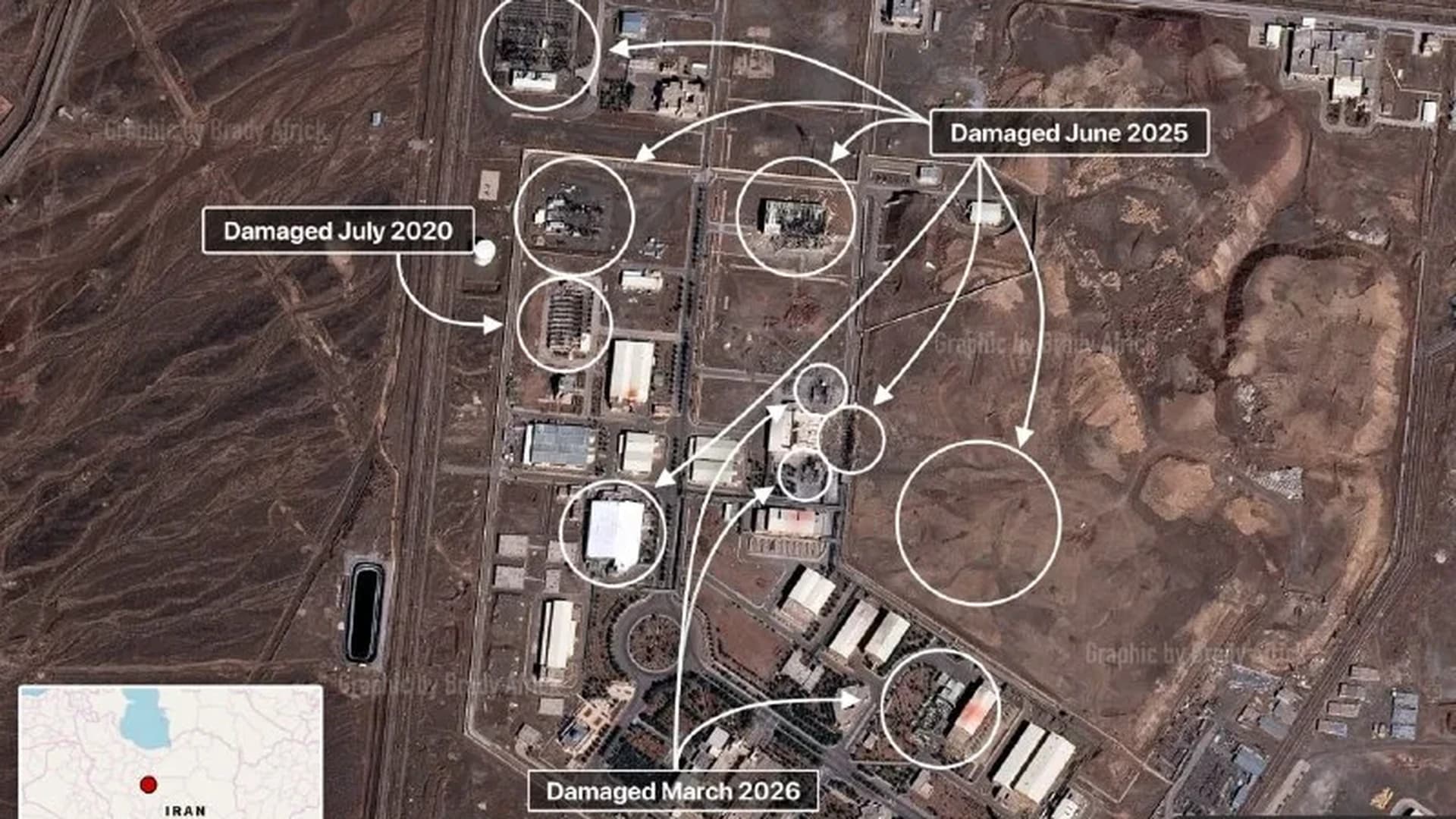
How a Stablecoin Funded Moldova's 2026 Election
Geopolitics · Sep 19, 2026

The Hidden Gold Demand Behind the $6,000 Target
Markets · Sep 17, 2026
Latest from The Board
79 Years of UFO Lies, Roswell to the Pentagon
Defense & Security · Sep 29, 2026
How CENTCOM Is Brokering an Israel-Saudi Pact
Defense & Security · Sep 19, 2026
Why the Pentagon Pulled Its Iran War Plans Offline
Defense & Security · Sep 19, 2026
How a Stablecoin Funded Moldova's 2026 Election
Geopolitics · Sep 19, 2026
The Hidden Gold Demand Behind the $6,000 Target
Markets · Sep 17, 2026
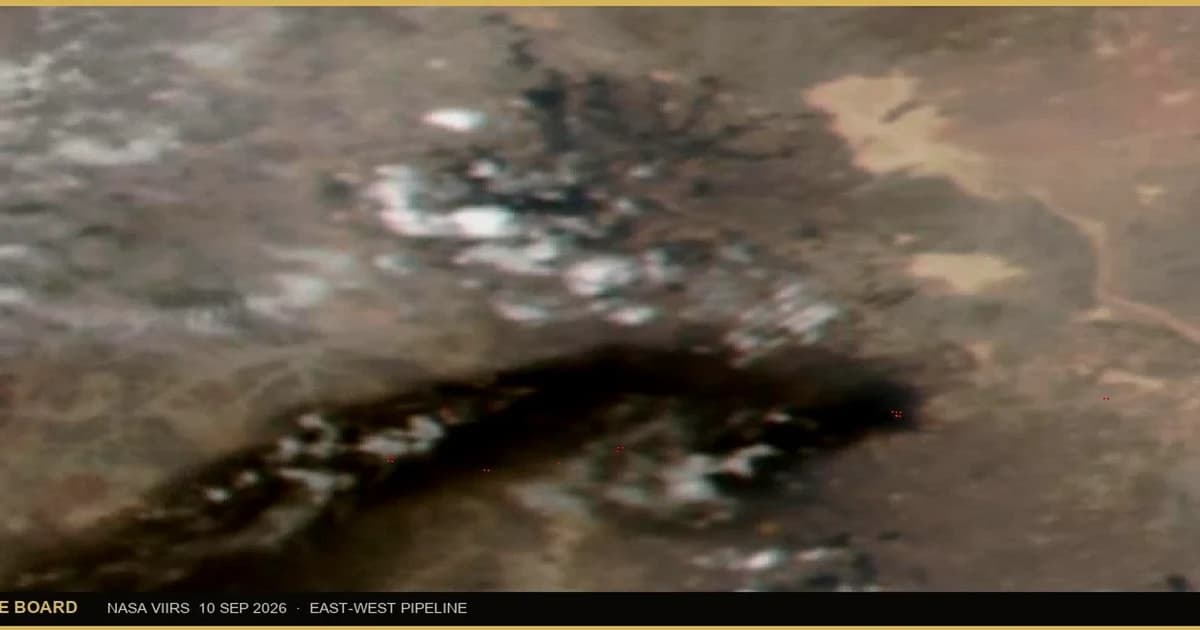
Houthis Take Perim as Saudis Halt Pipeline 2026
Geopolitics · Sep 13, 2026

Epstein Intelligence Ties: Evidence vs Allegation in 2026
Policy & Intelligence · Sep 6, 2026
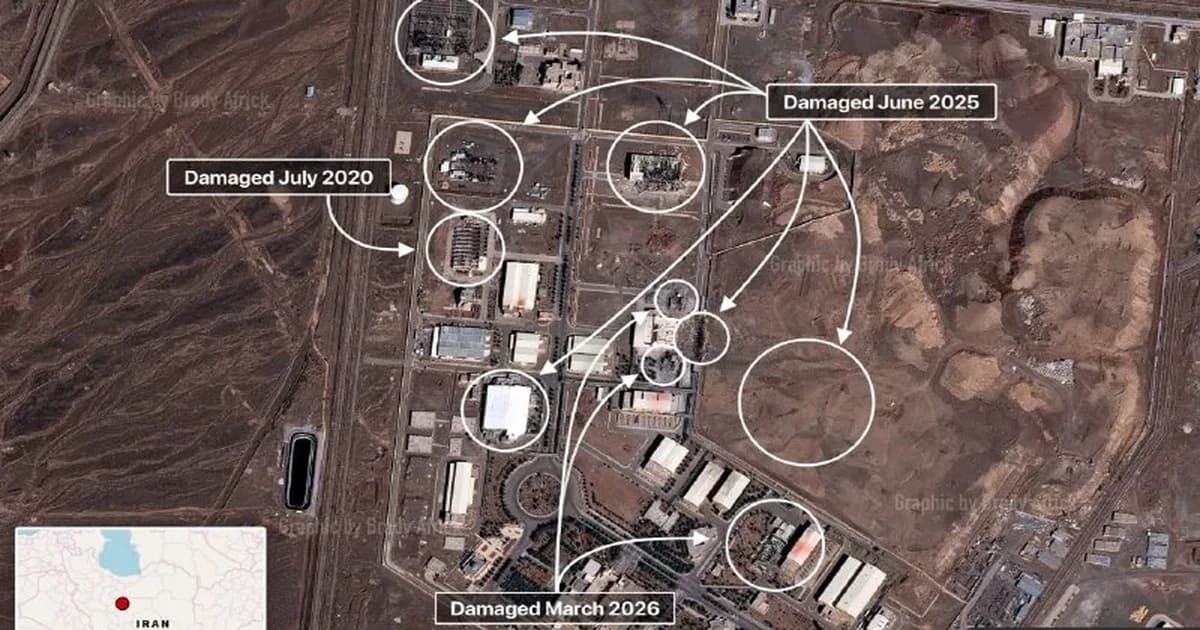
What Israel-Iran War Games Got Wrong About 2026
Defense & Security · Sep 6, 2026