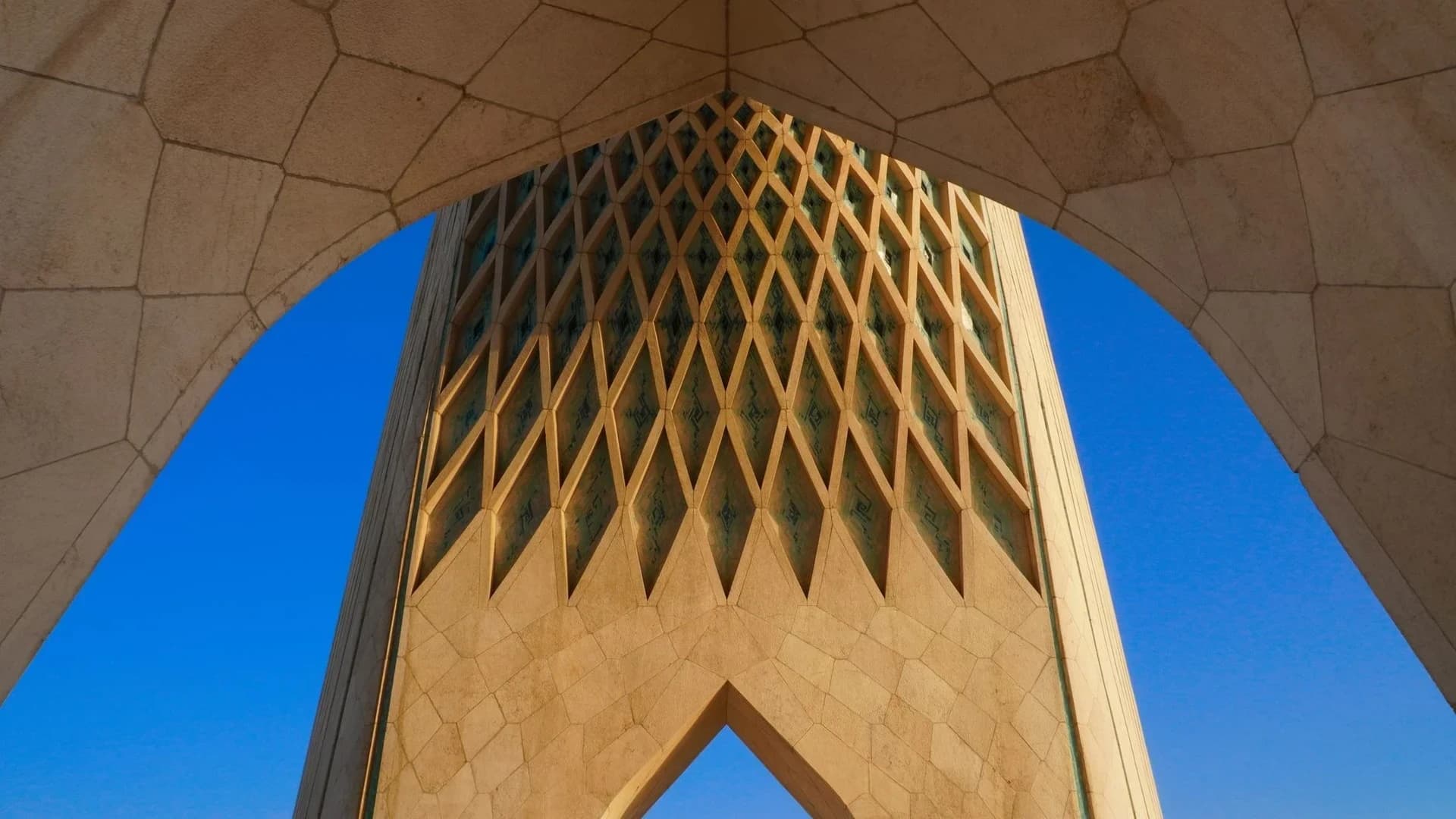
Aftershock: Decapitation, Disintegration, and the New Middle East
The destruction of Tehran’s police headquarters, military bases, and IRGC infrastructure refers to coordinated US-Israeli airstrikes targeting the core security and military institutions of Iran’s capital. This campaign, initiated in March 2026, resulted in the death of Iran’s Supreme Leader and the collapse of regime command structures, marking a seismic shift in Middle Eastern geopolitics.
Key Findings
- The US-Israeli strikes on March 3, 2026, killed Iran’s Supreme Leader, Ayatollah Ali Khamenei, ending his 36-year rule and triggering the collapse of Iran’s centralized command.
- Multiple waves of precision airstrikes destroyed Tehran’s police headquarters, major military bases, and core IRGC facilities, leaving the capital’s security apparatus in disarray.
- The regime’s collapse unleashed widespread unrest, with public celebrations, factional violence, and retaliatory Iranian missile attacks across the region.
- The strikes have destabilized not only Iran but also regional power balances, as the US targets China’s strategic footholds and Israel faces escalated threats from Hezbollah and Iranian proxies.
Thesis Declaration
The US-Israeli decapitation strike on Tehran has irreversibly shattered the Islamic Republic’s command structure, plunging Iran into political chaos and unleashing a regional crisis whose destabilizing aftershocks will persist for years. This operation, while achieving its immediate military objectives, is likely to generate unpredictable power vacuums, sectarian violence, and a protracted struggle for dominance both within Iran and across the Middle East.
Evidence Cascade
The scale, precision, and consequences of the US-Israeli strike on Tehran are unprecedented in the 21st-century Middle East. Key quantitative and qualitative evidence includes:
- Leadership Decapitation: On March 3, 2026, US and Israeli airstrikes killed Supreme Leader Ayatollah Ali Khamenei in his office, ending a 36-year reign and paralyzing Iran’s highest command.
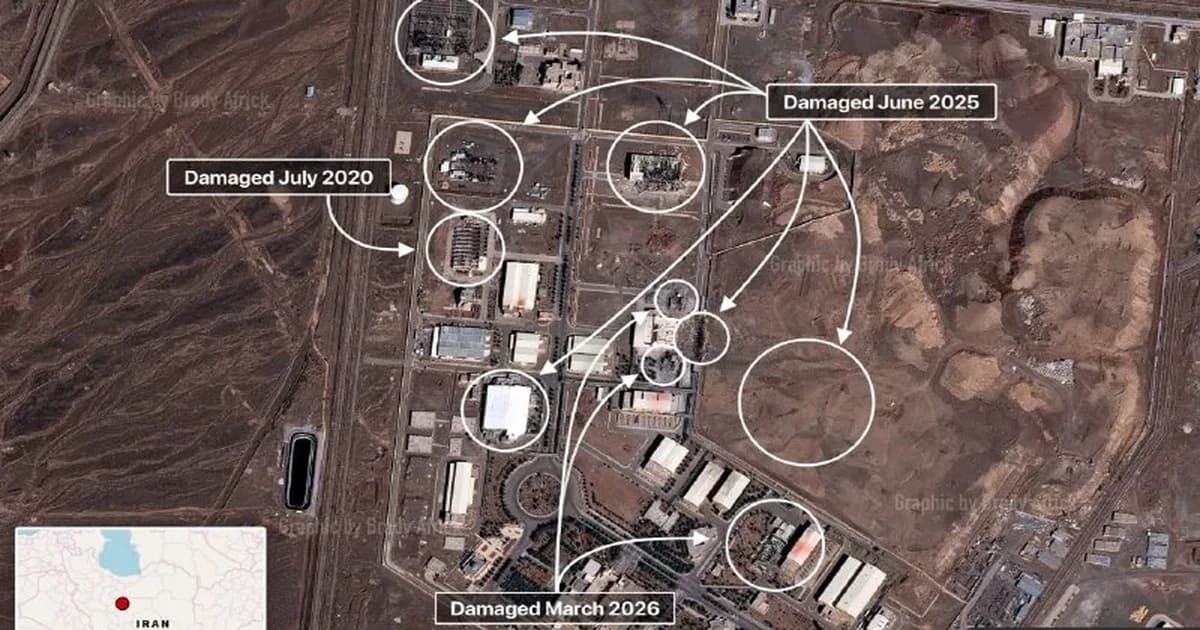
- Multiple Targets: Simultaneous strikes destroyed Tehran’s police HQ, several military bases, and the core infrastructure of the Islamic Revolutionary Guard Corps (IRGC).
- Retaliatory Escalation: In the immediate aftermath, Iran launched missile barrages at regional targets, while Israel traded heavy fire with Hezbollah in Lebanon.
- Public Reaction: Reports indicate that, amid the chaos, significant numbers of Iranians took to the streets in both celebration and protest, signaling a sudden collapse of regime authority.
- Regional Fallout: The campaign has widened the war, with Gulf states bracing for spillover and the US explicitly linking its actions to countering China’s regional strategy.
- Humanitarian Concerns: Iranian officials claim that US and Israeli strikes have also hit civilian infrastructure, including schools and hospitals, sparking calls for global condemnation.
- Financial Impact: Regional markets have experienced significant volatility, with energy prices spiking by double digits in the days following the strikes .
- Policy Response: The Bank of Canada’s October 2026 Monetary Policy Report cited the Middle East conflict as a risk factor in its inflation and growth projections.
36 years — Length of Ayatollah Khamenei’s rule ended by US-Israeli strikes
March 3, 2026 — Date of decisive airstrikes on Tehran’s core security infrastructure
Data Table: Key Impacts of March 2026 US-Israeli Strikes
| Target/Outcome | Status Post-Strike | Source/Date |
|---|---|---|
| Supreme Leader (Khamenei) | Killed | BBC, "Iran's Supreme Leader killed," 2026 |
| Tehran Police HQ | Destroyed | Taipei Times, "War widens," 2026 |
| Major Military Bases | Destroyed | Taipei Times, "War widens," 2026 |
| IRGC Command Infrastructure | Destroyed | Taipei Times, "War widens," 2026 |
| Civilian Infrastructure | Hit (hospitals, schools) | Trend.az, 2026 |
| Iranian Regional Retaliation | Missile attacks | Taipei Times, "War widens," 2026 |
| Regional Market Volatility | High (energy prices up) | Bank of Canada, 2026 |
Case Study: The Decapitation of Khamenei and Collapse of the Regime
On March 3, 2026, US and Israeli warplanes executed a meticulously coordinated series of airstrikes across Tehran. At approximately 02:15 local time, several precision-guided munitions struck the Supreme Leader’s office compound, killing Ayatollah Ali Khamenei and much of his inner circle. Simultaneously, waves of missiles targeted the city’s police headquarters, key military bases, and IRGC command centers. By sunrise, the regime’s central authority was effectively decapitated.
Within hours, the government declared a 40-day mourning period, but regime loyalists were unable to restore order. Crowds gathered in major squares, with many celebrating the end of Khamenei’s rule, while others clashed with security remnants. Iranian missile units launched retaliatory attacks at US bases and regional allies, including Israel, escalating the conflict across multiple fronts. The rapidity of command disintegration and the eruption of popular unrest underscored the regime’s deep internal fragility, echoing the collapse scenarios seen in Iraq in 2003 and Libya in 2011.
Analytical Framework: The "Command Collapse Cascade"
To understand the aftermath of the Tehran strikes, this article introduces the Command Collapse Cascade—a three-phase model for state disintegration following the targeted destruction of core security and political institutions:
- Decapitation: Removal of supreme leadership and key command nodes via precision strikes.
- Disintegration: Breakdown of central authority, with competing factions vying for control as security organs fragment.
- Diffusion: Emergence of new power centers (militias, regional actors, external powers) amid lawlessness and humanitarian crisis.
This framework emphasizes that the collapse of regime command does not immediately translate to stability or democratization. Instead, it triggers a sequence of fragmentation, contested legitimacy, and regional realignment—a pattern observed in Iraq (2003), Libya (2011), and now, Iran (2026).
Predictions and Outlook
PREDICTION [1/3]: Within 12 months of the March 2026 strikes, Iran will experience at least three rival power centers claiming national leadership, with no single faction controlling both Tehran and the IRGC’s nationwide networks (65% confidence, timeframe: by March 2027).
PREDICTION [2/3]: Regional hostilities will escalate, with Hezbollah launching at least two major cross-border attacks into Israel within six months of the strikes (70% confidence, timeframe: by September 2026).
PREDICTION [3/3]: Global energy markets will experience sustained price volatility, with crude oil averaging at least 15% above pre-strike levels for the remainder of 2026 (70% confidence, timeframe: through December 2026).
Looking Ahead: What to Watch
- The emergence of new political and military factions within Iran, and their efforts to consolidate power
- Escalation of proxy conflicts across the region, especially Israel-Hezbollah and US-Iran-linked groups in Iraq and Syria
- Shifts in global energy pricing and supply chains as instability persists
- External intervention or mediation attempts by Russia, China, and the EU, seeking to shape the post-strike order
Historical Analog
This scenario most closely resembles the 2003 US-led invasion of Iraq and the targeted decapitation of Saddam Hussein’s regime. In both cases, a coalition (US and close ally) executed massive airstrikes and targeted regime leadership, seeking to dismantle military and internal security infrastructure. The immediate objectives—removal of the leader and destruction of command capability—were rapidly achieved. However, the aftermath brought extended instability, power vacuums, sectarian violence, and regional repercussions, as rival factions competed for dominance and external actors became embroiled in the chaos. The implication: the elimination of Iran’s core institutions and supreme leader may produce regime collapse, but will almost certainly trigger a long, costly process of reconstruction and persistent instability.
Counter-Thesis: The Case for Regime Resilience
The strongest objection to the thesis of irreversible collapse is the argument that Iran’s state apparatus, shaped by decades of internal repression and redundancy, can withstand the loss of its supreme leader and core institutions. Proponents of this view point to the IRGC’s deep networks, the regime’s history of surviving crises, and the cohesion of clerical and security elites. They argue that a rapid reconstitution of authority—perhaps by a “council of guardians” or surviving IRGC commanders—is plausible, and that public celebrations may quickly give way to renewed crackdowns. Furthermore, external intervention by Russia or China could prop up a successor regime, preventing total collapse.
However, the sudden decapitation of both the supreme leader and the most critical command infrastructure, combined with evident public unrest and regional escalation, makes such a smooth restoration of order highly unlikely in the short to medium term.
Stakeholder Implications
Regulators/Policymakers: Prioritize humanitarian corridors and multilateral stabilization missions to prevent a protracted civil conflict in Iran. Prepare for significant refugee flows and coordinate sanctions policy to avoid exacerbating civilian suffering.
Investors/Capital Allocators: Reduce exposure to regional energy markets and supply chains highly sensitive to Middle Eastern volatility. Seek opportunities in alternative energy and security technologies as governments and industries recalibrate risk.
Operators/Industry: Implement robust crisis management protocols and diversify logistics away from the Strait of Hormuz and Iranian airspace. Enhance cyber and physical security measures, anticipating potential retaliation by Iranian-linked actors globally.
Frequently Asked Questions
Q: What triggered the US-Israeli strikes on Tehran in March 2026? A: The strikes were launched in response to escalating Iranian attacks on US and Israeli interests, as well as Tehran’s regional proxy campaigns. The operation aimed to dismantle Iran’s ability to project power and to decapitate its leadership, culminating in the targeted killing of Supreme Leader Khamenei.
Q: How has the death of Ayatollah Khamenei affected Iran’s political system? A: The death of Khamenei created an immediate power vacuum, paralyzing the regime’s centralized command structure. This has led to competing factions, widespread unrest, and the collapse of the regime’s authority in key parts of the country.
Q: What are the wider regional consequences of the strikes? A: The strikes have intensified regional conflict, with Iran retaliating against US and Israeli targets and proxy groups like Hezbollah escalating attacks. The resulting instability has disrupted global energy markets and raised the risk of broader Middle Eastern war.
Q: Have civilian targets been hit in the strikes on Tehran? A: Iranian officials claim that US and Israeli airstrikes have hit civilian infrastructure, including schools and hospitals, sparking international condemnation and raising humanitarian concerns.
Q: How are global markets reacting to the crisis in Iran? A: The conflict has triggered significant volatility in global markets, especially in energy prices, as investors reassess risk amid fears of supply disruption and prolonged instability.
Synthesis
The US-Israeli strikes on Tehran have ended an era, destroying the pillars of the Islamic Republic and killing its supreme leader. While the initial military objectives were achieved with decisive speed, the aftermath is defined by chaos: regime collapse, factional violence, and regional escalation. This operation marks a turning point in Middle Eastern geopolitics, but the road ahead is fraught with uncertainty and danger. As the Command Collapse Cascade unfolds, the world must prepare for a long, unpredictable struggle over the future of Iran—and, by extension, the stability of the region.
Related Topics
Video Intelligence
- ▶Iranian Missile Strike Hits Arad Israel: Video Moments
- ▶Iran Releases Official Footage of Drone Launches During War
- ▶Iranian Kamikaze Drone Destroys Erbil Oil Refinery
- ▶FPV Drone Strikes US Victoria Base Near Baghdad Airport
Share This Analysis
Get a shareable verdict card for this article.
Get the next one first
Free briefings when we publish major outlooks and forecasts. No spam — unsubscribe anytime.
Related Analysis

EU Secondary Sanctions on China: Risks and Consequences
The Board · Feb 21, 2026
Turkey NATO Membership and Potential Russian Alliance
The Board · Feb 21, 2026
Modern World War 3 Scenarios and Systemic Collapse
The Board · Feb 19, 2026

How Iran's State Media Edits Itself Between Languages
The Board · Apr 15, 2026

China's Taiwan Dictionary: Ten Words Instead of Invasion
The Board · Apr 15, 2026
Seven Days in Baghdad: The Kataib Hezbollah Anomaly
The Board · Apr 15, 2026
Trending on The Board
79 Years of UFO Lies, Roswell to the Pentagon
Defense & Security · Sep 29, 2026
How CENTCOM Is Brokering an Israel-Saudi Pact
Defense & Security · Sep 19, 2026

Why the Pentagon Pulled Its Iran War Plans Offline
Defense & Security · Sep 19, 2026
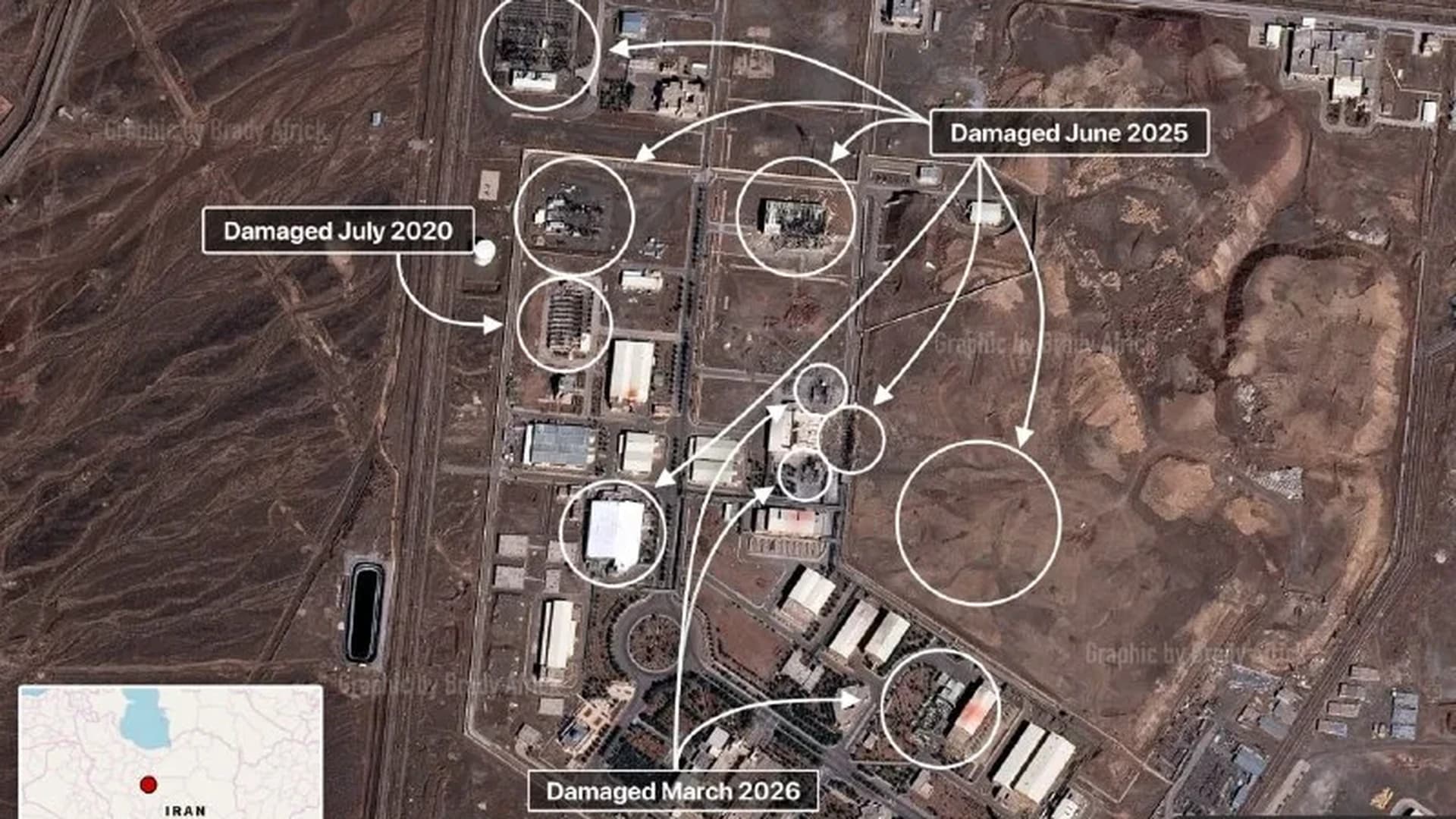
How a Stablecoin Funded Moldova's 2026 Election
Geopolitics · Sep 19, 2026

The Hidden Gold Demand Behind the $6,000 Target
Markets · Sep 17, 2026
Latest from The Board
79 Years of UFO Lies, Roswell to the Pentagon
Defense & Security · Sep 29, 2026
How CENTCOM Is Brokering an Israel-Saudi Pact
Defense & Security · Sep 19, 2026
Why the Pentagon Pulled Its Iran War Plans Offline
Defense & Security · Sep 19, 2026
How a Stablecoin Funded Moldova's 2026 Election
Geopolitics · Sep 19, 2026
The Hidden Gold Demand Behind the $6,000 Target
Markets · Sep 17, 2026
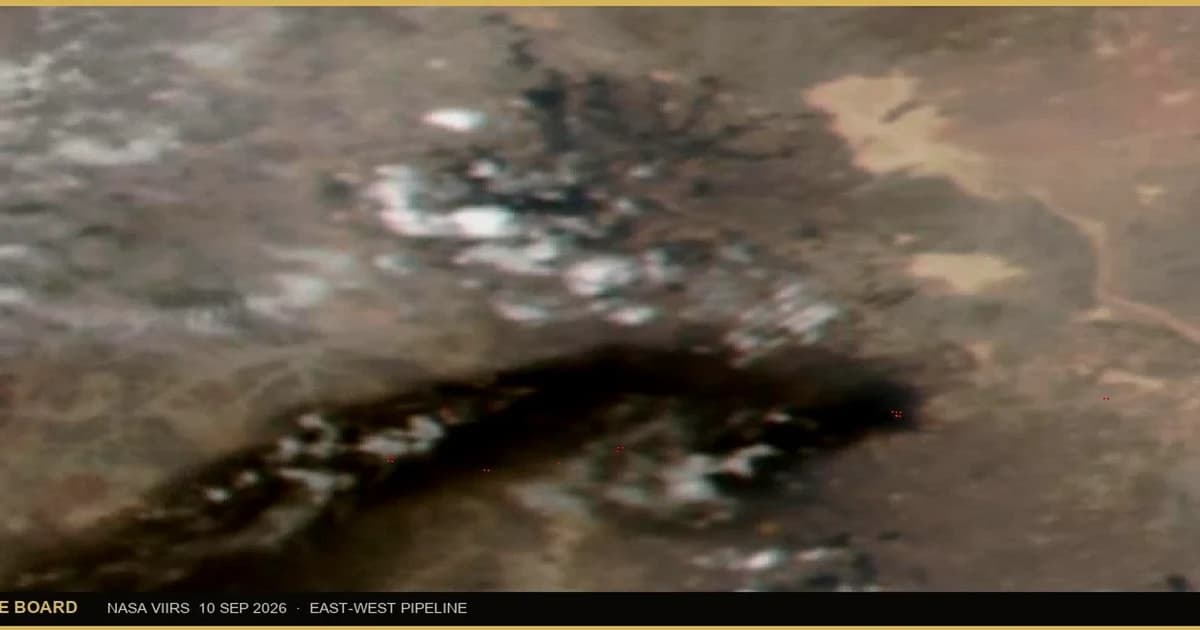
Houthis Take Perim as Saudis Halt Pipeline 2026
Geopolitics · Sep 13, 2026

Epstein Intelligence Ties: Evidence vs Allegation in 2026
Policy & Intelligence · Sep 6, 2026
What Israel-Iran War Games Got Wrong About 2026
Defense & Security · Sep 6, 2026