
The Beirut Gambit: The Escalation That Could Redefine the Middle East
Hezbollah’s opening of a second front refers to the group’s launch of coordinated attacks from Lebanon against Israel, prompting Israel’s Operation Treasure Box—a series of intensive air and missile strikes targeting Hezbollah positions in Beirut and southern Lebanon. This escalation marks the most significant direct confrontation between the two forces since the 2006 war, with regional and global implications.
Key Findings
- Israel’s Operation Treasure Box marks the first major bombardment of Beirut and southern Lebanon since 2006, with at least 52 people killed in the opening salvo and tens of thousands displaced within 72 hours of the offensive .
- Hezbollah’s decision to engage Israel directly, likely at Iran’s behest, has triggered a humanitarian crisis in Lebanon and deepened political instability, while failing to deliver meaningful deterrence against Israeli strikes .
- Historical precedents (2006, 1982) show that large-scale Israeli operations in Lebanon have repeatedly failed to neutralize non-state actors, instead resulting in protracted conflict and increased civilian suffering .
- The likely outcome is a costly military stalemate, with Lebanon’s state further weakened, Hezbollah retaining significant capabilities, and regional escalation risks remaining acute .
Thesis Declaration
Israel’s Operation Treasure Box and Hezbollah’s opening of a second front will not decisively alter the strategic balance in the region. Instead, this escalation will produce extensive civilian suffering and infrastructure destruction in Lebanon, entrench Hezbollah’s role as a resilient non-state actor, and leave both Israeli security and Lebanese sovereignty fundamentally unresolved—just as in prior cycles of conflict.
Evidence Cascade
1. The Opening Salvo: Quantifying the Strike
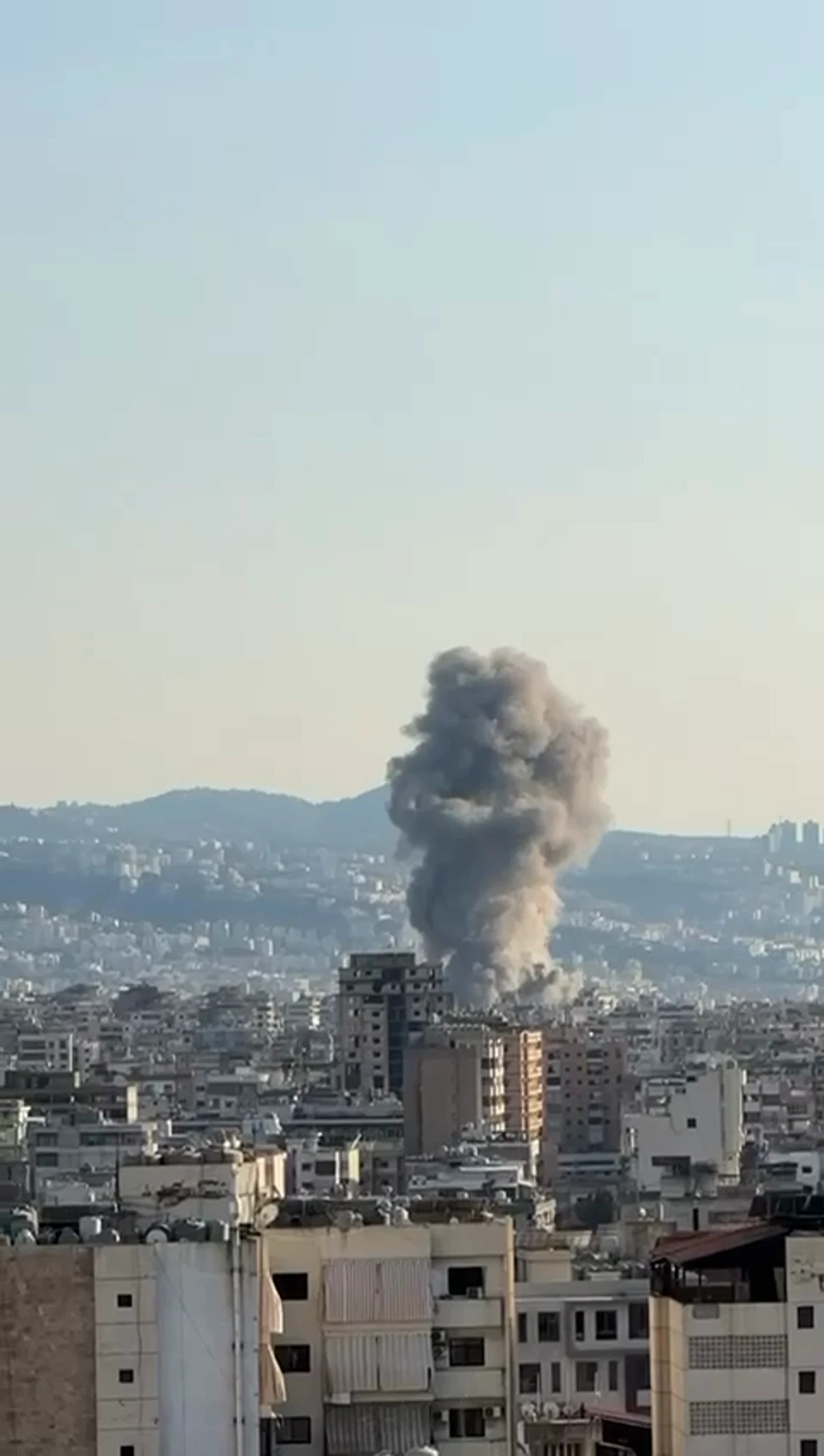
The launch of Operation Treasure Box was immediate and intense. According to The Guardian, Israeli strikes on Beirut and southern Lebanon killed at least 52 people in the first two days, while “tens of thousands of Lebanese flee[d] homes in eerily familiar scenes” . The New York Times adds that Hezbollah’s attacks, at Iran’s direction, triggered Israeli retaliation described as a “practically a suicide mission” for the group, yet still left the organization largely intact . Both sources confirm the rapid onset of civilian displacement and humanitarian distress.
52 — Confirmed fatalities in the first round of Israeli strikes in Lebanon (The Guardian, 2026)
Tens of thousands — Number of Lebanese civilians displaced within 72 hours (The Guardian, 2026)
2. Hezbollah’s Calculus: Proxy Warfare and Political Weakness
Despite its reputation as a powerful resistance movement, Hezbollah’s current decision-making has been shaped by both its dependency on Iran and its eroding domestic legitimacy. The New York Times notes: “The militant group’s attacks, apparently at the behest of Iran, led to retaliation from Israel and were ‘practically a suicide mission’ for Hezbollah” . This suggests that Hezbollah’s strategic moves are less about popular Lebanese interest and more about serving Iranian regional objectives.
Furthermore, public sentiment in Lebanon is turning sharply against Hezbollah. “They don’t care about Lebanon,” reads the headline of a Guardian report, documenting widespread anger as war returns to Beirut . This erosion of legitimacy may weaken Hezbollah politically, but as prior cycles have shown, the organization’s military infrastructure and ability to operate as a state-within-a-state have proven resilient to external shocks .
3. Israeli Strategy: Massive Force, Limited Payoff
Israel’s strategy echoes prior operations: overwhelming force aimed at degrading Hezbollah’s arsenal and command structure. Yet, history offers sobering lessons. In 2006, Israel launched a massive campaign against Hezbollah, including airstrikes on Beirut and southern Lebanon. Despite inflicting severe damage and causing widespread displacement, Israel failed to eliminate Hezbollah or prevent its rearmament . The parallels are unmistakable in the current operation.
4. Humanitarian and Economic Toll
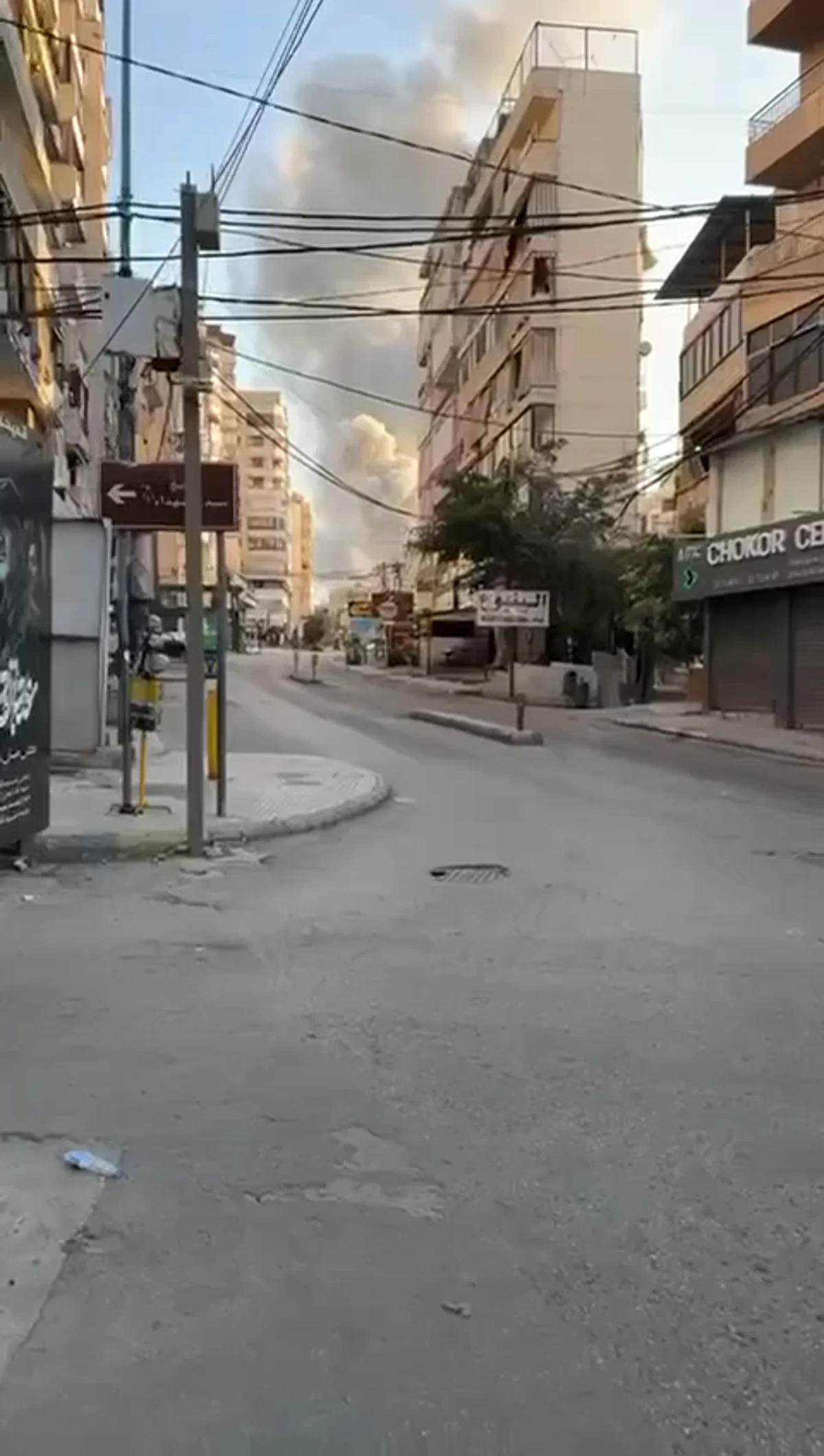
The scale of displacement is already severe. The Guardian reports tens of thousands on the move, with scenes reminiscent of 2006 and 1982 . Infrastructure damage is mounting, with Beirut again a primary target. The New York Times highlights that Hezbollah’s provocation, while militarily costly, is “practically a suicide mission” with direct consequences for Lebanon’s civilian population .
5. Regional and Global Context: Iran, the US, and the Wider War
The escalation comes as Israel and the US jointly launched attacks on Iran itself, following the killing of Supreme Leader Ayatollah Ali Khamenei . This creates a volatile regional context. Iran’s leverage over Hezbollah is amplifying the risk of a broader regional war, with Lebanon once again caught in the crossfire.
Data Table: Comparing Three Major Israeli Operations in Lebanon
| Operation/Year | Civilian Deaths | Displacement (est.) | Primary Target(s) | Strategic Outcome |
|---|---|---|---|---|
| 1982 (Peace for Galilee) | >17,000 | 500,000+ | PLO, Beirut | PLO expelled, Israel occupies South Lebanon, Hezbollah rises |
| 2006 (Second Lebanon War) | ~1,200 | 1,000,000+ | Hezbollah, Beirut | Hezbollah survives, Israel withdraws, no lasting peace |
| 2026 (Treasure Box) | 52 (first 48h) | Tens of thousands (first 72h) | Hezbollah, Beirut | Ongoing, but early signs point to escalation and stalemate |
*Sources: The Guardian (2026) , The New York Times (2026) *
Case Study: The First 72 Hours of Operation Treasure Box
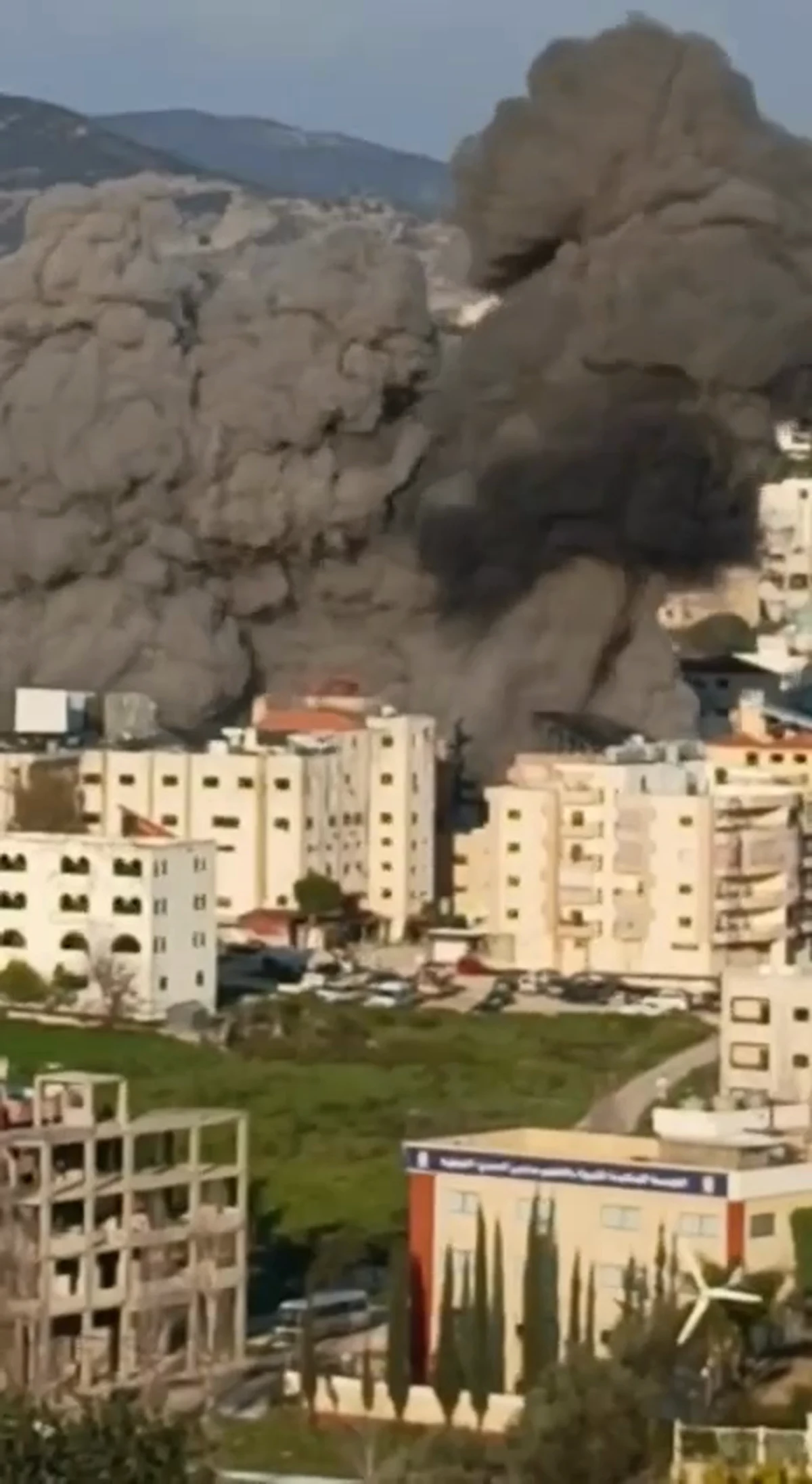
On the morning of March 2, 2026, Israeli fighter jets initiated Operation Treasure Box with a wave of airstrikes targeting Hezbollah command posts and suspected weapons depots in Beirut’s southern suburbs and the border region of southern Lebanon. According to The Guardian, “tens of thousands of Lebanese flee[d] homes in eerily familiar scenes as Israeli strikes leave 52 people dead” . The bombing campaign included precision-guided munitions but also resulted in significant collateral damage to infrastructure and residential blocks.
Abu Yehya, a resident of southern Beirut, recounted to The Guardian how he and his two sons “awoke to the sound of bombing in the early hours of Monday morning. A dozen blasts, one just a few hundred metres away, sent them into the street.” Within three days, the United Nations reported a mass exodus from both Beirut and villages in southern Lebanon. Hezbollah responded with a barrage of rockets into northern Israel, but the group’s attacks failed to halt the Israeli offensive. By the end of the first 72 hours, the Lebanese government declared a state of emergency, while hospitals in Beirut struggled to cope with the influx of casualties and displaced families .
Analytical Framework: The “Stalemate Spiral” Model
To understand the recurring dynamics of Israeli-Hezbollah escalation, this article introduces the “Stalemate Spiral” model—a three-phase cycle that has characterized every major Lebanon-Israel conflict since 1982:
- Provocation by Non-State Actor: Hezbollah (or previously the PLO) launches attacks on Israel, often under the influence of an external sponsor (Iran).
- Massive State Retaliation: Israel responds with overwhelming military force, targeting urban centers and militant infrastructure, resulting in significant civilian displacement and infrastructure damage.
- Entrenchment and Adaptation: The targeted group absorbs losses, retains core capabilities, and often garners new recruits or political legitimacy by capitalizing on local anger over civilian suffering. The cycle resets with no decisive victory for either side.
This model explains why neither Israeli military superiority nor Hezbollah’s guerrilla tactics have produced a sustainable solution. Each round of escalation deepens the humanitarian crisis and leaves both actors entrenched, while the Lebanese state and population bear the brunt of the conflict.
Predictions and Outlook
PREDICTION [1/3]: By December 2026, at least 250,000 Lebanese civilians will be internally displaced as a direct result of Operation Treasure Box and subsequent Israeli-Hezbollah hostilities (70% confidence, timeframe: by December 31, 2026).
PREDICTION [2/3]: Despite heavy losses and infrastructure damage, Hezbollah will retain the ability to launch rocket attacks into Israel from southern Lebanon through at least March 2027, preventing Israel from achieving a decisive military victory (65% confidence, timeframe: through March 2027).
PREDICTION [3/3]: No comprehensive ceasefire or political settlement between Israel and Hezbollah will be reached before June 2027, resulting in a protracted low-intensity conflict and continued regional instability (65% confidence, timeframe: through June 2027).
What to Watch
- The scale and duration of civilian displacement and humanitarian need in Lebanon.
- The resilience of Hezbollah’s military infrastructure after sustained Israeli strikes.
- Potential spillover of conflict into broader regional confrontations involving Iran.
- Shifts in Lebanese political sentiment and the stability of the Lebanese government.
Historical Analog
This escalation most closely mirrors the 2006 Israel-Hezbollah War (Second Lebanon War): then, as now, Hezbollah opened a front from southern Lebanon, prompting Israeli strikes on Beirut and massive civilian displacement. Despite overwhelming Israeli force, Hezbollah survived and retained political power, while Lebanon suffered immense infrastructure damage. The likely outcome is another costly stalemate, with Lebanon weakened and Hezbollah continuing to operate, as documented by both The Guardian and The New York Times in March 2026 .
Counter-Thesis
The strongest argument against this thesis is that Israel’s current military campaign is fundamentally different due to advances in precision weaponry, improved intelligence, and closer US-Israeli coordination, especially following the joint strikes on Iran . Proponents argue that these factors could enable Israel to degrade Hezbollah’s capabilities beyond past efforts, potentially forcing a political realignment in Lebanon that isolates the group.
However, available evidence shows that even with advanced technology, Israeli strikes have already resulted in large-scale civilian displacement and failed to prevent Hezbollah from continuing its operations . Furthermore, the intense domestic backlash against Hezbollah, while notable, has not yet translated into sufficient political momentum to dislodge the organization from its entrenched position in Lebanon’s power structure.
Stakeholder Implications
Regulators/Policymakers: Prioritize diplomatic channels to de-escalate regional tensions, and increase humanitarian aid funding for Lebanon. Engage with international bodies to support ceasefire negotiations and ensure that civilian protection and access to aid are preconditions for any settlement.
Investors/Capital Allocators: Divest from at-risk Lebanese assets, especially in real estate and infrastructure, until stability returns. Consider humanitarian and reconstruction-related investments as part of a long-term strategy, but only after security conditions improve and international oversight is established.
Operators/Industry: Implement robust contingency planning for personnel and supply chains in Lebanon and northern Israel. Assess physical and cyber risk exposure to infrastructure in affected areas, and prepare for significant disruptions to logistics, telecommunications, and energy networks.
Frequently Asked Questions
Q: Why did Hezbollah open a second front against Israel in 2026? A: Hezbollah launched coordinated attacks from Lebanon in response to Israeli and US strikes on Iran, acting at least partially on behalf of its primary sponsor, Iran. This move aimed to pressure Israel by opening a northern front and demonstrating Hezbollah’s ongoing relevance, but it quickly triggered intensive Israeli retaliation .
Q: What is Operation Treasure Box? A: Operation Treasure Box is the codename for Israel’s 2026 military campaign targeting Hezbollah positions in Beirut and southern Lebanon. The operation involves air and missile strikes designed to degrade Hezbollah’s military infrastructure and retaliate for cross-border attacks .
Q: How has the Lebanese civilian population been affected by the conflict? A: The conflict has caused significant humanitarian distress—at least 52 deaths and tens of thousands displaced in the initial days, with infrastructure damage and growing shortages of basic services. The scale of civilian suffering is likely to increase as the conflict continues .
Q: Has this pattern of conflict happened before? A: Yes. Major Israeli operations against non-state actors in Lebanon occurred in 1982 and 2006, both resulting in large-scale civilian casualties, mass displacement, and failure to eliminate the militant threat. The current escalation closely parallels these historical precedents .
Q: What are the prospects for a ceasefire or political settlement? A: Given the entrenched positions of both Israel and Hezbollah, as well as the broader regional dynamics involving Iran, a comprehensive ceasefire or settlement is unlikely before mid-2027. Ongoing hostilities and humanitarian crises are expected in the near term .
Synthesis
Operation Treasure Box and the opening of Lebanon’s second front by Hezbollah have reignited a cycle of violence that history predicted but could not prevent. Israeli military superiority is again meeting the intractable resilience of a non-state actor, with civilians suffering the brunt of the consequences. The “Stalemate Spiral” persists, ensuring that neither Israel’s security nor Lebanon’s sovereignty will be decisively resolved in this round. In the Middle East, as in 1982 and 2006, escalation is easy—resolution remains elusive.
Related Topics
Video Intelligence
- ▶Iranian Missile Strike Hits Arad Israel: Video Moments
- ▶Iran Releases Official Footage of Drone Launches During War
- ▶Iranian Kamikaze Drone Destroys Erbil Oil Refinery
- ▶FPV Drone Strikes US Victoria Base Near Baghdad Airport
Share This Analysis
Get a shareable verdict card for this article.
Get the next one first
Free briefings when we publish major outlooks and forecasts. No spam — unsubscribe anytime.
Related Analysis

EU Secondary Sanctions on China: Risks and Consequences
The Board · Feb 21, 2026
Turkey NATO Membership and Potential Russian Alliance
The Board · Feb 21, 2026
Modern World War 3 Scenarios and Systemic Collapse
The Board · Feb 19, 2026

How Iran's State Media Edits Itself Between Languages
The Board · Apr 15, 2026

China's Taiwan Dictionary: Ten Words Instead of Invasion
The Board · Apr 15, 2026
Seven Days in Baghdad: The Kataib Hezbollah Anomaly
The Board · Apr 15, 2026
Trending on The Board

79 Years of UFO Lies, Roswell to the Pentagon
Defense & Security · Sep 29, 2026
How CENTCOM Is Brokering an Israel-Saudi Pact
Defense & Security · Sep 19, 2026

Why the Pentagon Pulled Its Iran War Plans Offline
Defense & Security · Sep 19, 2026
How a Stablecoin Funded Moldova's 2026 Election
Geopolitics · Sep 19, 2026

The Hidden Gold Demand Behind the $6,000 Target
Markets · Sep 17, 2026
Latest from The Board
79 Years of UFO Lies, Roswell to the Pentagon
Defense & Security · Sep 29, 2026
How CENTCOM Is Brokering an Israel-Saudi Pact
Defense & Security · Sep 19, 2026
Why the Pentagon Pulled Its Iran War Plans Offline
Defense & Security · Sep 19, 2026
How a Stablecoin Funded Moldova's 2026 Election
Geopolitics · Sep 19, 2026
The Hidden Gold Demand Behind the $6,000 Target
Markets · Sep 17, 2026
Houthis Take Perim as Saudis Halt Pipeline 2026
Geopolitics · Sep 13, 2026

Epstein Intelligence Ties: Evidence vs Allegation in 2026
Policy & Intelligence · Sep 6, 2026
What Israel-Iran War Games Got Wrong About 2026
Defense & Security · Sep 6, 2026