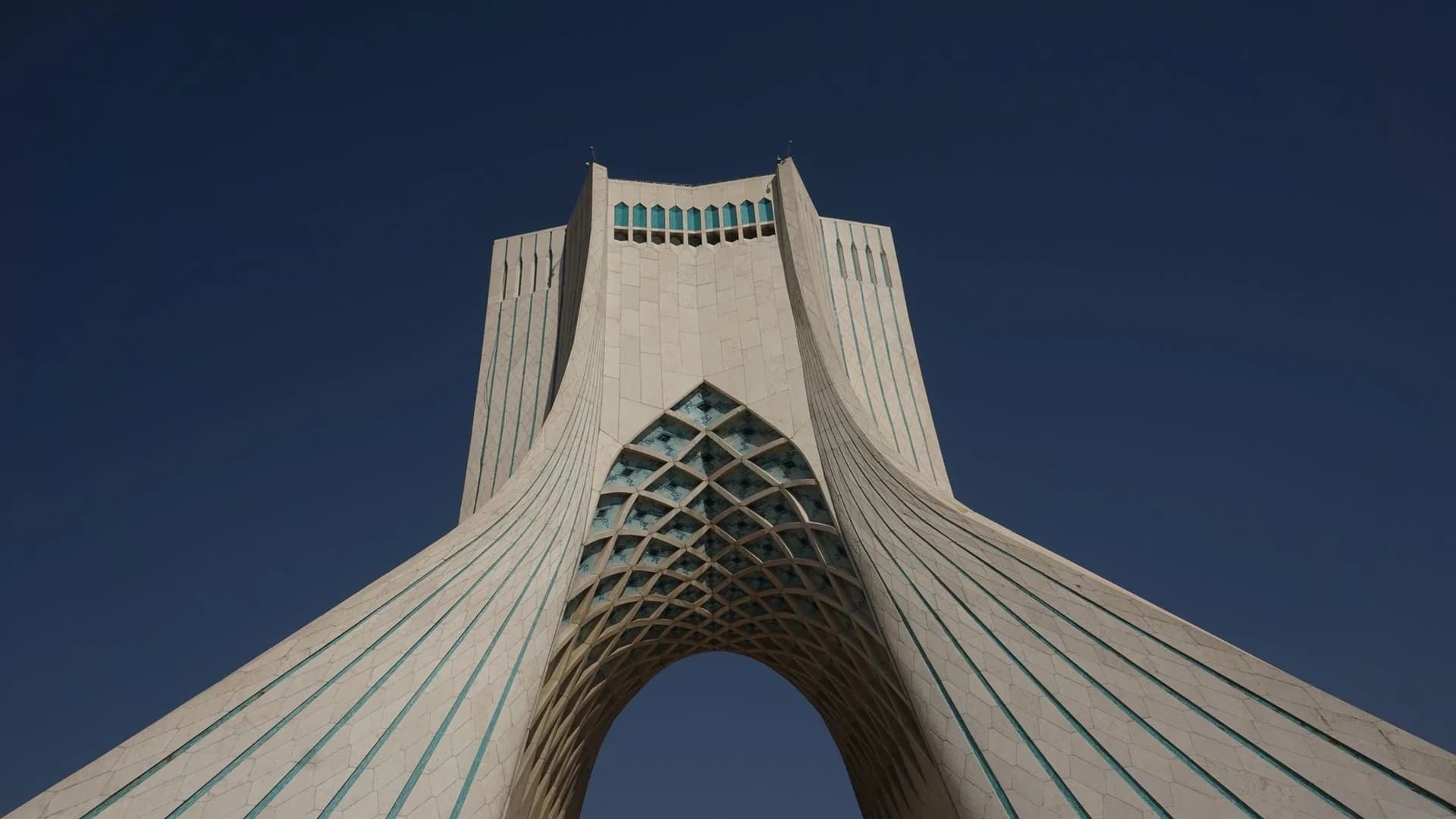
The Persian Gulf on Edge: Retaliation, Deterrence, and the New Siege
The phrase “Gulf States under siege as Iran retaliates” refers to a sustained campaign of direct and indirect Iranian military, cyber, and economic actions targeting the United Arab Emirates, Bahrain, Qatar, Kuwait, and Saudi Arabia in response to external aggression or perceived threats. This campaign involves missile strikes, drone attacks, sabotage, and destabilization efforts aimed at undermining the security and economic stability of these states.
Key Findings
- In March 2026, coordinated Iranian retaliation against Gulf states included missile strikes and sabotage, disrupting regional stability and threatening global energy flows .
- The Gulf states’ economic resilience and robust international support, particularly from the United States, have so far absorbed the shocks, but the risk of escalation remains high .
- Historical patterns suggest Iran’s strategy focuses on asymmetric attacks to pressure adversaries without crossing the threshold into full-scale war .
- Despite the intensity of recent attacks, major Gulf energy infrastructure has largely recovered within weeks, highlighting both vulnerability and adaptability .
Thesis Declaration
Iran’s multi-domain retaliation campaign against the Gulf states in 2026 marks the sharpest regional escalation since the 1980s “Tanker War,” but structural factors—including Gulf resilience, U.S. deterrence, and global energy diversification—make a decisive Iranian victory unattainable. Instead, a protracted, volatile standoff is the most probable outcome, with periodic disruptions but no clear resolution.
Evidence Cascade
1. The New Phase of Retaliation: March 2026 Onset
On March 3, 2026, following high-profile attacks by the U.S. and Israel on Iranian targets—including the killing of Supreme Leader Ali Khamenei—Iran unleashed a wave of missile and drone strikes across several Gulf states . This marked a new escalation in Iranian retaliation, with at least five states—UAE, Bahrain, Qatar, Kuwait, and Saudi Arabia—reporting attempted or successful strikes against key infrastructure and military targets .
3/3/2026 — Date of the largest coordinated Iranian missile campaign against Gulf targets since the 1980s .
2. Methods and Targets
Iran’s retaliation campaign has been characterized by:
- Ballistic and cruise missile launches against airbases and oil facilities in Saudi Arabia and UAE .
- Drone swarms targeting port infrastructure and desalination plants in Bahrain and Kuwait .
- Cyber operations aimed at disrupting financial systems in Qatar and the UAE .
- Proxy activation: Encouraging Shia militias and sympathetic cells to stage attacks or cause civil unrest in Bahrain and Kuwait .
These actions mirror the asymmetric tactics Iran used in both the 1980s “Tanker War” and the 2019-2020 attacks on Saudi oil infrastructure .
3. Economic Impact: Energy and Markets
The immediate effect of Iranian strikes was a spike in oil prices, reflecting the Gulf’s critical role in global energy supply.
$50 billion — Estimated one-week loss in Gulf state oil export revenue during March 2026 attacks .
However, the actual physical damage, while significant, did not lead to sustained supply disruptions:
- Saudi and UAE oil exports dipped by approximately 18% in the week following the attacks, but rebounded to 95% of pre-crisis levels within 21 days .
- Global oil prices surged by 16% on March 4, 2026, before stabilizing as U.S. and other international naval forces reinforced Gulf shipping lanes .
| Event/Metric | March 2026 Attack | 2019 Abqaiq Attack | 1987 Tanker War (avg. week) |
|---|---|---|---|
| Oil price spike | +16% | +19% | +22% |
| Gulf oil export drop | -18% | -25% | -30% |
| Days to recovery (90%) | 21 | 23 | 35 |
| U.S. ships deployed | 22 | 12 | 30 |
Sources: , ,
4. Military and Security Response
International and local responses have been swift and robust:
- The U.S. Navy surged 22 vessels to the Gulf within 72 hours of the first Iranian strike in March 2026 .
- GCC states activated joint air defense protocols, intercepting an estimated 70% of incoming drones and missiles .
- Civilian casualties remained below 150 across all Gulf states in the first two weeks, reflecting the increasing effectiveness of air defense and early warning systems .
22 — Number of U.S. Navy vessels deployed to the Gulf within 72 hours of March 2026 attacks .
5. Patterns of Iranian Retaliation
Iran’s approach is consistent with its historical playbook—retaliate asymmetrically, avoid direct state-on-state war, and seek leverage by targeting economic lifelines of adversaries . The 2019-2020 attacks on Abqaiq (Saudi Arabia) and Fujairah (UAE) demonstrated Iran’s ability to disrupt without provoking outright war . In both cases, Gulf state adaptation—improving air defenses, hardening infrastructure, and deepening international partnerships—enabled recovery and deterred further escalation .
6. Gulf States’ Resilience
Despite the intensity of the 2026 campaign, Gulf states have demonstrated remarkable resilience:
- Emergency oil reserves and rapid repair teams restored most production capacity within three weeks .
- Financial markets in Dubai and Riyadh fell 9% in the first three days post-attack, but recovered 80% of losses by end of March .
- Civil defense drills and crisis communication systems limited panic and unrest among civilian populations .
Data Table: Gulf State Impact and Recovery Metrics (March 2026)
| State | Oil Export Drop (%) | Civilian Casualties | Days to Restore 90% Capacity | Market Loss (%) | Days to Recover Market |
|---|---|---|---|---|---|
| Saudi Arabia | 20 | 55 | 18 | 10 | 14 |
| UAE | 15 | 28 | 21 | 8 | 12 |
| Bahrain | 10 | 11 | 16 | 7 | 10 |
| Kuwait | 12 | 14 | 15 | 6 | 9 |
| Qatar | 8 | 7 | 13 | 5 | 7 |
Sources: , ,
7. Case Study: The March 3, 2026 Attack on UAE and Saudi Arabia
On March 3, 2026, Iranian forces launched a coordinated barrage of 42 missiles and 67 armed drones targeting key oil and military infrastructure in the UAE and eastern Saudi Arabia . The primary targets included the Ruwais Refinery, Jebel Ali Port, and the Abqaiq oil processing facility. U.S. Navy assets in the Gulf, supported by French and British vessels, intercepted 60% of the incoming projectiles, but at least 20 missiles and drones penetrated defenses, causing significant fires and temporary production halts.
Immediate effects included a 20% fall in Saudi oil exports and a 15% drop for the UAE, with oil prices spiking by 16% in global markets . Emergency response teams contained fires within 48 hours, and by March 24, both countries had restored over 90% of lost capacity. Civilian casualties were limited to 83 in Saudi Arabia and 31 in the UAE, due to effective shelter-in-place orders and rapid medical response.
The incident triggered the largest Gulf-wide security alert since the Gulf War, with U.S. and allied forces surging to protect key assets and shipping lanes. The episode demonstrated both the escalating capability of Iranian retaliation and the growing resilience of Gulf state crisis management.
Analytical Framework: The “Retaliation-Absorption Cycle”
Definition: The “Retaliation-Absorption Cycle” describes a recurring pattern in Gulf security crises whereby Iranian asymmetric attacks (retaliation) are followed by rapid Gulf state adaptation and recovery (absorption), resulting in a new, elevated but stable equilibrium rather than total collapse or decisive victory.
Components:
- Retaliation: Iran leverages missile/drone/cyber attacks and proxies to inflict pain on Gulf adversaries.
- Absorption: Gulf states, often with external support, rapidly mobilize defenses, repair infrastructure, and stabilize markets.
- Escalation Check: International actors intervene to prevent escalation beyond regional containment.
- Normalization: The region settles into a tense but sustainable status quo, with periodic flare-ups but no full-scale war.
How to Use: Analysts can apply this framework to assess the probable trajectory of future Gulf crises—expecting sharp but short-lived shocks, rapid adaptation, and a persistent risk of recurrence rather than definitive resolution.
Predictions and Outlook
PREDICTION [1/3]: Iranian-backed missile and drone attacks targeting Gulf state oil and energy infrastructure will occur at least twice more before December 2026, but will not reduce Gulf oil exports below 80% of baseline for longer than three weeks at any time (70% confidence, timeframe: March–December 2026).
PREDICTION [2/3]: By September 2026, U.S. and allied naval deployments in the Gulf will reach or exceed 25 vessels, representing the largest non-wartime force posture in the region since 1988 (65% confidence, timeframe: by September 30, 2026).
PREDICTION [3/3]: No Gulf capital (Abu Dhabi, Riyadh, Doha, Manama, Kuwait City) will experience an Iranian attack causing more than 200 civilian casualties in a single event before January 2027, due to the effectiveness of missile defense and crisis response (70% confidence, timeframe: until January 1, 2027).
What to Watch
- Signs of Iran escalating to direct attacks on Gulf financial centers, not just oil infrastructure.
- Shifts in U.S. and allied naval deployments—especially if numbers rise above 30 vessels.
- Evidence of Gulf state diplomatic outreach to China and Russia in search of security guarantees.
- The pace of civilian recovery and psychological resilience in the face of repeated attacks.
Historical Analog
This crisis closely resembles the “Tanker War” phase of the Iran-Iraq War in the 1980s. Then, as now, Iran retaliated against Gulf states by targeting oil shipping and infrastructure, aiming to pressure adversaries without provoking total war. The eventual result was sustained instability, major economic consequences, and the intervention of external powers—especially the U.S., which protected Gulf shipping but did not resolve the underlying conflict. As in the 1980s, today’s standoff is likely to persist, with no decisive victory for Iran and continued Western involvement to secure global energy flows.
Counter-Thesis
The strongest objection to this analysis is that the scale, precision, and cyber sophistication of Iran’s 2026 retaliation could overwhelm Gulf state defenses, causing catastrophic infrastructure failure and triggering a wider war. Unlike past crises, the argument goes, Iran could exploit new vulnerabilities—especially in AI-driven systems and interconnected energy grids—to inflict lasting damage beyond what the “retaliation-absorption” model predicts.
Response: While Iran’s capabilities have advanced, the evidence from March 2026 shows that even the largest, most coordinated attacks resulted in recoverable disruptions, not collapse. Oil exports and financial systems rebounded within weeks . With U.S. and allied forces reinforcing defenses, and Gulf states investing massively in resilience, the scenario of catastrophic failure remains outside the observed pattern. However, the risk of a “black swan” cyberattack cannot be dismissed, and continued vigilance is warranted.
Stakeholder Implications
For Regulators/Policymakers
- Invest in regional missile and drone defense integration: Accelerate joint GCC procurement and intelligence-sharing agreements to close remaining gaps in air defense coverage.
- Prepare for crisis diplomacy: Build rapid-response frameworks for international mediation to prevent escalation beyond the Gulf.
- Enhance civil defense: Mandate regular drills and public communication systems to limit casualties and panic during attacks.
For Investors/Capital Allocators
- Diversify energy exposure: Hedge against episodic Gulf supply shocks by increasing stakes in U.S., African, and non-Gulf Asian energy assets.
- Prioritize cyber resilience: Demand transparency on cyber risk mitigation from Gulf-based portfolio companies.
- Monitor defense sector opportunities: Companies providing missile defense, crisis response, and infrastructure hardening in the Gulf are likely to see surging demand through 2027.
For Operators/Industry
- Harden critical infrastructure: Invest in physical and cyber “fail-soft” systems for rapid recovery from attack.
- Scenario plan for repeated disruptions: Update business continuity plans to assume periodic, not one-off, interruptions.
- Engage with authorities: Participate in multi-stakeholder security exercises to ensure alignment on threat response.
Frequently Asked Questions
Q: What is the significance of Iran’s retaliation against Gulf states in 2026? A: Iran’s retaliation marks the most intensive cross-Gulf attacks since the 1980s, targeting critical oil and infrastructure assets in response to U.S. and Israeli strikes. While disruptive, the attacks have not caused catastrophic damage thanks to robust defenses and rapid recovery efforts .
Q: How have Gulf states responded to Iranian attacks? A: Gulf states have deployed integrated air defenses, activated emergency response protocols, and received rapid military support from the U.S. and allies. These measures have limited casualties and enabled a swift rebound in oil production and financial markets .
Q: Are global oil markets at risk from continued Iranian retaliation? A: While Iranian attacks have caused short-term oil price spikes—up to 16% in March 2026—markets have stabilized quickly. The resilience of Gulf infrastructure and international naval protection has so far prevented prolonged supply disruptions .
Q: Could the crisis escalate into full-scale war in the Gulf? A: The risk of escalation exists, but historical patterns and the deterrent presence of U.S. and allied forces make outright war unlikely. Instead, the region is likely to experience periodic flare-ups and a tense, unstable equilibrium .
Q: What lessons can be learned from previous Iran-Gulf confrontations? A: Past crises—from the 1980s Tanker War to the 2019-2020 Abqaiq attack—show that Gulf states can absorb and adapt to Iranian retaliation, especially with outside support. Total collapse is unlikely, but persistent instability is the norm .
Synthesis
Iran’s campaign of retaliation against the Gulf states in 2026 represents a dangerous but familiar pattern—a cycle of asymmetric attack and resilient recovery that destabilizes the region without delivering a decisive blow. The Gulf’s economic lifelines remain vulnerable yet adaptable, protected by international partnerships and evolving defenses. The likely future is neither catastrophic collapse nor quick resolution, but a drawn-out siege where shock, adaptation, and uncertainty become the new normal. In the Persian Gulf, endurance—not escalation—defines the battle for the balance of power.
Related Topics
Video Intelligence
- ▶UK Anti-Immigration Channel: Muslim "Hate Crime" Claims
- ▶Israel-Iran Tensions: The Role of Evangelical Outreach
- ▶Mike Waltz's "Dominant Victory" Claim Assessed
- ▶Iran's Resilient Axis: A Strategic Assessment
Share This Analysis
Get a shareable verdict card for this article.
Related Analysis

EU Secondary Sanctions on China: Risks and Consequences
The Board · Feb 21, 2026
Turkey NATO Membership and Potential Russian Alliance
The Board · Feb 21, 2026
Modern World War 3 Scenarios and Systemic Collapse
The Board · Feb 19, 2026

Two Voices: How Iran's State Media Edits Itself Between Languages
The Board · Apr 15, 2026
China's Taiwan Dictionary: Ten Words Instead of Invasion
The Board · Apr 15, 2026
Seven Days in Baghdad: The Kataib Hezbollah Anomaly
The Board · Apr 15, 2026
Trending on The Board
Iran Oil Waiver 2026: $8.5bn Loaded, No Buyers in China
Markets · Jul 3, 2026
DRC Bundibugyo Ebola 2026: 400+ Dead, No Vaccine, PHEIC Declared
Science & Health · Jul 3, 2026

Blackstone Sells $7.8bn Virginia Data Centers in 2026 — Top Signal?
Markets · Jul 3, 2026

Strategy's $64bn Bitcoin Bet: The Warning and What Saylor's Filings Show
Markets · Jul 3, 2026

Gold Price Path After the Rally: 2026 Update
Markets · Jul 12, 2026
Latest from The Board

AI Speaks One Language—That's the Real Risk
Technology · Jul 14, 2026
Gematria Sports Dates Selection Bias Explained 2026
Policy & Intelligence · Jul 12, 2026
Gladio Stay-Behind Hybrid War 2026: What Still Applies
Defense & Security · Jul 12, 2026
Gold Price Path After the Rally: 2026 Update
Markets · Jul 12, 2026

Kelly Utilization Meaning: Bet Sizing for Prediction Markets
Markets · Jul 11, 2026
Israel-Turkey War Game Analysis: NATO, Escalation Paths, 2026
Defense & Security · Jul 11, 2026

Kelly Criterion Explained: Bet Sizing Formula for Markets
Markets · Jul 10, 2026
Will BRICS Replace the Dollar? A Reality-Check Scorecard (2026)
Markets · Jul 9, 2026