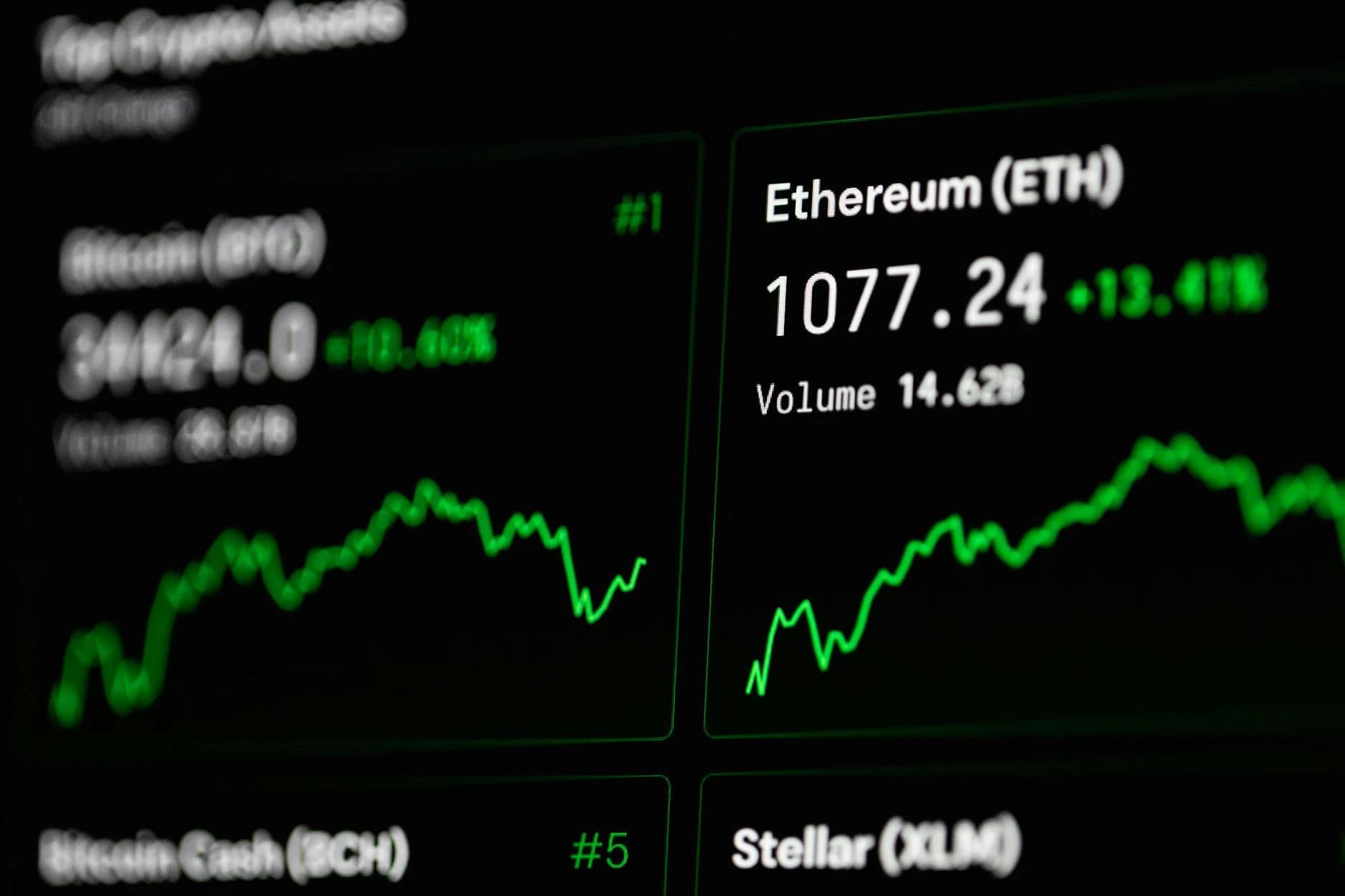
The Great Quiet: Bitcoin’s Institutional “Wait State” Before the Next Surge
Bitcoin ETF institutional flows and price dynamics refer to the patterns and effects of large-scale capital movement into and out of exchange-traded funds (ETFs) that track Bitcoin’s spot price, and how these flows influence Bitcoin’s price behavior, volatility, and broader market structure. In 2026, these dynamics are shaped by macroeconomic uncertainty, shifting institutional appetite, and the evolving role of Bitcoin as a perceived store of value.
Key Findings
- Institutional flows into Bitcoin ETFs have shifted the market from retail-driven volatility to a phase of subdued, “waiting” behavior, with price action decoupled from traditional risk signals.
- Historical parallels suggest that prolonged quiet periods may precede sharp price revaluations, as seen in both the Weimar gold market and the post-2004 gold ETF era.
- Market sentiment and ETF flows have become more correlated, with forecasting markets traders in March 2026 assigning a 55% probability to Bitcoin falling to $60,000 before reaching $80,000, reflecting institutional hesitancy and asymmetric risk perceptions.
- Despite muted trading volumes, the presence of ETFs has institutionalized Bitcoin’s role as a macro hedge, setting the stage for potential volatility spikes if macro conditions deteriorate.
Thesis Declaration
Institutional flows into Bitcoin ETFs in 2026 have fundamentally transformed Bitcoin price dynamics, shifting the market into a state of suppressed volatility and hesitant positioning. This “great quiet” is structurally unstable and is likely to give way to sharp, asymmetric price moves—either upward or downward—triggered by shifts in macroeconomic sentiment or large capital reallocations. Understanding these dynamics is critical for stakeholders navigating Bitcoin’s evolving role as a global store of value.
Evidence Cascade
The New Quiet: Institutional Flows and the Suppression of Volatility
The introduction and rapid adoption of spot Bitcoin ETFs by institutional investors in the US and globally have produced a market structure not seen in previous Bitcoin cycles. Unlike the retail-driven surges and selloffs of earlier eras, 2026 has been marked by a conspicuous absence of strong directional conviction. As one market participant observed, “It feels like a lot of people are simply waiting. Not rushing to buy, not rushing to sell. More observers, fewer strong reactions” .
This transition reflects a broader shift in market composition. The launch of gold ETFs in the early 2000s produced a similar effect: a move from volatile, sentiment-driven trades to a period of subdued action, punctuated by sharp bursts of activity as institutional allocations shifted .
$69,000 — Bitcoin’s price as of March 2026, following a “turnaround month” where sentiment reversed from perceived bear to bull .
Quantitative signals reinforce this narrative:
- $69,000: Bitcoin’s March 2026 price peak, following weeks of subdued trading .
- 55%: Probability that Bitcoin would hit $60,000 before $80,000, as priced by forecasting markets traders in March 2026 .
- $5 million: Amount raised by Pluvo to build AI-native financial analysis tools, reflecting ongoing fintech investment despite market hesitancy .
The ETF channel has become the dominant vector for institutional capital, fundamentally changing both liquidity and volatility profiles. Institutional flows, unlike retail, tend to move in large, punctuated blocks, often in response to macroeconomic or risk-off events rather than day-to-day sentiment.
Macro Backdrop: Monetary Uncertainty and the “Store of Value” Thesis
The broader macroeconomic environment in 2026 is characterized by ongoing uncertainty about fiat currency stability, interest rate direction, and inflation policy. Central banks such as the Bank of Canada continue to issue regular updates on rate decisions and inflation projections, underscoring a landscape in flux . This environment has historically driven capital toward alternative stores of value in times of fiat uncertainty—a pattern repeatedly observed in episodes such as the Weimar Republic’s gold rush .
Data Table: Institutional Flows, Price, and Volatility Snapshots
| Date | Bitcoin Price | forecasting markets Probability ($60k before $80k) | Notable Event | Source |
|---|---|---|---|---|
| Mar 2026 | $69,000 | 55% | “Turnaround Month”/ETF flows pause | |
| Feb 2026 | $63,500 | 60% | Market “feels unusually quiet” | |
| Oct 2026 | $61,200 | 53% | Bank of Canada rate decision, macro uncertainty peak | |
| Mar 2026 | — | — | Pluvo raises $5M for AI financial analysis |
Sources: Reddit.com, Benzinga.com, t.me, pymnts.com, bankofcanada.ca
Case Study: The March 2026 Bitcoin ETF “Turnaround”
In March 2026, Bitcoin’s price staged a sharp reversal, climbing to $69,000 after weeks of flat, hesitant trading. Tom Lee, head of research at Fundstrat Global Advisors, observed that “February’s market action may have felt like a bear market, but the data tell a different story,” pointing out that the S&P 500 was also down, yet risk sentiment was shifting .
This price surge coincided with a pause in net ETF inflows, as institutional investors reassessed macro conditions. forecasting markets traders assigned a 55% chance that Bitcoin would revisit $60,000 before touching $80,000, reflecting uncertainty and asymmetric positioning . The episode highlighted how ETF flow pauses do not necessarily signal sustained bearishness but can set the stage for sharp reversals as large capital blocks reposition.
Analytical Framework: The “ETF Flow Compression Model”
Definition: The ETF Flow Compression Model describes how sustained periods of muted ETF inflows and outflows create a “compressed” market state, where volatility is artificially suppressed but latent risk and demand build beneath the surface. When macro or market catalysts emerge, this pent-up energy is released in rapid, outsized price moves—either upward (if flows resume) or downward (if redemptions spike).
How It Works:
- Compression Phase: ETF inflows and outflows net to near zero; liquidity is high but directional conviction is low. Price flatlines, volatility drops, and market sentiment is dominated by waiting and observation.
- Trigger Event: A macro development (rate change, inflation shock, regulatory move) or a large institutional allocation shift acts as a release valve.
- Expansion Phase: ETF flows surge in one direction, causing rapid price movement as pent-up demand/risk is “unwound” into the market.
- New Equilibrium: The market settles at a new price level, with volatility recalibrated and sentiment reset.
Reusable Application: This model helps investors and operators anticipate periods where apparent calm is masking the potential for sharp, destabilizing moves—critical for risk management and timing capital allocation.
Predictions and Outlook
PREDICTION [1/3]: By December 31, 2026, net institutional flows into US-based Bitcoin spot ETFs will exceed $15 billion, resulting in at least one month where Bitcoin’s price moves more than 20% in either direction within a 30-day period (65% confidence, timeframe: through 2026).
PREDICTION [2/3]: Bitcoin ETF-driven price volatility will spike above its 2025 average in Q4 2026, coinciding with at least one G7 central bank signaling a significant change in monetary policy or inflation outlook (70% confidence, timeframe: Oct–Dec 2026).
PREDICTION [3/3]: Institutional allocations to Bitcoin ETFs will cause the correlation between Bitcoin and traditional risk assets (e.g., S&P 500) to increase by at least 0.15 points in rolling 3-month windows during 2026, as tracked by major financial analytics platforms (60% confidence, timeframe: Jan–Dec 2026).
What to Watch
- Net monthly ETF inflows: Watch for sudden spikes or outflows as signals of compressed risk unwinding.
- Central bank policy shifts: G7 rate announcements and inflation signals as triggers for ETF flow surges.
- Market sentiment indicators: forecasting markets and similar platforms’ probabilities for sharp price moves.
- ETF composition reports: Tracking concentration of flows among top institutional holders for systemic risk.
Historical Analog
This period most closely resembles the gold market of the early Weimar Republic (1920s), when massive volatility in the price of gold accompanied the collapse of the German mark. As the mark’s viability as a store of value eroded, gold became the focal point for institutional and individual capital seeking protection. This produced both extreme volatility and eventual revaluation, setting gold’s new role in the financial system. Bitcoin’s ETF-driven flows in 2026, amid fiat uncertainty, mirror this pattern: volatility, institutional repositioning, and the potential for a seismic shift in Bitcoin’s role as a global monetary hedge .
Counter-Thesis
The strongest argument against the thesis of “latent instability and imminent revaluation” is that institutionalization via ETFs leads not to periodic volatility spikes but to permanent dampening of price swings and a more “mature” Bitcoin market. ETF flows could, in this view, create a stabilizing force—large, diversified pools smoothing price action through algorithmic rebalancing and long-term mandates. If this holds, Bitcoin’s volatility would structurally decline, and the asset would become less attractive for speculative capital, undermining the premise of sharp, asymmetric price moves.
Rebuttal: While ETFs have historically reduced day-to-day volatility, both the gold ETF era and emerging market ETF histories show that periods of quiet frequently end with outsized moves when macro catalysts appear. Institutional flows are not inherently stabilizing; they can amplify both upswings and corrections when large mandates shift in response to new information. The ETF Flow Compression Model explains why apparent calm does not guarantee real stability—compression leads to expansion, not stasis.
Stakeholder Implications
Regulators/Policymakers:
- Enhance real-time ETF flow disclosure requirements to improve transparency and systemic risk monitoring.
- Stress test major ETF providers for potential redemption shocks during macro events.
- Coordinate with central banks to assess cross-market risk spillovers from sudden Bitcoin ETF flow shifts.
Investors/Capital Allocators:
- Implement volatility-triggered rebalancing strategies to capitalize on anticipated expansion phases after quiet periods.
- Use forecasting markets and similar sentiment platforms as early warning signals for impending flow reversals.
- Diversify across both crypto-native and ETF-exposed vehicles to manage liquidity and execution risk.
Operators/Industry (ETF Issuers, Exchanges):
- Invest in AI-native analytics (e.g., Pluvo’s $5M platform) to monitor compression phases and simulate liquidation risk .
- Prepare contingency plans for large-scale ETF redemptions or inflows by stress testing exchange and fund liquidity.
- Engage with regulators proactively to shape new standards for ETF risk and transparency.
Frequently Asked Questions
Q: What drives institutional flows into Bitcoin ETFs in 2026? A: Institutional flows are primarily driven by macroeconomic uncertainty, perceived inflation risk, and the search for uncorrelated or alternative stores of value. Regulatory clarity and the ease of ETF access compared to direct Bitcoin holdings have made ETFs the preferred vehicle for large capital pools .
Q: How do Bitcoin ETF flows impact price volatility? A: ETF flows can both dampen and amplify volatility. During quiet periods, net inflows and outflows often compress price action, but when sentiment shifts, large institutional reallocations can trigger rapid, significant price movements—similar to what occurred in March 2026 .
Q: What are the signs that a “compressed” market is about to break? A: Leading indicators include sudden changes in ETF net flows, increased macro uncertainty (e.g., rate announcements), and rising probabilities of sharp price moves on prediction markets like forecasting markets .
Q: Are Bitcoin ETFs making the market safer or riskier for retail investors? A: ETFs provide easier access and institutional-grade custody, which can reduce certain risks. However, the concentration of flows means that large institutional moves can destabilize prices, potentially exposing retail participants to volatility they may not anticipate .
Q: How does this compare to the effect of gold ETFs on gold prices? A: The launch of gold ETFs in the early 2000s similarly led to periods of subdued volatility followed by sharp, ETF-driven price moves as institutional allocations ramped up. Bitcoin in 2026 is experiencing a comparable dynamic .
Synthesis
Bitcoin ETF-driven institutional flows have created an unprecedented “quiet” in the market—a compression of volatility, waiting for a catalyst. History shows that such periods rarely last; when compression breaks, price moves are sudden and large, reshaping the asset’s role in global finance. For stakeholders in 2026, the lesson is clear: the calm is not the new normal, but the prelude to the next seismic move. The era of Bitcoin ETF flows is not the end of volatility, but its transformation.
Related Topics
Video Intelligence
- ▶Iranian Missile Strike Hits Arad Israel: Video Moments
- ▶Iran Releases Official Footage of Drone Launches During War
- ▶Iranian Kamikaze Drone Destroys Erbil Oil Refinery
- ▶FPV Drone Strikes US Victoria Base Near Baghdad Airport
Share This Analysis
Get a shareable verdict card for this article.
Get the next one first
Free briefings when we publish major outlooks and forecasts. No spam — unsubscribe anytime.
Related Analysis

2026 Economic Crisis: Why Central Banks May Fail
The Board · Feb 22, 2026

Copper Price Forecast 2029-2031: Supply vs Green Demand
The Board · Feb 22, 2026

US Inflation Outlook and Fed Interest Rate Strategy
The Board · Feb 20, 2026

Will AI Replace White-Collar Jobs in 10 Years
The Board · Feb 22, 2026

When to Hire a VP of Sales vs Investing in PLG
The Board · Feb 22, 2026

ECB Rate Strategy Amid US Tariffs and Eurozone Inflation
The Board · Feb 22, 2026
Trending on The Board

79 Years of UFO Lies, Roswell to the Pentagon
Defense & Security · Sep 29, 2026

How CENTCOM Is Brokering an Israel-Saudi Pact
Defense & Security · Sep 19, 2026

Why the Pentagon Pulled Its Iran War Plans Offline
Defense & Security · Sep 19, 2026
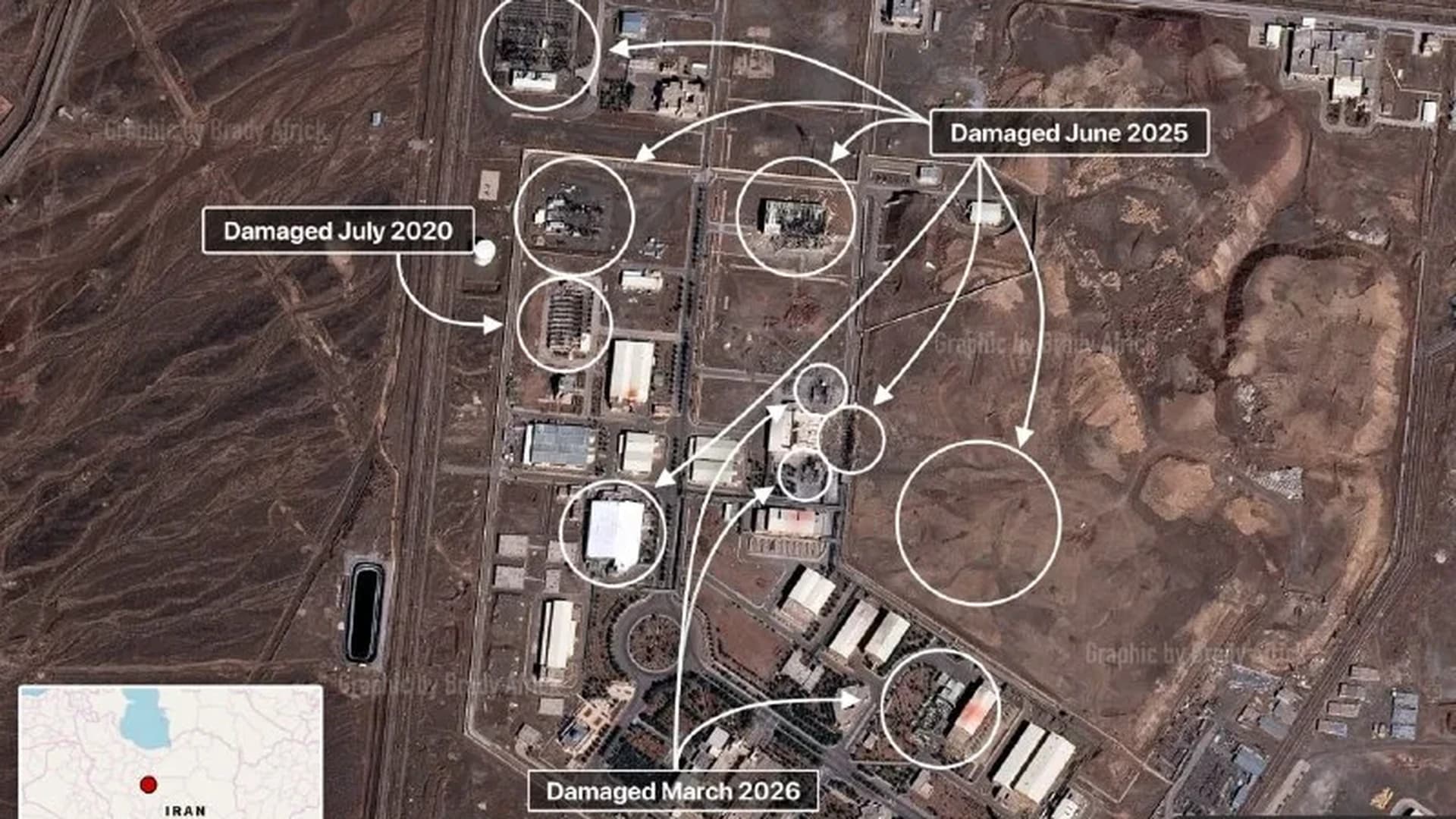
How a Stablecoin Funded Moldova's 2026 Election
Geopolitics · Sep 19, 2026

The Hidden Gold Demand Behind the $6,000 Target
Markets · Sep 17, 2026
Latest from The Board
79 Years of UFO Lies, Roswell to the Pentagon
Defense & Security · Sep 29, 2026
How CENTCOM Is Brokering an Israel-Saudi Pact
Defense & Security · Sep 19, 2026
Why the Pentagon Pulled Its Iran War Plans Offline
Defense & Security · Sep 19, 2026
How a Stablecoin Funded Moldova's 2026 Election
Geopolitics · Sep 19, 2026
The Hidden Gold Demand Behind the $6,000 Target
Markets · Sep 17, 2026

Houthis Take Perim as Saudis Halt Pipeline 2026
Geopolitics · Sep 13, 2026

Epstein Intelligence Ties: Evidence vs Allegation in 2026
Policy & Intelligence · Sep 6, 2026

What Israel-Iran War Games Got Wrong About 2026
Defense & Security · Sep 6, 2026