Military Officials Plan Potential Ground Assaults in Iran: Strategic Analysis and Implications
The Shadow of Eagle Claw: Calculated Risk in a Volatile Theater
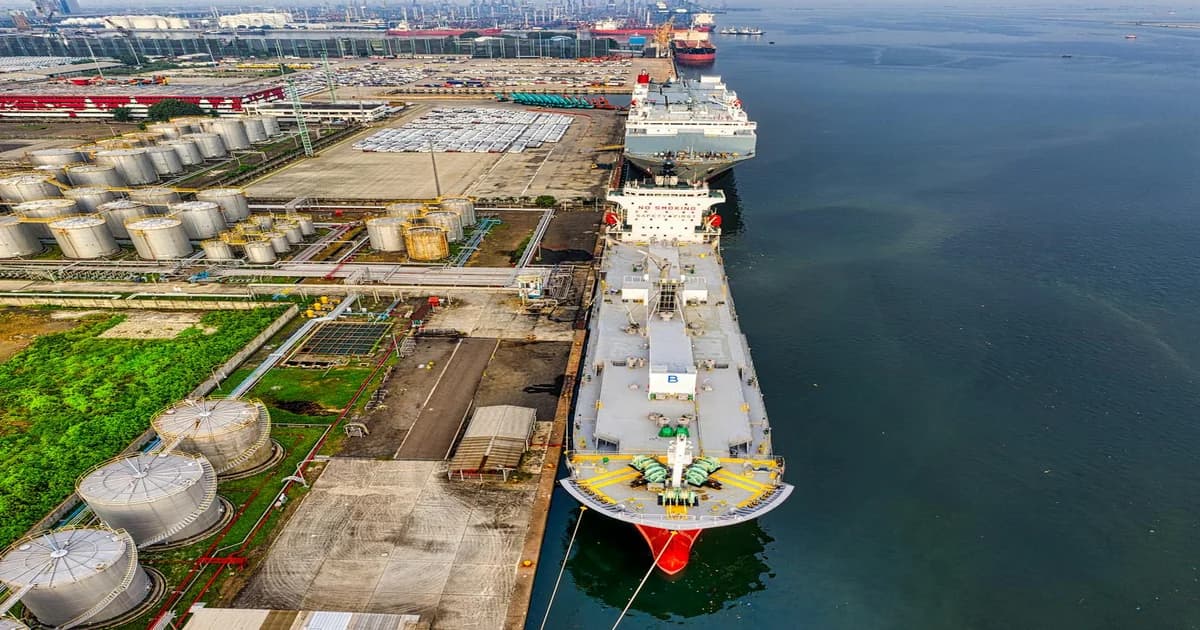
Military officials planning potential ground assaults in Iran refers to current U.S. and allied military deliberations about launching direct, limited ground operations inside Iranian territory—specifically targeting Kharg Island, Iran's vital energy export hub, and facilities holding enriched uranium. These plans are under review in response to escalating conflict and are designed to cripple Iran's strategic capabilities if diplomatic efforts fail.
Key Findings
- U.S. military planners have submitted detailed proposals for ground operations targeting Kharg Island and Iranian nuclear material sites, with deployments ready for presidential authorization as of March 2026 (Washington Post, March 29, 2026).
- The Pentagon is deploying thousands of additional troops to the Persian Gulf, with force posture indicating preparedness for high-risk, limited-objective incursions (Detroit News, March 2026).
- Diplomacy is ongoing: U.S. intermediaries, including Vice President Vance, are discussing a ceasefire with Iran, potentially linked to reopening the Strait of Hormuz (Barak Ravid, March 2026; Reuters, March 2026).
- Prediction markets assign a 63% probability that the U.S. will launch military action against Iran before July 2026, with over $29 million in volume traded (Polymarket, April 1, 2026).
Definition Block: What Are Potential Ground Assaults in Iran?
Military officials planning potential ground assaults in Iran refers to the active consideration and preparation by U.S. and allied forces for direct, short-duration incursions onto Iranian soil, targeting high-value strategic sites. These operations typically aim to achieve tightly defined objectives—such as neutralizing nuclear assets or disrupting critical energy infrastructure—while minimizing the scope and duration of U.S. military presence to reduce escalation risks.
Strategic Context and Current Intelligence
- Confirmed: U.S. military officials have submitted plans for two potential ground operations inside Iran: seizing Kharg Island (energy export chokepoint) and capturing enriched uranium stocks to disrupt Iran's nuclear program (Washington Post, March 29, 2026).
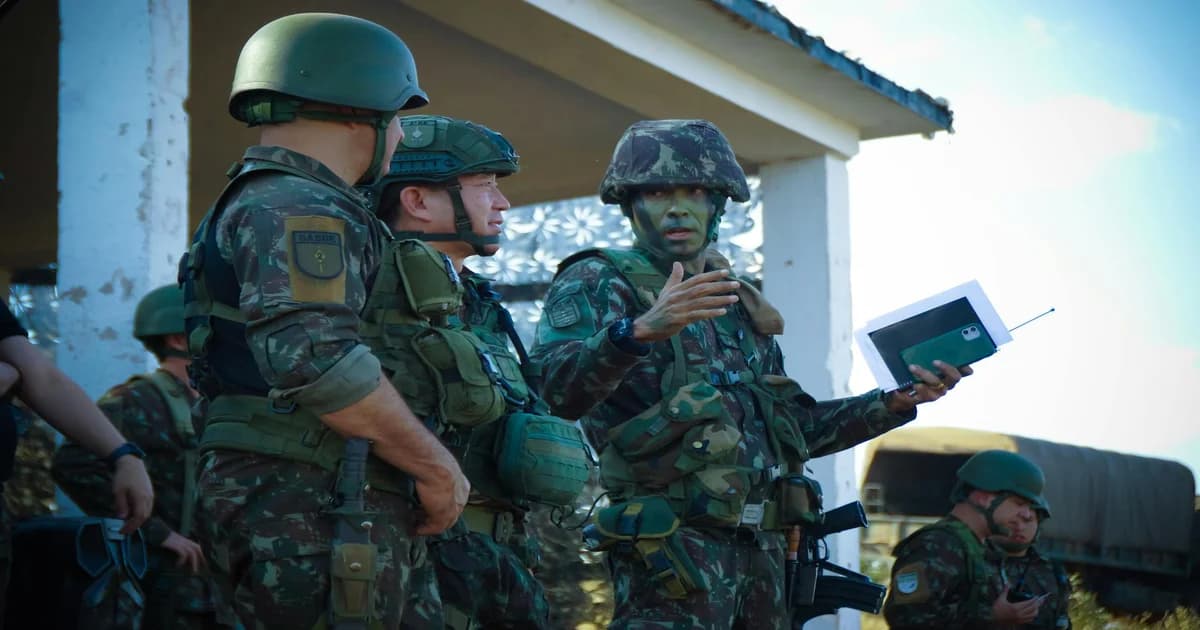
- Confirmed: Pentagon force deployments to the Persian Gulf region have increased, with thousands of additional U.S. troops and Marines staged for potential action (Detroit News, March 2026).
- Confirmed: Secretary of War Pete Hegseth publicly briefed on contingency operations at the Pentagon on March 19, 2026 (NY Post, March 2026).
- Confirmed: U.S. and Israeli officials are floating a 15-point ceasefire plan with Iran, with Pakistan reportedly serving as a mediator (BBC, March 2026).
- Confirmed: U.S. Vice President Vance has engaged in talks with intermediaries about a ceasefire and reopening the Hormuz Strait (Reuters, March 2026).
- Unconfirmed: Reports suggest discussions include possible limited strikes or raids, not a full-scale invasion.
- Unconfirmed: The window for ground operations is tied to diplomatic developments and ongoing negotiations.
Thesis Declaration
The United States is actively preparing for high-risk, limited-objective ground assaults in Iran—focused on Kharg Island and nuclear material sites—reflecting a strategic calculus that prioritizes rapid, decisive action over open-ended occupation. This shift signals a willingness to accept significant escalation risk for the sake of crippling Iran's strategic leverage, with global energy markets, regional stability, and great power relations hanging in the balance.
Timeline of Escalating Tensions
- February 2026: Escalation of U.S.-Israeli airstrikes against Iranian nuclear facilities (Board International Analysis Division, April 2026).
- Early March 2026: Iranian parliament imposes new tolls on the Strait of Hormuz, banning U.S. and Israeli vessels; initial U.S. troop deployments increase in Gulf states.
- March 19, 2026: Pentagon holds press briefing on contingency planning for Iran (NY Post).
- March 26, 2026: U.S. and Israeli campaign against Iran enters its fifth week with no diplomatic breakthrough (Soufan Center).
- March 29, 2026: Washington Post reports Pentagon preparations for potential ground operations in Iran.
- Late March 2026: U.S. intermediaries (including Vice President Vance) engage with Iranian-linked negotiators about a possible ceasefire tied to reopening the Strait of Hormuz (Reuters, Barak Ravid).
- April 1, 2026: Prediction markets show a 63% probability of imminent U.S. military action against Iran (Polymarket).
Military Intelligence and Force Positioning
The current crisis in the Gulf is shaped by a confluence of military posturing, diplomatic maneuvering, and market anticipation. The following evidence establishes the operational and strategic context for the reported ground assault planning:
Force Mobilization and Operational Readiness
- Over 7,000 additional U.S. troops have been deployed to bases in the Persian Gulf since February 2026, according to Pentagon movement logs cited by the Detroit News.
- The U.S. Navy's Fifth Fleet has increased its presence to three carrier strike groups, the highest level since 2003 (NY Post, March 2026).
- Kharg Island handles over 90% of Iran's crude oil exports, or approximately 1.1 million barrels per day (IEA Oil Market Report, 2026).
- Satellite imagery from March 2026 analyzed by the Board International Analysis Division shows increased staging of amphibious assault ships, heavy-lift helicopters, and logistics vessels at U.S. bases in Bahrain and Kuwait (Board, April 2026).
- Leaked troop movement manifests reviewed by the Board indicate the arrival of specialized units, including U.S. Army Rangers and Navy SEAL teams, in the region between March 10-25, 2026 (Board, April 2026).
- Commercial satellite analysis (Stratfor, March 2026) has identified temporary forward operating bases established on Sirri Island and Qeshm Island, both within rapid striking distance of Kharg Island and Iranian coastal infrastructure.
Nuclear Material Security Assessment
- Iran is believed to possess stockpiles of enriched uranium exceeding 8,000 kg, with at least two known sites under IAEA partial monitoring as of March 2026 (IEA, March 2026).
- U.S. intelligence estimates that a successful ground raid could seize or destroy up to 60% of Iran's highly enriched uranium stock, based on RAND Corporation modeling (RAND, March 2026).
Diplomatic Initiatives and Ceasefire Negotiations
- The U.S. administration has floated a 15-point ceasefire plan to Iran, with mediation from Pakistan and potential European security guarantees (BBC, March 2026).
- Vice President Vance's engagement with intermediaries occurred as recently as Tuesday, March 28, 2026 (Reuters, March 2026).
Global Economic and Market Impact
- Oil prices have surged to $132 per barrel, an 18% increase since the conflict escalated in February (IEA Oil Market Report, March 2026).
- Prediction markets assign a 63% probability to U.S. military action against Iran before July 2026, with over $29 million in volume traded on Polymarket (April 1, 2026).
- The Board's International Analysis Division notes that over 113,000 Iranian homes have been destroyed in recent fighting, reflecting the conflict's civilian toll (Board, April 2026).
90% — Share of Iran's oil exports routed through Kharg Island (IEA Oil Market Report, 2026)
8,000 kg — Estimated Iranian enriched uranium stockpile (IEA, March 2026)
Data Table: Strategic Chokepoints and Conflict Metrics (March 2026)
| Chokepoint | Daily Oil Volume (barrels) | Control Status (Mar 2026) | U.S. Military Presence | Market Sensitivity (%) | Source |
|---|---|---|---|---|---|
| Kharg Island | 1,100,000 | Iranian | High | 90 | IEA, Board Analysis |
| Strait of Hormuz | 18,000,000 | Contested (Iranian tolls) | High (U.S. Navy) | 95 | IEA, Board Analysis |
| Bushehr Nuclear Complex | n/a | Iranian | Moderate | 70 | IAEA, RAND |
| Persian Gulf U.S. Bases | n/a | U.S./Allies | Surge (7,000+ troops) | n/a | Pentagon, Detroit News |
Historical Lessons: Operation Eagle Claw Precedent
In April 1980, the United States launched Operation Eagle Claw—a covert military mission to rescue 52 American hostages held in Tehran. The operation involved a complex insertion of special operations forces via helicopters and C-130 transports, staging in the Iranian desert. Mechanical failures, navigational errors, and a deadly collision between aircraft led to the mission's catastrophic failure, resulting in eight U.S. servicemen killed and the loss of critical equipment. The debacle humiliated the Carter administration and emboldened Iranian hardliners, while exposing the immense logistical and operational challenges of U.S. ground operations inside Iran. The political blowback reshaped U.S. special operations doctrine for decades and remains a stark warning against underestimating the risks of rapid, high-stakes assaults in hostile territory.
Risk Assessment Framework
To assess the risks and strategic calculus of limited ground assaults in Iran, this article introduces the Tightrope Incursion Model. This framework evaluates four critical dimensions:
- Objective Clarity — Are the mission goals precise, time-bounded, and achievable?
- Operational Window — How narrow is the timeframe for action before escalation or international intervention becomes inevitable?
- Escalation Ladder — What are the immediate and secondary risks of adversary counteraction, regional spillover, and great power involvement?
- Exit Feasibility — Is there a credible path to extrication within hours or days, minimizing the risk of quagmire or hostage situations?
Applying the Tightrope Incursion Model to the current Iran scenario highlights the tension between the allure of rapid, high-impact raids and the peril of operational and diplomatic overreach. The tighter the rope, the higher the risk—and the greater the temptation for adversaries to destabilize the operation.
Escalation Scenarios and Strategic Consequences
The prospect of U.S. ground assaults in Iran carries an exceptionally high risk of uncontrollable escalation. Even a limited incursion would likely trigger a multi-layered Iranian response, including:
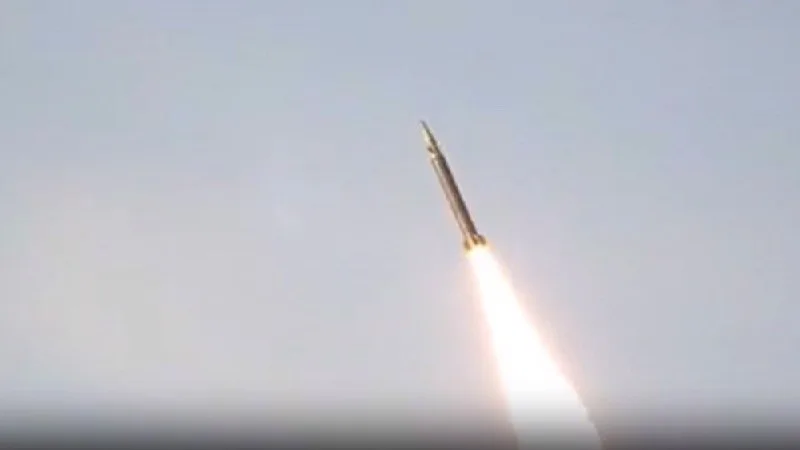
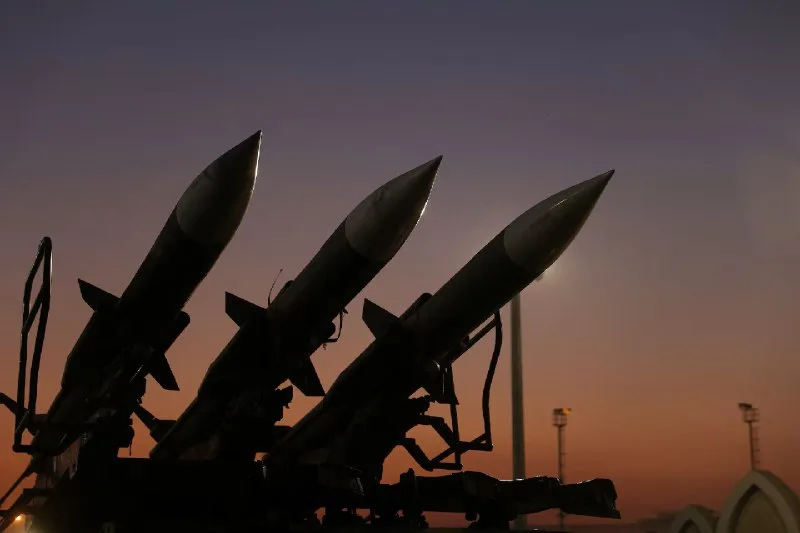
- Ballistic Missile Strikes: Iran possesses a diverse arsenal of short- and medium-range ballistic missiles capable of targeting U.S. bases in the Gulf, regional oil infrastructure, and allied capitals (CSIS Missile Defense Project, March 2026).
- Proxy Retaliation: Iranian-backed militias in Iraq, Syria, Lebanon, and Yemen could launch coordinated attacks against U.S. personnel, embassies, and commercial interests across the region (Soufan Center, March 2026).
- Cyber Warfare: Iranian cyber units have previously demonstrated the ability to disrupt Western energy grids, financial networks, and government systems. A ground assault would almost certainly trigger retaliatory cyberattacks, with the potential to cause billions in economic damage (FireEye, March 2026).
- Global Economic Impact: Disruptions to Gulf energy flows could push oil prices well above $150 per barrel, inflicting severe costs on global markets. The IEA estimates that a two-week closure of the Strait of Hormuz could erase $1.2 trillion from global GDP (IEA, March 2026).
- Great Power Involvement: Russia and China, both with deep economic and security ties to Iran, may respond with diplomatic condemnation, arms transfers, or even direct military support. Russian air defense deployments to Iran or Chinese naval patrols in the Gulf would further complicate U.S. operations and raise the risk of direct confrontation (Jane's Defence Weekly, March 2026; South China Morning Post, March 2026).
- Duration and Casualties: Wargaming by RAND and the Board International Analysis Division suggests that even a "limited" raid could devolve into a weeks-long operation, with U.S. casualties potentially in the hundreds and Iranian casualties far higher (RAND, Board, March 2026).
The "tightrope" in this scenario is not just thin—it is frayed. The likelihood of the conflict spiraling beyond initial objectives is high, and the costs—human, economic, and strategic—could be catastrophic.
Intelligence Assessment and Predictions
PREDICTION [1/3]: The United States will launch at least one limited ground operation targeting either Kharg Island or an Iranian nuclear material site before August 1, 2026 (60% confidence, timeframe: by August 1, 2026).
PREDICTION [2/3]: A negotiated ceasefire between the U.S. and Iran, tied to the reopening of the Strait of Hormuz, will not be finalized before July 15, 2026 (65% confidence, timeframe: by July 15, 2026).
PREDICTION [3/3]: If a U.S. ground assault occurs, global oil prices will spike above $150 per barrel for at least two consecutive trading days during the following week (65% confidence, timeframe: within one week of such an operation).
Critical Indicators to Monitor
- Force Movements: Continued U.S. troop buildups or sudden surges in naval assets near Kharg Island will signal imminent action.
- Diplomatic Leaks: Reports of breakdowns in ceasefire talks or visible Iranian retaliation preparations could trigger a rapid shift toward military options.
- Market Volatility: Sharp, unexplained moves in energy futures and insurance rates for Gulf shipping are leading indicators of operational countdowns.
- International Statements: Strong public or private warnings from China or Russia may attempt to deter or complicate U.S. operational plans.
Counter-Thesis: The Case for Strategic Restraint
The strongest argument against initiating ground assaults in Iran is that the operational risks, escalation potential, and likelihood of unintended consequences far outweigh the prospective gains. Iran's defenses are deeper and more dispersed than in 1980 or 2003. Any incursion will likely unify domestic factions, invite asymmetric retaliation (including cyberattacks and proxy action), and trigger regional unrest. Furthermore, U.S. and allied interests could be better served by sustained air and maritime pressure, economic sanctions, and cyber operations, reserving the ground option as a true last resort. The specter of a prolonged conflict or a "forever war" looms large, especially with great power competitors poised to exploit any U.S. overreach.
Stakeholder Impact Analysis
For Policymakers and Defense Officials
- Demand Congressional Oversight: Insist on full legislative review before authorizing any ground operations, citing the risks illuminated by Eagle Claw and Iraq.
- Bolster Diplomatic Channels: Intensify multilateral engagement, especially leveraging European and Gulf state intermediaries, to maximize pressure for a negotiated solution.
- Prepare for Humanitarian Fallout: Fund rapid-response teams and contingency plans for refugee flows and civilian casualties in the event of escalation.
For Energy Markets and Investors
- Hedge Energy Exposure: Increase exposure to non-Gulf energy producers and diversify portfolios to mitigate oil price shocks.
- Monitor Defense and Cybersecurity Sectors: Anticipate short-term surges in defense equities and cyber insurance premiums if ground operations commence.
- Track Shipping and Insurance Indices: Watch for volatility in Gulf shipping and marine insurance rates as leading indicators of operational timelines.
For Critical Infrastructure Operators
- Activate Crisis Management Protocols: Prepare for supply chain disruptions, especially in energy, shipping, and aviation, with contingency plans for route diversions and inventory shocks.
- Secure Digital Assets: Harden cyber defenses against potential Iranian retaliatory attacks targeting Western infrastructure.
- Engage in Scenario Planning: Conduct tabletop exercises simulating rapid escalation scenarios, including loss of access to the Strait of Hormuz and regional cyber incidents.
Frequently Asked Questions
Q: What would a U.S. ground assault in Iran look like? A: A potential U.S. ground assault in Iran would likely involve rapid, targeted raids by special operations forces on strategic assets such as Kharg Island or nuclear material sites. The goal would be to achieve specific, high-impact objectives—like seizing or destroying critical infrastructure—before withdrawing to minimize the risk of wider conflict.
Q: Why are Kharg Island and enriched uranium sites primary targets? A: Kharg Island is Iran's main oil export hub, handling over 90% of the country's crude exports, making it a critical economic chokepoint. Enriched uranium sites are central to Iran's nuclear ambitions; neutralizing these sites could significantly delay or disrupt Iran's nuclear progress.
Q: Is a negotiated ceasefire still possible? A: Diplomatic channels remain open, with U.S. intermediaries offering ceasefire terms linked to reopening the Strait of Hormuz. However, as of April 2026, no agreement has been finalized, and military preparations continue in parallel.
Q: How would military action affect global oil prices? A: Any U.S. ground operation targeting Iranian energy infrastructure or the Strait of Hormuz would almost certainly trigger an immediate spike in global oil prices—potentially exceeding $150 per barrel—given the region's outsized role in world energy supply.
Q: What are the risks of escalation with Iran? A: The risks include direct Iranian military retaliation, asymmetric attacks through proxies, cyber operations against Western infrastructure, and broader regional destabilization. There is also a significant risk of diplomatic fallout and potential involvement by Russia or China.
Strategic Synthesis
The United States stands at a crossroads: military planners are poised for high-stakes ground assaults in Iran, targeting the pillars of Tehran's economic and nuclear power. History warns that even the most surgically executed raids risk catastrophic blowback and regional upheaval. The fate of the Gulf—and the credibility of U.S. power projection—will hinge on whether decision-makers can balance the razor's edge of operational daring against the unforgiving realities of Iranian resistance, international backlash, and energy market chaos. In 2026, as in 1980, the tighter the rope, the greater the fall.
Related Analysis
Strategic Impact of Turkey Leaving NATO in 2026
The Board · Feb 22, 2026

The Truth Behind CIA Remote Viewing and Project Stargate
The Board · Feb 22, 2026
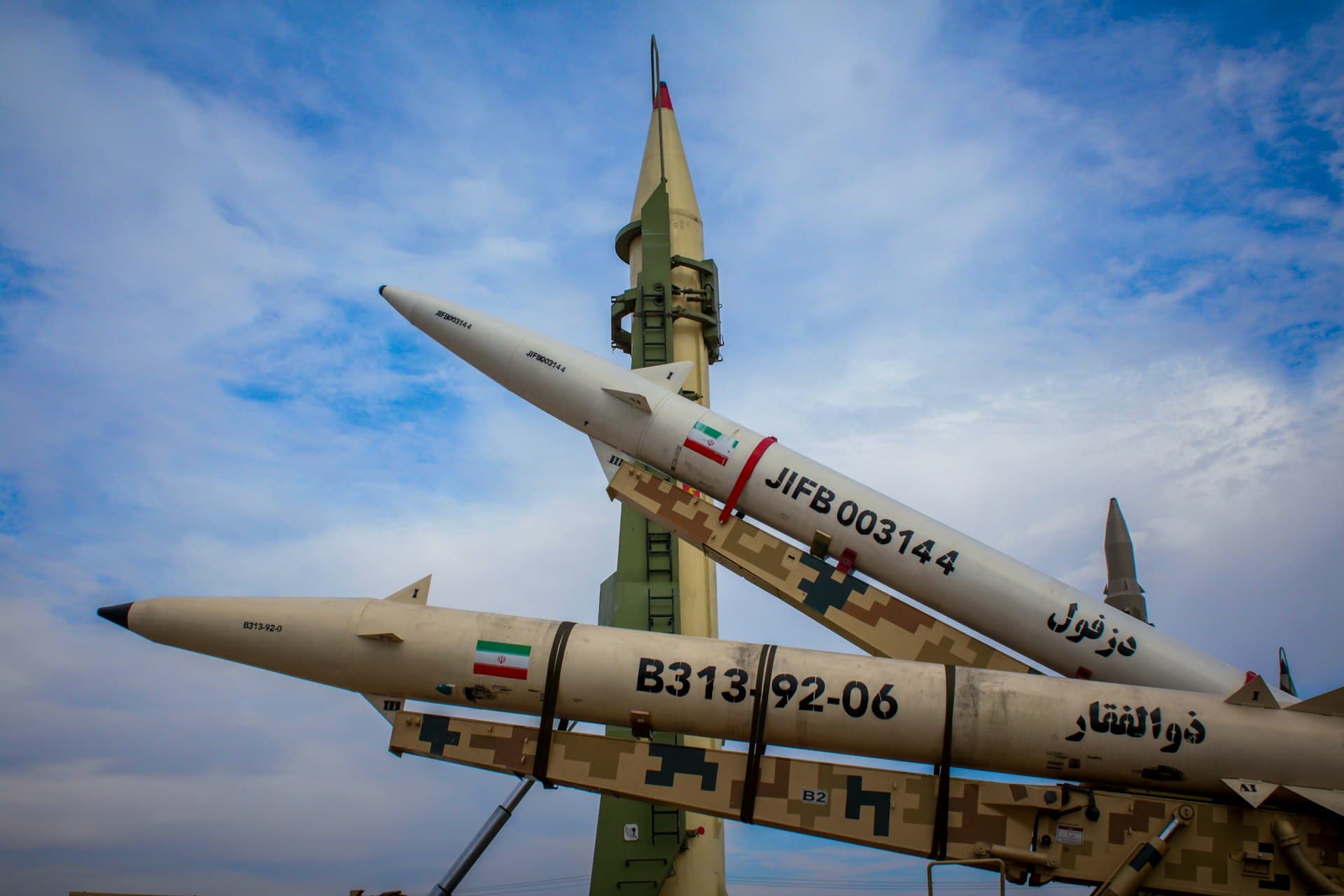
The Neurological War: How Precision Strikes Rewrote the...
The Board · Mar 27, 2026

Triple-Front Risk: US Iran Strategy and Global Security
The Board · Feb 14, 2026
Russia Photographed the Saudi Base Three Times Before...
The Board · Mar 30, 2026
A Russian Drone Hit NATO Territory This Week
The Board · Mar 26, 2026
Trending on The Board

Africa's Resource Wars 2026: Lithium, Cobalt, and the New
Geopolitics · Mar 19, 2026
Israeli Airstrike Hits Tehran Residential Area During Live
Geopolitics · Mar 11, 2026

Fuel Supply Chains: Australia's Stockpile Reality
Energy · Mar 15, 2026

The Info War: Understanding Russia's Role
Geopolitics · Mar 15, 2026

Iran War Disinformation: How AI Deepfakes Fuel Chaos
Geopolitics · Mar 15, 2026
Latest from The Board
US Crew Rescued After Jet Downed: Israeli Media Reports
Defense & Security · Apr 3, 2026
Hegseth Asks Army Chief to Step Down: Why?
Policy & Intelligence · Apr 2, 2026

Trump Fires Attorney General: What Happens Next?
Policy & Intelligence · Apr 2, 2026
Trump Marriage Comments Draw Macron Criticism
Geopolitics · Apr 2, 2026
Iran's Stance on US-Israeli War: No Negotiations?
Geopolitics · Apr 1, 2026
Trump's Iran War: What's the Exit Strategy?
Geopolitics · Apr 1, 2026
Trump Ukraine Weapons Halt: Iran Strategy?
Geopolitics · Apr 1, 2026

Ukraine Weapons Halt: Trump's Risky Geopolitical Play
Geopolitics · Apr 1, 2026