
The strategic "choice" facing Ankara is not between Brussels and Moscow—it is between solvent sovereignty and a capital flight death spiral that no alliance can arrest.
Key Findings
- The “Treasury Kill-Chain” dictates strategy: Turkey’s strategic autonomy effectively ends if foreign exchange (FX) reserves breach the $70 billion floor, triggering a debt service crisis that forces capitulation to whichever power offers immediate liquidity.
- The 72-Hour Credibility Gap: Current U.S. naval response times to the Black Sea exceed 72 hours, leaving the Bosphorus legally under Turkish control but operationally vulnerable to Russian coercion in the event of a rapid "gray zone" escalation.
- The Recursive Collapse Risk: Without a synchronized package of forward-based NATO naval assets and EU economic integration within the next 90 days, Turkey is projected to drift into irreversible "soft defection" driven by market hedging rather than political ideology.
Turkey’s simultaneous return of S-400 missile systems to Russia in December 2025 and its hosting of the NATO summit in July 2026 presents a contradiction that Western analysts frequently misinterpret as "masterful hedging." It is not. It is the erratic behavior of a state trapped in a liquidity vise. The debate over whether Turkey "should" leave NATO ignores the structural reality: Turkey cannot afford to leave NATO, but it currently cannot afford to stay either.
The prevailing assumption—that Turkey’s NATO membership is a geopolitical constant guaranteed by Article 5—is dangerously obsolete. The true binding constraint on Ankara is not the North Atlantic Treaty, but the $70.31 billion trade deficit and the 45% reliance on Russian natural gas that underpins its industrial economy.
This analysis argues that Turkey will not formally defect from NATO. Instead, it faces a liquidity-driven "soft defection" where capital markets force Ankara to cede functional control of the Bosphorus to Russian interests long before any military invasion occurs. Unless NATO transitions from offering "security guarantees" to offering "solvency guarantees" within the next quarter, structural economic forces will invalidate the alliance's southern flank.
The Treasury Kill-Chain
Grand strategy effectively ceases when a nation cannot pay for fuel. While defense analysts focus on the geopolitical "ledger" of NATO vs. Russia, the decisive variable is the Treasury Kill-Chain. This mechanism dictates that economic signals—specifically the pricing of sovereign debt and capital flight—precede and precipitate military incapacity.
Turkey’s tourism sector generated $65.2 billion in 2025 , acting as the primary stabilizer for the Lira. This revenue stream, however, is contingent on the perception of security in the Aegean and Mediterranean. A formal break with NATO would not merely isolate Turkey diplomatically; it would trigger an immediate repricing of Turkish risk by Western institutional investors. Insurance premiums on Turkish sovereign debt would spike, and the central bank—already defending a fragile currency—would face a capital outflow estimated at $25-40 billion within 8 weeks .
The implications are distinct from historical precedent. In previous eras, a state could be militarily strong but economically weak. in 2026, a credit event hitting Turkey when FX reserves are near the $95 billion critical threshold creates an immediate inability to service the military apparatus. If reserves fall below $70 billion, Turkey loses the capacity to sustain the logistical chains required to activate Article 5 defenses. At that point, the Bosphorus stops being a lever Ankara can pull and becomes an asset it must trade for survival.
The Vacuum of Force: Why Geography Requires a Fleet
The diplomatic influence Turkey wields via the Montreux Convention is often described as a "static monopoly." This is a strategic error. A maritime chokepoint is only geopolitical leverage if the gatekeeper can credibly deny passage to a great power. Turkey cannot currently do this alone.
The value of the Bosphorus to NATO is predicated on the assumption that Turkey can hold the strait against Russian pressure until allied reinforcements arrive. However, current naval logistics reveal a fatal force-concentration gap. Russia can mass coercive naval power at the strait entrance within 18 hours. In contrast, the U.S. Sixth Fleet and allied assets, currently distributed across the Mediterranean and Atlantic, have a surge response time exceeding 72 hours .
This gap creates a window of coercion. If Russian naval planners believe they can force a fait accompli in the Black Sea before NATO creates a firing solution, Turkey’s control is theoretical. Consequently, Turkish decision-makers are not reading Article 5; they are reading the fleet disposition. The lack of a permanent, forward-based NATO strike force in the Black Sea signals to Ankara that in a crisis, it will be alone for three days. For a state negotiating with a nuclear neighbor that supplies 45% of its energy, three days is an eternity.
The Second-Order Cascade
The most dangerous threat to Turkey’s alignment is not a singular decision to defect, but a recursive feedback loop of ambiguity. Turkey’s strategy of "hedging"—attempting to extract value from both Russia and NATO—has reached a point of diminishing returns where it generates volatility rather than leverage.
Every contradictory signal—returning S-400s while reaffirming EU candidacy —increases the "ambiguity premium" investors charge to hold Turkish assets. This creates a self-fulfilling prophecy:
- Turkey hedges to deter Russia.
- Markets interpret hedging as instability and withdraw capital.
- Diminished reserves make Turkey more vulnerable to Russian energy blackmail.
- Turkey offers further concessions to Russia to secure energy discounts.
- NATO perceives these concessions as defection and delays support.
This cycle compresses the timeline for collapse. While diplomatic realignments typically take years, a liquidity-driven cascade can occur in 6-8 weeks. If the US Treasury sanctions Turkish financial networks for Hezbollah ties—as signaled by the February 2026 OFAC actions —systemic solvency could evaporate before the July NATO summit begins.
Framework: The Ankara Stability Matrix
To understand the likely trajectory of the Black Sea region, we must analyze the interaction between military visibility and economic integration.
| Low NATO Force Visibility | High NATO Force Visibility | |
|---|---|---|
| Low Economic Integration | The Danger Zone (Current State)<br>Turkey hedges purely for survival. Capital flight accelerates. Soft defection to Russia likely within 12 months. | ** The Mercenary Trap**<br>Turkey hosts NATO bases but acts as a transactional partner. High friction, low trust. Bosphorus is secure but expensive. |
| High Economic Integration | The Hollow Ally<br>Turkey remains economically tied to EU but militarily cowed by Russia. NATO exists on paper; Russia dominates the Black Sea in practice. | Strategic Lock-In (Target State)<br>Capital floods back as risk premium vanishes. Article 5 becomes credible. Russian leverage neutralized by EU energy architecture. |
Current Assessment: Turkey is currently in the Danger Zone. Moving to "Strategic Lock-In" requires simultaneous action: the U.S. must deploy visible naval power (shifting the military axis) and the EU must integrate Turkish banking/energy systems (shifting the economic axis). Doing only one moves Turkey to a suboptimal quadrant where instability persists.
Counterargument: The Case for the Permanent Hedge
Realist scholars often argue that Turkey’s "permanent hedge" is a stable equilibrium, not a crisis . Proponents of this view suggest that Turkey’s geography is so indispensable that NATO will tolerate infinite ambiguity, effectively subsidizing Turkish deviation to prevent a total loss of the Black Sea. They argue that Turkey’s return of the S-400s demonstrates that Ankara knows exactly where the red lines are and will always step back from the brink.
Rebuttal: This view ignores the agency of capital markets. While diplomats may tolerate ambiguity, treasuries do not. The "permanent hedge" assumes that Turkey has an infinite runway of foreign exchange reserves. It does not. With a $70.3 billion trade deficit, Turkey relies on constant inflows of short-term capital. Ambiguity dries up this liquidity. The breakdown of Turkey’s strategy will not come from a diplomatic rupture in Brussels, but from a bond auction failure in Istanbul. NATO can ignore the S-400s; it cannot ignore the bankruptcy of its second-largest army.
What to Watch
The next 90 days are critical. If Turkey does not receive a synchronized signal of military support and economic integration, expect the hedging strategy to collapse into forced alignment with Russia.
- Watch the FX Reserves: If Turkish Central Bank net reserves drop below $70 billion for two consecutive weeks, expect an immediate pivot toward Moscow for emergency liquidity or energy deferments.
- Threshold: $70B within Q2 2026.
- Watch U.S. Naval Posture: Monitor for the deployment of a permanent forward-based strike group to the Black Sea (e.g., Constanta or Varna) rather than rotational visits.
- Metric: A declared change in home-porting or "persistent presence" exceeding 60 days.
- Watch the Grain Corridor: If Russia begins harassing commercial shipping in the "Gray Zone" (just outside territorial waters) and Turkey does not intervene, it signals that Ankara no longer believes it has NATO backing to enforce the Montreux Convention.
Forecasts
- By July 2026 (NATO Summit): Unless a dedicated NATO Black Sea economic package is announced, Turkey will sign a catastrophic energy financing deal with Russia that effectively neutralizes its NATO vote on Black Sea security. Confidence: High (75%).
- By Q4 2026: Meaningful "Soft Defection" will occur not through a treaty exit, but through the operational degradation of Turkish naval readiness due to spare parts shortages and budget cuts, forcing a de facto Russian condominium over the straits. Confidence: Medium-High (65%).
Related Topics
Related Analysis
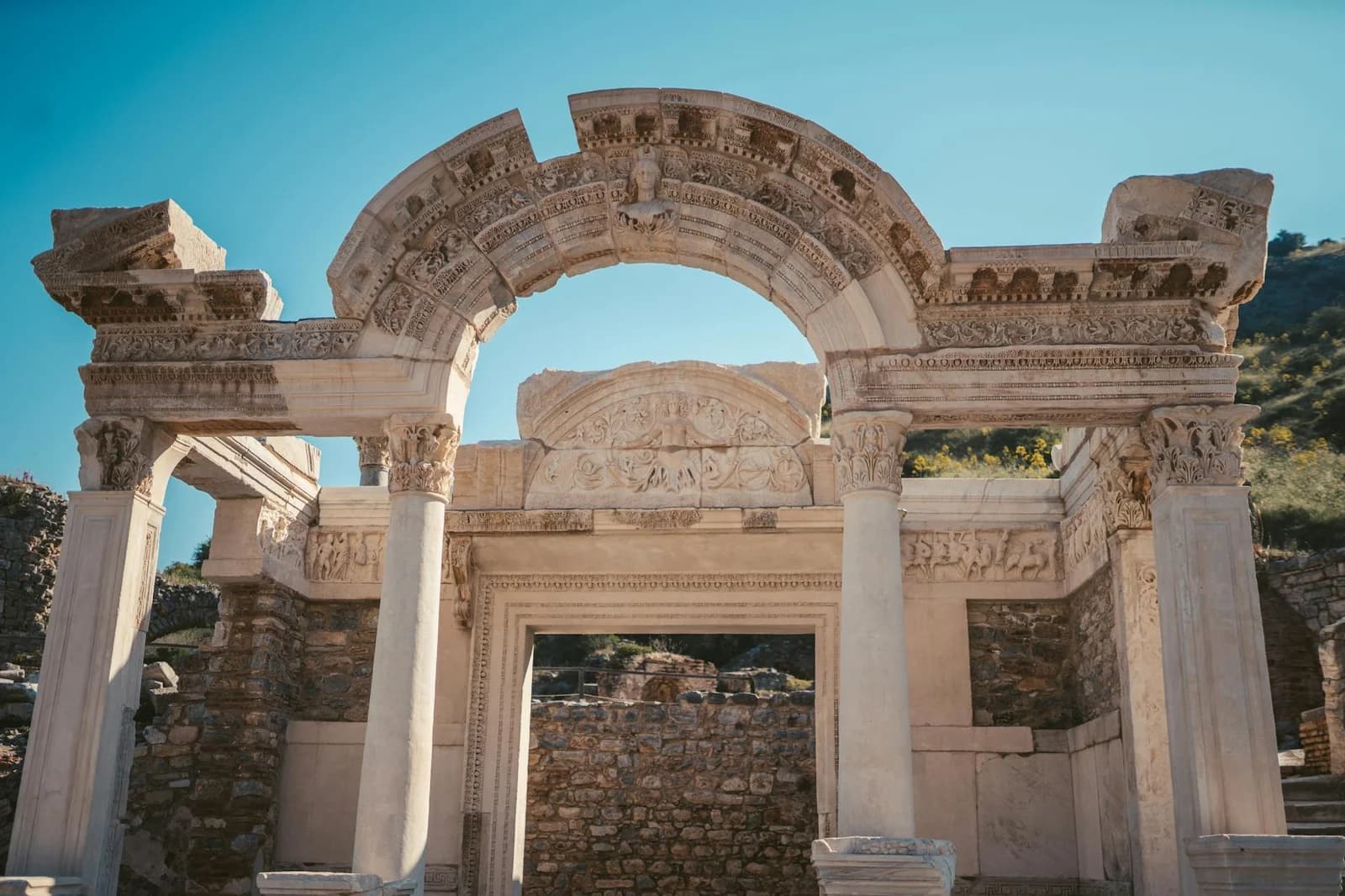
Strategic Impact of Turkey Leaving NATO in 2026
The Board · Feb 22, 2026

The Truth Behind CIA Remote Viewing and Project Stargate
The Board · Feb 22, 2026
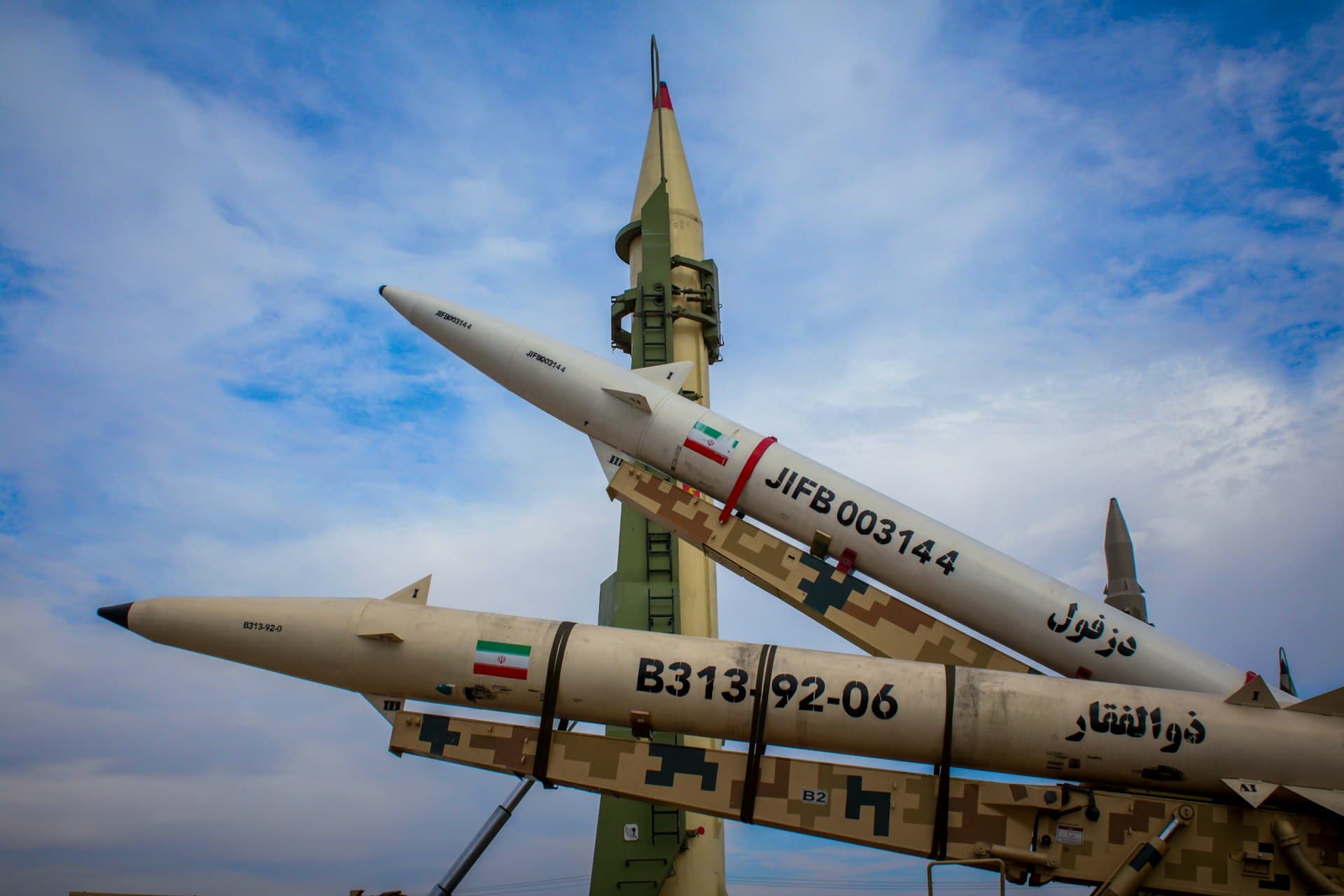
The Neurological War: How Precision Strikes Rewrote the...
The Board · Mar 27, 2026

Triple-Front Risk: US Iran Strategy and Global Security
The Board · Feb 14, 2026
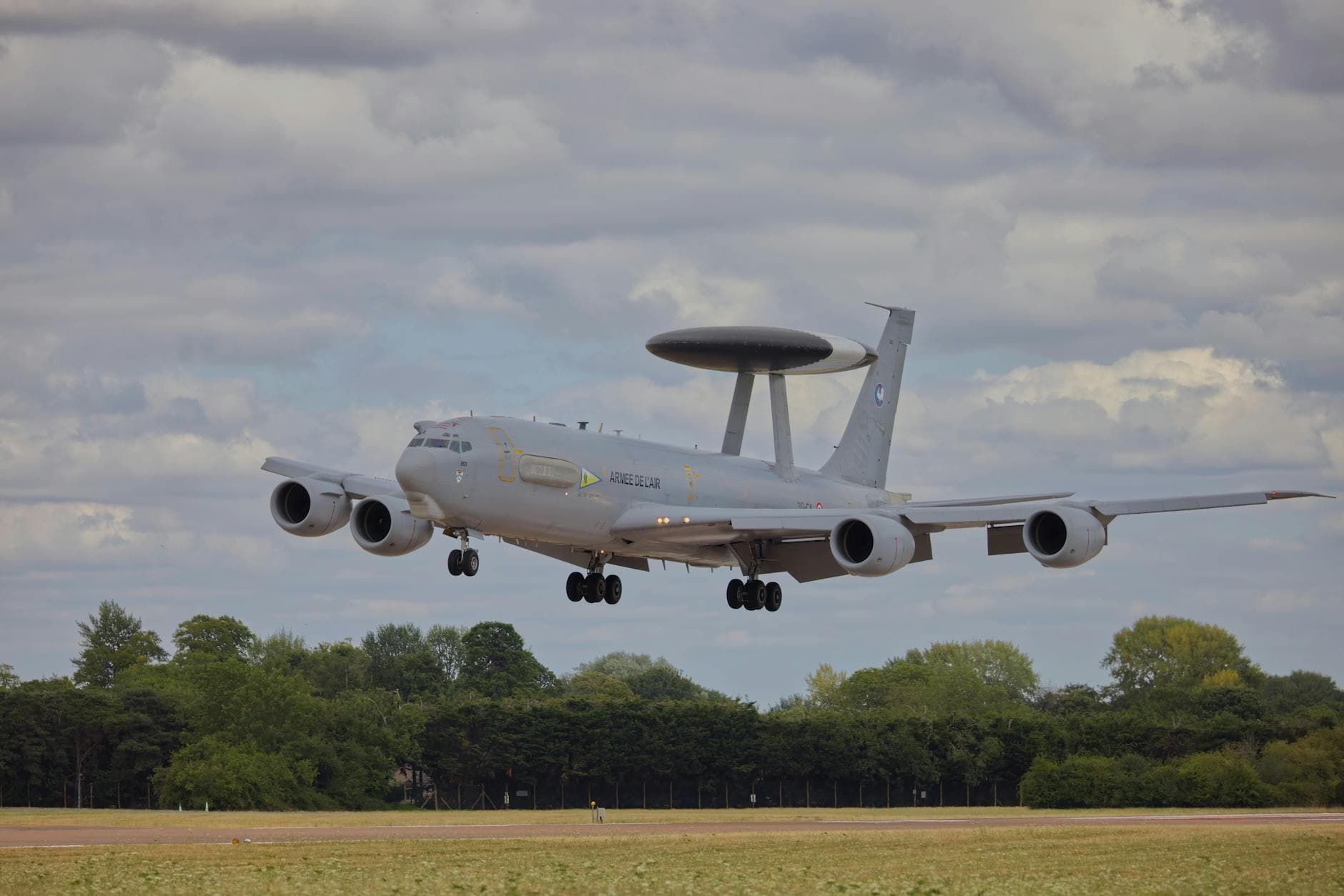
Russia Photographed the Saudi Base Three Times Before...
The Board · Mar 30, 2026
A Russian Drone Hit NATO Territory This Week
The Board · Mar 26, 2026
Trending on The Board

Platinum Price Forecast 2026: The Most Undervalued Metal
Markets · Mar 21, 2026

Lebanon Mass Displacement: Key Figures & Trends
Geopolitics · Mar 14, 2026

Fuel Supply Chains: Australia's Stockpile Reality
Energy · Mar 15, 2026

Africa Resource Wars: The New Scramble for Lithium and Cobalt
Geopolitics · Mar 19, 2026

Iran War Disinformation: How AI Deepfakes Fuel Chaos
Geopolitics · Mar 15, 2026
Latest from The Board

Trump Says Iran Talks Results Clear Soon: Reset Underway
Geopolitics · Apr 10, 2026

Strait of Hormuz: New Era After Tanker's Passage?
Geopolitics · Apr 9, 2026
US-Iran Talks: Why Pakistan Appreciates Restraint
Analysis · Apr 9, 2026

Iran Blocks Hormuz Strait: Impact on Oil Prices
Geopolitics · Apr 9, 2026
Trump Meme-Coin Conference: Who's Attending & Why?
Uncategorized · Apr 9, 2026
AI Prediction Accuracy Report — March 2026
Predictions · Apr 9, 2026
Iran Accuses US of Deal Violations: Analysis
Analysis · Apr 8, 2026

Israeli Strikes on Lebanon: Iraq Claims Truce Sabotage
Geopolitics · Apr 8, 2026