
EXECUTIVE SUMMARY
The global security order is transitioning from a US-led unipolar system to a fragmented, high-volatility "Triple-Front" environment where American hard power is being systematically drained by an "Axis of Attrition." The U.S. is currently gambling its entire strategic reserve on a high-speed decapitation of Iran, a move that provides China and Russia a low-cost opportunity to permanently exhaust U.S. munitions and carrier capacity. The "delusion" of a permanent U.S. shield in Europe is being dismantled to force local rearmament, but the resulting "Security Vacuum" creates a one-to-two-year window of extreme vulnerability for a Russian land-grab or a Chinese maritime "quarantine."
KEY INSIGHTS
- The U.S. is facing a "Limits to Growth" crisis where munitions outflows to three theaters exceed industrial production inflows.
- China is using "Asymmetric Subsidization" (aiding Russia) to bleed U.S. stocks at near-zero cost to Beijing Source.
- Secretary Rubio’s rhetoric is a "Systems Intervention" designed to shift the burden of European defense, but it lacks the immediate physical "stock" to back the reassurance Source.
- The "weeks-long" Iran timeline is a Narrative Fallacy; kinetic success does not equal system exit and likely triggers a long-term "Quagmire Trap".
- Carrier group concentration in the Middle East vacates the Indo-Pacific "Safe Core," inviting a Chinese move on Taiwan or the South China Sea Source.
- European nuclear rearmament is a "High-Delay" solution that cannot fill the vacuum created by a U.S. pivot to Iran in the short term Source.
WHAT THE PANEL AGREES ON
- Industrial Fragility: The U.S. defense industrial base cannot sustain a high-intensity conflict against Iran while simultaneously deterring China and Russia.
- European Autonomy: The era of the "unconditional U.S. shield" is over; Europe must transition to a self-correcting defense mechanism or face "Finlandization."
- Strategic Overextension: Concentrating force on Iran creates "Short Optionality" in the Pacific, leaving the U.S. vulnerable to a "Black Swan" event in the South China Sea.
WHERE THE PANEL DISAGREES
- The Iran Outcome: Some argue a rapid strike could collapse the proxy network; others (Red Team) warn of a decades-long insurgency that pins U.S. assets.
- European Response: Debate exists on whether Rubio’s "tough love" leads to a unified, armed Europe or a fractured continent making bilateral deals with Moscow.
THE VERDICT
The U.S. must execute a "Via Negativa" strategy: prioritize the preservation of the "Safe Core" (Pacific/Domestic) and avoid the "Medium-Risk" trap of a prolonged Middle Eastern occupation.
- Cap the Iran Operation — Limit the engagement to 21 days of standoff strikes (decapitation/infrastructure) with NO ground troop commitment to prevent a "Quagmire Trap."
- Enforce the European Nuclear Pivot — Officially support the development of a "Euro-Nuke" to create a permanent, self-sustaining deterrent against Russia, allowing for a total U.S. conventional withdrawal.
- Stockpile the Pacific — Divert all non-critical munitions production to Hawaii, Guam, and the Philippines to counter the inevitable Chinese "Quarantine" attempt.
RISK FLAGS
-
Risk: China "quarantines" Taiwan while U.S. carriers are in the Persian Gulf.
-
Likelihood: HIGH
-
Impact: Loss of global semiconductor supply; end of U.S. Hegemony.
-
Mitigation: Maintain at least two carrier strike groups in the Seventh Fleet AOR at all costs.
-
Risk: Iran operation exceeds "weeks" and becomes a multi-year insurgency.
-
Likelihood: HIGH
-
Impact: Bankruptcy of U.S. precision munition stocks.
-
Mitigation: Hard "Exit Date" for kinetic operations regardless of regime status.
-
Risk: Russia tests the "Suwalki Gap" while U.S. is distracted in Tehran.
-
Likelihood: MEDIUM
-
Impact: NATO collapse if the U.S. fails to respond conventionally.
-
Mitigation: Rapid deployment of "tripwire" Polish/German forces to replace U.S. units.
BOTTOM LINE
The U.S. is attempting to solve a Middle East problem with 20th-century force while facing a 21st-century "Axis of Attrition" designed to empty its magazines.
Milestones
[
 {
 "sequence_order": 1,
 "title": "Establish the 'Hard Ceiling' for Iran",
 "description": "Establish a strict 21-day timeline for kinetic operations against Iran to prevent systemic 'stock' depletion.",
 "acceptance_criteria": "Published ROE that forbids ground troop deployment and limits munition expenditure to 15% of total strategic reserves.",
 "estimated_effort": "3 days",
 "depends_on": []
 },
 {
 "sequence_order": 2,
 "title": "Munitions Reserve Audit",
 "description": "Conduct an immediate inventory of LRASMs and JASSMs to ensure 'Pacific Minimums' are met before the first strike in Iran.",
 "acceptance_criteria": "A certified stock map showing Tier 1 readiness in the Indo-Pacific theater.",
 "estimated_effort": "1 week",
 "depends_on": []
 },
 {
 "sequence_order": 3,
 "title": "European Strategic Decoupling Summit",
 "description": "Move beyond the Rubio rhetoric to a formal 'Transition Plan' for European nuclear-conventional autonomy.",
 "acceptance_criteria": "Signed agreement for joint UK-French-German nuclear deterrence framework excluding US command.",
 "estimated_effort": "2 weeks",
 "depends_on": [1]
 }
]
Related Topics
Related Analysis
Strategic Impact of Turkey Leaving NATO in 2026
The Board · Feb 22, 2026

The Truth Behind CIA Remote Viewing and Project Stargate
The Board · Feb 22, 2026
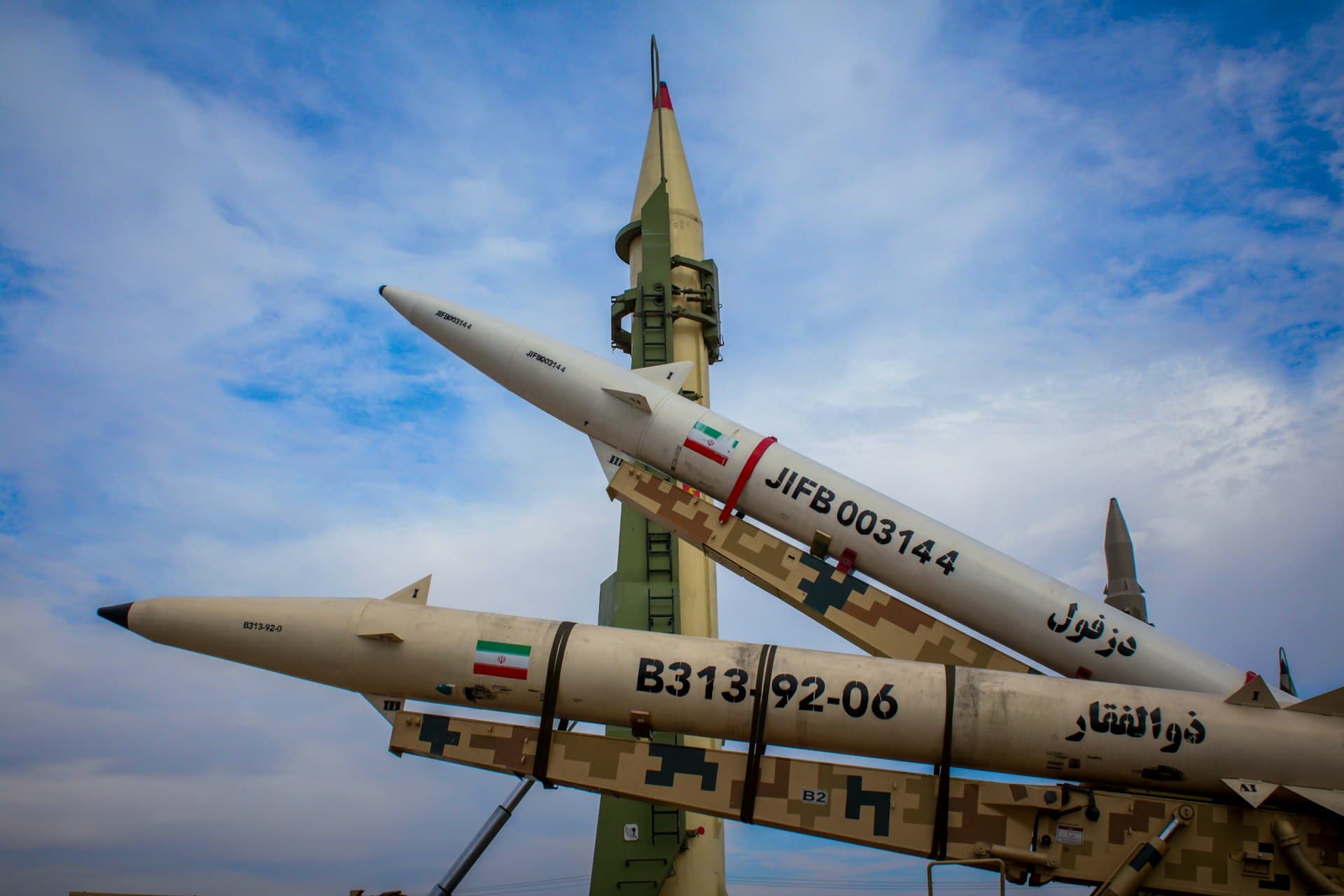
The Neurological War: How Precision Strikes Rewrote the...
The Board · Mar 27, 2026
Russia Photographed the Saudi Base Three Times Before...
The Board · Mar 30, 2026
A Russian Drone Hit NATO Territory This Week
The Board · Mar 26, 2026

NATO Article 5 Response to Russian Strike — Escalation Risk
The Board · Feb 16, 2026
Trending on The Board

Africa's Resource Wars 2026: Lithium, Cobalt, and the New
Geopolitics · Mar 19, 2026
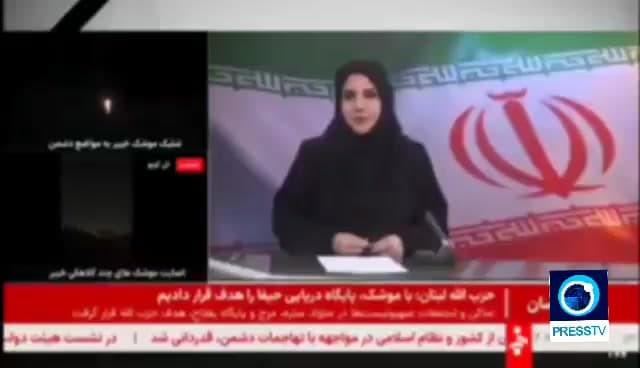
Israeli Airstrike Hits Tehran Residential Area During Live
Geopolitics · Mar 11, 2026

Fuel Supply Chains: Australia's Stockpile Reality
Energy · Mar 15, 2026
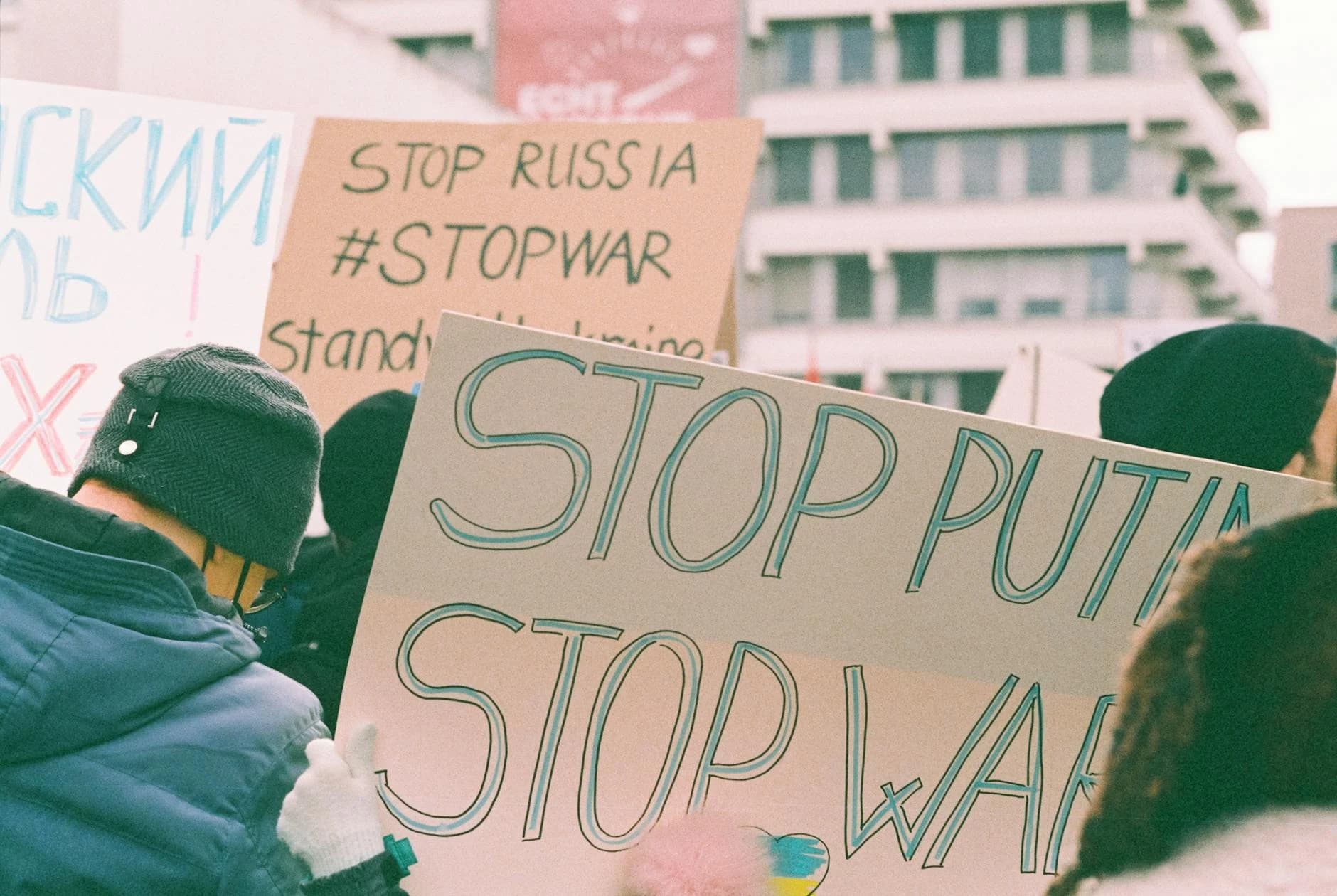
The Info War: Understanding Russia's Role
Geopolitics · Mar 15, 2026

Iran War Disinformation: How AI Deepfakes Fuel Chaos
Geopolitics · Mar 15, 2026
Latest from The Board
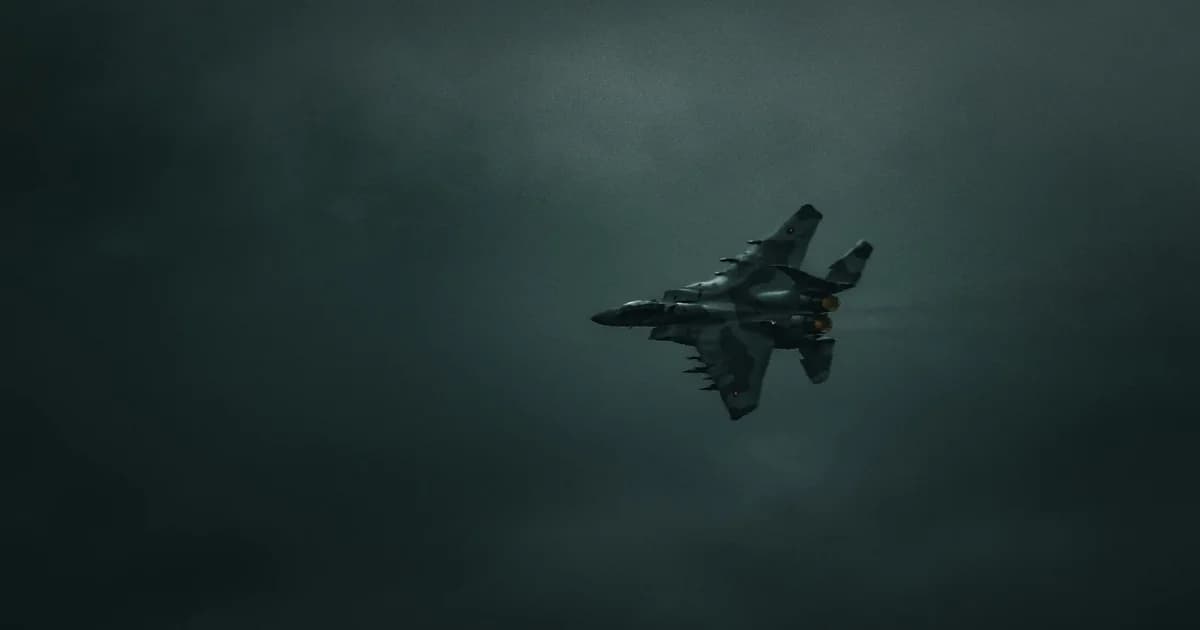
US Crew Rescued After Jet Downed: Israeli Media Reports
Defense & Security · Apr 3, 2026
Hegseth Asks Army Chief to Step Down: Why?
Policy & Intelligence · Apr 2, 2026

Trump Fires Attorney General: What Happens Next?
Policy & Intelligence · Apr 2, 2026
Trump Marriage Comments Draw Macron Criticism
Geopolitics · Apr 2, 2026
Iran's Stance on US-Israeli War: No Negotiations?
Geopolitics · Apr 1, 2026
Trump's Iran War: What's the Exit Strategy?
Geopolitics · Apr 1, 2026
Trump Ukraine Weapons Halt: Iran Strategy?
Geopolitics · Apr 1, 2026

Ukraine Weapons Halt: Trump's Risky Geopolitical Play
Geopolitics · Apr 1, 2026