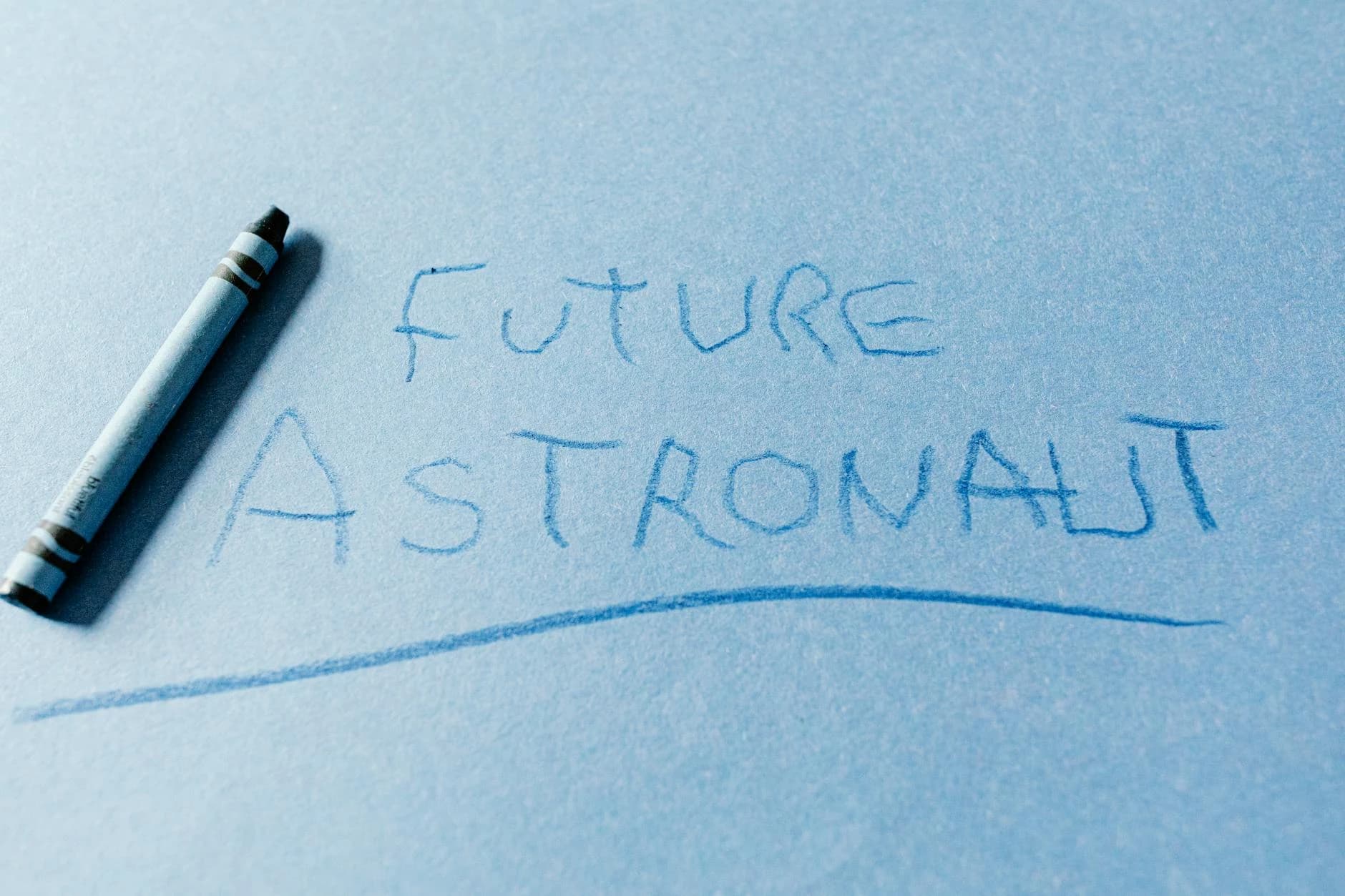
EXECUTIVE SUMMARY
The future of space exploration is transitioning from a prestige-driven frontier to a high-risk infrastructure play. While launch costs are collapsing, the "human bottleneck" (biological degradation) and "orbital friction" (debris and cryogenic reliability) represent systemic hard stops that will likely pivot the industry toward a robotic-first, autonomous-heavy architecture rather than the immediate mass colonization envisioned by optimists.
KEY INSIGHTS
- Reusable launch systems have created an unbeatable margin advantage, establishing a de facto launch oligopoly.
- Human biological vulnerability to GCR and zero-G is the primary "hidden cost" that threatens long-term mission ROIC.
- Orbital debris (Kessler Syndrome) is a non-linear risk that could quarantine Earth if traffic management isn't unified.
- Cryogenic fluid transfer in zero-G remains a critical, unproven technical hurdle for deep-space transit.
- Space is becoming a theater for "grey zone" terrestrial conflict, increasing the risk of infrastructure sabotage.
- In-situ resource utilization (ISRU) will be economically disincentivized if Earth-to-orbit launch costs continue to drop.
WHAT THE PANEL AGREES ON
- The Piston is Working: Launch costs (the "piston") are no longer the primary barrier to entry; Starship-class vehicles have solved the initial physics-to-finance problem.
- The "Human Machine" is the Weakest Link: Biology is significantly more fragile than hardware, necessitating a massive rethink of "human-in-the-loop" mission profiles.
- LEO as Real Estate: Low-Earth Orbit is the only current "toll bridge" with proven commercial value (telecom/remote sensing).
WHERE THE PANEL DISAGREES
- Asteroid Mining Viability: [analysts] views it as an ROI trap that crashes its own market; [ARCHIMEDES] (previously) viewed it as essential leverage. The evidence suggests that commodity price suppression makes mining a secondary goal at best.
- Colonization vs. Maintenance: [analysts] pushes for multi-planetary life as a survival hedge; the RED-TEAM argues that maintenance debt and radiation make this a "death trap." Current data on GCR-induced cognitive decline favors the Red-Team's skeptical view.
THE VERDICT
Shift your focus from "exploration" to "orbital infrastructure and robotics." Don't bet on Mars colonies; bet on the systems that make LEO and the Moon sustainable for machines first.
- Prioritize Robotic Autonomy — Because the "Human CAPEX" is too high and biologically limited, the real winners will be companies providing AI-driven orbital servicing and assembly that doesn't requires life support.
- Invest in Nuclear/Power Tolls — Lunar and deep-space missions cannot survive the night on solar alone; fission reactors are the only "moat" with high regulatory barriers and total necessity.
- Solve for Debris and Traffic — The "Kessler risk" is the only thing that can reset the industry to zero. Data-sharing and debris-removal tech are the ultimate "insurance" for the space economy.
RISK FLAGS
- Risk: Kessler Syndrome (Collision Cascade)
- Likelihood: MEDIUM
- Impact: HIGH (Total loss of LEO utility for decades)
- Mitigation: Immediate adoption of automated, cross-border orbital traffic management protocols.
- Risk: Cryogenic Refilling Failure
- Likelihood: HIGH
- Impact: MEDIUM (Mars/Lunar missions stranded in LEO)
- Mitigation: Pivot to small-scale robotic testing of fluid transfer before committing human crews.
- Risk: Geopolitical Sabotage
- Likelihood: MEDIUM
- Impact: HIGH (Loss of critical telecom/GPS infrastructure)
- Mitigation: Hardening satellite cybersecurity and diversifying orbital planes to prevent single-point failures.
BOTTOM LINE
We are building an orbital economy for robots, not a playground for humans; the profit is in the plumbing, not the prestige.
Related Topics
Related Analysis

LLM Security and Control Architecture: Addressing Prompt
The Board · Feb 19, 2026

US Semiconductor Supply Chain Security: Geopolitical Risks 2026
The Board · Feb 17, 2026

Global Tech Intersections and Regulatory Arbitrage
The Board · Feb 17, 2026
OpenAI vs Anthropic: Who Wins the AI Race by 2026?
The Board · Feb 15, 2026

Securing LLM Agents and AI Architectures in 2026
The Board · Feb 20, 2026
Quantum Computing Breakthroughs: Geopolitical Implications
The Board · Mar 4, 2026
Trending on The Board

Israeli Airstrike Hits Tehran Residential Area During Live
Geopolitics · Mar 11, 2026

Fuel Supply Chains: Australia's Stockpile Reality
Energy · Mar 15, 2026

The Info War: Understanding Russia's Role
Geopolitics · Mar 15, 2026

Iran War Disinformation: How AI Deepfakes Fuel Chaos
Geopolitics · Mar 15, 2026
THAAD Interception Rates: Iran Missile Combat Data
Defense & Security · Mar 6, 2026
Latest from The Board

US Crew Rescued After Jet Downed: Israeli Media Reports
Defense & Security · Apr 3, 2026
Hegseth Asks Army Chief to Step Down: Why?
Policy & Intelligence · Apr 2, 2026

Trump Fires Attorney General: What Happens Next?
Policy & Intelligence · Apr 2, 2026
Trump Marriage Comments Draw Macron Criticism
Geopolitics · Apr 2, 2026

Iran's Stance on US-Israeli War: No Negotiations?
Geopolitics · Apr 1, 2026
Trump's Iran War: What's the Exit Strategy?
Geopolitics · Apr 1, 2026
Trump Ukraine Weapons Halt: Iran Strategy?
Geopolitics · Apr 1, 2026

Ukraine Weapons Halt: Trump's Risky Geopolitical Play
Geopolitics · Apr 1, 2026