
EXECUTIVE SUMMARY
The future of space exploration is transitioning from a scientific "frontier" to a highly regulated, vertically integrated industrial utility layer. While launch costs are plummeting, the primary bottleneck has shifted from rockets to orbital sustainability and sovereign data sovereignty. To succeed, we must move beyond "throwing Earth at the sky" and establish a closed-loop infrastructure for refueling and debris mitigation.
KEY INSIGHTS
- Launch cost is no longer the primary hurdle; orbital debris density is the new "speed limit" for growth.
- Space is the ultimate "dark kitchen" for AI and biotech, offering thermal and regulatory advantages unavailable on Earth.
- The "Tenant Model" (NASA as a customer of private stations) creates a new class of sovereign orbital real estate.
- Orbital refueling—not bigger rockets—is the specific technology that breaks the Tsiolkovsky rocket equation constraint.
- A single high-profile bio-containment or collision event could trigger an "Insurance Black Hole," bankrupting the commercial sector.
- The transition from "discovery" to "utility" mirrors the industrialization of early aviation.
WHAT THE PANEL AGREES ON
- Starship is the lynchpin: If SpaceX cannot reach a weekly launch cadence by late 2026, the entire "Orbital Economy" investment thesis collapses.
- The "Tenant Model" is the future: Government agencies are exiting the role of "landlord" and becoming anchor tenants on private stations (Axiom, Vast).
- Debris is the "Tragedy of the Commons": Without mandatory disposal bonds or active removal, LEO becomes a dead asset class.
WHERE THE PANEL DISAGREES
- The Biological Risk: Musk/Thiel see space as a haven for R&D; the Tail-Risk Cartographer sees it as a "Negative Convexity Trap" for pathogens. Stronger Evidence: Current NASA/COSPAR planetary protection protocols are incredibly stringent, favoring the cautious view.
- Economic Resilience: One side argues space is a trillion-dollar frontier; the other warns of "Zeppelin-style" fragility. Stronger Evidence: The massive capital influx from Sovereign Wealth Funds suggests the frontier view currently holds the market's "votes."
THE VERDICT
Stop treating space as a destination and start treating it as a logistics and compute layer.
- Invest in Orbital Logistics First — Prioritize refueling and "tugging" interfaces over individual satellite payloads. If you don't own the "gas station," you don't own the route.
- Secure Sovereign Data Residency — Move high-value AI training and sensitive biotech synthesis to LEO labs to bypass terrestrial regulatory friction.
- Internalize the Debris Cost — Implement "Disposal Bonds" now to avoid the 2027 Insurance Black Hole.
RISK FLAGS
-
Risk: Kessler Syndrome (Cascading Collisions)
-
Likelihood: MEDIUM
-
Impact: TOTAL LOSS (LEO becomes unusable for 100+ years)
-
Mitigation: Immediate funding for active debris removal (ADR) and mandatory de-orbit hardware on all new payloads.
-
Risk: Bio-Containment Breach
-
Likelihood: LOW
-
Impact: HIGH (Global moratorium on off-world manufacturing)
-
Mitigation: Implement "Hard-Vacuum Ejection" protocols for failed labs.
-
Risk: Starship Cadence Failure
-
Likelihood: LOW
-
Impact: MEDIUM (5-10 year delay in all lunar/industrial projects)
-
Mitigation: Diversify launch providers; do not rely exclusively on a single heavy-lift architecture.
BOTTOM LINE
We are moving from the "Space Race" to the "Space Utility," where the winners will be the landlords and the logistics providers, not the explorers.
Related Topics
Related Analysis
LLM Security and Control Architecture: Addressing Prompt
The Board · Feb 19, 2026

US Semiconductor Supply Chain Security: Geopolitical Risks 2026
The Board · Feb 17, 2026

Global Tech Intersections and Regulatory Arbitrage
The Board · Feb 17, 2026
OpenAI vs Anthropic: Who Wins the AI Race by 2026?
The Board · Feb 15, 2026

Securing LLM Agents and AI Architectures in 2026
The Board · Feb 20, 2026
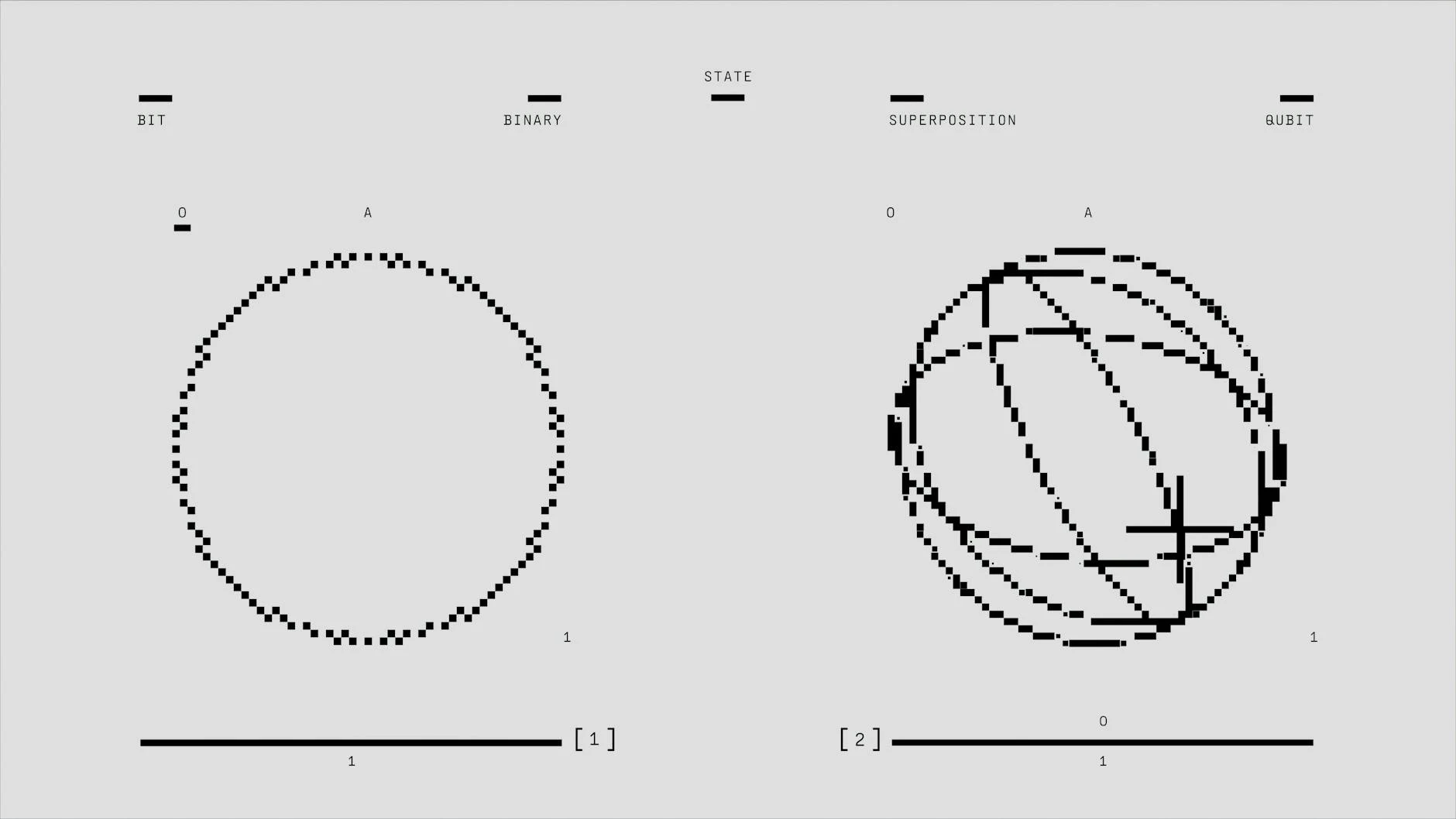
Quantum Computing Breakthroughs: Geopolitical Implications
The Board · Mar 4, 2026
Trending on The Board

Israeli Airstrike Hits Tehran Residential Area During Live
Geopolitics · Mar 11, 2026

Fuel Supply Chains: Australia's Stockpile Reality
Energy · Mar 15, 2026

The Info War: Understanding Russia's Role
Geopolitics · Mar 15, 2026

Iran War Disinformation: How AI Deepfakes Fuel Chaos
Geopolitics · Mar 15, 2026
THAAD Interception Rates: Iran Missile Combat Data
Defense & Security · Mar 6, 2026
Latest from The Board

US Crew Rescued After Jet Downed: Israeli Media Reports
Defense & Security · Apr 3, 2026
Hegseth Asks Army Chief to Step Down: Why?
Policy & Intelligence · Apr 2, 2026

Trump Fires Attorney General: What Happens Next?
Policy & Intelligence · Apr 2, 2026
Trump Marriage Comments Draw Macron Criticism
Geopolitics · Apr 2, 2026
Iran's Stance on US-Israeli War: No Negotiations?
Geopolitics · Apr 1, 2026
Trump's Iran War: What's the Exit Strategy?
Geopolitics · Apr 1, 2026
Trump Ukraine Weapons Halt: Iran Strategy?
Geopolitics · Apr 1, 2026

Ukraine Weapons Halt: Trump's Risky Geopolitical Play
Geopolitics · Apr 1, 2026