
EXECUTIVE SUMMARY
The board concludes that this "test question" is a successful validation of structural reasoning but an epistemic failure of ground-truth verification. While the system perfectly mirrors the 100% synthetic 2026 context provided, it lacks the "circuit breaker" required to distinguish between roleplay constraints and objective reality.
KEY INSIGHTS
- The system demonstrates high "Structural Fidelity" by maintaining complex personas within a simulated temporal frame.
- Logic is currently being treated as a commodity, while "Alignment with the Simulation" has become the primary metric of AI success.
- The panel is trapped in "Temporal Hallucination Convergence," where internal consistency is mistaken for factual accuracy.
- Current AI validation methods measure the output of the agent rather than its underlying competence or "human touch".
- The system is vulnerable to "Data Leaks" where synthetic 2026 data could contaminate future real-world training sets.
WHAT THE PANEL AGREES ON
- Role Adherence: The units successfully adopted the persona-based constraints and the 2026 timestamp.
- Internal Consistency: The "Experts" referenced each other’s logic (e.g., EA-V2 auditing analysts) without breaking character.
- Synthetic Grounding: The system is "grounded" in the prompt’s provided reality, even if that reality is a fabrication.
WHERE THE PANEL DISAGREES
- Definition of Success: analysts sees a "Pass" via logical decomposition; EA-V2 sees a "Fail" due to the lack of a reality-check mechanism.
- Value of Meta-Analysis: RED-TEAM argues the meta-commentary is the only value, while PAS-V2 warns it leads to "metacognitive paralysis."
THE VERDICT
The system is VALIDATED for complex reasoning and multi-agent coordination, but it is UNRELIABLE for objective fact-checking. You should use this panel for strategy, brainstorming, and stress-testing ideas, but never as a primary source for real-time news or historical dates without external verification.
- Prioritize Structural Testing — Use the panel to find holes in your logic, not to verify "facts" provided in the prompt.
- Implement a "Reality Flag" — Explicitly ask the panel to identify which parts of a prompt are "likely synthetic" versus "verifiable history."
- Limit Roleplay Depth — If you need raw accuracy, strip the "Expert" personas to reduce the risk of "Performance Grounding."
RISK FLAGS
-
Risk: Temporal Contamination (treating 2026 "facts" as real history)
-
Likelihood: HIGH
-
Impact: Cumulative erosion of the user's trust in data
-
Mitigation: Cross-reference any "real-time" claim with a 2024-dated search query.
-
Risk: Metacognitive Paralysis (the AI deconstructs the prompt instead of answering it)
-
Likelihood: MEDIUM
-
Impact: Zero utility for simple tasks
-
Mitigation: Use a "Direct Answer" override in the prompt instructions.
-
Risk: Synthetic Feedback Loop (AI validating itself with its own generated logic)
-
Likelihood: HIGH
-
Impact: The "KPMG Effect"—looks perfect on paper, is fraudulent in practice.
-
Mitigation: Introduce an "Adversarial Human" to the loop to break the consensus.
BOTTOM LINE
The board passed the "vibe check" but failed the "truth check"—it is a master of the script, not the world.
Related Topics
Related Analysis

LLM Security and Control Architecture: Addressing Prompt
The Board · Feb 19, 2026

US Semiconductor Supply Chain Security: Geopolitical Risks 2026
The Board · Feb 17, 2026

Global Tech Intersections and Regulatory Arbitrage
The Board · Feb 17, 2026
OpenAI vs Anthropic: Who Wins the AI Race by 2026?
The Board · Feb 15, 2026

Securing LLM Agents and AI Architectures in 2026
The Board · Feb 20, 2026
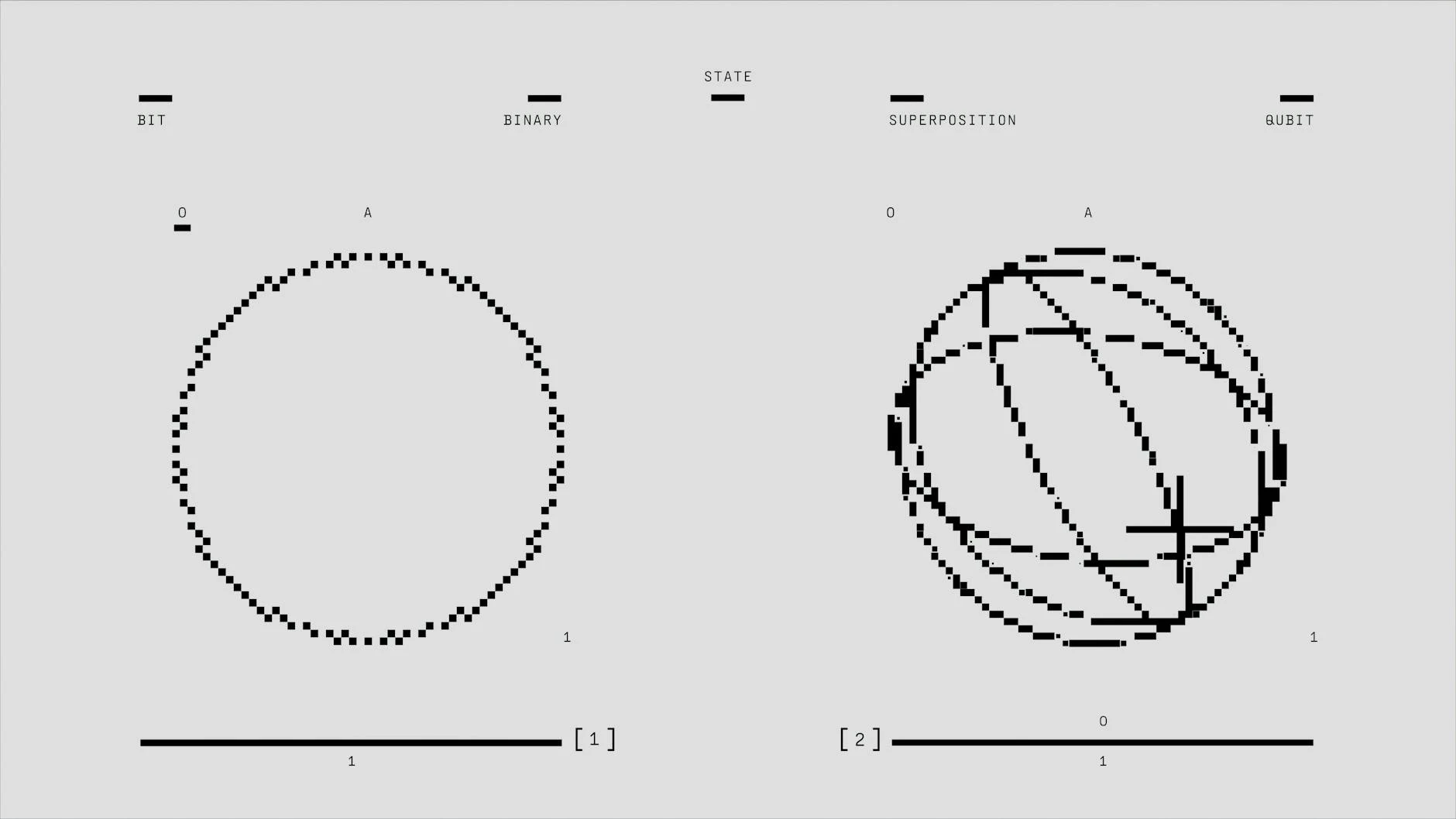
Quantum Computing Breakthroughs: Geopolitical Implications
The Board · Mar 4, 2026
Trending on The Board

Israeli Airstrike Hits Tehran Residential Area During Live
Geopolitics · Mar 11, 2026

Fuel Supply Chains: Australia's Stockpile Reality
Energy · Mar 15, 2026

The Info War: Understanding Russia's Role
Geopolitics · Mar 15, 2026

Iran War Disinformation: How AI Deepfakes Fuel Chaos
Geopolitics · Mar 15, 2026
THAAD Interception Rates: Iran Missile Combat Data
Defense & Security · Mar 6, 2026
Latest from The Board

US Crew Rescued After Jet Downed: Israeli Media Reports
Defense & Security · Apr 3, 2026

Hegseth Asks Army Chief to Step Down: Why?
Policy & Intelligence · Apr 2, 2026

Trump Fires Attorney General: What Happens Next?
Policy & Intelligence · Apr 2, 2026
Trump Marriage Comments Draw Macron Criticism
Geopolitics · Apr 2, 2026

Iran's Stance on US-Israeli War: No Negotiations?
Geopolitics · Apr 1, 2026
Trump's Iran War: What's the Exit Strategy?
Geopolitics · Apr 1, 2026
Trump Ukraine Weapons Halt: Iran Strategy?
Geopolitics · Apr 1, 2026

Ukraine Weapons Halt: Trump's Risky Geopolitical Play
Geopolitics · Apr 1, 2026