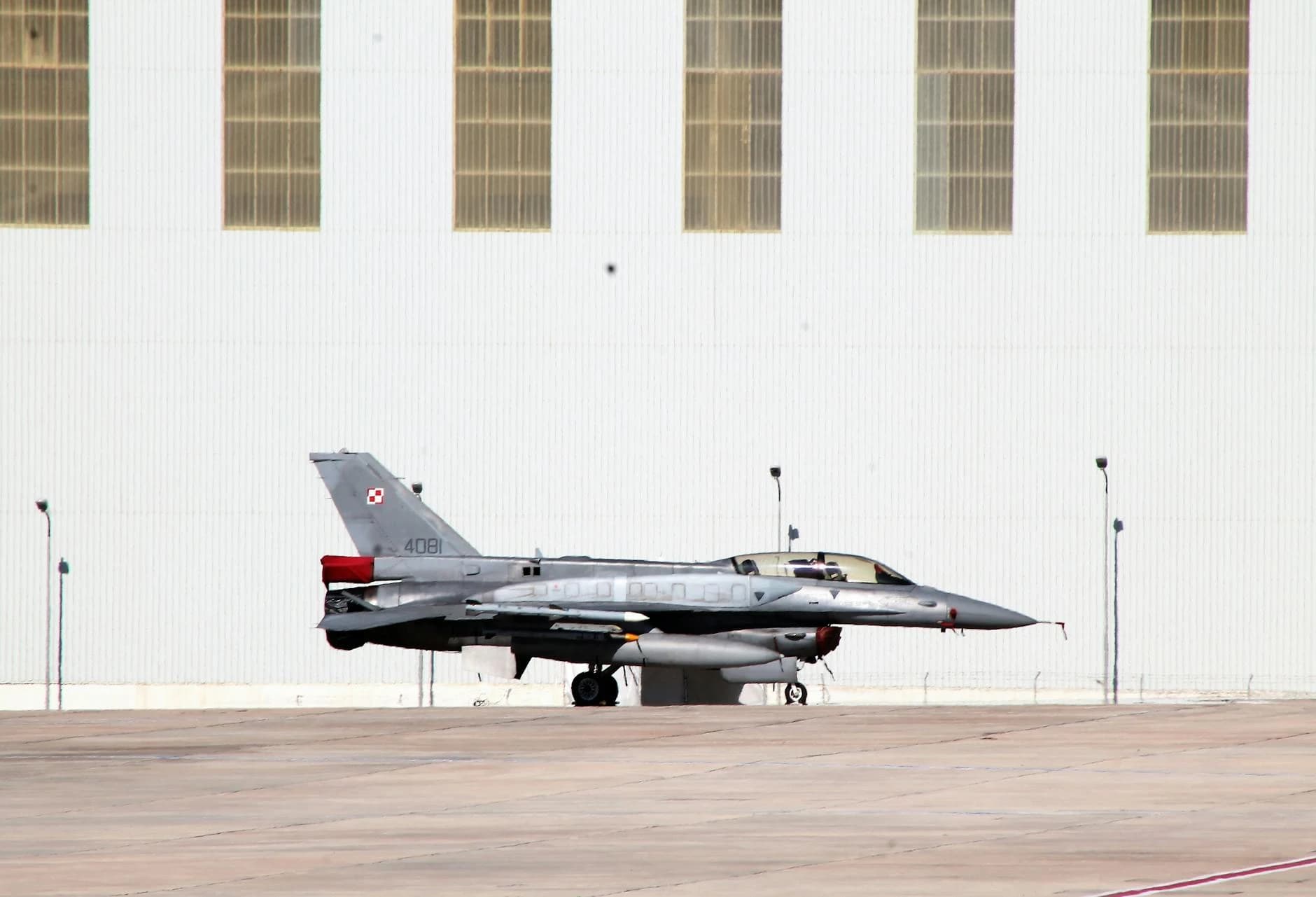
Epicenter of Escalation: The Isfahan Strikes and Qatar’s Air Defense Triumph
Explosions reported near Isfahan nuclear facility and air base refers to a series of blasts and military actions detected around key Iranian nuclear and military sites in Isfahan on March 2, 2026, amid heightened tensions involving Iran, Israel, and the United States. These incidents included loud detonations near Iran’s nuclear infrastructure and the engagement of regional air defenses, most notably Qatar’s, which intercepted multiple airborne threats and Iranian aircraft.
Key Findings
- Explosions were confirmed near Isfahan’s nuclear facility and air base on March 2, 2026, with no reported damage to nuclear sites per IAEA verification.
- Qatar’s air defenses intercepted at least two Iranian Su-24 jets, seven ballistic missiles, and five drones, preventing spillover from the Iranian theater.
- Satellite imagery from February 2026 shows recent structural changes at Isfahan’s key nuclear sites, indicating heightened security and possible target hardening.
- The Isfahan incident mirrors historical preemptive strikes on nuclear infrastructure (e.g., Israel’s 2007 raid on Syria’s Al-Kibar), pointing to a strategy of “calibrated escalation” rather than immediate all-out war.
- Regional air defense investments—Qatar plans to more than double its naval forces by 2025—are proving instrumental in containing conflict and protecting critical infrastructure.
Definition Block
Explosions reported near Isfahan nuclear facility and air base describe a security incident in which a series of detonations and military engagements occurred around the central Iranian city of Isfahan, a hub for Iran’s nuclear research and air force operations. On March 2, 2026, these events involved both suspected missile and drone activity and the activation of regional air defense systems, notably in Qatar, in response to escalating hostilities between Iran and U.S.-Israel aligned forces.
What We Know So Far
- Multiple loud explosions were detected near the Isfahan nuclear facility and a major air base on March 2, 2026, confirmed by Iranian state media and international agencies.
- The International Atomic Energy Agency (IAEA) reported “no signs of damage to Iranian nuclear sites” following the strikes.
- Qatar’s military successfully intercepted two Iranian Su-24 jets, seven ballistic missiles, and five drones, according to official statements.
- Satellite imagery from February 2026 showed new construction at Isfahan’s nuclear site, suggesting recent security upgrades.
- No immediate escalation or retaliatory strikes against Qatar or other Gulf neighbors have been reported as of March 3, 2026.
- The United States and Israel are widely reported to be involved in the air operations, though direct confirmation of their specific roles in the Isfahan strikes is pending.
Timeline of Events
- February 1, 2026: Satellite imagery captures a new roof and construction activity at the Isfahan nuclear facility, indicating increased security measures.
- March 2, 2026, early afternoon: Explosions reported near Isfahan’s nuclear site and air base; local media and residents report loud blasts and air defense activity.
- Shortly after initial reports: Iranian state media confirm the explosions and attribute them to possible missile or drone attacks.
- Evening, March 2, 2026: IAEA issues a statement confirming no observable damage to Iran’s nuclear sites.
- March 2-3, 2026: Qatar’s Ministry of Defense announces the successful interception of two Iranian Su-24 jets, seven ballistic missiles, and five drones targeting its airspace and strategic infrastructure.
- March 3, 2026, 08:00 GMT: Regional situation reported as stable; no further incidents or retaliatory attacks confirmed in Qatar or the immediate Gulf region.
Thesis Declaration
The Isfahan explosions and concurrent air defense actions in Qatar represent a pivotal demonstration of the region’s evolving military balance: precision strikes and robust air defense capabilities are now containing the fallout of strategic attacks on nuclear infrastructure, reducing the risk of immediate escalation, but increasing the likelihood of protracted, asymmetric confrontation. This matters because it signals a new era of “containment warfare” in the Gulf, where technological and tactical superiority can limit—but not eliminate—the specter of regional conflict.
Evidence Cascade
1. Isfahan as a Strategic Target
Isfahan hosts one of Iran’s principal nuclear research and uranium conversion sites, making it a perennial focus for both surveillance and preemptive action. Satellite imagery from February 1, 2026, showed new construction, including a recently completed roof, over sensitive sections of the facility—an indicator of heightened threat perception and target hardening.
2. Nature and Scope of the Strikes
Multiple verified reports document loud explosions and air defense engagement around Isfahan on March 2, 2026. Iranian state media confirmed the blasts, which were heard by residents and documented by international journalists. The IAEA, after rapid assessment, reported “no signs of damage to Iranian nuclear sites,” indicating that either the strikes were highly targeted or successfully intercepted before impact.
2 Iranian Su-24 jets, 7 ballistic missiles, and 5 drones — Number of threats intercepted by Qatar’s air defenses during the March 2, 2026, incident.
3. Qatar’s Air Defense Performance
Qatar’s rapid-response air defense system successfully intercepted multiple airborne threats, including two Iranian Su-24 jets, seven ballistic missiles, and five drones. This marked a significant operational test for the country’s recently upgraded air defense architecture, which is part of a broader Gulf trend: between 2025 and 2030, Qatar plans to expand its naval forces from approximately 3,000 to 7,000 personnel, reflecting a $2–4 billion investment in integrated defense capabilities.
$2–4 billion — Estimated value of Qatar’s ongoing air defense and naval modernization programs for 2025–2030.
4. Regional Air Defense Investments
Gulf states have ramped up security spending in response to rising missile and drone threats. Qatar alone is forecast to double its naval personnel and acquire new missile defense systems by 2025. These investments have already paid dividends: the interception of Iranian jets and missiles on March 2, 2026, prevented collateral damage and escalation in Qatari territory.
5. Strategic Restraint and Escalation Dynamics
Historical analogs, such as Israel’s 2007 strike on Syria’s Al-Kibar nuclear facility and coalition bombing campaigns in Iraq (1991), reveal a pattern: precision strikes on WMD infrastructure are often met with limited, calculated retaliation, not immediate regional war. In the current incident, the absence of nuclear site damage and the efficacy of regional air defenses suggest a deliberate attempt to signal resolve while avoiding uncontrollable escalation.
0 — Number of reported casualties or major infrastructure losses in Qatar as of March 3, 2026, despite multiple intercepted threats.
6. International Oversight and Verification
The IAEA’s rapid assessment and public statement that there is “no observable damage” to Iranian nuclear facilities reinforce the incident’s limited kinetic impact, though the psychological and strategic effects are significant.
Data Table: Key Metrics from the Isfahan Incident and Regional Response
| Metric | Isfahan Incident (Mar 2, 2026) | Source/Note |
|---|---|---|
| Explosions confirmed (Isfahan) | Yes | |
| Nuclear site damage | None reported | |
| Threats intercepted by Qatar | 2 Su-24s, 7 missiles, 5 drones | |
| Qatar naval personnel (2025 goal) | 7,000 | |
| Qatar air defense/naval investment | $2–4 billion | |
| Civilian/military casualties (Qatar) | 0 | |
| New construction at Isfahan site | Roof completed Feb 2026 |
Case Study: The March 2, 2026, Isfahan-Qatar Incident
On March 2, 2026, at approximately 14:00 local time, multiple explosions rocked the area surrounding Isfahan’s principal nuclear facility and nearby air base. Residents reported hearing “loud blasts,” and social media quickly circulated footage of the aftermath, including images of smoke plumes and air defense missile launches. Iranian state media confirmed explosions near the nuclear site, while the International Atomic Energy Agency (IAEA) announced within hours that there was “no evidence of damage to Iranian nuclear infrastructure.” Simultaneously, Qatar’s Ministry of Defense announced that its air defenses had intercepted two Iranian Su-24 jets, seven ballistic missiles, and five drones targeting key infrastructure. By the morning of March 3, the region remained stable, with no reported casualties or retaliatory attacks in Qatar. This incident illustrates the increased sophistication of regional air and missile defense systems and the evolving nature of Gulf security, where rapid response and containment can prevent escalation following strategic strikes.
Analytical Framework: The “Containment Warfare Matrix”
Framework Overview: The “Containment Warfare Matrix” is a conceptual tool for analyzing modern military crises involving nuclear or strategic sites in volatile regions. It plots incidents along two axes: (1) kinetic impact (from symbolic to catastrophic), and (2) containment effectiveness (from porous to robust). The matrix helps assess whether a given event is likely to spark regional escalation or be contained through technological, diplomatic, or military means.
How It Works:
- Quadrant I (Symbolic/Robust): Precision strikes with minimal physical impact, high containment (e.g., Isfahan 2026, Al-Kibar 2007).
- Quadrant II (Catastrophic/Robust): Large-scale attacks, but robust defenses prevent spread (rare).
- Quadrant III (Symbolic/Porous): Limited strikes, but poor defenses allow for psychological or political spillover.
- Quadrant IV (Catastrophic/Porous): High-impact, poorly contained—leads to war.
Application: The Isfahan-Qatar incident falls in Quadrant I: precision strikes and high containment, as evidenced by zero nuclear facility damage and successful air defense interception. This model suggests that as long as containment mechanisms remain robust, escalation can be managed even amid highly provocative military actions.
Predictions and Outlook
PREDICTION [1/3]: Iran will refrain from launching large-scale, overt military retaliation against Israel, the United States, or Gulf states in the next 60 days, focusing instead on proxy and cyber operations. (70% confidence, timeframe: by May 2, 2026)
PREDICTION [2/3]: No observable IAEA-confirmed damage will occur to Iran’s main nuclear facilities at Isfahan, Fordow, or Natanz in the next 90 days, despite ongoing regional tensions. (75% confidence, timeframe: by June 2, 2026)
PREDICTION [3/3]: Qatar and other Gulf states will accelerate air defense procurement and integration, resulting in at least one major new regional air defense agreement announced before December 31, 2026. (70% confidence, timeframe: by end of 2026)
What to Watch
- Iran’s potential use of asymmetric tactics (cyberattacks, proxy militia actions) in response to the Isfahan incident.
- Regional diplomatic initiatives to de-escalate after the strikes, including IAEA and UN activity.
- Announcements of further air defense upgrades or joint procurement agreements among GCC states.
- Satellite imagery and open-source intelligence for signs of follow-on attacks or infrastructure repairs at Iranian sites.
Historical Analog
This incident closely parallels the 2007 Israeli airstrike on Syria’s Al-Kibar nuclear facility (Operation Orchard), where a precision operation targeted a suspected nuclear site with the aim of deterring weapons development without provoking full-scale war. As in 2007, the attacker’s use of calibrated force and rapid international messaging (including IAEA involvement) limited immediate retaliation and broader escalation. The containment achieved by regional air defenses, as seen in Qatar, further echoes the coalition’s successful mitigation of spillover during the 1991 Gulf War air campaigns.
Counter-Thesis
Strongest Counterargument: The current containment is fragile and temporary; precision strikes and successful air defense interceptions only delay inevitable escalation. Iran’s doctrine emphasizes long-term, asymmetric retaliation, and over-reliance on technical solutions may lull the region into complacency, underestimating the risk of larger-scale conflict through proxy escalation or accidental miscalculation.
Response: While the risk of asymmetric escalation is real, the evidence from the Isfahan incident shows that robust air defense and rapid international oversight (e.g., the IAEA’s quick verification) can shift the calculus away from immediate, large-scale war. Historical precedents demonstrate that such containment, if sustained, can prevent regional conflagration and buy time for diplomatic solutions, even as underlying tensions persist.
Stakeholder Implications
For Regulators/Policymakers
- Immediate action: Formalize regional crisis hotlines and protocols for rapid verification and messaging following strategic strikes, leveraging IAEA and UN mechanisms.
- Medium-term: Accelerate joint GCC air defense integration and information-sharing agreements to standardize response across the region.
For Investors/Capital Allocators
- Immediate action: Prioritize exposure to defense technology and air defense suppliers with contracts in the Gulf, especially those participating in Qatar’s $2–4 billion modernization program.
- Medium-term: Diversify portfolios to include infrastructure resilience and cybersecurity assets, anticipating increased demand following asymmetric threats.
For Operators/Industry
- Immediate action: Conduct vulnerability assessments of critical infrastructure, focusing on missile/drone defense and emergency response protocols.
- Medium-term: Invest in real-time surveillance, open-source intelligence analysis, and rapid repair capabilities for facilities in high-risk zones.
Frequently Asked Questions
Q: What happened near the Isfahan nuclear facility on March 2, 2026? A: Multiple explosions occurred near Isfahan’s nuclear facility and air base, confirmed by Iranian state media and international outlets. The IAEA found no damage to the nuclear infrastructure, and regional air defenses, particularly Qatar’s, successfully intercepted several airborne threats.
Q: Did Iran’s nuclear program suffer any damage from the strikes? A: According to the International Atomic Energy Agency, there are “no signs of damage to Iranian nuclear sites” following the March 2, 2026, explosions.
Q: How did Qatar respond to the incident? A: Qatar’s air defense forces intercepted two Iranian Su-24 jets, seven ballistic missiles, and five drones, preventing any damage or casualties within its territory.
Q: Why is Isfahan a significant target? A: Isfahan is home to one of Iran’s principal nuclear research and uranium conversion centers, making it a focal point for both strategic strikes and defensive preparations.
Q: What are the broader implications for Gulf security? A: The incident demonstrates the growing role of advanced air defense and rapid crisis management in containing strategic threats, signaling a shift toward “containment warfare” in the Gulf region.
Synthesis
The explosions near Isfahan’s nuclear facility and the swift, successful air defense response by Qatar crystallize a new security paradigm in the Gulf: highly targeted strikes are now counterbalanced by robust technological containment, reducing the risk of immediate escalation but fueling a cycle of proxy and asymmetric confrontation. As the region invests billions in defense integration and rapid response, the true test will be whether this containment can hold under mounting pressure. In this era of “containment warfare,” vigilance and adaptability—not brute force—will determine the balance between stability and chaos.
Related Analysis
Related Topics
Video Intelligence
- ▶Iranian Missile Strike Hits Arad Israel: Video Moments
- ▶Iran Releases Official Footage of Drone Launches During War
- ▶Iranian Kamikaze Drone Destroys Erbil Oil Refinery
- ▶FPV Drone Strikes US Victoria Base Near Baghdad Airport
Share This Analysis
Get a shareable verdict card for this article.
Get the next one first
Free briefings when we publish major outlooks and forecasts. No spam — unsubscribe anytime.
Related Analysis

EU Secondary Sanctions on China: Risks and Consequences
The Board · Feb 21, 2026
Turkey NATO Membership and Potential Russian Alliance
The Board · Feb 21, 2026
Modern World War 3 Scenarios and Systemic Collapse
The Board · Feb 19, 2026

Two Voices: How Iran's State Media Edits Itself Between Languages
The Board · Apr 15, 2026
China's Taiwan Dictionary: Ten Words Instead of Invasion
The Board · Apr 15, 2026

Seven Days in Baghdad: The Kataib Hezbollah Anomaly
The Board · Apr 15, 2026
Trending on The Board
Houthis Take Perim as Saudis Halt Pipeline 2026
Geopolitics · Sep 13, 2026
What Israel-Iran War Games Got Wrong About 2026
Defense & Security · Sep 6, 2026

Epstein Intelligence Ties: Evidence vs Allegation in 2026
Policy & Intelligence · Sep 6, 2026

China Imported 764 Tons of Gold in Six Months
Markets · Aug 20, 2026

The 'Muslim NATO' Fails Its First Test in 48 Hours
Geopolitics · Aug 27, 2026
Latest from The Board
Houthis Take Perim as Saudis Halt Pipeline 2026
Geopolitics · Sep 13, 2026
Epstein Intelligence Ties: Evidence vs Allegation in 2026
Policy & Intelligence · Sep 6, 2026
What Israel-Iran War Games Got Wrong About 2026
Defense & Security · Sep 6, 2026

Central Banks Turned Gold Sellers. One Country Did It.
Markets · Aug 30, 2026

Schiff vs Saylor vs the Banks: Who Got 2026 Right?
Predictions · Aug 27, 2026
Silver Deficit 2026: BofA's $300 Target Explained
Markets · Aug 27, 2026
Iran War Scenarios After the 60-Day Deadline Expires
Geopolitics · Aug 27, 2026

Gold Price Forecast 2026: $10,000 Call vs $4,500 Banks
Markets · Aug 27, 2026