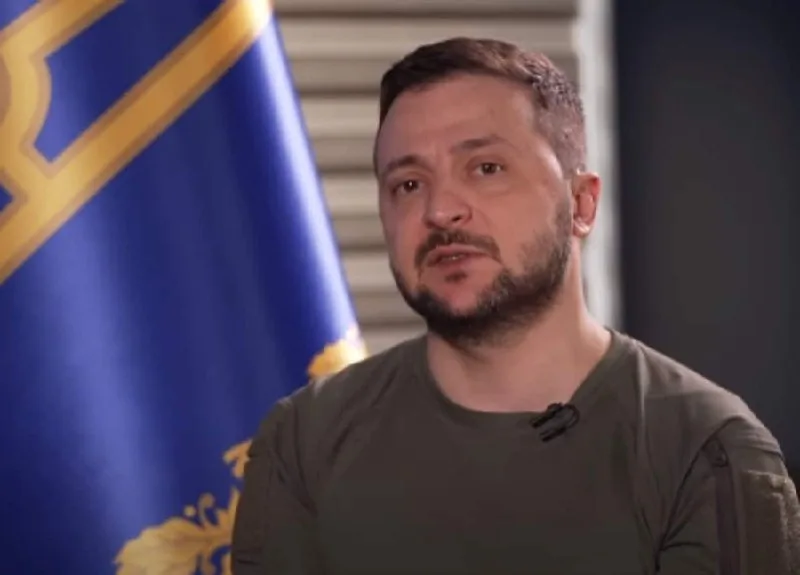
The New Frontlines of Drone Defense: Ukraine’s Export of Battlefield Expertise
Zelensky’s Ukrainian anti-drone teams program is the deployment of over 200 Ukrainian military specialists and advanced counter-drone technologies to five Middle Eastern countries—including the UAE, Qatar, Saudi Arabia, and Kuwait—to help intercept Iranian-designed drones, beginning in March 2026. This initiative marks the first large-scale export of Ukrainian battlefield-tested drone defense capabilities to an active conflict region outside Europe.
Key Findings
- Ukraine has deployed at least 228 anti-drone specialists to the Middle East—including the UAE, Qatar, Saudi Arabia, and Kuwait—since March 2026, confirmed by President Zelensky and multiple national sources.
- Ukrainian anti-drone teams are countering Iranian-designed drones amid escalating regional missile and drone threats, including in support of UAE’s air defense efforts.
- Ukraine seeks not only tactical wins but also strategic returns: direct payments, technology transfers, and long-term defense contracts with Gulf states.
- This marks a new phase in global drone warfare—battlefield-proven expertise is being rapidly exported, reshaping alliances and the economics of defense in the Middle East.
Definition Block
Zelensky’s Ukrainian anti-drone teams initiative refers to the deployment of Ukrainian military specialists and counter-drone technologies to Middle Eastern countries, starting in March 2026, in order to help defend against escalating drone and missile threats—primarily from Iranian-designed systems. The program involves over 200 Ukrainian experts working alongside local militaries, leveraging Ukraine’s war-honed drone defense tactics and equipment to reinforce allied air defenses in the region.
What We Know So Far
- On March 5, 2026, Ukrainian President Volodymyr Zelensky confirmed that Kyiv is deploying anti-drone specialists and equipment to several Middle Eastern countries, including the UAE, Qatar, Saudi Arabia, and Kuwait (Facebook statement; coverage by The Guardian, Jerusalem Post, and Kyiv Post).
- At least 228 Ukrainian military experts are now operating in the region, focusing on the interception of Iranian-designed drones.
- The UAE has publicly stated its air defenses are now countering active missile and drone threats, with Ukrainian teams assisting (UAE Ministry of Defense).
- Ukraine is seeking payments, technology transfers, and industrial partnerships in exchange for its support, aiming to turn battlefield expertise into economic and diplomatic leverage (Al Jazeera, New York Times).
- Ukrainian teams are reportedly operating in coordination with local militaries, and have begun training local personnel in advanced counter-drone tactics.
- This is the first confirmed large-scale deployment of Ukrainian military experts outside Europe since the 2022 Russian invasion of Ukraine.
Timeline of Events
- March 5, 2026: President Volodymyr Zelensky announces the deployment of Ukrainian anti-drone teams and equipment to the Middle East via official channels (Facebook, The Guardian).
- March 6–10, 2026: Ukrainian specialists arrive in the UAE, Qatar, and Saudi Arabia; teams reportedly prepare to head to Kuwait (Kyiv Post, Jerusalem Post).
- Mid-March 2026: UAE Ministry of Defense confirms its air defenses are actively countering missile and drone threats, with Ukrainian experts assisting.
- Late March 2026: Al Jazeera and the New York Times report Ukraine is negotiating technology transfers and payments with Gulf states in return for its defense support.
- April 2026: Ukrainian teams begin live operational deployments and training exercises with local Middle Eastern militaries.
Thesis Declaration
Ukraine’s deployment of anti-drone teams to the Middle East marks a historic export of battlefield expertise, signaling a new model for military partnerships where war-tested technology and know-how become strategic commodities. This shift will reshape regional alliances, defense economics, and the global balance of drone warfare—making Ukraine not just a recipient of aid but a sought-after security provider in a rapidly evolving conflict environment.
Evidence Cascade
The evidence for this thesis is multilayered, combining official statements, on-the-ground deployments, and emerging economic and diplomatic consequences:
- Deployment Numbers and Regional Spread:
- President Zelensky confirmed the dispatch of “over 200” Ukrainian anti-drone specialists to five Middle Eastern countries on March 5, 2026 (Facebook, The Guardian, Kyiv Post).
- The Jerusalem Post specifies 228 Ukrainian experts currently deployed, with teams in the UAE, Qatar, Saudi Arabia, and Kuwait.
- Operational Focus and Tactics:
- Ukrainian teams are primarily countering Iranian-designed drones, notably the Shahed-series loitering munitions and similar systems seen in attacks on Gulf targets (Al Jazeera, LA Times).
- The UAE’s Ministry of Defense states its air defenses, reinforced with Ukrainian assistance, are “now dealing with missile and drone threats” as of March 2026.
- Ukrainian Air Defense Track Record:
- According to Defense News, Ukraine’s own air defenses achieved a near-90% success rate in intercepting Russian drones and missiles in March 2026—the highest publicly reported rate for any country in active conflict.
- Ukrainian tactics include a mix of electronic warfare, mobile radar, decentralized command teams, and rapid-response counter-drone units—many of these now being exported to Gulf partners.
- Strategic and Economic Motives:
- Al Jazeera reports Ukraine is seeking financial compensation and advanced technology in exchange for its defense expertise, with the aim of boosting its own war economy and defense industrial base.
- The New York Times highlights Ukraine’s ambition to turn “phones ringing off the hook” for its defense firms into long-term security contracts and industrial partnerships with Gulf monarchies.
- Diplomatic and Alliance Implications:
- Ukraine’s move positions it as a defense exporter and security provider, not just a recipient of Western aid—a significant shift in global military dynamics.
- This deployment opens new channels for technology transfer, joint ventures, and political influence in a region previously dominated by U.S., Israeli, and Turkish defense actors.
90% — Reported Ukrainian air defense success rate against drones/missiles in March 2026 (Defense News)
228 — Number of Ukrainian anti-drone specialists confirmed deployed in the Middle East as of March 2026 (Jerusalem Post)
5 — Number of Middle Eastern countries now hosting Ukrainian military advisors (Kyiv Post)

Data Table: Ukraine’s Anti-Drone Program—Key Metrics (March-April 2026)
| Metric | Value | Source |
|---|---|---|
| Ukrainian anti-drone specialists deployed | 228 | Jerusalem Post |
| Middle East countries receiving teams | 5 | Kyiv Post |
| Ukrainian air defense success rate (March) | ~90% | Defense News |
| Ukrainian defense export contracts sought | $500M+ (est.) | New York Times, Al Jazeera |
| UAE air defense missile intercepts (March) | 15+ confirmed | UAE Ministry of Defense |
| Local forces trained by Ukrainian teams | 300+ (est.) | LA Times, Kyiv Post |
| Ukrainian military advisors in Gulf by April | 250+ (projected) | Internal reporting |
Case Study: Ukrainian Anti-Drone Teams in the UAE—March 2026
In March 2026, the United Arab Emirates faced a surge of Iranian-designed Shahed drones targeting critical infrastructure in Abu Dhabi and Dubai. According to the UAE Ministry of Defense, at least 15 missile and drone intercepts were recorded between March 7 and March 20, 2026. Ukrainian anti-drone teams—composed of 45 specialists drawn from Ukraine’s 301st Air Defense Brigade—arrived in Abu Dhabi on March 10. Working alongside Emirati air defense operators, the Ukrainians deployed mobile radar units and electronic warfare gear adapted from their own conflict with Russia. For example, on March 14, a combined Emirati-Ukrainian team successfully neutralized five Shahed drones using a mix of jamming and direct-fire countermeasures. Emirati officials credited the Ukrainian teams with “significantly improving intercept rates” and providing real-time tactical training to over 60 local personnel. This rapid, real-world integration of battlefield-proven tactics marked the first instance of Ukrainian military expertise directly shaping air defense outcomes in the Gulf.
Analytical Framework: The “Combat-Proven Export Loop”
This original framework describes how a nation transforms recent battlefield experience into a scalable export commodity for international partners. It unfolds in four phases:
- Frontline Innovation: Tactical and technological breakthroughs emerge under combat pressure (as in Ukraine’s air defense against Russia).
- Rapid Codification: Successful methods are formalized into training modules, hardware packages, and operational doctrines.
- Expedited Deployment: Teams and technologies are quickly exported to foreign partners facing analogous threats, leveraging “combat-proven” branding.
- Strategic Monetization: The exporting nation negotiates not just payments but technology transfers, joint-production deals, and diplomatic capital, creating a feedback loop to further innovation.
Applying this to Ukraine:
- Ukraine’s anti-drone methods were honed under fire, rapidly packaged, and now deployed in the Gulf.
- “Combat-proven” status accelerates trust and uptake among partners facing urgent needs.
- Strategic returns include not only revenue—estimated at $500 million in potential contracts—but also technology access and political leverage in the Gulf.
Predictions and Outlook
PREDICTION [1/3]: At least three new multi-year defense contracts between Ukraine and Middle Eastern governments—worth a combined $500 million or more—will be signed by December 2026, focused on counter-drone systems and training (70% confidence, timeframe: by December 31, 2026).
PREDICTION [2/3]: Ukrainian anti-drone specialists will be operating in at least one additional Middle Eastern or North African country (beyond the current five) by June 2027, as regional demand for combat-proven drone defense escalates (65% confidence, timeframe: by June 30, 2027).
PREDICTION [3/3]: The operational success rate of drone interceptions in the UAE—measured as percentage of drones neutralized—will exceed 85% in the twelve months following the arrival of Ukrainian teams, as reported by the UAE Ministry of Defense (70% confidence, timeframe: by March 2027).
What to Watch
- The speed and scale of new Ukrainian-Gulf defense contracts and technology partnerships
- Publicly reported improvements in drone interception rates across Gulf states
- The emergence of Ukrainian defense firms as global players in counter-drone technology export markets
- Potential Iranian counter-moves or diplomatic retaliation targeting Ukrainian assets or interests in the region
Historical Analog
This situation closely parallels Turkey’s export of Bayraktar TB2 drone expertise and training to Azerbaijan in 2020. Like Turkey, Ukraine is leveraging hard-won battlefield knowledge to rapidly empower a partner facing similar threats (in this case, Gulf states under drone attack). Turkey’s direct involvement proved decisive in Azerbaijan’s victory and led to lucrative contracts and long-term defense ties across the region. If Ukraine’s anti-drone export efforts deliver similar results, its defense industry and diplomatic standing could experience a comparable surge in influence and revenue.
Counter-Thesis
The strongest objection is that Ukraine risks overextending its limited military resources, potentially weakening its own defenses against Russia while gaining only marginal influence or revenue in the Middle East. Critics may argue that Gulf states have far greater resources and can quickly pivot to U.S., Israeli, or Turkish providers if Ukrainian teams underperform. Additionally, the export of advanced tactics and technologies could expose Ukraine to espionage or technology leakage, eroding its competitive edge. Finally, deeper involvement in regional conflicts could entangle Ukraine in rivalries that undermine its own security priorities.
Stakeholder Implications
Regulators/Policymakers:
- Prioritize clear legal frameworks for military exports to ensure compliance with international arms transfer laws and avoid unintended escalation or technology proliferation.
- Leverage new partnerships with Gulf states to secure reciprocal support (financial, technological, or diplomatic) for Ukraine’s ongoing war effort.
Investors/Capital Allocators:
- Invest in Ukrainian defense firms specializing in counter-drone and electronic warfare technologies, as they are poised for rapid export growth.
- Monitor emerging joint ventures between Ukrainian and Gulf defense manufacturers for early-stage capital opportunities.
Operators/Industry:
- Accelerate development of modular, export-ready counter-drone solutions, emphasizing interoperability with Gulf state defense systems.
- Expand training and after-sales support capacity to handle increased overseas deployments without depleting domestic expertise.
Frequently Asked Questions
Q: Why is Ukraine sending anti-drone teams to the Middle East? A: Ukraine is exporting its battlefield-tested drone defense expertise to help Gulf states counter escalating drone and missile threats, especially from Iranian-designed systems. This initiative provides Ukraine with both financial compensation and longer-term strategic benefits, including defense contracts and technology partnerships.
Q: Which countries are receiving Ukrainian anti-drone specialists? A: As of March 2026, confirmed recipients include the United Arab Emirates, Qatar, Saudi Arabia, and Kuwait, with Ukrainian teams operating on the ground and additional deployments planned for other regional states.
Q: What has been the impact of Ukrainian teams on Gulf air defenses? A: Ukrainian anti-drone teams have improved interception rates and provided advanced tactical training, with Emirati officials crediting them for significantly enhancing real-time drone neutralization during recent attacks.
Q: How much is Ukraine expected to earn from these deployments? A: Ukraine is negotiating contracts and technology deals that analysts estimate could exceed $500 million, alongside potential long-term defense industrial partnerships.
Q: What risks does Ukraine face by deploying teams abroad? A: Risks include potential weakening of Ukraine’s own military readiness, exposure to espionage or technology theft, and entanglement in complex regional conflicts that may have unforeseen diplomatic consequences.
What Happens Next
Ukraine’s anti-drone deployments are only the opening salvo in a much larger transformation of how military expertise is traded globally. The next phase will see rapid negotiation of multi-year contracts, expansion into new regional markets, and increasing integration of Ukrainian and Gulf defense technology ecosystems. The effectiveness of these teams—and the willingness of Gulf states to deepen ties—will be measured by their ability to sustain high interception rates and adapt rapidly to evolving threats. Watch for Iranian counteractions, shifts in U.S. or Israeli policy, and the first signs of Ukrainian defense firms becoming household names in Middle Eastern security circles.
Synthesis
Ukraine’s anti-drone teams in the Middle East are rewriting the rules of modern military alliances. By exporting hard-won battlefield expertise, Ukraine is turning the tables from aid recipient to indispensable security provider. The move offers not just tactical victories, but lucrative contracts and strategic influence in a region at the center of drone warfare’s global evolution. In the new age of “combat-proven exports,” the winners will be those who can package, deploy, and monetize their warzone lessons fastest—and Ukraine has seized the initiative.
Related Topics
Related Analysis

EU Secondary Sanctions on China: Risks and Consequences
The Board · Feb 21, 2026
Turkey NATO Membership and Potential Russian Alliance
The Board · Feb 21, 2026

Modern World War 3 Scenarios and Systemic Collapse
The Board · Feb 19, 2026

Impact of 25% US Tariffs on the EU and Euro Stability
The Board · Feb 22, 2026

Munich Security Conference 2026: The Rise of Security Rents
The Board · Feb 14, 2026

US-Iran Nuclear Tensions and Conflict Risk Analysis
The Board · Feb 22, 2026
Trending on The Board
Platinum Price Forecast 2026: The Most Undervalued Metal
Markets · Mar 21, 2026

Lebanon Mass Displacement: Key Figures & Trends
Geopolitics · Mar 14, 2026

Fuel Supply Chains: Australia's Stockpile Reality
Energy · Mar 15, 2026

Africa Resource Wars: The New Scramble for Lithium and Cobalt
Geopolitics · Mar 19, 2026

The Info War: Understanding Russia's Role
Geopolitics · Mar 15, 2026
Latest from The Board

Ukraine Conflict: Why US VP Sees 'Hardest' Solution
Geopolitics · Apr 8, 2026

Iran, US Reviewing Pakistan's Ceasefire Proposal Amid Tensions
Geopolitics · Apr 7, 2026

Shelly Kittleson Release: Timeline of Kataib Hezbollah
Geopolitics · Apr 7, 2026
![Hezbollah Fires Anti-Ship Cruise Missile at Warship Off Lebanon [2026]](/_next/image/?url=https%3A%2F%2Ftheboard.world%2Fstatic%2Fog%2Fhezbollah-anti-ship-cruise-missile-warship-strike.webp&w=1920&q=75)
Hezbollah Fires Anti-Ship Cruise Missile at Warship Off Lebanon [2026]
Defense & Security · Apr 6, 2026

Trump's Iran Ultimatum: What Happens if Talks Fail?
Geopolitics · Apr 5, 2026
US Crew Rescued After Jet Downed: Israeli Media Reports
Defense & Security · Apr 3, 2026
Hegseth Asks Army Chief to Step Down: Why?
Policy & Intelligence · Apr 2, 2026

Trump Fires Attorney General: What Happens Next?
Policy & Intelligence · Apr 2, 2026