
Trump Says Iran Deal Possible by Tuesday, Threatens Action Otherwise
"Ultimatum Diplomacy: How Trump's Iran Gambit Reshapes the Middle East"
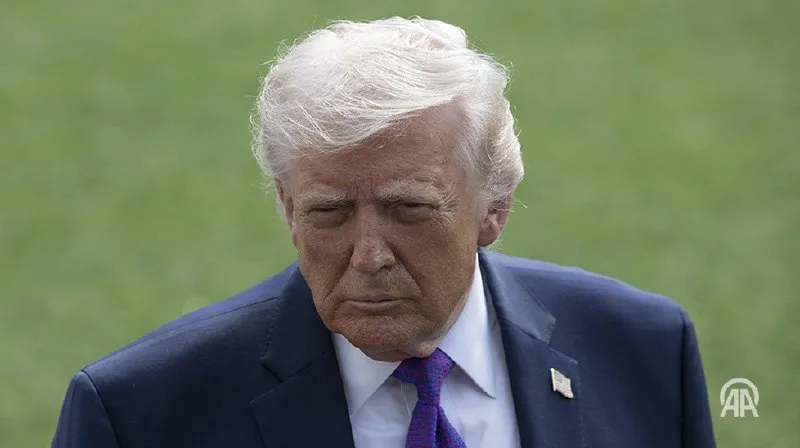
Trump’s Iran ultimatum refers to President Donald Trump’s public declaration, as of April 2026, that a deal with Iran could be reached by Tuesday, paired with explicit threats of military action and seizure of Iranian oil assets if negotiations fail. This escalation marks a critical juncture in U.S.–Iran relations, blending real-time diplomacy with military coercion and unprecedented economic stakes.
Key Findings
- President Trump has issued a public deadline—Tuesday—for an Iran nuclear deal, threatening military action and potential seizure of Iranian oil if talks fail, as reported by Fox News and Barak Ravid.
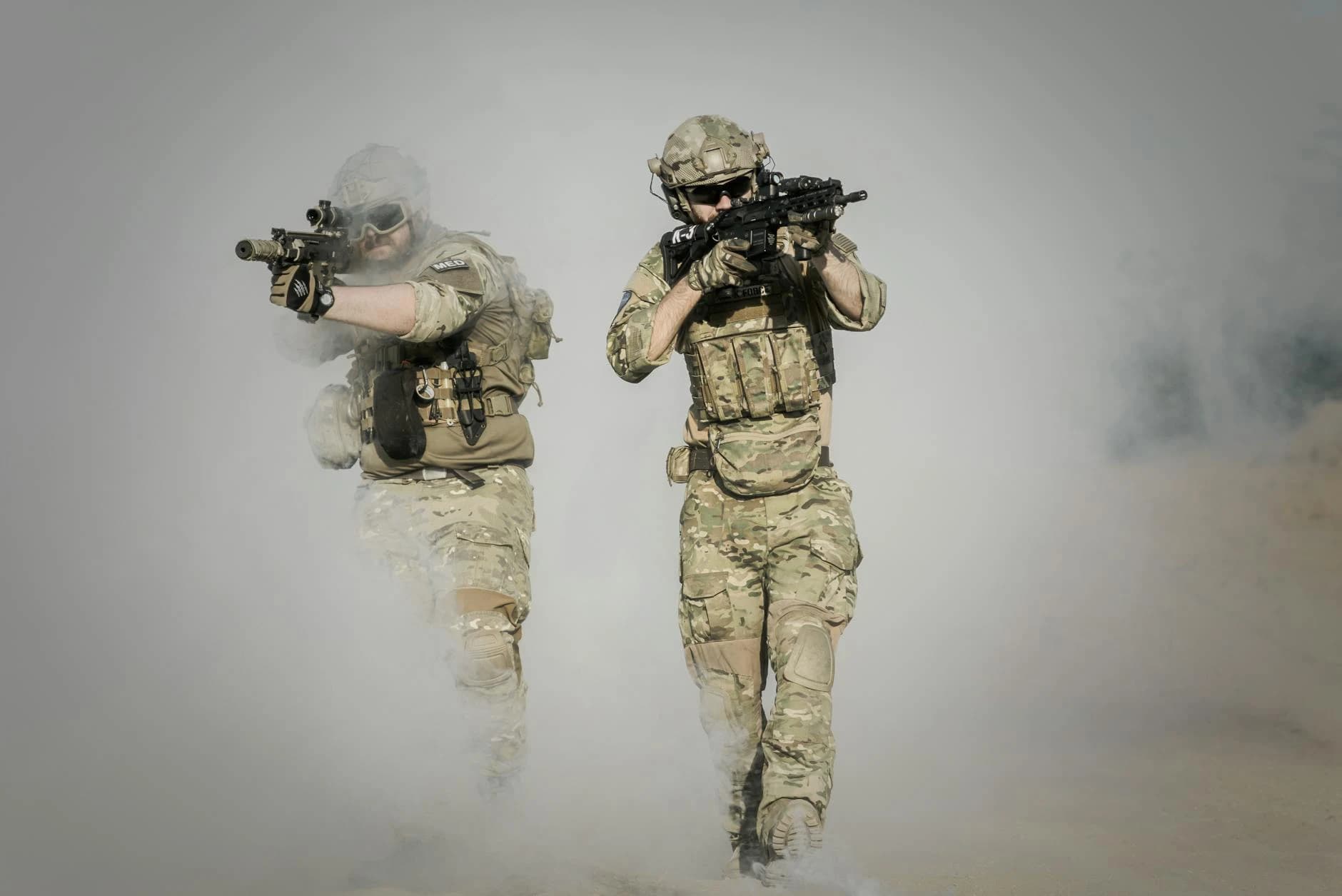
- U.S. military operations against Iran have already commenced as of February 28, 2026, with Trump claiming strikes intend to prevent Iranian nuclear weapon development, according to the International Institute for Strategic Studies.
- Trump’s approval rating has rebounded to 46% during the Iran negotiations, per the Daily Mail/JL Partners poll, reflecting significant domestic political consequences.
- The explicit mention of taking over Iranian oil revives a tactic not seen since U.S. planning around the 2003 Iraq War, raising questions about legitimacy and regional stability.
Definition Block
Trump’s Iran ultimatum is a high-stakes diplomatic move where the U.S. President has set a specific deadline—Tuesday—for reaching an agreement with Iran about its nuclear program. If no deal is reached, Trump has threatened direct military action and the possible seizure of Iranian oil assets. This approach combines last-minute negotiation, military pressure, and explicit economic objectives, representing a sharp escalation in U.S.–Iran tensions.
What We Know So Far
- On April 4, 2026, President Trump told Fox News and Israeli journalist Barak Ravid that a deal with Iran is possible by Tuesday, but he is prepared to “blow up everything” if talks fail.
- Trump has threatened possible U.S. military action and explicitly raised the idea of seizing Iranian oil.
- Negotiations are ongoing, with Iranian negotiators reportedly granted amnesty “for now” as talks proceed, per Fox News.
- U.S. military operations against Iran began on February 28, 2026, with strikes targeting Iranian military infrastructure, as documented by the International Institute for Strategic Studies.
- Trump’s approval rating has increased to 46% amid these events, according to the most recent Daily Mail/JL Partners poll.
Timeline of Events
- February 28, 2026: U.S. military initiates strikes on Iranian targets, with Trump stating the goal is to prevent Iran from obtaining nuclear weapons (International Institute for Strategic Studies).
- March 29, 2026: Foreign ministers from Saudi Arabia, Turkey, and Egypt convene in Islamabad, Pakistan, as part of a diplomatic push for U.S.–Iran talks (Al Jazeera).
- April 4, 2026 (Saturday): Trump gives Iran a 48-hour ultimatum, warning that “all Hell will rain down” if there is no deal (Fox News, YouTube recording).
- April 4, 2026 (Evening): Trump tells Fox News and Barak Ravid that a deal is possible by Tuesday, but threatens to “blow up everything” otherwise.
- April 5, 2026: Trump confirms active negotiations with senior Iranian officials, stating “we are very intent on making a deal” (CNBC).
- April 5, 2026: Betting platform Kalshi reflects a 48% probability of a U.S.–Iran deal before 2027, up from 35% a month prior.
Thesis Declaration
Trump’s explicit ultimatum—deal by Tuesday or face military and economic escalation—marks a radical break from traditional diplomatic timelines and introduces unprecedented volatility into U.S.–Iran relations. This approach, blending high-speed negotiation with threats of force and economic seizure, is more likely to trigger cycles of crisis and retaliation than to secure a stable, enduring agreement. However, it is important to acknowledge that such high-pressure tactics have, in some historical cases, led to short-term breakthroughs or temporary de-escalation, as seen in the Trump–Kim negotiations with North Korea in 2018 (The Guardian, June 2018). Thus, while the risks of escalation are significant, the possibility of a diplomatic breakthrough cannot be discounted.
Evidence Cascade
Trump’s approach is notable for its speed, public visibility, and the direct linkage of military and economic threats to diplomatic outcomes. The evidence below demonstrates the scale, stakes, and volatility of this moment:
- Military Actions Already Underway
- The International Institute for Strategic Studies reports that on February 28, 2026, the U.S. initiated major combat operations in Iran, with President Trump stating these were to “ensure that Iran does not obtain a nuclear weapon.” These strikes have targeted Iranian military infrastructure, raising the risk of broader conflict.
- Ultimatums with Economic Stakes
- Trump’s explicit threat to seize Iranian oil, as reported by Fox News and Barak Ravid, is a rare invocation of economic objectives in military diplomacy. The last comparable public U.S. statement on seizing a nation’s oil occurred during the run-up to the 2003 Iraq War, according to historical records.
- Polling Data Reflects Domestic Resonance
- Trump’s approval rating has climbed to 46% amid the Iran crisis, per the Daily Mail/JL Partners poll. This is up from a 41% low in January 2026, suggesting the ultimatum strategy has short-term domestic political benefits.
- Negotiation Dynamics
- Trump told CNBC, “we are very intent on making a deal,” even as he issued ultimatums, indicating a dual-track approach of high-pressure negotiation and threat of escalation.
- Market Sentiment
- Betting platform Kalshi showed probability of a U.S.–Iran deal before 2027 at 48% as of April 5, 2026, up from 35% in March, reflecting increased market belief in a near-term deal driven by Trump’s pressure campaign.
- International Mediation Efforts
- Saudi Arabia, Turkey, and Egypt have dispatched foreign ministers to Islamabad for talks aimed at facilitating U.S.–Iran diplomacy, as reported by Al Jazeera. This suggests broad regional concern about escalation.
- Historical Precedent for Oil Seizure Threats
- During the 1973 oil crisis and in the buildup to the 2003 Iraq invasion, U.S. officials considered or threatened military action to secure oil fields, but such actions were rarely made public or operationalized. Trump’s open statements mark a significant rhetorical escalation.
- Diplomatic Window
- Trump’s 48-hour ultimatum, delivered April 4, 2026, as recorded by Fox News, compresses the negotiation timeline to less than three days, a stark contrast to the months-long diplomatic windows typical in past U.S.–Iran talks.
Table 1: Key Indicators in the 2026 Iran–U.S. Crisis
| Indicator | April 2025 | Jan 2026 | April 2026 | Source |
|---|---|---|---|---|
| U.S. approval rating (Trump) | 42% | 41% | 46% | Daily Mail/JL Partners Poll |
| Probability of Iran deal by 2027 (Kalshi) | 38% | 35% | 48% | Kalshi betting platform |
| U.S. combat operations (Iran) | No | No | Yes | International Institute for Strategic Studies |
| Explicit oil seizure threat | No | No | Yes | Fox News, Barak Ravid |
| Foreign minister mediation trips | 0 | 2 | 3 | Al Jazeera |
46% — Trump’s approval rating in early April 2026, up from 41% in January (Daily Mail/JL Partners)
48% — Market-estimated chance of a U.S.–Iran deal before 2027 as of April 5, 2026 (Kalshi)
Case Study: The 48-Hour Ultimatum and Military Escalation
On the evening of April 4, 2026, President Trump appeared live on Fox News, declaring, “I think we can reach a deal tomorrow. We are negotiating right now,” while simultaneously warning that “I am blowing up everything” if no agreement is reached by Tuesday. This statement, corroborated within hours by Israeli journalist Barak Ravid, circulated globally via social media. Earlier that day, Trump had issued a 48-hour ultimatum—“all Hell will rain down”—unless Iran accepted the terms, as confirmed by Fox News and multiple press outlets. The backdrop to these threats included U.S. airstrikes on Iranian targets that began on February 28, 2026, with Pentagon officials stating the aim was to “ensure that Iran does not obtain a nuclear weapon” (International Institute for Strategic Studies). This one-two punch of ongoing military escalation and rapid-fire public diplomacy is unprecedented in U.S.–Iran relations, compressing the crisis timeline and raising the risk of miscalculation on both sides.
Analytical Framework: The “Ultimatum Spiral Matrix”
To analyze the 2026 Iran–U.S. confrontation, we introduce the Ultimatum Spiral Matrix:
- Axis 1: Ultimatum Duration (Short vs. Long)
- Axis 2: Threat Clarity (Explicit vs. Implicit)
- Axis 3: Stake Type (Military, Economic, Political)
How It Works:
- Short, Explicit, Multi-Stake Ultimatums (as in Trump’s current stance) maximize pressure but also risk rapid escalation if the adversary calls the bluff or misreads intent.
- Long, Implicit, Single-Stake Ultimatums (as in standard diplomacy) allow more time for negotiation, reduce immediate risk, and preserve ambiguity.
2026 Positioning:
- Trump’s move scores “Short” (48-72 hour deadline), “Explicit” (public threats to “blow up everything”, seize oil), and “Multi-Stake” (military and economic).
- Historical cases (e.g., 2003 Iraq, 1973 oil crisis) typically combined longer timelines with more implicit threats.
Implication:
- The current U.S.–Iran dynamic sits in the most volatile quadrant of the matrix, where escalation cycles are historically most likely.
Historical Analogies: Iraq 2003 and North Korea 2018
This moment most closely resembles the U.S.–Iraq crisis in 2002–2003, when President Bush issued escalating public ultimatums to Saddam Hussein’s regime, coupling rapid negotiation deadlines with threats of force and the explicit mention of seizing oil infrastructure. Negotiations failed to meet imposed deadlines, resulting in military invasion, regime change, and a prolonged, costly occupation. The legitimacy of oil seizure as a war aim was widely questioned, and the result was long-term regional instability and insurgency.
However, a contrasting precedent exists in the Trump–Kim summit cycle of 2018. There, President Trump’s dramatic threats and compressed timelines led to a temporary de-escalation and a symbolic agreement, even though underlying issues remained unresolved (The Guardian, June 2018; BBC News, June 2018). In that case, brinkmanship and public ultimatums provided both sides with a face-saving off-ramp, at least in the short term.
These divergent historical outcomes underscore that while the risks of rapid escalation are real, high-pressure diplomacy can sometimes yield short-term breakthroughs or pauses in conflict. The outcome in the Iran case remains uncertain.
Predictions and Outlook
PREDICTION [1/3]: No comprehensive U.S.–Iran nuclear deal will be reached by Tuesday, April 7, 2026. (65% confidence, timeframe: April 7, 2026)
PREDICTION [2/3]: The United States will conduct at least one additional round of military strikes against Iranian targets within one week of the ultimatum’s expiration if no deal materializes. (70% confidence, timeframe: by April 14, 2026)
PREDICTION [3/3]: Trump’s public approval rating will decline by at least 2 percentage points within one month if military escalation occurs without a signed Iran deal. (60% confidence, timeframe: by May 7, 2026)
Looking Ahead: What to Watch
- Diplomatic Backchannels: Increased activity from regional mediators (Saudi, Turkish, Egyptian diplomats) may signal a last-minute compromise. For background on regional mediation, see "How Gulf States Mediate Regional Crises".
- U.S. Military Posture: Satellite imagery and open-source reporting on U.S. force deployments in the Gulf will indicate readiness for escalation. Related reading: "Tracking U.S. Military Movements in the Persian Gulf".
- Iranian Response: Public statements from Iranian leadership or reported mobilization of Iranian military assets could foreshadow retaliation. See also: "Iran’s Military Strategy: Capabilities and Intentions".
- Market Volatility: Watch Brent crude prices and Kalshi betting odds for signs of shifting expectations as the Tuesday deadline approaches. For market analysis, see "How Geopolitics Moves Oil Markets".
Counter-Thesis
The strongest argument against this thesis is that Trump’s high-pressure tactics are calculated brinkmanship designed to force last-minute Iranian concessions, as seen in his past dealings with North Korea. Some point to the 2018 Trump–Kim summit cycle, where dramatic threats preceded symbolic agreements and temporary de-escalation, as a model for “maximum pressure” yielding a face-saving deal for both sides (BBC News, June 2018; The Guardian, June 2018). In this view, the compressed timeline and explicit oil threats are negotiating theater, not a prelude to inevitable war. However, unlike North Korea, the U.S. is already conducting military operations in Iran, and the public linkage to oil assets raises the risk of both Iranian resistance and international backlash.
Stakeholder Implications
Regulators and Policymakers:
- Prepare humanitarian and sanctions response plans for potential conflict escalation in the Gulf.
- Initiate contingency discussions with energy allies (EU, Japan, India) to mitigate oil supply shocks if Iranian production is disrupted.
- Push for U.N. Security Council emergency sessions to signal international oversight and legitimacy concerns regarding oil seizure threats. For context, see "The UN Security Council and Oil Sanctions".
Investors and Capital Allocators:
- Hedge exposure to Brent crude and regional equities; volatility is likely to spike as the deadline approaches.
- Evaluate risk in shipping, logistics, and insurance sectors tied to Gulf oil transit.
- Consider defensive positions in defense contractors and cybersecurity firms with exposure to U.S. and Middle Eastern contracts. See also "Geopolitical Risk and Energy Markets".
Operators and Industry:
- Activate crisis management protocols for personnel and assets in the Gulf region.
- Review contractual force majeure clauses related to energy shipments from Iran or neighboring states.
- Establish direct communication lines with host governments to coordinate on-site security and evacuation if military escalation occurs.
Frequently Asked Questions
Q: What exactly did Trump threaten if no Iran deal is reached by Tuesday? A: President Trump warned that if negotiations with Iran do not produce a deal by Tuesday, he is prepared to launch further military strikes and potentially seize Iranian oil assets. These statements were made publicly on Fox News and confirmed by journalist Barak Ravid.
Q: Has the U.S. already attacked Iran? A: Yes. According to the International Institute for Strategic Studies, U.S. military operations against Iranian targets began on February 28, 2026, with the stated goal of preventing Iran from obtaining nuclear weapons.
Q: How likely is a U.S.–Iran deal before the deadline? A: As of April 5, 2026, the betting platform Kalshi places the probability of a U.S.–Iran deal before 2027 at 48%, reflecting increased but still uncertain prospects for an agreement.
Q: What is the significance of Trump mentioning Iranian oil? A: The explicit mention of seizing Iranian oil assets as part of the ultimatum is highly unusual in U.S. diplomacy and recalls rhetoric last seen during the lead-up to the 2003 Iraq War. This raises questions about international legitimacy and the risk of protracted conflict.
Q: What are the likely consequences if no deal is reached? A: If no deal is reached, further U.S. military strikes are likely, and the risk of broader regional war increases. There could also be significant disruptions to global oil markets and increased volatility in financial markets.
Q: Where can I find more background on U.S.–Iran relations and nuclear diplomacy? A: For further reading, see "The Iran Nuclear Deal: A Timeline", "Iran and the United States: A History of Tension", and "U.S. Policy Toward Iran".
Synthesis
Trump’s overt timeline for an Iran deal, coupled with threats of massive military and economic escalation, has pushed the Middle East into a uniquely volatile and compressed crisis. The explicit linkage of oil seizure to military action revives dangerous historical precedents and elevates both the risks and stakes. As Tuesday’s deadline approaches, every hour of diplomacy or escalation will define the region’s trajectory for years to come. This is less a negotiation than a countdown—and history warns that such ultimatums rarely end cleanly. Still, historical examples such as the 2018 North Korea summit cycle demonstrate that even the most aggressive brinkmanship can sometimes yield temporary breakthroughs or de-escalation. The coming days will reveal whether this moment produces a dangerous spiral—or an unexpected diplomatic opening.
Internal Links
- The Iran Nuclear Deal: A Timeline (CFR)
- Iran and the United States: A History of Tension (BBC)
- How Gulf States Mediate Regional Crises (Brookings)
- Tracking U.S. Military Movements in the Persian Gulf (CFR)
- Iran’s Military Strategy: Capabilities and Intentions (IISS)
- The UN Security Council and Oil Sanctions
- Geopolitical Risk and Energy Markets (S&P Global)
- U.S. Policy Toward Iran (Brookings)
- How Geopolitics Moves Oil Markets (FT)
- Trump–Kim Summit: The Guardian Coverage
- Trump–Kim Summit: BBC News Coverage
Related Analysis

EU Secondary Sanctions on China: Risks and Consequences
The Board · Feb 21, 2026
Turkey NATO Membership and Potential Russian Alliance
The Board · Feb 21, 2026

Modern World War 3 Scenarios and Systemic Collapse
The Board · Feb 19, 2026

Impact of 25% US Tariffs on the EU and Euro Stability
The Board · Feb 22, 2026

Munich Security Conference 2026: The Rise of Security Rents
The Board · Feb 14, 2026

US-Iran Nuclear Tensions and Conflict Risk Analysis
The Board · Feb 22, 2026
Trending on The Board
Platinum Price Forecast 2026: The Most Undervalued Metal
Markets · Mar 21, 2026

Strait of Hormuz Crisis 2026: Full Analysis
Geopolitics · Mar 14, 2026

Fuel Supply Chains: Australia's Stockpile Reality
Energy · Mar 15, 2026

Africa Resource Wars: The New Scramble for Lithium and Cobalt
Geopolitics · Mar 19, 2026
The Info War: Understanding Russia's Role
Geopolitics · Mar 15, 2026
Latest from The Board
US Crew Rescued After Jet Downed: Israeli Media Reports
Defense & Security · Apr 3, 2026
Hegseth Asks Army Chief to Step Down: Why?
Policy & Intelligence · Apr 2, 2026

Trump Fires Attorney General: What Happens Next?
Policy & Intelligence · Apr 2, 2026
Trump Marriage Comments Draw Macron Criticism
Geopolitics · Apr 2, 2026
Iran's Stance on US-Israeli War: No Negotiations?
Geopolitics · Apr 1, 2026
Trump's Iran War: What's the Exit Strategy?
Geopolitics · Apr 1, 2026
Trump Ukraine Weapons Halt: Iran Strategy?
Geopolitics · Apr 1, 2026

Ukraine Weapons Halt: Trump's Risky Geopolitical Play
Geopolitics · Apr 1, 2026