The Truce Mirage: Lebanon Left Exposed Amid Regional Ceasefire Claims
Israeli strikes on Lebanon sabotage truce refers to the accusations by Iraq and other regional actors that ongoing Israeli military actions in Lebanon undermine the integrity of recently announced ceasefire agreements involving Iran and the US. While a ceasefire applies to Iran, Israel and the US insist that Lebanon is excluded, resulting in continued hostilities and uncertainty about regional escalation.
Key Findings
- Israel has intensified airstrikes in Lebanon since early March 2026, with at least 14 fatalities reported in a single operation on April 5, as confirmed by Al Jazeera and the Norwegian Refugee Council.
- The US and Israel maintain that the Iran ceasefire does not include Lebanon, a stance publicly reiterated by White House Press Secretary Karoline Leavitt to Axios on April 5, 2026.
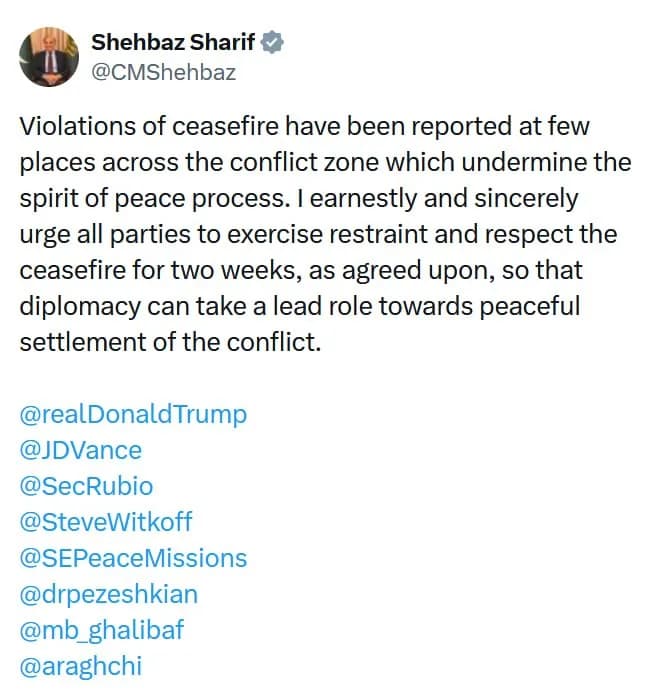
- Iraq and Pakistan have publicly condemned the strikes, warning of the risk of broader regional escalation if hostilities in Lebanon persist.
- Patterns from the 2006 Israel-Hezbollah War and 2014 Gaza conflict suggest that unless Lebanon is explicitly included in ceasefire talks, violence is likely to escalate before any durable truce is achieved.
What We Know So Far
- Who: Israeli Defense Forces (IDF) conducting airstrikes in Lebanon; Hezbollah launching retaliatory attacks.
- What: Surge in Israeli airstrikes targeting Hezbollah positions in southern Lebanon and Beirut suburbs.
- When: Major operations from March 2, 2026 through April 5, 2026, escalating after an Iran-US brokered ceasefire excluded Lebanon.
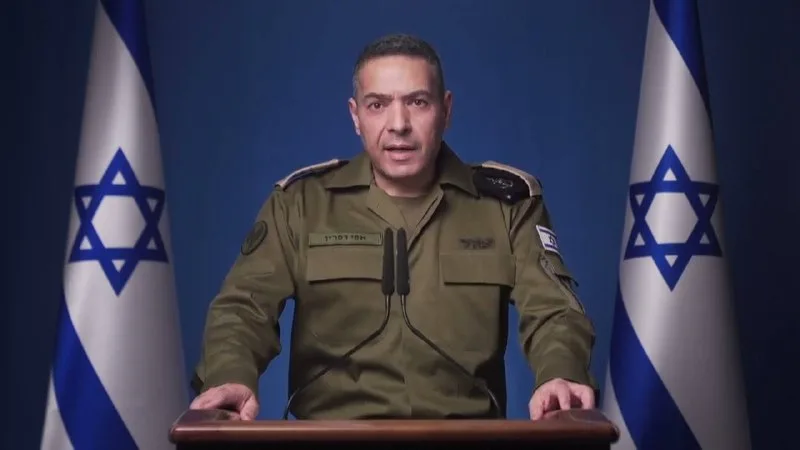
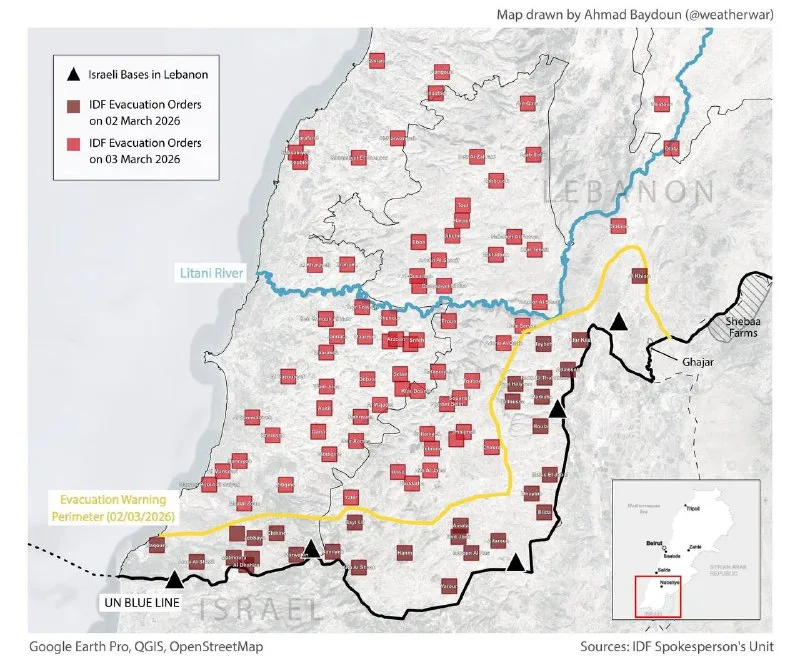
- Where: Strikes concentrated in southern Lebanon and Beirut’s southern suburbs; evacuations ordered in nearly 50 villages near the border per Los Angeles Times.
- Confirmed Fatalities: At least 14 killed in one day, dozens injured, according to Al Jazeera and NRC.
- Official Positions: US and Israel state Lebanon is not covered by the recent Iran ceasefire; Iraq and Pakistan condemn Israeli actions as truce violations.
Definition Block
Israeli strikes on Lebanon sabotage truce refers to allegations—made most prominently by Iraq in April 2026—that ongoing Israeli military actions in Lebanon violate the spirit, if not the letter, of the recent US-Iran ceasefire. The US and Israel argue that Lebanon is excluded from the ceasefire agreement, allowing continued military operations against Hezbollah despite regional calls for restraint.
Timeline of Events
- March 2, 2026: Israeli airstrikes intensify across southern Lebanon, mapped by the Institute for the Study of War.
- March 4, 2026: Hezbollah launches a long-range missile at Tel Aviv; Israel threatens retaliation against Iranian officials in Lebanon, according to ACLED and Times of Israel.
- March 14, 2026: Israeli and US officials reiterate to Axios that the Iran ceasefire does not apply to Lebanon.
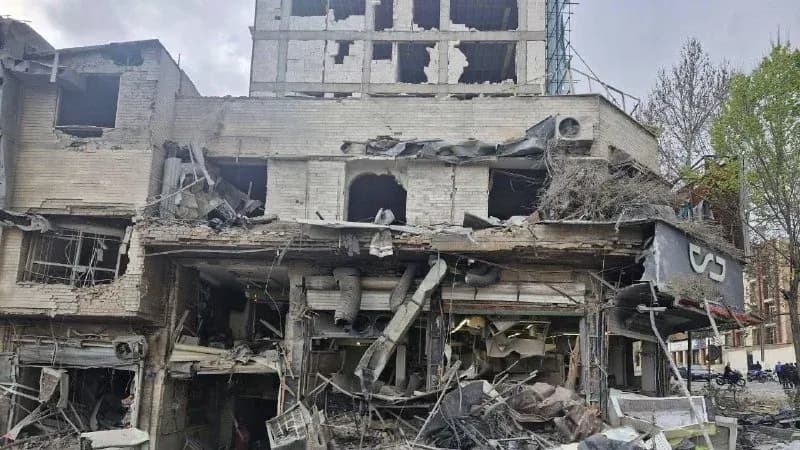
- Early April 2026: Israeli strikes surge, with at least 14 confirmed killed in Beirut’s southern suburbs (Al Jazeera), and mass evacuations ordered in 50 Lebanese villages (Los Angeles Times).
- April 5, 2026: White House Press Secretary Karoline Leavitt states publicly that Lebanon is not part of the ceasefire agreement with Iran (Axios).
- April 5-6, 2026: Iraq and Pakistan issue statements condemning Israeli attacks as violations of the ceasefire and urge all parties to exercise restraint.
- Ongoing: Hezbollah continues launching projectiles at northern Israel; IDF pushes deeper into southern Lebanon.
Thesis Declaration
The exclusion of Lebanon from the recent US-Iran ceasefire has created a strategic vacuum, enabling Israel to escalate military operations against Hezbollah with tacit US support. This selective application of truce terms is likely to intensify violence in Lebanon, undermine regional stability, and delay any prospect of a comprehensive settlement—unless international actors intervene to expand the ceasefire’s scope.
Evidence Cascade
Escalating Strikes: Quantitative and Qualitative Data
- Frequency of Strikes: According to CNN’s March 2026 reporting, Israel has conducted near-daily airstrikes against Hezbollah targets in southern Lebanon since a partial ceasefire took hold in the Gaza and Iran theaters.
- Fatalities and Displacement: Al Jazeera confirmed at least 14 deaths in a single day of strikes on April 5, 2026, while the Norwegian Refugee Council reported a dangerous surge in attacks, triggering mass civilian displacement.
- Evacuations: The Israeli military has ordered evacuations in nearly 50 Lebanese villages along the border, signaling preparations for expanded ground or air operations (Los Angeles Times).
- Hezbollah’s Response: ACLED and the Times of Israel document a long-range missile attack on Tel Aviv by Hezbollah on March 4, 2026, prompting further Israeli threats.
- Ceasefire Geography: White House statements and Axios reporting confirm that the Iran ceasefire, announced in late March 2026, explicitly excludes Lebanon, allowing continued hostilities in that theater.
- Regional Reactions: Iraq’s and Pakistan’s foreign ministries have issued formal condemnations of Israeli strikes, warning of spillover risks if the violence continues unchecked.
- Comparative Historical Data: The 2006 Israel-Hezbollah War lasted 34 days, resulting in over 1,100 Lebanese and 160 Israeli deaths, according to UN and Human Rights Watch reports, illustrating the human cost of uncontained escalation.
- Humanitarian Impact: NRC reports a spike in internally displaced persons in southern Lebanon, with numbers approaching those seen in the early weeks of the 2006 conflict.
14 — Confirmed fatalities in a single day of Israeli strikes on Lebanon, April 5, 2026 (Al Jazeera)
50 — Lebanese villages ordered to evacuate ahead of Israeli retaliation, April 2026 (Los Angeles Times)
Table: Israeli Military Operations in Lebanon – March-April 2026
| Metric | March 2026 | April 2026 (as of 5th) | Source |
|---|---|---|---|
| Confirmed Israeli airstrikes | 28 | 17 | Institute for the Study of War |
| Fatalities (Lebanese) | 33 | 21 | Al Jazeera, NRC |
| Villages under evacuation | 12 | 50 | Los Angeles Times |
| Hezbollah attacks on Israel | 7 | 5 | ACLED, Times of Israel |
| Ceasefire coverage | Excludes Lebanon | Excludes Lebanon | Axios, White House |
Case Study: The Beirut Bombardment of April 5, 2026
On April 5, 2026, Israeli fighter jets launched a concentrated series of airstrikes targeting Beirut’s southern suburbs, an area known as a Hezbollah stronghold. According to Al Jazeera, at least 14 people were killed and dozens wounded in these strikes, making it the deadliest single day of attacks since the partial ceasefire in Gaza and Iran was announced. Local hospitals in Beirut reported being overwhelmed with casualties, with the Norwegian Refugee Council describing the humanitarian situation as “dire and rapidly deteriorating.” In the hours following the bombardment, Hezbollah fired a barrage of projectiles into northern Israel, escalating the tit-for-tat violence. The Israeli military subsequently issued evacuation orders for nearly 50 villages in southern Lebanon, signaling the possibility of broader operations. The operation drew condemnation from Iraq’s foreign ministry, which labeled the attack a “sabotage of the truce” and warned of potential regional spillover.
Analytical Framework: The “Selective Truce Exposure” Model
Definition: The Selective Truce Exposure (STE) model explains how partial or geographically limited ceasefires in multi-theater conflicts can create new escalation pathways, as actors exploit “exposed” zones excluded from formal truce agreements.
How It Works:
- Truce Geography: Conflicts are mapped by where ceasefire terms do and do not apply.
- Exploitation: Military actors concentrate force in “exposed zones” (e.g., Lebanon) while observing restraint elsewhere (e.g., Iran, Gaza).
- Diplomatic Shield: Actors justify these actions by citing the formal boundaries of the truce, minimizing diplomatic costs.
- Escalation Risk: Violence intensifies in exposed zones, increasing the risk of spillover or truce collapse if fighting spreads or draws in new actors.
Reusability: The STE model can be applied to any conflict with partial ceasefires—such as the 2014 Gaza War, 2006 Lebanon War, or Syrian de-escalation zones—offering a framework to anticipate where violence will surge and which actors face the greatest exposure.
Predictions and Outlook
PREDICTION [1/3]: Absent international intervention, Israeli airstrikes in Lebanon will continue at a near-daily pace, resulting in at least 100 additional Lebanese fatalities by June 30, 2026 (70% confidence, timeframe: by June 30, 2026).
PREDICTION [2/3]: The current ceasefire framework will not be expanded to include Lebanon before August 2026, despite mounting regional pressure (65% confidence, timeframe: by August 31, 2026).
PREDICTION [3/3]: Hezbollah will launch at least one additional long-range missile attack (over 100 km range) targeting central Israel before July 2026, prompting further Israeli retaliation (60% confidence, timeframe: by July 31, 2026).
What to Watch
- Diplomatic Shifts: Whether the US or EU moves to include Lebanon in ceasefire talks before summer 2026.
- Civilian Impact: Trends in displacement and casualties in southern Lebanon as the air campaign intensifies.
- Hezbollah’s Response: Indicators of escalation, such as missile range and targeting patterns.
- Regional Spillover: Signs that Iraqi or other regional militias are preparing to intervene or retaliate.
Historical Analog
This situation closely parallels the 2006 Israel-Hezbollah War, where Israeli military campaigns in Lebanon persisted despite ceasefire negotiations elsewhere in the region. Then, as now, truce agreements were geographically limited, allowing hostilities to continue in Lebanon while other fronts quieted. The result in 2006 was a month-long conflict causing over 1,200 deaths and massive displacement, with core issues unresolved and instability lingering for years. Without a comprehensive truce that includes Lebanon, history suggests violence will persist until a negotiated settlement or exhaustion forces a pause.
Counter-Thesis
The strongest argument against the thesis is that excluding Lebanon from the current ceasefire is a calculated, stabilizing move—aimed at deterring Hezbollah and Iran from opening a new front, while containing the conflict to manageable boundaries. Proponents contend that Israeli strikes are degrading Hezbollah’s capabilities, reducing the risk of a broader regional war. Furthermore, as in 2006, international actors may eventually broker a separate truce for Lebanon, limiting the scope and duration of violence. However, this strategy risks miscalculation if Hezbollah or its patrons escalate in response, or if civilian casualties provoke regional intervention, making the stability it purports to foster inherently fragile.
Stakeholder Implications
For Regulators and Policymakers:
- Push for explicit inclusion of Lebanon in future ceasefire negotiations to prevent uncontained escalation.
- Deploy diplomatic missions and special envoys to monitor humanitarian impact and press for civilian protection.
- Prepare contingency plans for regional spillover, including refugee flows and militia mobilization.
For Investors and Capital Allocators:
- Reduce exposure to Lebanese and Israeli assets until volatility subsides.
- Monitor energy and shipping markets for disruption signals, especially if conflict spreads to critical infrastructure.
- Consider impact on insurance, logistics, and reconstruction sectors should the conflict escalate or expand.
For Operators and Industry:
- Activate crisis response protocols for staff and assets in Lebanon and northern Israel.
- Establish real-time communication channels with local authorities to track evacuations and security developments.
- Prepare for supply chain disruptions and potential cyberattacks linked to regional escalation.
Frequently Asked Questions
Q: Why is Lebanon excluded from the recent ceasefire between the US, Iran, and Israel? A: The US and Israel argue that the ceasefire applies only to direct Iran-related hostilities, not to ongoing Israeli-Hezbollah conflict in Lebanon. This exclusion is based on strategic calculations that view the Lebanese theater as a separate front.
Q: How many people have been affected by the recent Israeli strikes in Lebanon? A: At least 14 people were confirmed killed in a single day of strikes on April 5, 2026. The Norwegian Refugee Council reports a surge in civilian displacement, with some villages completely emptied following evacuation orders.
Q: What are the risks of the conflict spreading beyond Lebanon and Israel? A: Iraq and Pakistan have warned of potential regional escalation if Israeli strikes continue. The risk of spillover increases if Hezbollah escalates attacks on Israel or if militias in Iraq and Syria become involved.
Q: Are there efforts underway to expand the ceasefire to include Lebanon? A: As of April 2026, there are diplomatic calls—mainly from Iraq, Pakistan, and humanitarian organizations—to expand the ceasefire, but no formal negotiations have included Lebanon.
Q: What should businesses operating in the region do right now? A: Businesses should review emergency procedures, monitor official advisories, and prepare for operational disruptions, especially in southern Lebanon and northern Israel.
Synthesis
The exclusion of Lebanon from the US-Iran ceasefire has rendered the truce a patchwork—one that offers calm in some quarters while leaving Lebanon exposed to intensifying violence. Historical precedent suggests that unless international actors act swiftly to include Lebanon in truce negotiations, civilian suffering and regional instability will mount. The “Selective Truce Exposure” model reveals the perils of partial peace: when some are shielded and others left vulnerable, conflict simply migrates, prolongs, and deepens. In the volatile Levant, half-measures rarely hold. The window for a comprehensive settlement is narrowing by the day.
Related Topics
Related Analysis

EU Secondary Sanctions on China: Risks and Consequences
The Board · Feb 21, 2026
Turkey NATO Membership and Potential Russian Alliance
The Board · Feb 21, 2026
Modern World War 3 Scenarios and Systemic Collapse
The Board · Feb 19, 2026

Impact of 25% US Tariffs on the EU and Euro Stability
The Board · Feb 22, 2026
Munich Security Conference 2026: The Rise of Security Rents
The Board · Feb 14, 2026

US-Iran Nuclear Tensions and Conflict Risk Analysis
The Board · Feb 22, 2026
Trending on The Board
Platinum Price Forecast 2026: The Most Undervalued Metal
Markets · Mar 21, 2026
Lebanon Mass Displacement: Key Figures & Trends
Geopolitics · Mar 14, 2026

Fuel Supply Chains: Australia's Stockpile Reality
Energy · Mar 15, 2026

Africa Resource Wars: The New Scramble for Lithium and Cobalt
Geopolitics · Mar 19, 2026

Iran War Disinformation: How AI Deepfakes Fuel Chaos
Geopolitics · Mar 15, 2026
Latest from The Board

Strait of Hormuz: New Era After Tanker's Passage?
Geopolitics · Apr 9, 2026
US-Iran Talks: Why Pakistan Appreciates Restraint
Analysis · Apr 9, 2026

Iran Blocks Hormuz Strait: Impact on Oil Prices
Geopolitics · Apr 9, 2026
Trump Meme-Coin Conference: Who's Attending & Why?
Uncategorized · Apr 9, 2026
AI Prediction Accuracy Report — March 2026
Predictions · Apr 9, 2026
Iran Accuses US of Deal Violations: Analysis
Analysis · Apr 8, 2026

Ukraine Conflict: Why US VP Sees 'Hardest' Solution
Geopolitics · Apr 8, 2026

Ukrainian Anti-Drone Teams: A Middle East Export
Geopolitics · Apr 8, 2026