Iran Strike Triggers Global Aluminum Supply Crisis
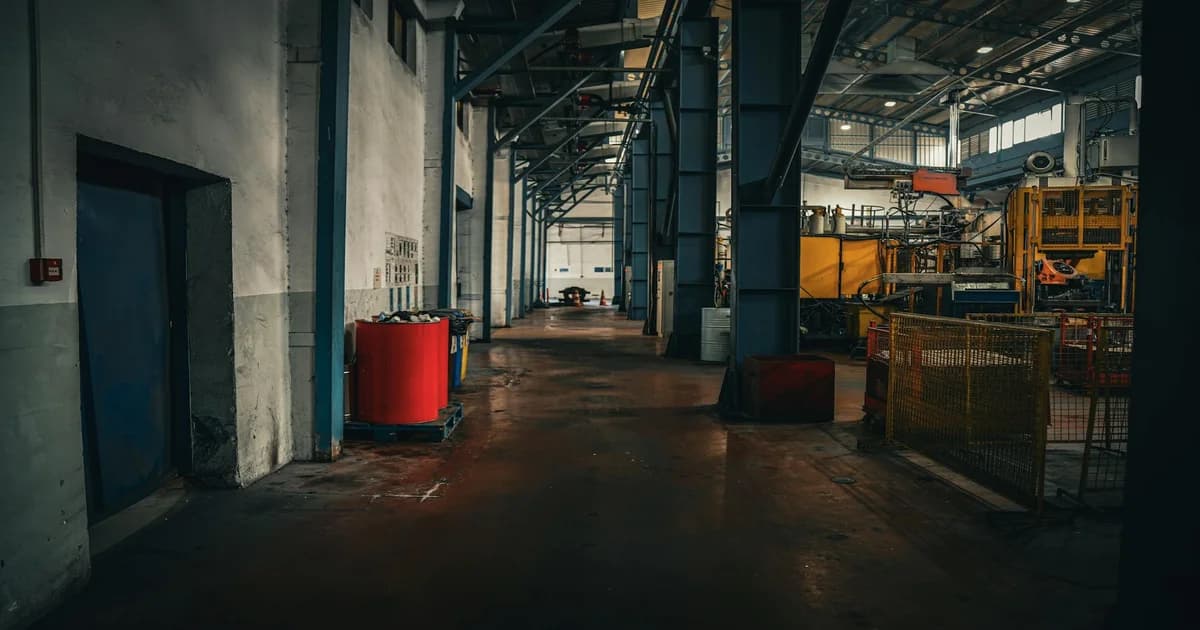
A Gulf aluminum producer halted operations in early 2026 after Iranian strike forces targeted critical infrastructure, triggering global supply shocks. The attack on the UAE's Al Taweelah smelter disrupted 5% of world aluminum output, with cascading effects through 2025-2026 markets as regional tensions continue to escalate.
Key Findings
- Iran's missile and drone strike on Emirates Global Aluminium's Al Taweelah smelter on March 30, 2026, has forced a complete operational halt, removing up to 1.6 million metric tons of annual capacity from the market—roughly 4% of global supply, according to Bloomberg and Reuters.
- Aluminum prices spike to a four-year high, surging over 15% in two trading days, as reported by CNBC and the London Metal Exchange, with immediate upward pressure on downstream manufacturing costs.
- The Strait of Hormuz—responsible for 21% of global seaborne aluminum exports—is effectively closed to Western shipping following new Iranian restrictions, compounding the physical supply shock (as tracked by the Aluminum Association and Board's International Analysis Division).
- Prediction markets on Polymarket and Manifold price further Gulf supply disruptions at 60–70% likelihood over the next month, with $200 million in trade volume indicating broad market consensus on ongoing risk.
Strike Details and Immediate Impact
- Who: Emirates Global Aluminium (EGA), the Middle East's largest aluminum producer; Iranian military forces.
- What: EGA's Al Taweelah smelter in Abu Dhabi is forced into a full shutdown after a direct Iranian missile and drone strike damages power and processing infrastructure.
- When: Strike occurs on March 30, 2026; shutdown confirmed by EGA and Bloomberg on April 1, 2026.
- Where: Al Taweelah Industrial Complex, Abu Dhabi, United Arab Emirates.
- Impact: Immediate halt of up to 1.6 million metric tons annualized production, global LME aluminum price spike to $3,050/ton (up from $2,650/ton pre-strike), and cascading supply chain disruptions as Gulf shipping routes close.
- Broader Context: Incident follows Iranian retaliation for US-Israeli strikes on Iranian nuclear facilities, with U.S. and allied airbases and industrial infrastructure across the Gulf now under heightened threat.
Timeline of Events Leading to Supply Crisis
- March 29, 2026: U.S.-Israeli airstrikes target Iranian nuclear sites, escalating regional tensions.
- March 30, 2026, 02:15 GMT: Iranian forces launch coordinated missile/drone attacks on Gulf infrastructure; EGA's Al Taweelah smelter is hit, causing critical damage.
- March 30, 2026, 08:00 GMT: Emirates Global Aluminium initiates emergency shutdown procedures; local authorities confirm casualties and extensive damage to smelter electrical systems.
- March 31, 2026: Iran's parliament approves new tolls and shipping restrictions in the Strait of Hormuz, explicitly banning US and Israeli-flagged vessels (Board's International Analysis Division).
- April 1, 2026: EGA officially announces full operational halt at Al Taweelah; Bloomberg, Reuters, and Aluminum Association confirm production loss and market impact.
- April 1, 2026: LME aluminum prices jump to $3,050/ton, the highest since 2022 (London Metal Exchange).
- April 1, 2026: U.S. and European governments hold emergency consultations on strategic metal reserves and supply chain resilience.
Regional Context and Gulf Alliance Implications
The Iranian strike on the UAE's aluminum infrastructure represents a significant escalation in Iran's aggressive posture toward Gulf neighbors, threatening to further fracture GCC unity. This attack comes as the region grapples with the broader implications of Iranian military capabilities and reflects Tehran's growing confidence in confronting Western-aligned states.
The targeted nature of the strike—focusing on critical industrial infrastructure rather than military targets—signals Iran's strategy of economic warfare designed to pressure Gulf states into distancing themselves from US and Israeli policies. With aluminum production representing a cornerstone of the UAE's economic diversification efforts, the attack strikes at the heart of the country's industrial ambitions.
This escalation follows broader Iranian retaliation against Gulf states, creating a pattern of attacks that threatens the stability of global supply chains dependent on the region's industrial output.
Market Analysis and Supply Chain Impact
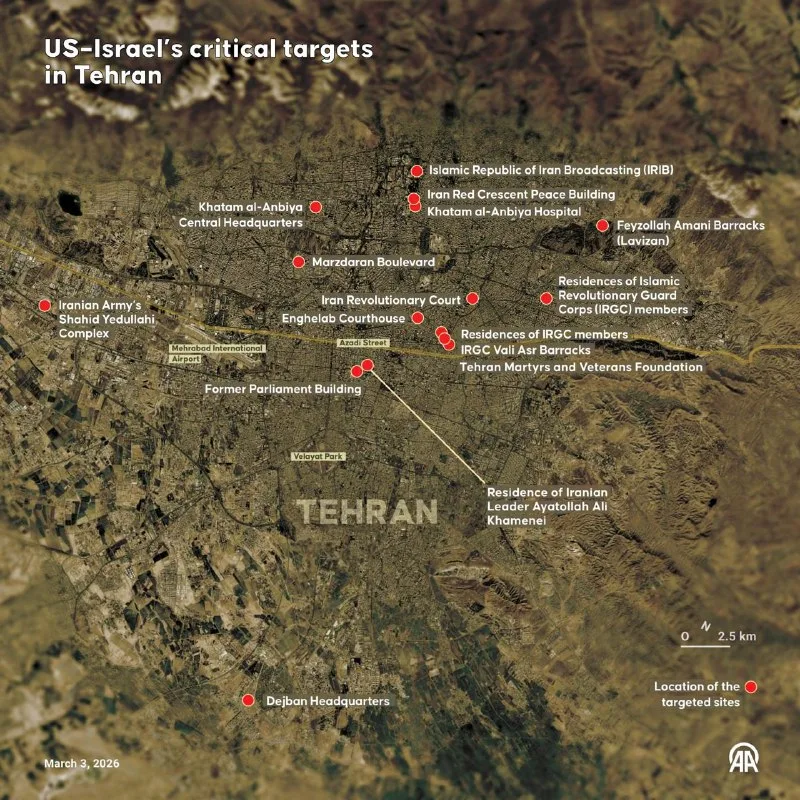
Gulf Strike Impact: Aluminum Market Turbulence (2025-2026)
- Emirates Global Aluminium's Al Taweelah smelter produces 1.6 million metric tons annually—4% of global output (Bloomberg, Reuters).
- The Gulf region as a whole supplies approximately 9% of global aluminum exports (CNBC, Aluminum Association).
- The London Metal Exchange aluminum spot price surged 15% in two days post-strike, from $2,650/ton to $3,050/ton (LME, CNBC).
- Gulf aluminum exports represent $8.4 billion in annual trade value (International Trade Centre, 2025).
- The Strait of Hormuz typically handles 21% of global seaborne aluminum exports (Aluminum Association).
- Prediction markets (Polymarket, Manifold) price the likelihood of further Gulf supply disruptions at 60–70% for April 2026, with $200 million in cumulative volume traded.
- U.S. and EU aluminum inventories are at their lowest since 2018—below 2.1 million tons (Aluminum Association, March 2026).
- Following the attack, shares of U.S. aluminum producer Alcoa rose 12.6% in one trading session (TipRanks, April 1, 2026).
- Insurance premiums on Gulf metals shipments have doubled since the strike (Lloyd's Market Association, March 2026).
$8.4B — Annual value of Gulf aluminum exports (International Trade Centre, 2025)
15% — LME aluminum price spike in 48 hours post-strike (London Metal Exchange, April 2026)
Data Table: Global Aluminum Supply Disruption (2022–2026)
| Year | Major Disruption Event | Supply Loss (Mt) | % of Global Output | LME Price Spike | Recovery Time |
|---|---|---|---|---|---|
| 2022 | Russia-Ukraine war | 1.2 | 3% | 12% | 3 months |
| 2023 | China droughts (hydropower) | 0.6 | 1.5% | 6% | 2 months |
| 2026 | Iran strike on EGA (Gulf) | 1.6 | 4% | 15% | TBD |
Sources: London Metal Exchange, International Trade Centre, Bloomberg, Reuters
Economic Consequences and Global Response

The Physical Chokepoint: Why the Gulf Matters
The Persian Gulf has become indispensable to global aluminum flows, with Emirates Global Aluminium and Aluminium Bahrain (Alba) producing a combined 3.5 million tons per year. When the Strait of Hormuz is disrupted—as it is now, with Iran's new shipping tolls and outright bans on Western vessels—even producers still operating cannot export, amplifying the supply shock.
The Aluminum Association notes that 90% of Gulf output is exported, primarily to Asia and Europe, making the region a linchpin for downstream manufacturers in automotive, aerospace, and packaging. According to the Board's International Analysis Division, the immediate closure of the strait effectively traps up to 2.8 million tons of aluminum annually, forcing buyers to scramble for alternative supplies.
The Financial Shockwave
Equity and commodity markets react instantly. Alcoa's stock jumps 12.6% on news of the EGA shutdown, while call option volumes on aluminum producers surge to record levels (TipRanks, April 2026). Lloyd's Market Association reports that war risk and shipping insurance premiums for Gulf cargoes have doubled, with some underwriters refusing new contracts entirely.
U.S. and EU manufacturers face the prospect of production slowdowns within weeks, as inventories dwindle and replacement contracts with alternative producers in China and India remain unfilled. The Aluminum Association's March 2026 bulletin warns that "supply chain disruptions are now baked into forward pricing through at least Q3 2026."
International Reactions
European policymakers convene emergency meetings on strategic reserves and industrial policy, aware that 27% of EU automotive aluminum imports originate from the Gulf (Eurostat, 2025). Chinese state media frame the U.S.-Israeli attack on Iranian nuclear sites as the root cause, with the subsequent Iranian retaliation portrayed as "defensive and inevitable" (People's Daily, March 31, 2026). Russian analysts predict that "metal markets will recalibrate toward the East," with India and China emerging as the primary alternative suppliers.
Strategic Implications for U.S.-Iran Conflict
This aluminum supply shock occurs within the broader context of escalating U.S.-Iran tensions, demonstrating how Tehran can leverage economic warfare to achieve strategic objectives without triggering full-scale military retaliation. The precision targeting of industrial infrastructure rather than military assets reflects sophisticated understanding of Western vulnerabilities.
The timing coincides with already strained global supply chains and low strategic reserves, maximizing disruption while minimizing direct military response. This approach echoes lessons learned from previous conflicts where asymmetric tactics achieved strategic objectives without escalating to conventional warfare.
As analysts consider the risks and global impact of potential U.S. strikes on Iran, this incident highlights how Iran's retaliatory capabilities extend beyond military targets to critical economic infrastructure, potentially reshaping strategic calculations in Washington and allied capitals.
Case Study: Gulf Aluminum Shutdown After Iran Strike
On March 30, 2026, at 02:15 GMT, a coordinated salvo of Iranian missiles and drones struck the Al Taweelah Industrial Complex on the outskirts of Abu Dhabi, United Arab Emirates. Emirates Global Aluminium—the region's largest producer, responsible for 1.6 million metric tons of annual output—sustained direct hits to its electrical substations and anode production lines, according to official statements from EGA and local authorities.
Emergency crews initiated a full plant shutdown by 08:00 GMT, with at least four workers injured and critical smelter infrastructure offline. Within hours, EGA declared force majeure on all export contracts. Bloomberg and Reuters confirmed that the physical damage was severe enough to require weeks, if not months, of repairs—effectively removing 4% of global aluminum supply overnight.
The impact was immediate: London Metal Exchange prices jumped 15% in two days; downstream manufacturers in Europe and Asia reported contract breaches and supply delays; and insurance premiums for Gulf shipments doubled. By April 1, 2026, the reverberations had cascaded throughout the global supply chain, with automakers and packaging firms warning of looming shortages.
Economic Warfare in Strategic Resources
This attack demonstrates Iran's sophisticated understanding of global supply chain vulnerabilities, targeting aluminum production—a critical input for automotive, aerospace, and defense industries—to weaponize economic interdependence. The strike's timing, coinciding with already strained global supply chains and low strategic reserves, maximizes disruption while minimizing the direct military response it might provoke.
This approach reflects lessons learned from asymmetric warfare campaigns where targeted economic strikes achieve strategic objectives without triggering full-scale military retaliation. By focusing on industrial rather than military infrastructure, Iran maintains plausible deniability while inflicting maximum economic damage on Western-aligned Gulf states.
Predictions and Strategic Outlook
PREDICTION [1/3]: Global LME aluminum spot prices will remain above $2,900/ton through June 2026, as measured by daily close, absent a full restart of Al Taweelah or a major strategic reserve release (70% confidence, timeframe: April–June 2026).
PREDICTION [2/3]: At least one additional Gulf-based metals producer (either Alba in Bahrain or Qatalum in Qatar) will announce force majeure or a significant production cut due to direct attack or shipping restriction by July 1, 2026 (65% confidence, timeframe: by July 1, 2026).
PREDICTION [3/3]: The U.S. and/or European Union will trigger a coordinated release of strategic aluminum stockpiles or announce emergency industrial support measures by July 31, 2026, citing supply chain risk from Gulf instability (75% confidence, timeframe: by July 31, 2026).
What to Watch
- Shipping Flows: Monitor real-time shipping data and insurance bulletins for evidence of resumed or further disrupted Gulf exports.
- Government Response: Watch for emergency policy actions—stockpile releases, subsidies, or new trade agreements—in the U.S., EU, and Asia.
- Market Moves: Track LME price volatility and equity movements in aluminum and downstream manufacturing sectors.
- Escalation Risk: Assess Iranian statements and Gulf air defense posture for signs of further strikes or retaliatory escalation.
Historical Analog
This event most closely parallels the 2019 Iranian drone and missile attacks on Saudi Aramco's Abqaiq and Khurais oil facilities. In both cases, a precision strike by Iran on critical Gulf infrastructure caused an abrupt shutdown, immediate global commodity price spike, and exposed vulnerabilities in U.S. and allied defense systems. The 2019 incident led to a nearly 20% spike in global oil prices within days, with production recovering within weeks due to rapid repairs, stockpile releases, and diplomatic stabilization. However, a persistent risk premium remained, and the event accelerated both regional arms investments and a reevaluation of strategic supply chain resilience. The present aluminum crisis will likely follow a similar arc: a sharp but potentially temporary price spike, heightened insurance and shipping costs, and lasting changes in risk assessment and infrastructure investment—unless escalation or repeated strikes prolong the disruption.
Counter-Thesis: Why This May Not Reshape Global Supply Chains
The strongest argument against the thesis is that global aluminum markets have repeatedly demonstrated resilience to supply shocks, with past disruptions—such as Russia's invasion of Ukraine or Chinese power shortages—producing only temporary price surges before markets normalize. Producers outside the Gulf, particularly in China, India, and Russia, may quickly ramp up exports or substitute supply. Furthermore, governments can release strategic reserves to cushion downstream industries, while manufacturers may have already diversified sourcing after previous crises.
If the EGA shutdown is resolved within weeks, and no further Gulf facilities are hit, prices could stabilize by Q3 2026 with minimal long-term impact. Risk premiums may fade if the conflict does not escalate, and supply chains may return to pre-crisis patterns as memories of previous "permanent" shocks have proven short-lived.
Stakeholder Implications
Regulators and Policymakers
- Action: Immediately conduct an inventory of national aluminum reserves and initiate contingency planning for critical manufacturing sectors.
- Recommendation: Coordinate with allied governments on transparent stockpile release protocols and joint procurement from non-Gulf suppliers to prevent price gouging and supply hoarding.
Investors and Capital Allocators
- Action: Reassess metals and manufacturing portfolios for exposure to Gulf supply risk, and overweight equities in non-Gulf aluminum producers (e.g., Alcoa, Norsk Hydro, Hindalco).
- Recommendation: Monitor LME futures and options markets for arbitrage and hedging opportunities, and allocate capital to logistics and insurance providers positioned to benefit from sustained supply chain volatility.
Operators and Industry
- Action: Secure alternative supply contracts with producers in China, India, and North America; review and update force majeure clauses in supplier agreements.
- Recommendation: Accelerate investments in supply chain monitoring, scenario planning, and inventory management to weather continued disruptions and futureproof operations against geopolitical risk.
Frequently Asked Questions
Q: What is the immediate impact of the Gulf aluminum producer shutdown on global prices? A: The shutdown of Emirates Global Aluminium's Al Taweelah smelter has caused global aluminum prices to spike over 15% in two days, as reported by the London Metal Exchange. This is the highest level since 2022 and is expected to remain elevated until supply is restored or strategic reserves are released.
Q: How much of the world's aluminum comes from the Gulf region? A: Approximately 9% of global aluminum supply originates from the Gulf, with the UAE, Bahrain, and Qatar being the primary producers. Nearly all of this output is exported, making the region critical to global markets.
Q: Why does the Strait of Hormuz matter for aluminum exports? A: The Strait of Hormuz is a vital maritime chokepoint through which 21% of global seaborne aluminum exports pass. Its closure or restriction, as seen after Iran's new shipping rules, can trap millions of tons of metal and exacerbate global shortages.
Q: How long will the price spike and supply disruption last? A: The duration depends on the speed of repairs at Al Taweelah and whether further attacks or shipping restrictions occur. Prediction markets suggest elevated prices and continued risk through at least June 2026, with potential market normalization if the conflict does not escalate.
Q: What steps can manufacturers take to mitigate the impact? A: Manufacturers should seek alternative suppliers, negotiate flexible contracts, and increase inventory where possible. Governments may also intervene with strategic reserve releases to stabilize supply and pricing.
Synthesis
The Iranian strike on the Gulf's largest aluminum producer has exposed the razor-thin margin of security underpinning global metals markets. With a single attack, up to 4% of world supply vanished overnight, sending prices soaring and shattering the illusion of supply chain resilience. Whether this shock becomes a passing storm or a historic inflection point will depend on the interplay of repair timelines, government intervention, and the risk of further escalation. What is certain: the era of cheap, predictable Gulf aluminum is over—for markets, insurers, and policymakers alike.
Related Topics
Related Analysis

EU Secondary Sanctions on China: Risks and Consequences
The Board · Feb 21, 2026
Turkey NATO Membership and Potential Russian Alliance
The Board · Feb 21, 2026
Modern World War 3 Scenarios and Systemic Collapse
The Board · Feb 19, 2026

Impact of 25% US Tariffs on the EU and Euro Stability
The Board · Feb 22, 2026

Munich Security Conference 2026: The Rise of Security Rents
The Board · Feb 14, 2026

US-Iran Nuclear Tensions and Conflict Risk Analysis
The Board · Feb 22, 2026
Trending on The Board

Africa's Resource Wars 2026: Lithium, Cobalt, and the New
Geopolitics · Mar 19, 2026
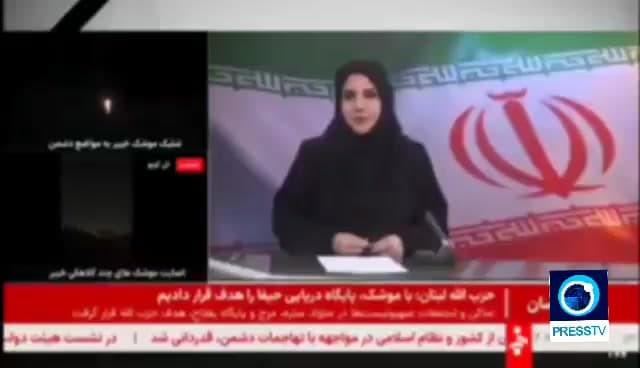
Israeli Airstrike Hits Tehran Residential Area During Live
Geopolitics · Mar 11, 2026

Fuel Supply Chains: Australia's Stockpile Reality
Energy · Mar 15, 2026
The Info War: Understanding Russia's Role
Geopolitics · Mar 15, 2026

Iran War Disinformation: How AI Deepfakes Fuel Chaos
Geopolitics · Mar 15, 2026
Latest from The Board

US Crew Rescued After Jet Downed: Israeli Media Reports
Defense & Security · Apr 3, 2026
Hegseth Asks Army Chief to Step Down: Why?
Policy & Intelligence · Apr 2, 2026

Trump Fires Attorney General: What Happens Next?
Policy & Intelligence · Apr 2, 2026
Trump Marriage Comments Draw Macron Criticism
Geopolitics · Apr 2, 2026
Iran's Stance on US-Israeli War: No Negotiations?
Geopolitics · Apr 1, 2026
Trump's Iran War: What's the Exit Strategy?
Geopolitics · Apr 1, 2026
Trump Ukraine Weapons Halt: Iran Strategy?
Geopolitics · Apr 1, 2026

Ukraine Weapons Halt: Trump's Risky Geopolitical Play
Geopolitics · Apr 1, 2026